
The shutters on the shopping streets stay down until Monday morning, the produce stalls under the market's iron roof are hooded in plastic, and the traffic that usually grinds along the Lungarno thins to a few taxis and a woman walking a dog in the cold light off the river. Florence does not close on a Sunday so much as rearrange itself. Churches put worship before visitors, several museums keep half-days that only begin at one or two in the afternoon, and the gardens, which are open and quiet, become the sensible centre of the day. Work with that order rather than against it and Sunday turns into the easiest day of the week to be here.
Start slow, south of the river
Most Florentine bars pour the same cappuccino on a Sunday that they poured on a Thursday, and at nine in the morning that is fine if all you want is standing-up caffeine. If you want a slower start, Ditta Artigianale Sprone (Oltrarno, on Via dello Sprone between Santo Spirito and the river) opens at 8.30 and is the place that effectively started the city's speciality coffee habit. Coffee is €3 to €6, brunch plates €12 to €20, and there is no booking: you walk in, and by half past ten on a Sunday the front room is full of people reading.
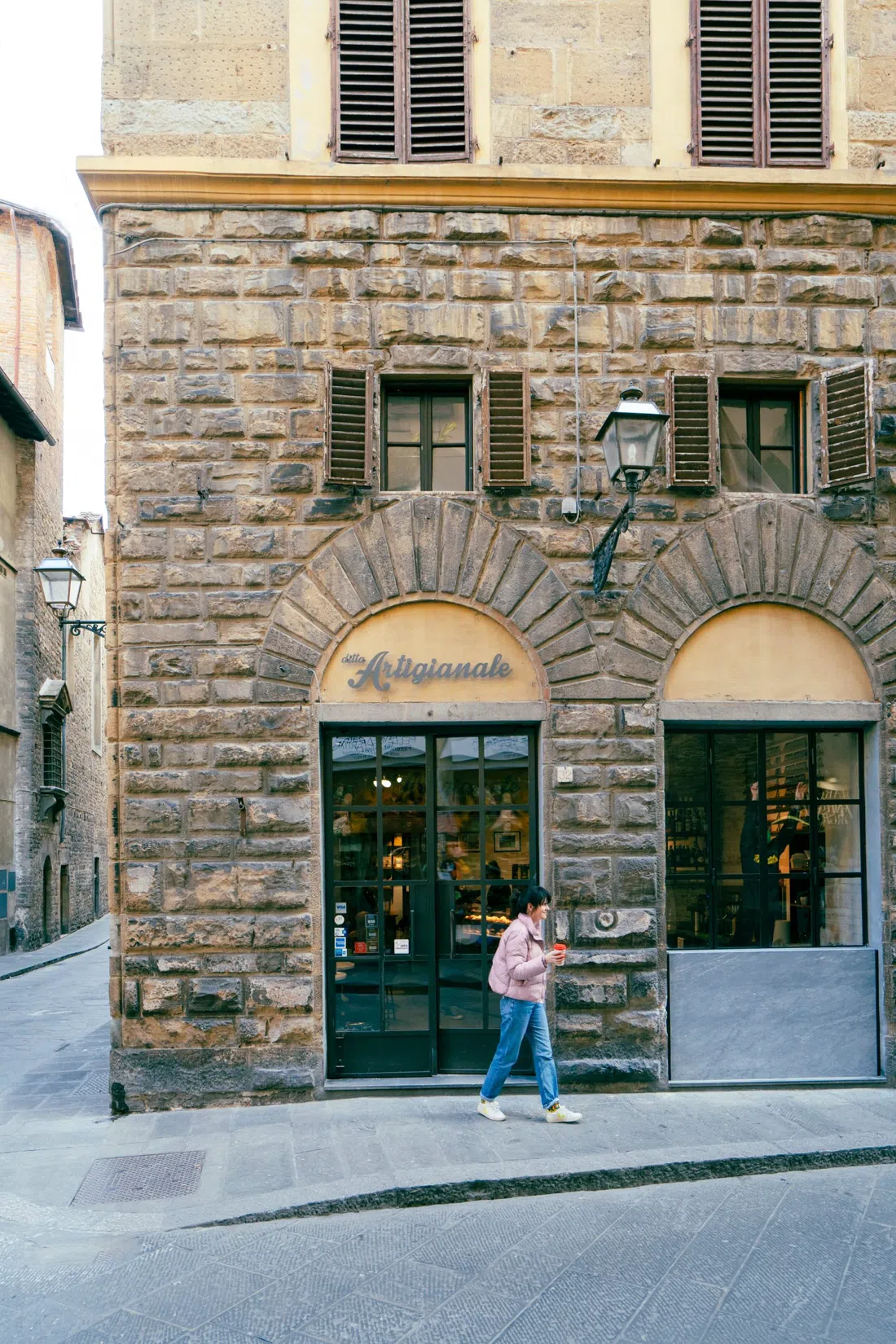
It works for a group of up to about eight. Beyond that, call first, because the tables are small and splitting a party of twelve across a room this size ruins it for everyone. It is also usefully placed: from the door you are ten minutes from Santo Spirito in one direction and ten minutes from the foot of the garden hill in the other, which is where most good Florence Sundays go next. For the rest of the week's logic (districts, when to eat, what the ticketed heavyweights demand), the wider Florence guide covers it.
The gardens are the point on a Sunday
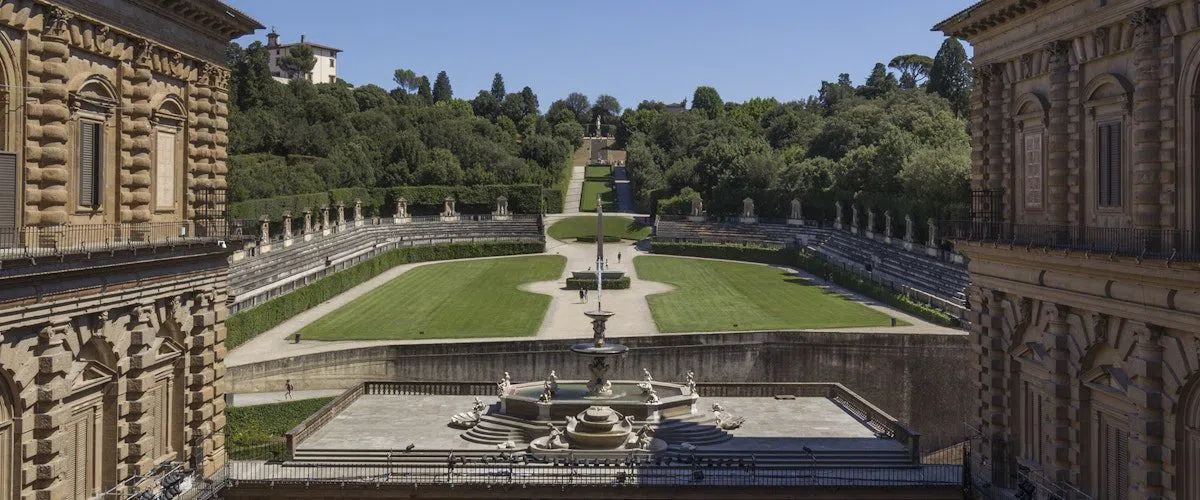
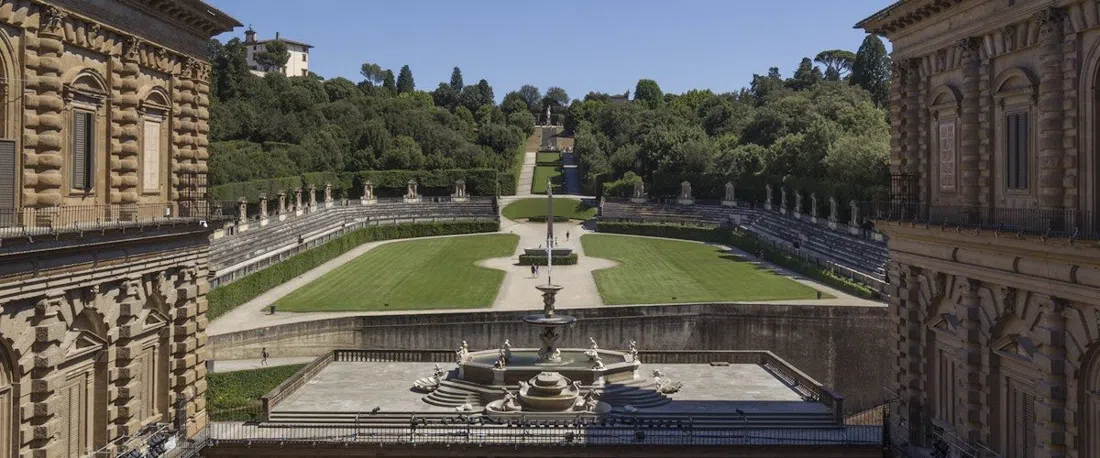
The one big-name Florence site that is genuinely calm on a Sunday is Giardino di Boboli (Oltrarno, behind Palazzo Pitti). It is €10 at the ticket window, €13 booked ahead, and it closes on the first and last Monday of every month, which is why Sunday is the safe day to plan it. Give it two hours rather than forty minutes: the long cypress avenue and the amphitheatre are the postcard, but the upper reaches towards the Porcelain Museum are where the noise drops away entirely. Guided groups must reserve a slot in advance; independent visitors of any size just walk in.
Villa e Giardino Bardini (Oltrarno, entrances on Costa San Giorgio and Via dei Bardi) is Boboli's steeper, quieter twin, with the better view and a fraction of the people. The garden is €10, or €15 including the exhibition villa. Until 18 October 2026 the villa is showing photographs of Florence from the 1950s to the 1970s drawn from the Foto Locchi archive, which is worth the extra five euro if you have any interest in what these streets looked like before the coaches. The staircase and the terrace are narrow, so a small group is fine and a coach party is awkward. Like Boboli, it closes the first and last Monday of the month, so Sunday always works.
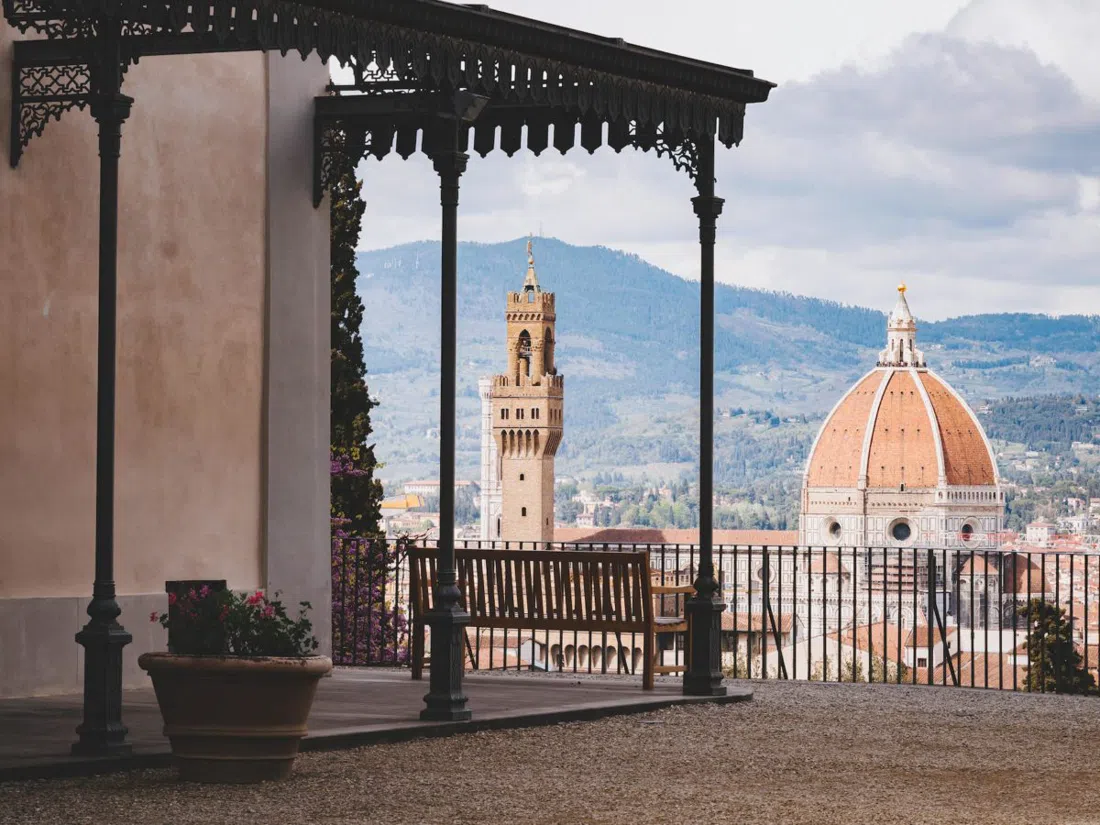
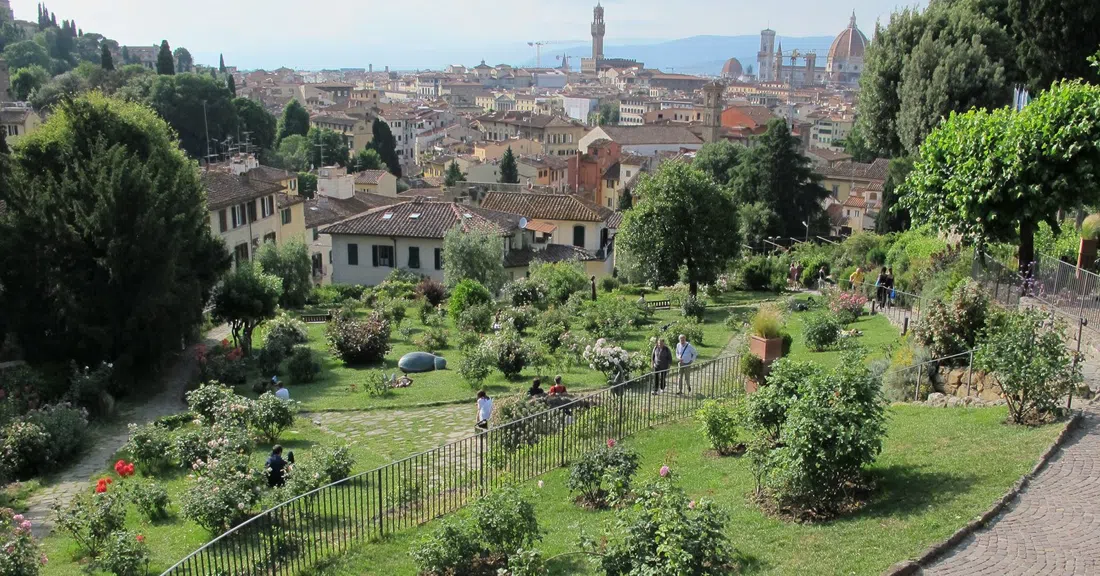
Above Bardini, Giardino delle Rose (Oltrarno, on the slope below Piazzale Michelangelo) costs nothing, has no gate policy and no booking, and is open every day of the year. It is the same panorama the coach terrace above sells, taken from a terraced garden with Folon sculptures and benches instead of a car park. It is the best low-effort hour on a Sunday, and the one to keep in reserve if the morning gets away from you. The paths are narrow, so large groups should spread out rather than move as a block.
Lunch that is allowed to take three hours
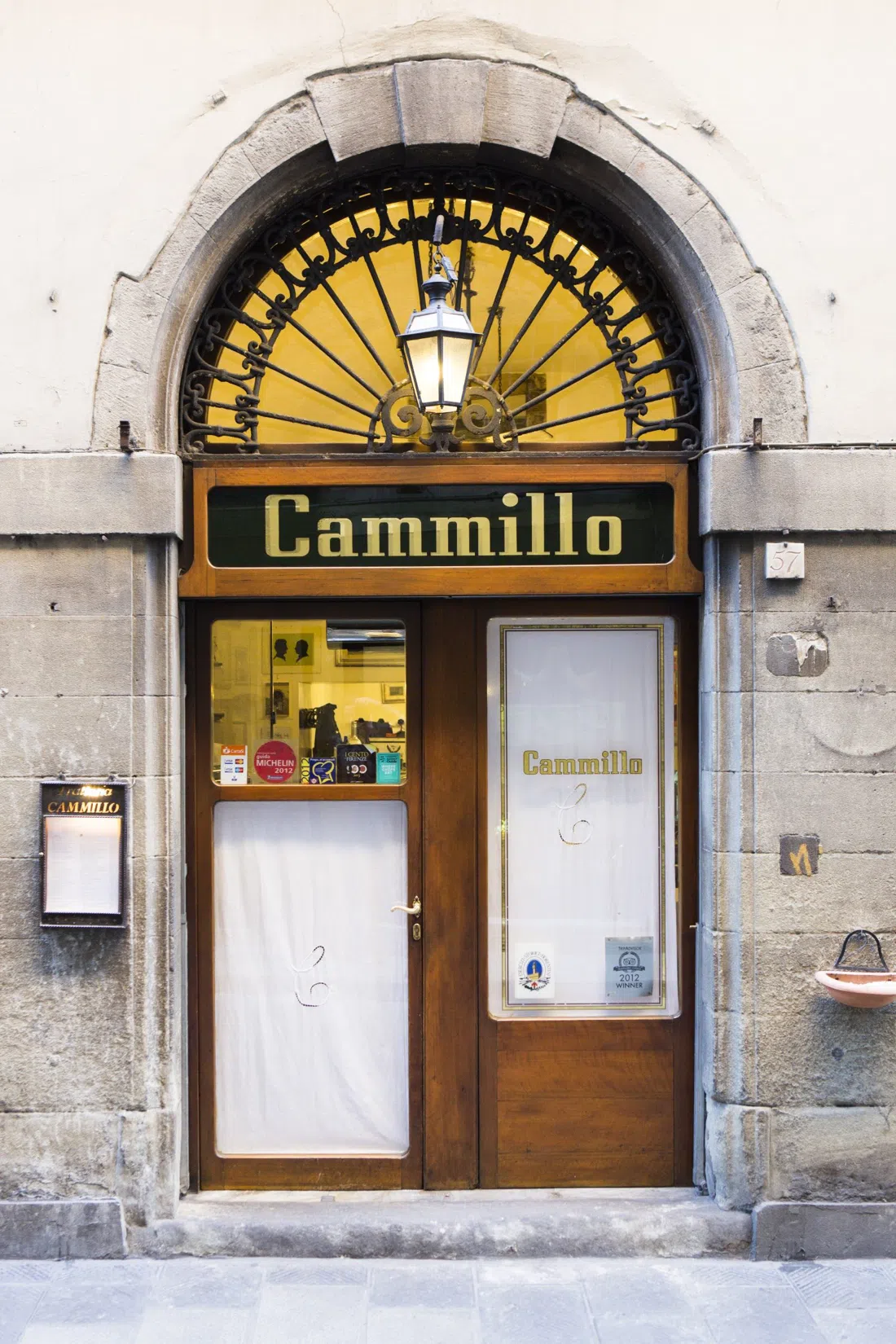
A good number of Florentine kitchens take Sunday off. Trattoria Cammillo (Oltrarno, Borgo San Jacopo) does not. It serves Sunday 12.00 to 14.30 and again 19.30 to 22.30, closing instead on Tuesday and Wednesday. It has been going since 1945, still cooks pappardelle with game ragù and fried artichokes, and runs €45 to €80 a head. The room is genuinely tiny: book well ahead, keep the party to six or fewer, and accept that this is the long Sunday table rather than a quick plate before a museum. Couples and small groups fit here; a party of ten does not.
The opposite solution, and the more forgiving one, is Mercato Centrale Firenze (San Lorenzo). The ground-floor produce market is shut on a Sunday along with most neighbourhood food shops, but the first-floor food hall runs roughly 9.00 to 23.00 every day. There is no booking, the tables are communal, and everybody orders separately at whichever counter they want, at €8 to €20 a plate. For a group with a vegetarian, a fussy teenager and someone who came to Florence specifically to eat a steak, it is the path of least resistance. Order from three or four counters and put it all in the middle.
The doors that open after two
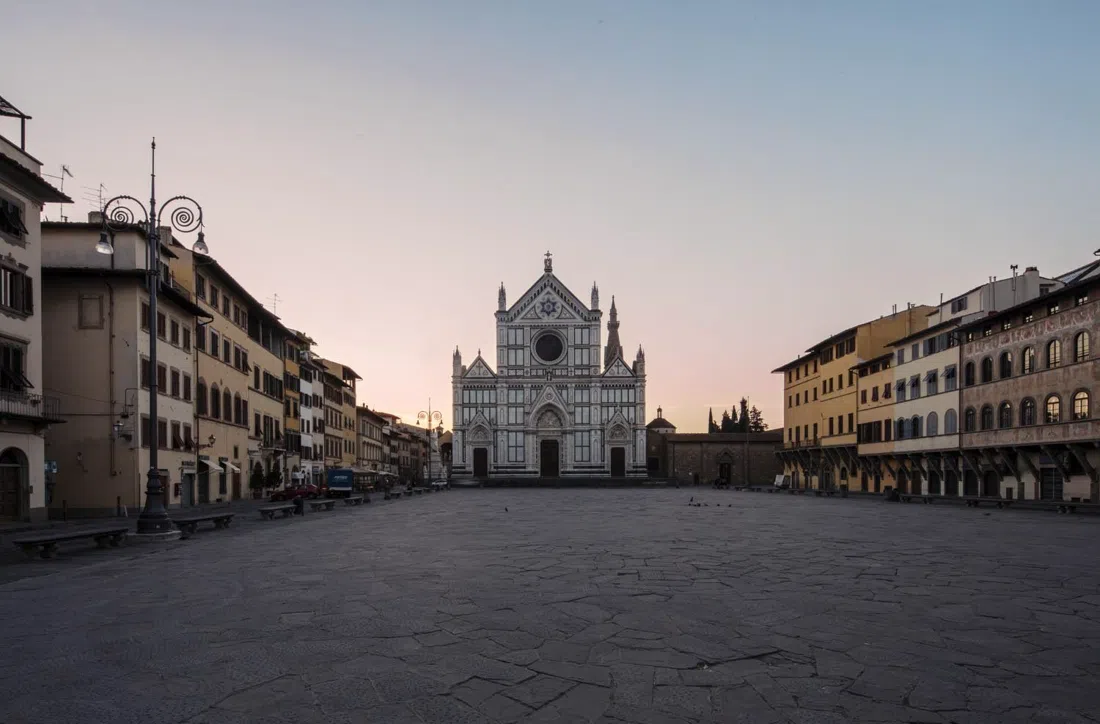
Basilica di Santa Croce (Santa Croce) gives its Sunday morning to Mass, so visits run roughly 14.00 to 17.30 with last entry at 17.00. That makes it the natural anchor for a Sunday afternoon rather than a morning stop. The €10 ticket (plus €1 if you book online) covers the church, the cloisters and the museum, and Giotto's Bardi Chapel has reopened after restoration. Groups book by phone or email and are routine here; audio guides are available, and in late October the low sun through the nave windows arrives around four.
Cappella Brancacci (Oltrarno, in Santa Maria del Carmine) is the opposite kind of visit. Sundays run 13.00 to 17.00 with last access at 16.15, it closes on Tuesdays, and the ticket is €15, but the fact that governs everything is the cap of ten visitors per thirty-minute slot. Booking is compulsory, and booking days ahead is not optional in season. A large group is effectively impossible; split into pairs across separate slots or leave it for a weekday. Half an hour with Masaccio's frescoes and eight other people is one of the few encounters in this city that volume has not diluted.
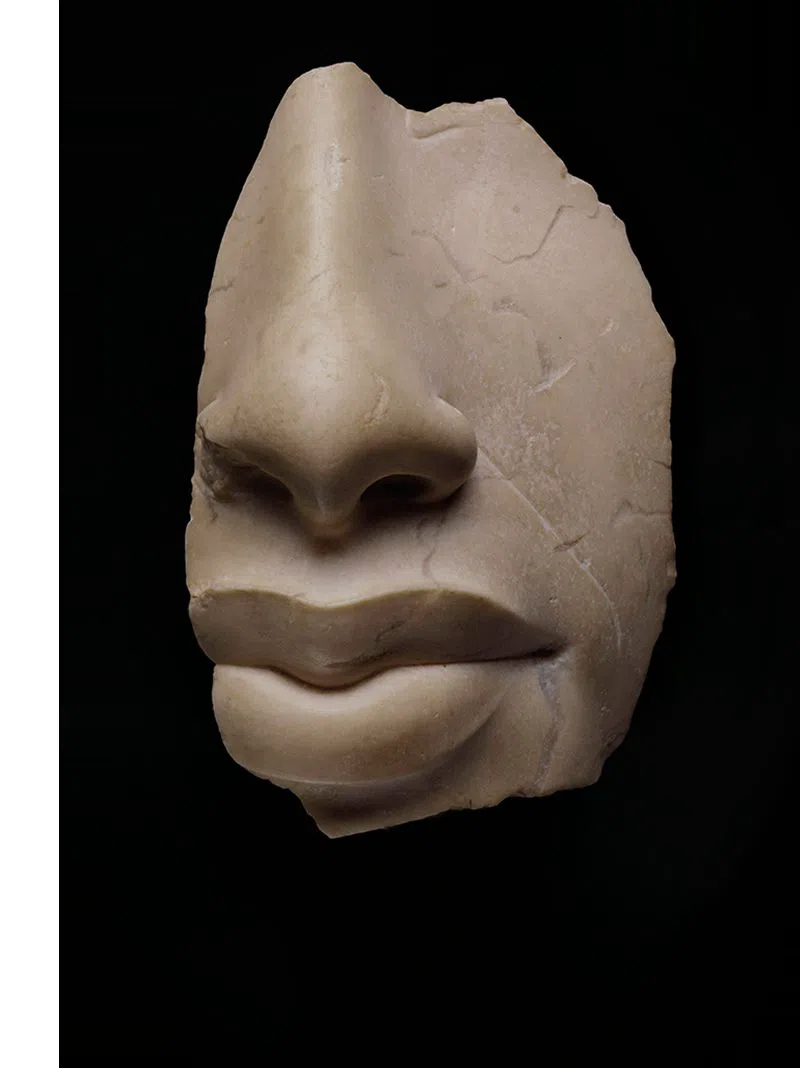
Palazzo Strozzi (city centre, off Via de' Tornabuoni) opens every day including Sunday and is the reliable modern counterweight to all that fresco. Tickets are around €15 dated or €20 open-date, €12 concession, €5 for ages 6 to 18 and €25 for a family. The courtyard is free to walk into, so it costs nothing to put your head in and decide. From 25 September 2026 to 24 January 2027 the show is 'Broken: The Power of the Fragment'. Guided group visits are arranged by phone on weekdays, not on the day itself.
If the rain comes in off the hills
Late autumn in Florence produces afternoons where the Arno goes the colour of wet slate and the gardens stop being a good idea. Museo di Storia Naturale – La Specola (Oltrarno, Via Romana, a few minutes from the Boboli gate) is the answer: Tuesday to Sunday 9.00 to 17.00 with last entry at 16.00, closed Monday, €10 full and €5 reduced, or €24 for a three-month pass covering the university's other museums. It reopened after a long renovation and is still uncrowded. Groups are fine on the standard route; the wax-anatomy, tower and skeleton routes are separately booked small-group add-ons, so sort those before you arrive. It is also one of very few museums here that holds a teenager's attention past the first room.

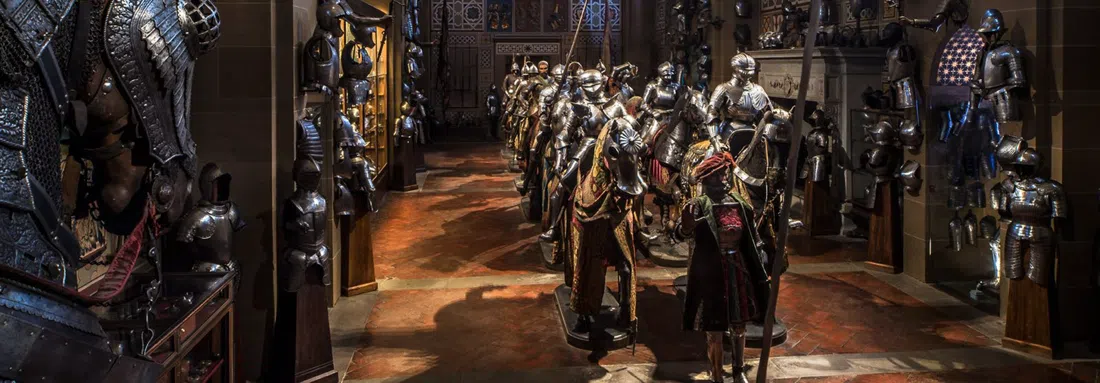
Museo Stibbert (twenty minutes north of the centre, on its own wooded hill) opens Friday to Sunday 10.00 to 18.00, at €8 for adults and €6 for children under 12, with reservation strongly advised at weekends. Almost nobody puts it on a first Florence itinerary, which is the argument for it on a Sunday. The cavalcade of armoured figures, horses and riders arranged mid-procession through a hall is unlike anything else in the city, and the rooms around it were arranged to one nineteenth-century collector's own taste.
The third Sunday in Santo Spirito
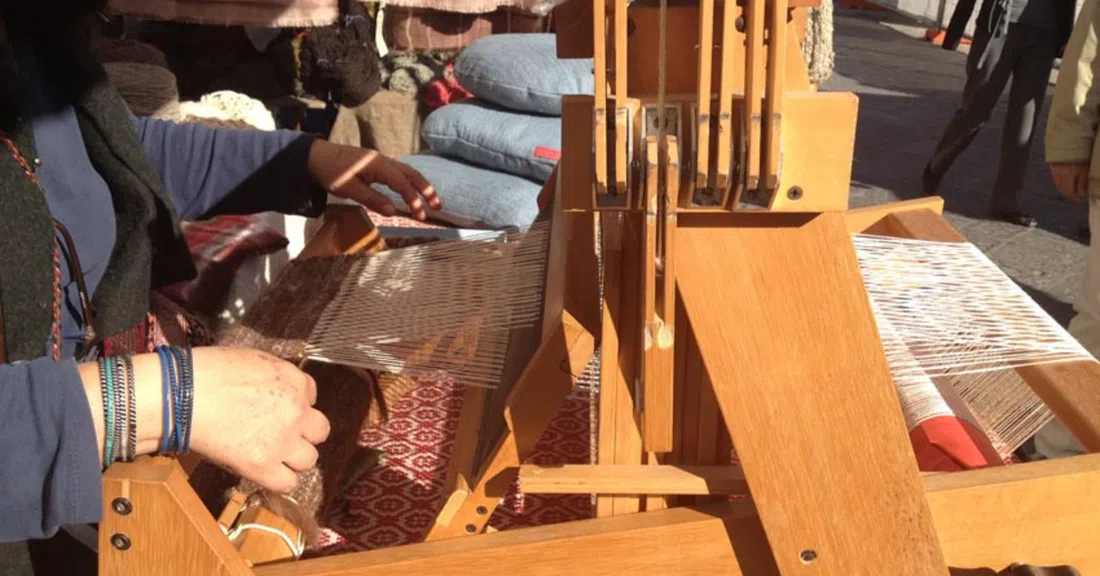
Once a month the Oltrarno's main square is fully itself. La Fierucola di Piazza Santo Spirito runs on the third Sunday, 9.00 to 19.00, skipped in August, free to browse and open to any size of group without booking. Over sixty small Tuscan producers set up under the plane trees with cheese, honey, chestnut flour, wool and soap, and the square keeps the loose, unhurried feel it loses to the evening drinking crowd. The remaining 2026 dates are 18 October, 15 November and 20 December. Go early, buy lunch in pieces, and eat it on the church steps.
A room that happens to sell soap
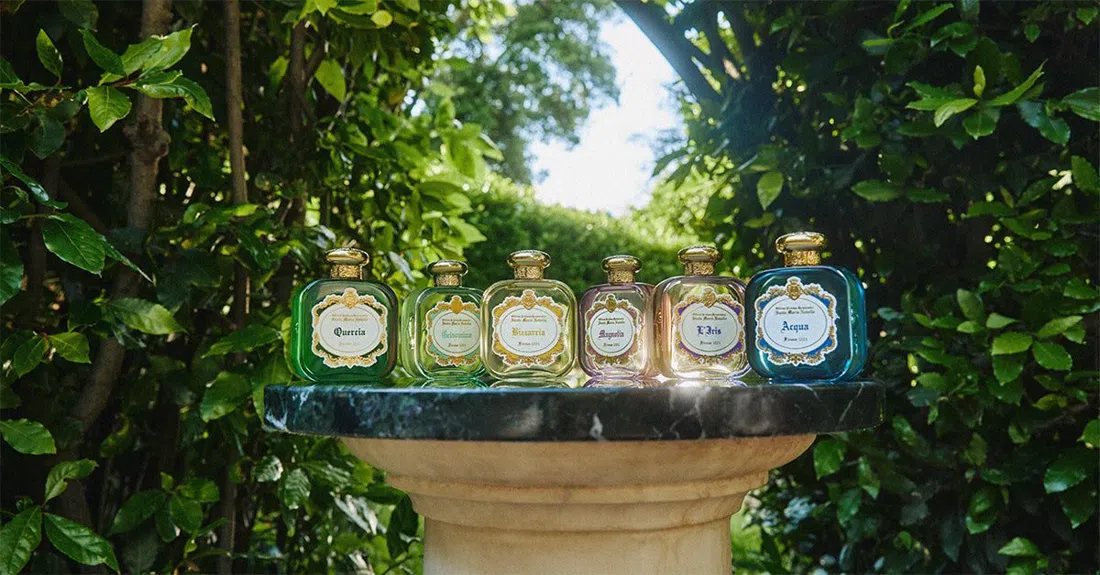
Officina Profumo-Farmaceutica di Santa Maria Novella (Santa Maria Novella, Via della Scala) is open 9.30 to 20.00 every day including Sunday, when almost every other shop of this quality in Florence is shut. Entry is free. Dominican friars founded it in 1221, and the frescoed sales hall, the old apothecary jars and the herbal still-room are worth twenty minutes purely as architecture. Nobody minds if you buy nothing. If you do, soaps start around €15 and colognes run €80 to €180. The rooms are small and low-ceilinged, so a large group should go in a few at a time.
Out of the city, on a city bus
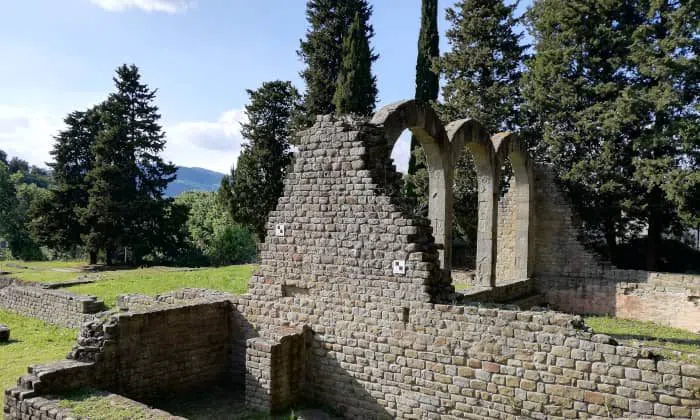
If you want country air without hiring anything, Area Archeologica di Fiesole is the honest Sunday day trip: bus 7 from the centre, about twenty-five minutes uphill, and you are standing in a Roman theatre with Etruscan walls below it and the whole basin of the city laid out beyond. It is €7 for the site, €10 with the archaeological museum, €12 including Museo Bandini. Through October it opens 10.00 to 18.00 daily; from 1 November hours drop to 10.00 to 15.00 and it closes on Tuesdays. There is open ground here, so groups are easy.
Wine is harder. Most Chianti estates lock the gates on a Sunday, but Antinori nel Chianti Classico at Bargino, half an hour south, opens daily, 10.00 to 18.30 from April to October, with shorter winter weekend hours. A guided tour with tasting is roughly €50 to €60 a head, lunch-inclusive formats considerably more, and booking is essential: walk-ins are turned away in season, and private or group formats are arranged directly. Unlike Fiesole this is not a bus trip, so settle the driving question, or the transfer, before anyone starts tasting.
Chant on the hill as the light goes
End where the day has been pointing. Basilica di San Miniato al Monte sits above Piazzale Michelangelo, free to enter, no reservation, open on Sunday 8.15 to 13.00 and 15.30 to 19.00. The green-and-white marble front catches the last of the sun from about four in late October, and the crypt below the raised choir is older and stranger than anything in the centre.
The reason to be there on a Sunday specifically is the 17.30 Mass, sung in Latin with Gregorian chant by the Benedictine monks; vespers follow daily at 18.30. The basilica closes to sightseeing during services, so if you have come to look at the mosaics rather than to sit through them, arrive well before. Groups are welcome, quietly. Walking back down through the rose garden afterwards, with the city turning on its lights below, is the part of a Florence Sunday people remember.
Practical notes
The centre is walkable end to end in half an hour and Sunday traffic is light, so almost none of this needs wheels. The exceptions are Fiesole (bus 7), Museo Stibbert and Bargino. Buy bus tickets before boarding, and since Sunday tabaccherie are patchy, the ticket app is the safer option. Validate on board.
Cards work everywhere that matters, but carry €40 to €60 in small notes for the Fierucola stalls and for the collection basket if you stay for vespers.
Timing follows the openings: gardens and markets in the morning, ticketed interiors between 13.00 and 17.30 when Santa Croce and the Brancacci actually open, the hill at dusk. Book the Brancacci days ahead, Cammillo further ahead than that, and Antinori weeks ahead in season.
One date to plan around: 1 November falls on a Sunday this year, All Saints, a public holiday. It is also the free first Sunday at Boboli, which means no pre-booking and real queues, so go at opening or go to Bardini instead. The Monday after, 2 November, is the first Monday of the month, when Boboli and Bardini are both closed and La Specola takes its weekly Monday off.
A free Sunday is entirely possible: rose garden, San Miniato, the Strozzi courtyard, the pharmacy, the Fierucola. A full ticketed day, with Boboli, Bardini, Santa Croce and the Brancacci, lands around €45 a head before food. Sleep on the Oltrarno side if you can, so the gardens and the hill are on your doorstep rather than across a bridge; the Florence hotel search covers both banks.