
At half past four on a January afternoon, the light over the Arno turns the colour of weak tea, and a small group of twelve stands on a landing inside the Uffizi Gallery (Piazzale degli Uffizi, in the heart of the historic centre), waiting for a guide to unlock a door that spent eight years closed. Beyond it runs a kilometre of enclosed, elevated passage built in five months in 1565 — over shops, over a bridge, over a church — so that a Medici duke could walk from his government office to his home without once setting foot on a public street. The corridor is open again. It is not, and will probably never again be, something you can wander into on your own.
That single fact should shape how you plan around it. The Vasari Corridor (Corridoio Vasariano), which begins inside the Uffizi and ends across the river at Palazzo Pitti, reopened in December 2024 after renovation work that stripped it back to bare plaster, exposed brick, and the small round windows that give away its route to anyone standing in the street below. The self-portrait collection that once lined its walls — centuries of painters looking at themselves, hung end to end down a half-mile hallway — has not returned, and there's no confirmed date for it to. What you get instead is the architecture itself: the proportions, the light, the sheer strangeness of a private road built above a working city. For some visitors that's a disappointment. For most, once they're standing in it, it isn't.
Booking the Corridor: Why It Starts and Ends With the Uffizi
There is no way to buy a Vasari Corridor ticket on its own. It is sold exclusively as a guided, small-group, timed-entry add-on to a Uffizi Gallery visit, and every ticket is personal and non-transferable — the name on the booking has to match the ID you show at the door, so this isn't a ticket you can buy and hand to a friend who's running late. Standard entry runs €43–€47, which includes the Uffizi itself; there's a cheaper Friday evening slot at €20–€24 for readers happy to see the gallery in low light and skip the crowds. Groups are capped and guided throughout, walking pace, no lingering to shoot photos of an empty stretch of hallway while the rest of the group waits.
Book this months out if your dates are fixed — Florence's museum system releases Uffizi slots on a rolling window, and the corridor add-on sells out inside that window well before the Uffizi's own general admission does. If you only do one timed thing in Florence, this is a defensible choice for it. The Uffizi itself, separately, is priced €16–€25 depending on season and time of day and takes pre-booked groups and skip-the-line slots without difficulty — worth two or three hours on its own merits even for readers who don't manage a corridor slot.
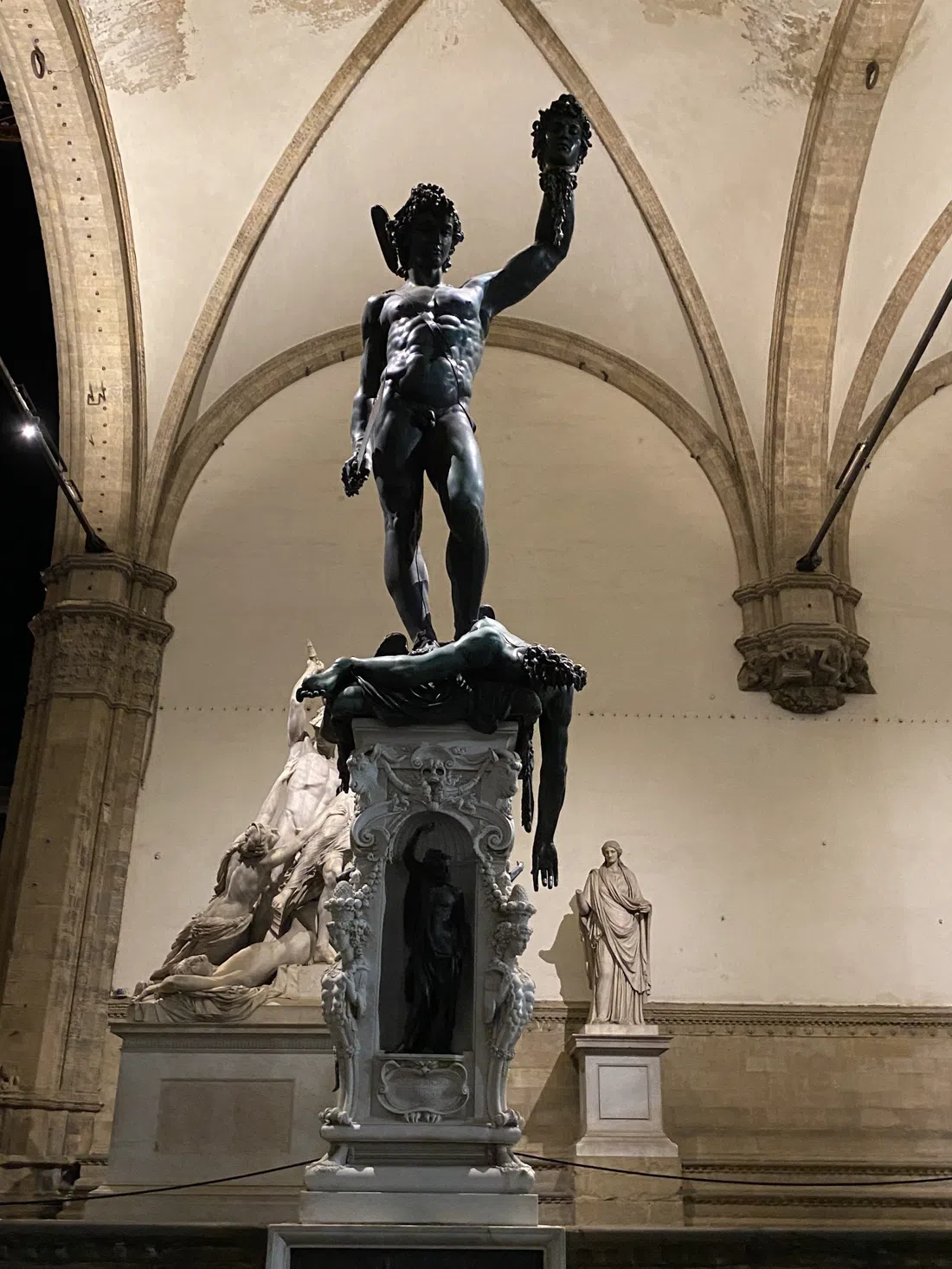
Right outside the Uffizi's Piazza della Signoria entrance, under the Loggia dei Lanzi (Piazza della Signoria, the square in front of Palazzo Vecchio), you can look at Renaissance and Mannerist sculpture — Cellini's Perseus, the Rape of the Sabine Women — for nothing at all, at any hour, while you wait for a timed slot to open. It's a genuinely good use of a spare twenty minutes and one of the few things in this guide that needs no plan whatsoever.
Where the Corridor Begins: Palazzo Vecchio
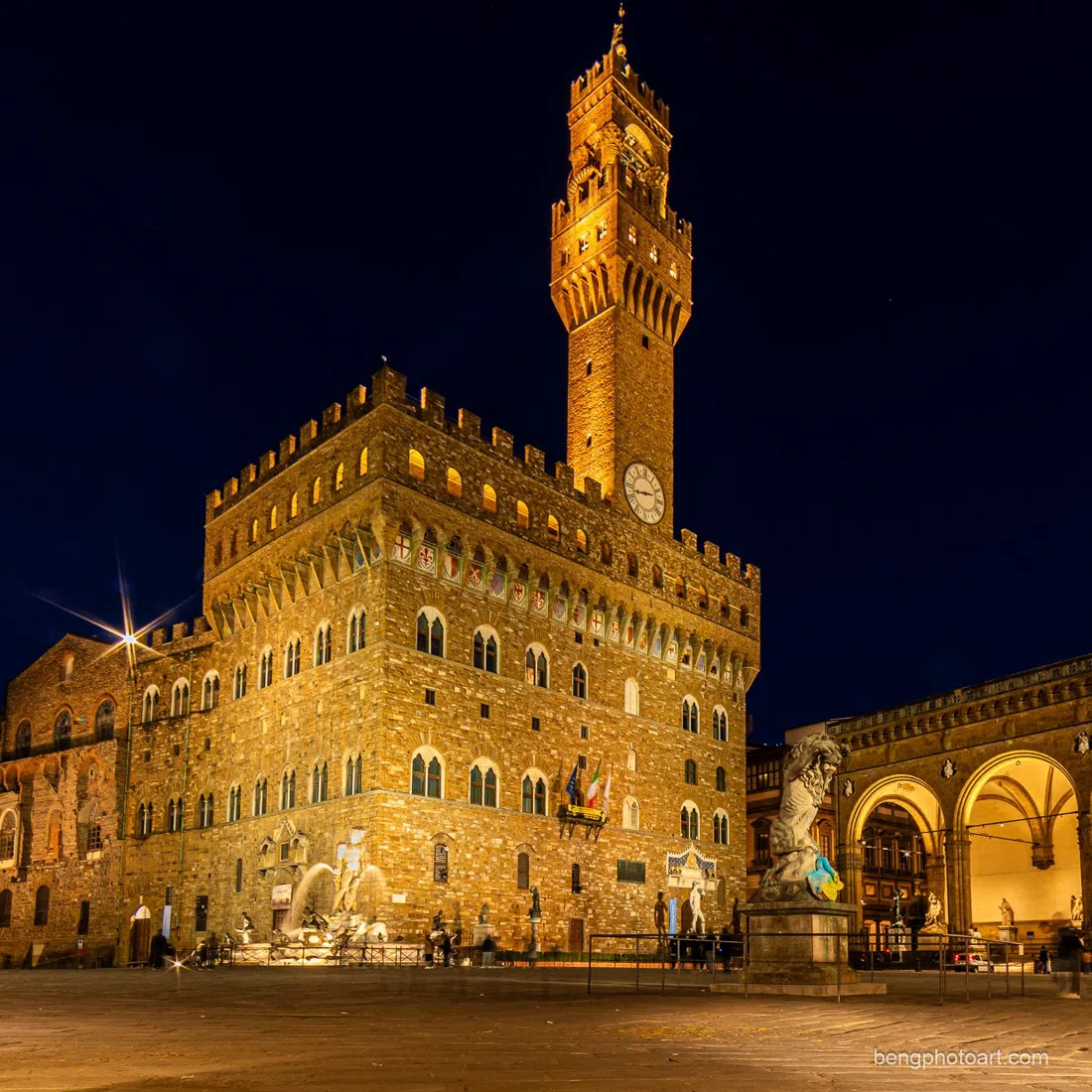
The corridor's starting point, in the sense that matters historically, is Palazzo Vecchio (Piazza della Signoria), which is still Florence's actual seat of government — you're visiting a working town hall, not a preserved relic. Cosimo I de' Medici commissioned the passage in 1565 specifically to link this building to the Uffizi and onward to his family's new residence across the river, and Palazzo Vecchio runs its own dedicated 'Secret Passages' guided tour that shows you the original hidden doorway the corridor connected to, tucked inside the building's own maze of stairs and false walls. It's €18 standard, €12 reduced, and it's the better companion piece to the corridor itself than most guides mention — you see the departure point properly, rather than glimpsing it from a guided walk-through pace. Do this one either the same day or as a warm-up the day before; it makes the corridor make more sense once you're inside it.
The Middle Stretch: Over the Ponte Vecchio
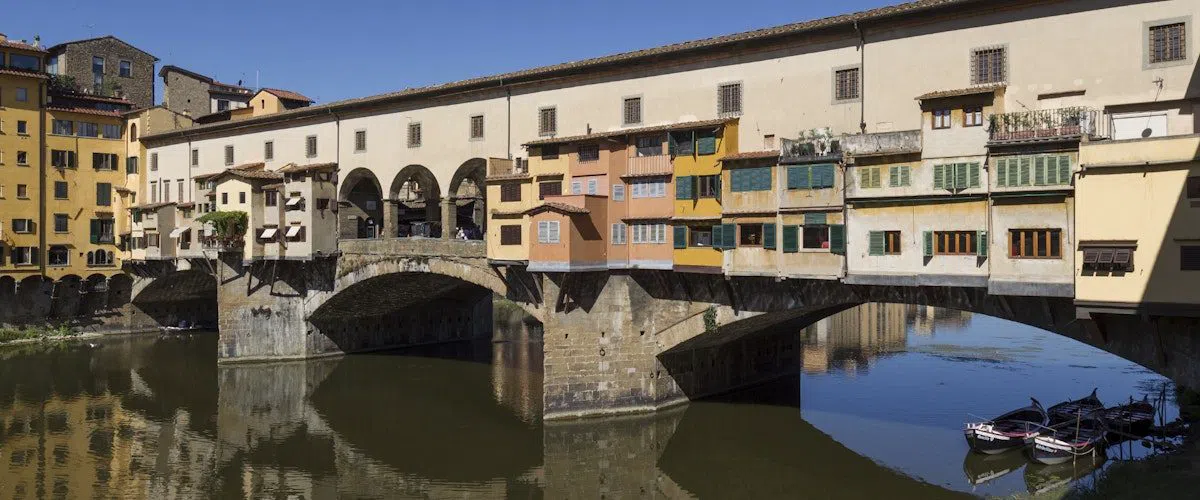
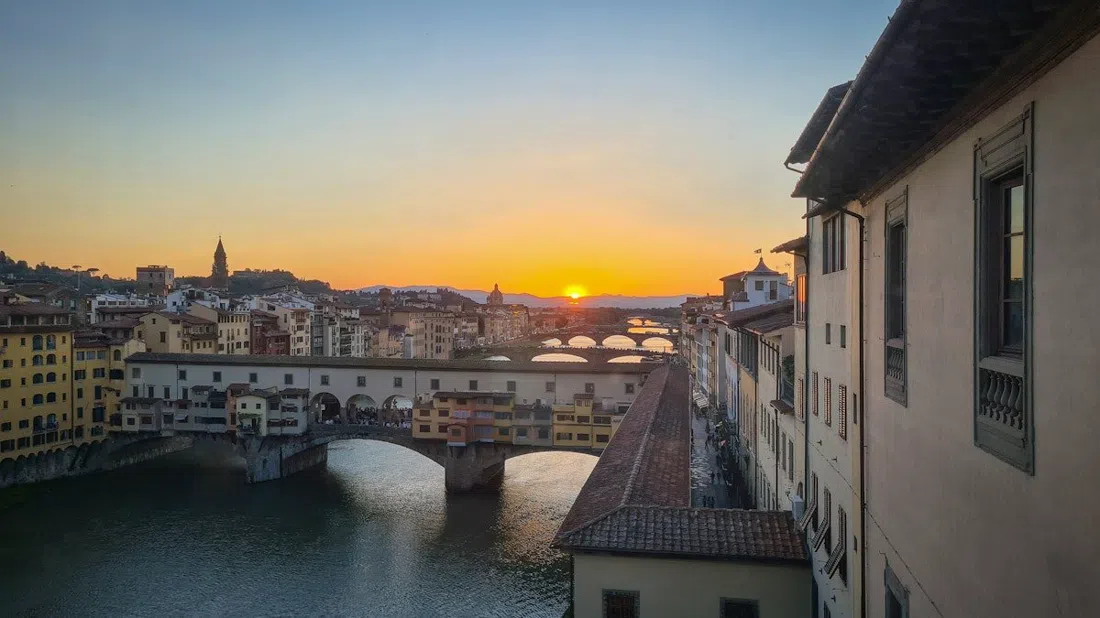
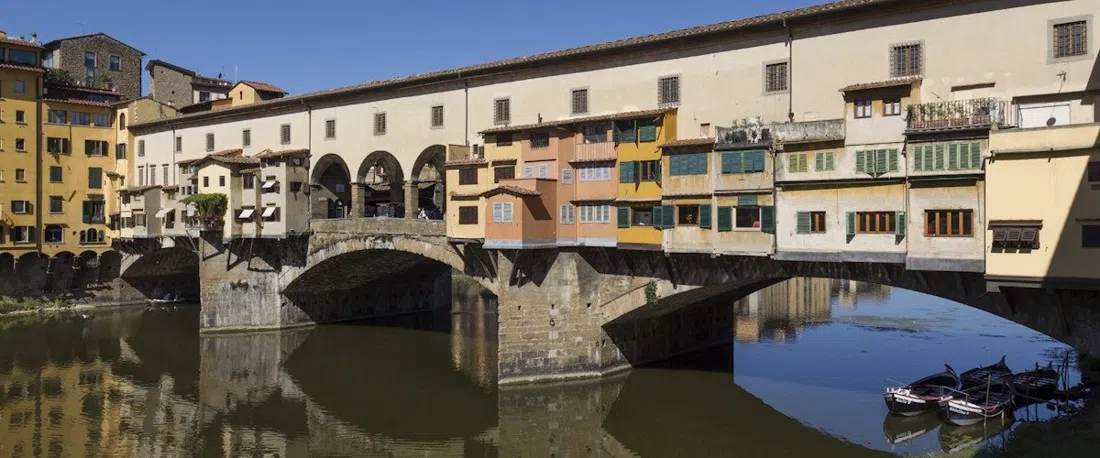
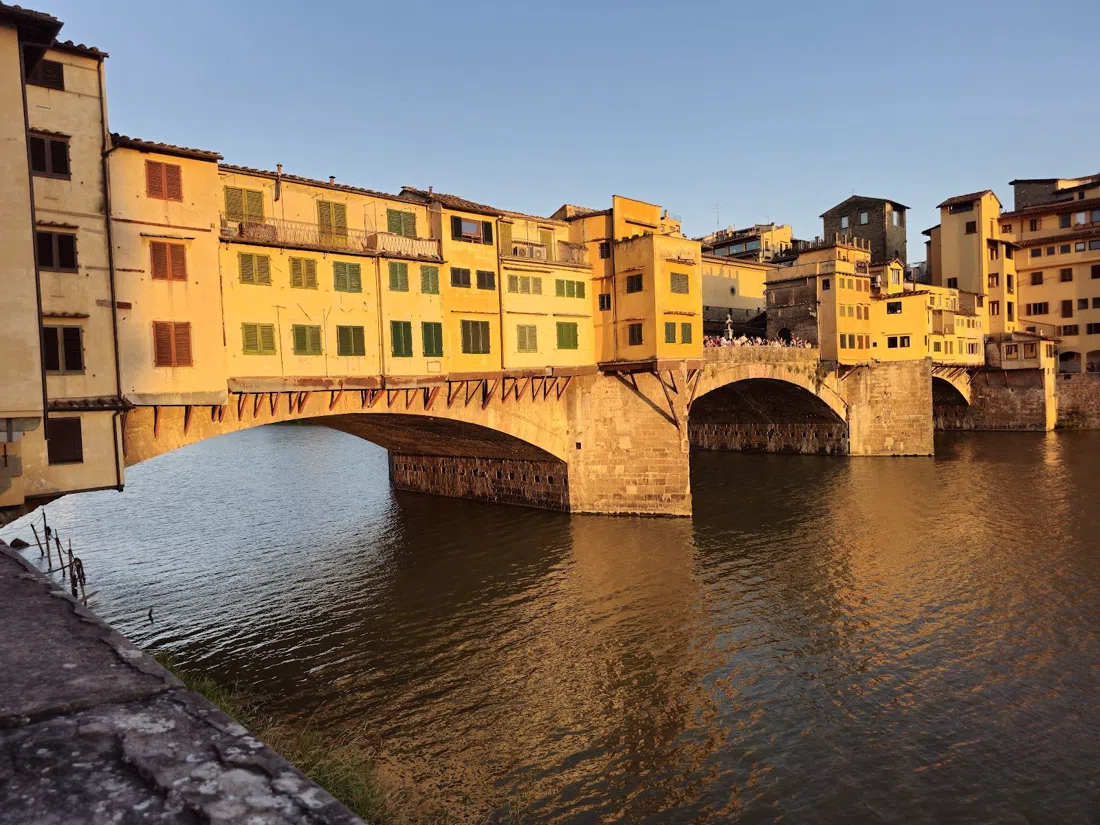
The most photographed section of the route needs no ticket, no booking, and no group size limit, because you're not inside it — you're looking up at it. Ponte Vecchio (spanning the Arno between the historic centre and the Oltrarno district) is Florence's oldest bridge, lined with goldsmiths' shops as it has been since the sixteenth century, and it's open and free at any hour. Walk it at midday with the crowds, or better, come back after nine in the evening when the shop shutters are down and the crowd thins to couples and late diners. Either way, look up: above the shopfronts on the river side runs a row of small round windows, unmistakable once you know to look for them, and that's the corridor passing directly over your head. It's the single easiest way to understand the scale of what the Medici built, and it costs nothing.
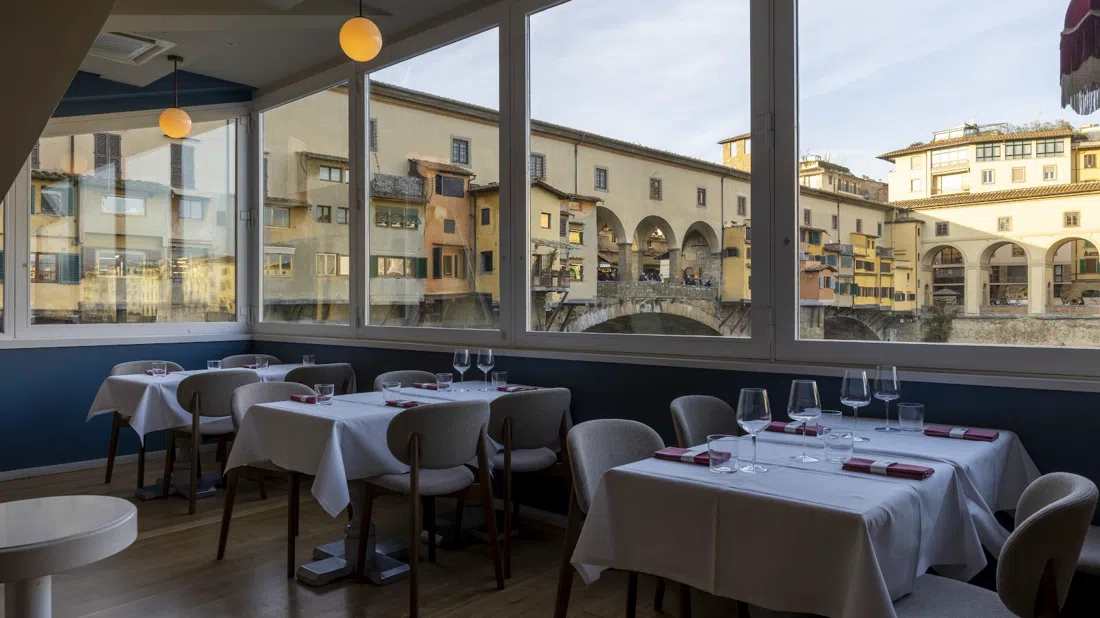
For a longer look at the same windows from a fixed, comfortable seat, Golden View Open Bar (Oltrarno, on the river a short walk from Ponte Vecchio) is the one sit-down spot genuinely built for this — you can't see the corridor's exterior from inside it, so this is the workaround. It takes groups, but reserve a window table if you want the view rather than a spot at the bar; mains run roughly €20–€40, so treat it as a proper dinner stop timed for last light rather than a quick coffee. On the opposite bank, La Terrazza Rooftop Bar at Hotel Continentale (Lungarno, facing Ponte Vecchio from the centro storico side) gives the same river scene from higher up, with a smart-casual dress code and cocktails at €18–€25. Its sunset service lines up neatly with the corridor's own evening opening hours, so a Friday with the discounted €20–€24 corridor slot followed by a rooftop drink here is a clean way to spend one evening on both sides of this story.
Journey's End: Palazzo Pitti and Boboli
The corridor's actual destination, and the reason Cosimo built it at all, is Palazzo Pitti (Oltrarno) — the Medici's home once the family moved across the river and needed a way to reach their government offices without a public procession through the street twice a day. It's a genuinely enormous complex today: the Palatine Gallery, the Museo degli Argenti, costume and porcelain collections, most commonly sold as a combined ticket with the adjoining Boboli Gardens at €22–€25. It takes groups comfortably and is where most tour operators run combined itineraries with the corridor itself, since — usefully — the same ticket window that handles Boboli admission also processes corridor bookings.
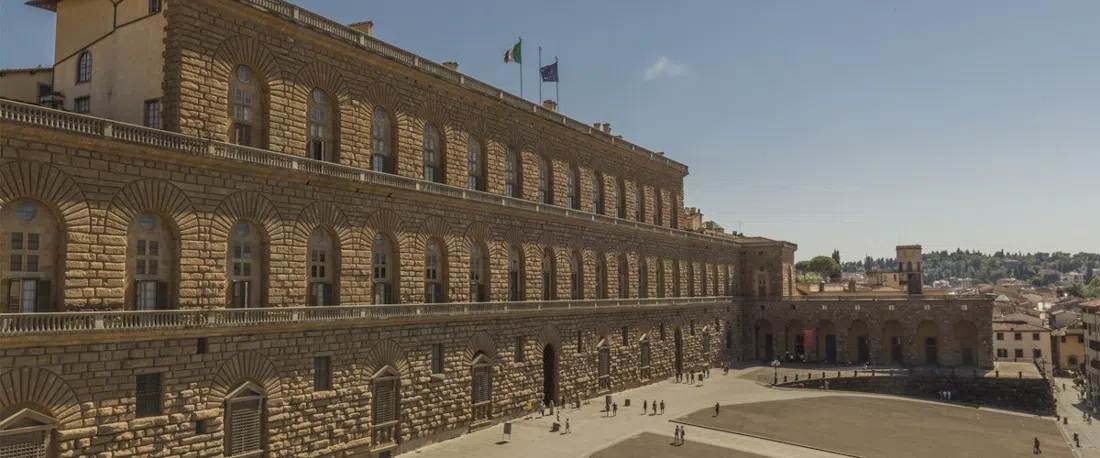
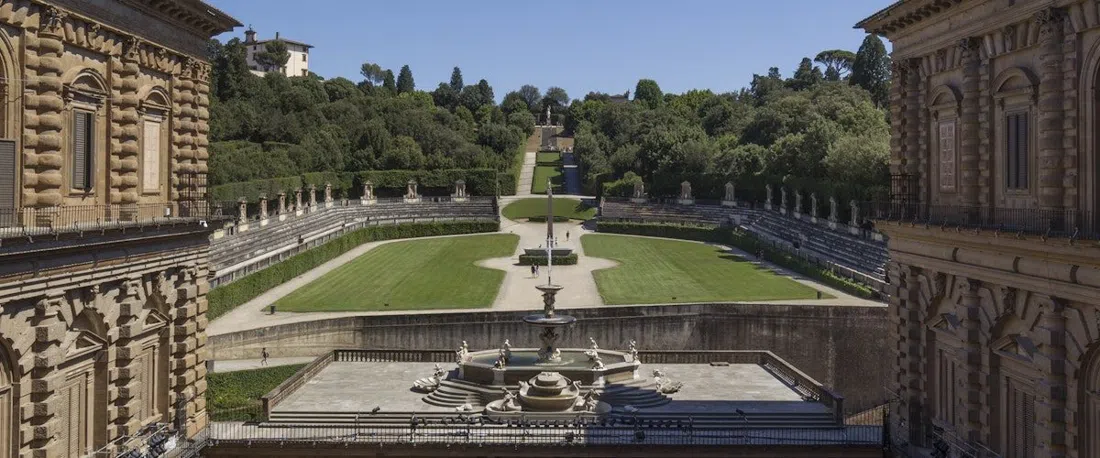
Boboli Gardens (Oltrarno, immediately behind Palazzo Pitti), included in that same combined ticket, is the natural wind-down after a guided corridor walk that doesn't allow much pausing. It's large, open-air, and absorbs visitor numbers easily even in high season — a good place to sit on a low wall in the shade of a cypress avenue for twenty minutes and let a fast-paced guided tour settle before you go looking for lunch.
Beyond the Corridor: The Rest of the Medici Story
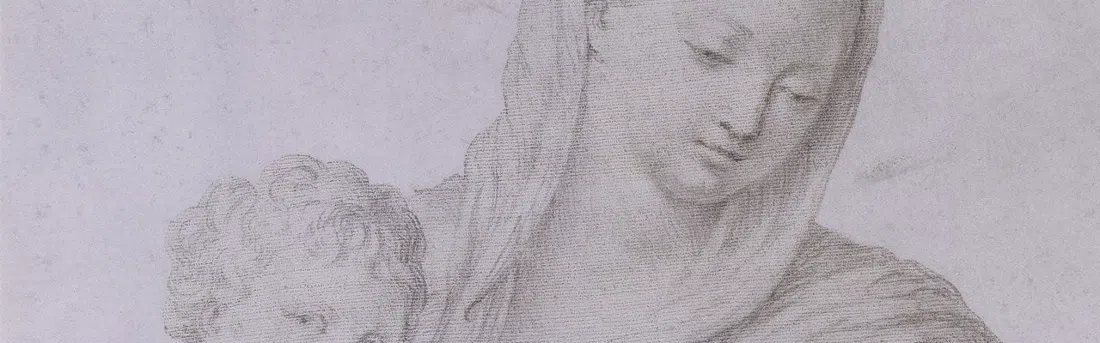
If the corridor and its two anchor palaces have left you wanting more of the same court, two add-ons sit right in the same few streets. Museo Galileo (Piazza dei Giudici, immediately beside the Uffizi's riverside exit) covers the scientific instruments and Medici patronage of astronomy and navigation that ran alongside the family's political power — around €10–€13, and an easy twenty-minute walk-in for individuals, though groups of fifteen or more do need to book ahead. It's a natural half-hour stop straight out of the Uffizi, before or after a corridor slot, without needing a separate trip across town.
Seeing the Whole Route From Above
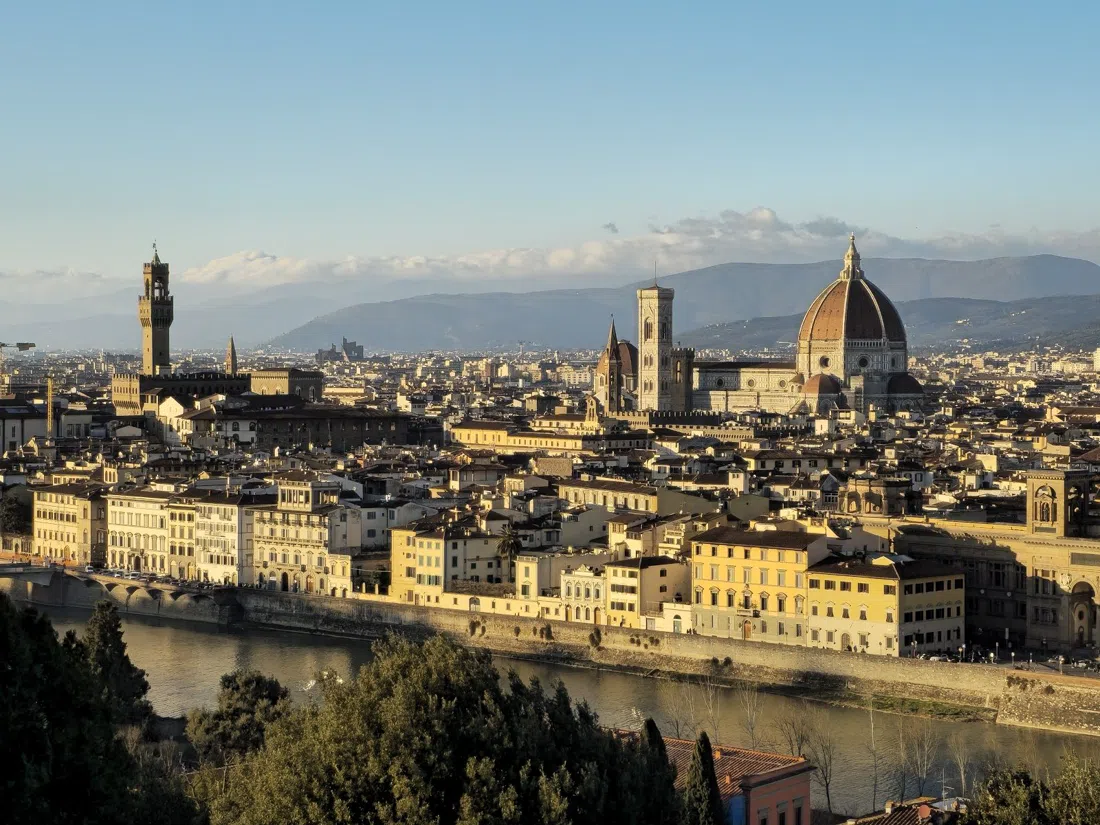
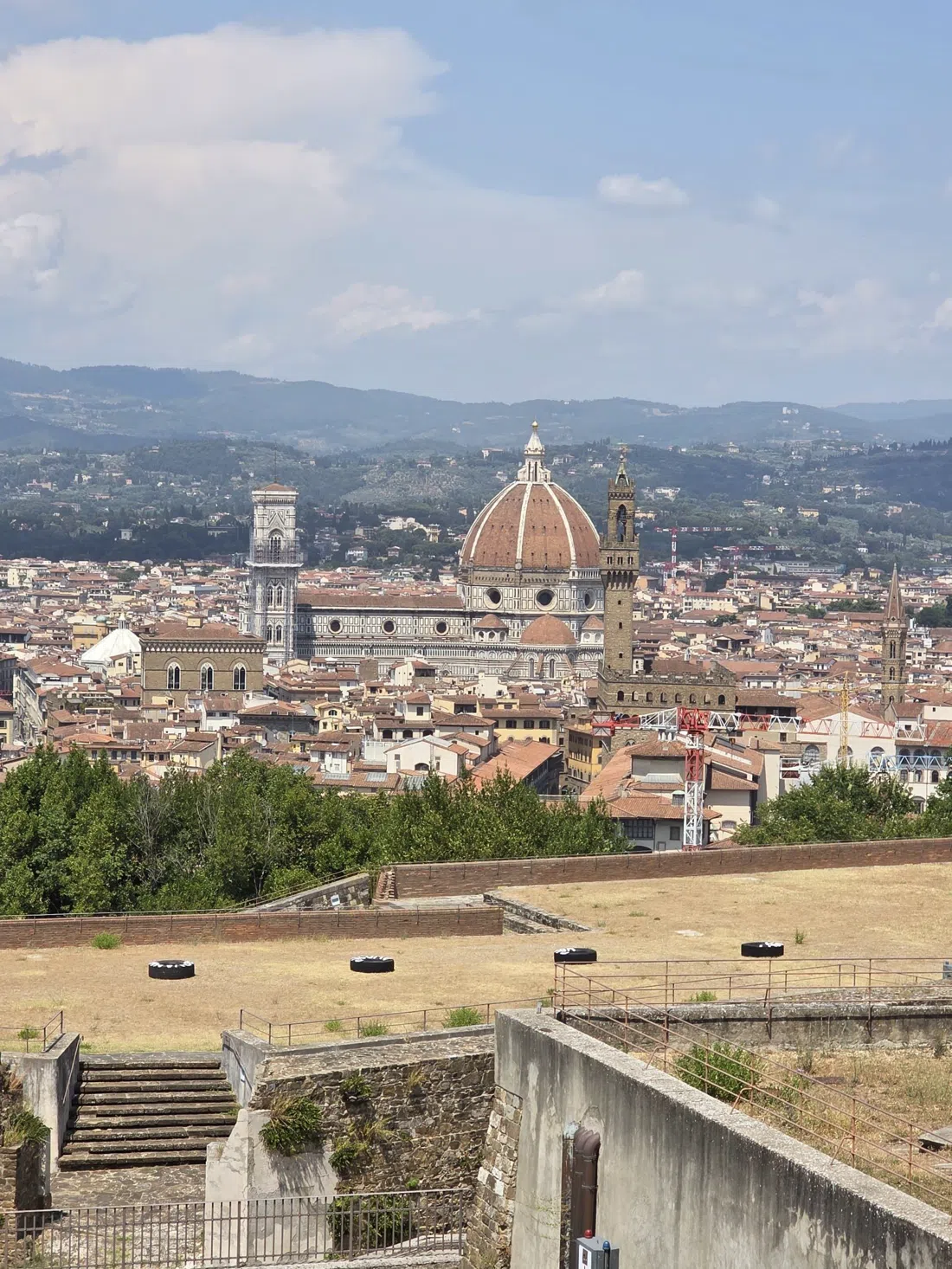
The corridor's full shape — palace to river to palace to hillside — only really resolves from a distance, and Florence has three places to get that view, at three different prices.
Piazzale Michelangelo (on the Oltrarno hillside above the San Niccolò district) is free, open around the clock, and handles crowds without any real capacity limit, which is exactly why it's Florence's best-known sunset spot and why it can feel crowded at the hour you most want to be there. It's the right choice if you want the panoramic, no-planning-required version.
For a quieter version of the same idea, Villa Bardini and its Bardini Garden (also Oltrarno, on the San Niccolò hillside near Piazzale Michelangelo) charges around €10–€13 and offers a combined ticket with Boboli — fewer people, similar elevation, and a garden worth the visit on its own even without the view. If Piazzale Michelangelo sounds like more crowd than you want at golden hour, this is the alternative to route toward instead.
Higher again, Forte Belvedere (on the hillside above Boboli, Oltrarno) is a sixteenth-century fortress that opens only for its summer exhibition programme — confirmed for 24 June to 16 October 2026 — with guided tours as part of that season and pricing that varies by exhibition, some events free. It's genuinely worth checking dates before you send a visit here into a trip itinerary, because outside that window the fort is simply closed, and there's no year-round fallback.
Practical Information
Getting around: everything in this guide sits within Florence's compact historic centre and the Oltrarno district just across the Arno — walking is the realistic way to move between all of it, and none of these sights need a taxi or bus unless you're staying well outside the centre. Wear shoes you can walk cobbles in for an afternoon.
Cash and cards: cards are accepted everywhere listed here, including the free sites' associated cafés, though it's worth carrying some cash for smaller Oltrarno bars and for tipping, which isn't obligatory in Italy but is appreciated at table service.
Timing: book the Vasari Corridor slot as early as your dates allow — it sells out inside the Uffizi's own booking window, not after it. Mornings suit the Uffizi and corridor combination, since fatigue sets in on a guided walking tour by mid-afternoon; save Ponte Vecchio, the rooftop bars, and Piazzale Michelangelo or Bardini Garden for the golden-hour end of the day.
Budget: a realistic day covering the corridor (standard slot), a Secret Passages tour at Palazzo Vecchio, and a combined Palazzo Pitti/Boboli ticket runs somewhere in the €80–€90 per person range before food and drink — the Friday evening corridor slot and Bardini Garden over Piazzale Michelangelo are the two easiest ways to bring that down without cutting anything essential.
For where to sleep while you sort out timed-entry slots, see this Florence hotel search, and for the rest of what the city offers beyond the Medici's private commute, the full Florence guide covers it.