The Florence issue
Galluzzo, the Florence village below a Carthusian monastery
Galluzzo rewards a plan: the Certosa opens only on its guided tour slots, and the lampredotto kiosk on the main square is where you eat.

By Élodie FournierFlorence beyond the Uffizi queue
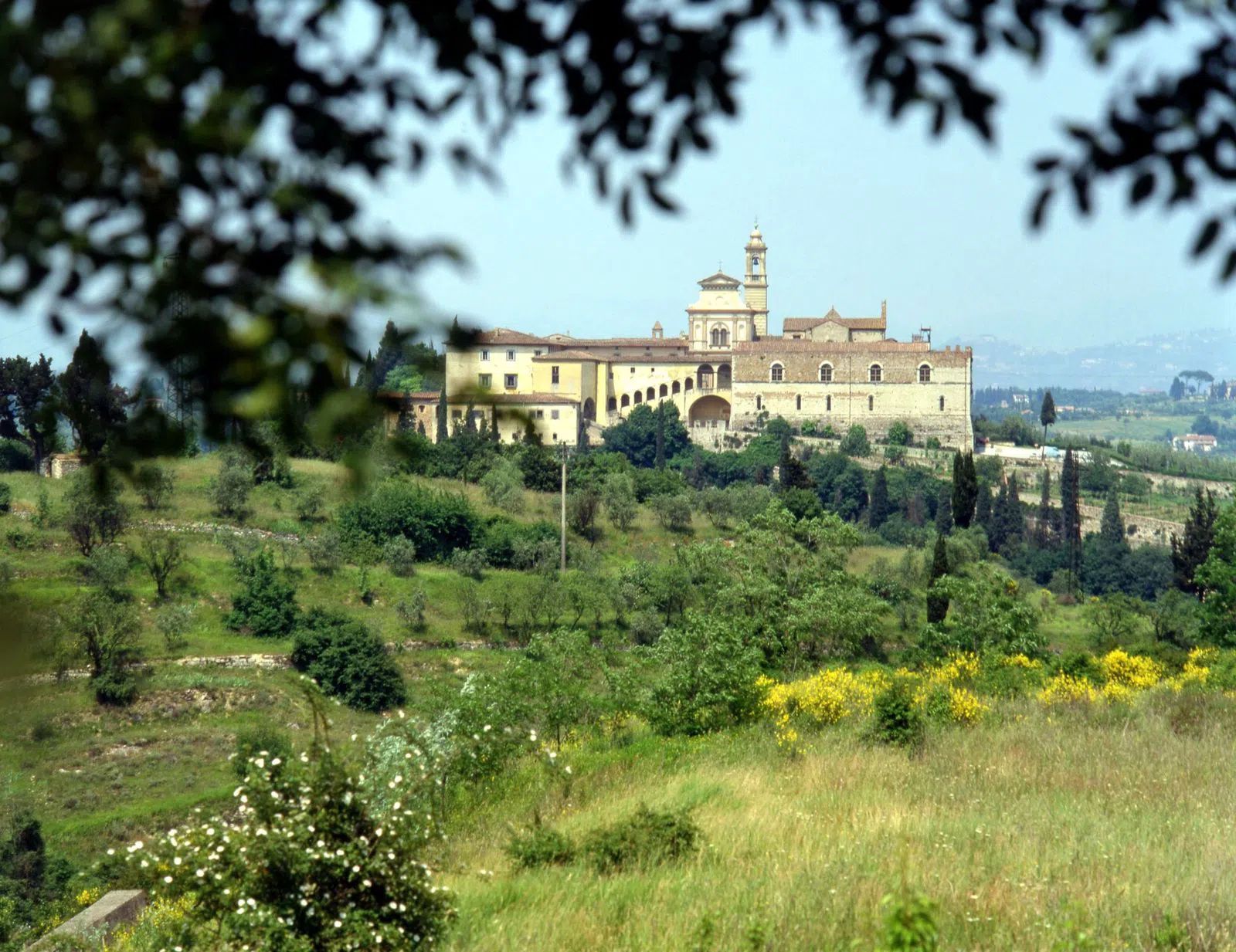
The Certosa del Galluzzo sits behind its walls on the cone of Monte Acuto, and you see the inside of it only on the hourly guided tour, which costs €10. In July and August that tour runs on Saturdays and Sundays. The village below it opens its pasticceria at 06:00 and keeps a tripe kiosk in the main square.
The Certosa on Monte Acuto
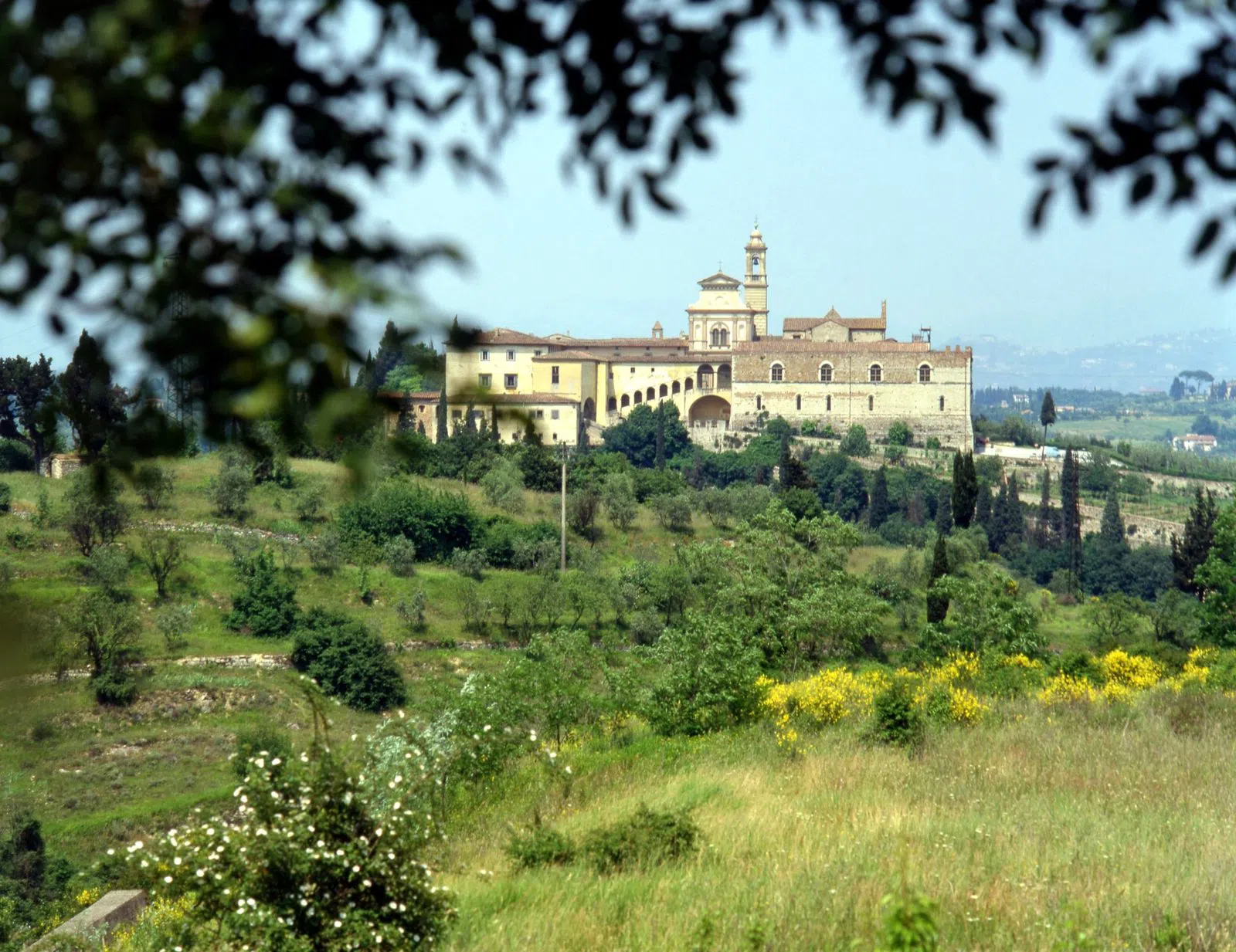
A broad Renaissance piazzale opens in front of San Lorenzo's pale stone facade, and the cypresses drop away down the slope. Certosa di Firenze, the Certosa del Galluzzo, is a walled Carthusian monastery, run now by the Comunità di San Leolino, and the interiors open only on the hour-long guided visit. Tours leave at 10:00, 11:00, 15:00 and 16:00 from Tuesday to Saturday, and at 15:00 and 16:00 on Sunday. From April to October a 17:00 slot is added.
The monastery closes on Monday, and in July and August the week narrows to Saturday and Sunday, so confirm the schedule before travelling. The route runs along long vaulted corridors glazed with polychrome stained glass of 1560, then into the great cloister, where the monks' cells open off the walk. A picture gallery belongs to the same complex. Outside tour operators add €15 to €25 on top of the €10 visit.
Up to four of you can turn up a few minutes before a slot. From five, the community asks you to book ahead through the form on its site, which brackets groups at seven to 10, 10 to 15, 15 to 20, 20 to 30, 30 to 40, 40 to 50 and 50 and more.
Plan your Florence trip
Live prices from our booking partners.
Free cancellation on many rooms. We may earn a commission when you book.
Via del Podestà on foot
Via del Podestà leaves piazza Acciaiuoli as a narrow walled lane, then climbs a low hill terraced with olives. The Palazzo del Podestà shows a plain render facade studded with carved stone family coats of arms. A podestà governed from here from the 1400s, when Galluzzo was an independent commune, and it stayed one until 1929.
The walk is free and takes an hour. It passes the Palagio dei Corbinelli, the Monastero al Portico and the Feri, Bottai and La Favorita villas. All of them are private houses. From the lane you see their gates, their walls and the tops of cypresses breaking the skyline.
Two minutes up, Chiesa dei Santi Giuseppe e Lucia al Galluzzo (via del Podestà) carries a mosaic of Saint Lucy of Syracuse above its entrance portal. The nave is plainly plastered, and two squat 14th-century bronze bells hang in the campanile, kept from the older foundation. The church itself was consecrated in 1930. It serves a working parish, so keep your voice down and stay out of Mass times.

The Greve, the poplars and San Felice a Ema
The Ema runs into the Greve exactly here, between the village and the monastery. Parco del Galluzzo, I Giardini and Parco dell'Albereta (Viale dei Tanini) begin as lawns beside the road, then narrow to a slim metal footbridge over the shallow stony Greve. On the far bank stand dense rows of poplars, the pioppeta, with gravel paths through them and the Certosa's hill showing over the treeline. That grove is the side the village itself walks. The cycle path long promised for Galluzzo is still a project.
A kilometre north, on the Albereta walk, Chiesa di San Felice a Ema is a squat romanesque church with a low stone campanile set against hillside greenery. Its foundation predates the 10th century. Bare stone columns run down a short nave, and a fresco fills the curve of the apse basin. Hours are 08:00 to 12:00 Monday to Saturday, with 16:00 to 18:00 added on Saturday, and 07:30 to 12:30 on Sunday. Morning is the dependable time to find the door open.
Down the via Cassia to the American cemetery
Rows of 4,402 white marble crosses and Stars of David curve across a terraced Tuscan hillside above the Greve valley at the Florence American Cemetery and Memorial (via Cassia at Falciani), 4km south of the village on Galluzzo's own road. A long ceremonial stair climbs between clipped lawns and cypresses to a travertine colonnade set with mosaic maps. Guidebooks give the place little space.
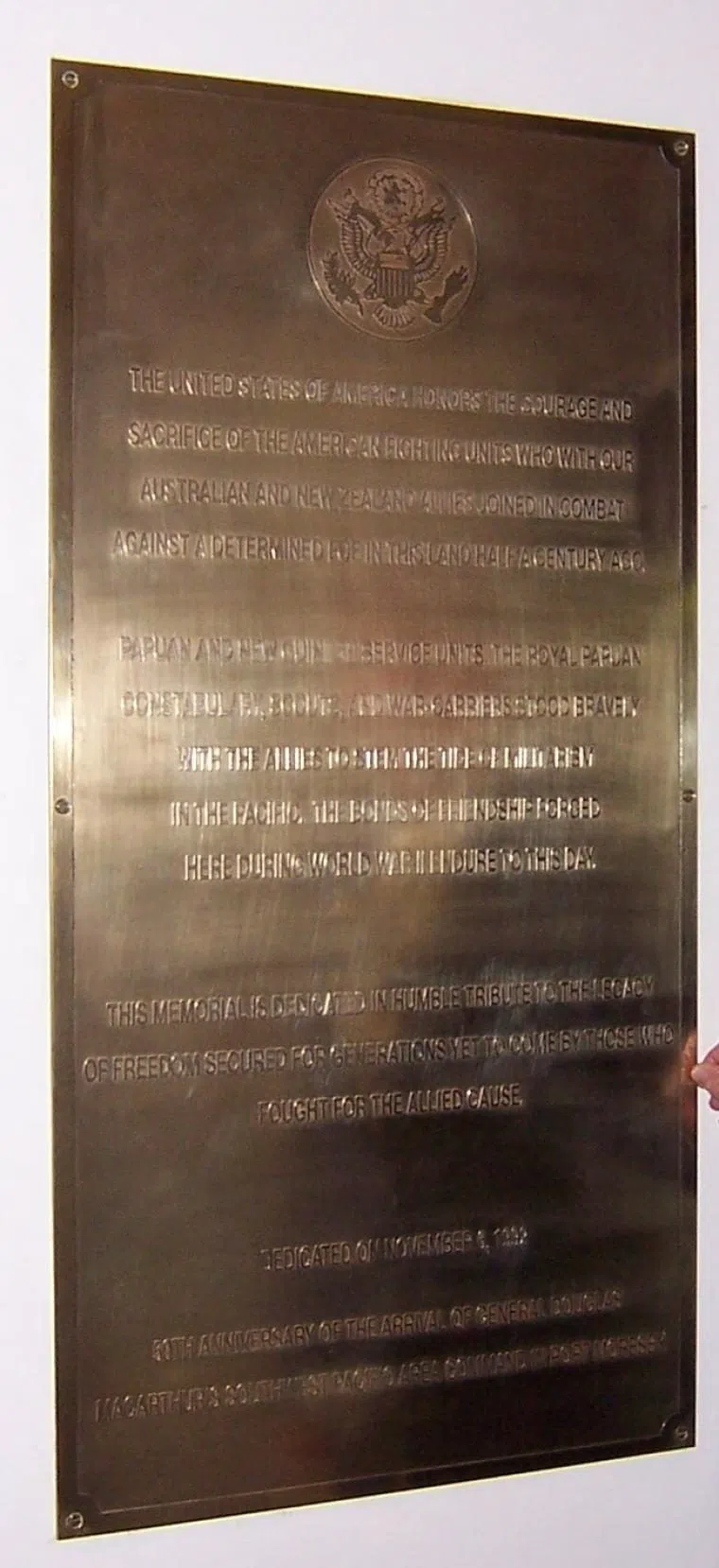
Entry is free and needs no booking, and the staff answer questions at no charge. It opens daily 09:00 to 17:00 and closes only on 1 January and 25 December. Private guided tours can be arranged for a fee, and a coach can reach it.
Two villas that need arranging first
Villa I Collazzi stands on the old via Volterrana out of Galluzzo, a 16th-century house designed by Santi di Tito. Symmetrical pietra serena loggias face terraced ground, a cypress avenue runs up to a circular cypress riding ring, and below the house lie a formal geometric parterre and Pietro Porcinai's 1938 modernist lawn with a rectangular pool edged in yellow and grey quartzite.
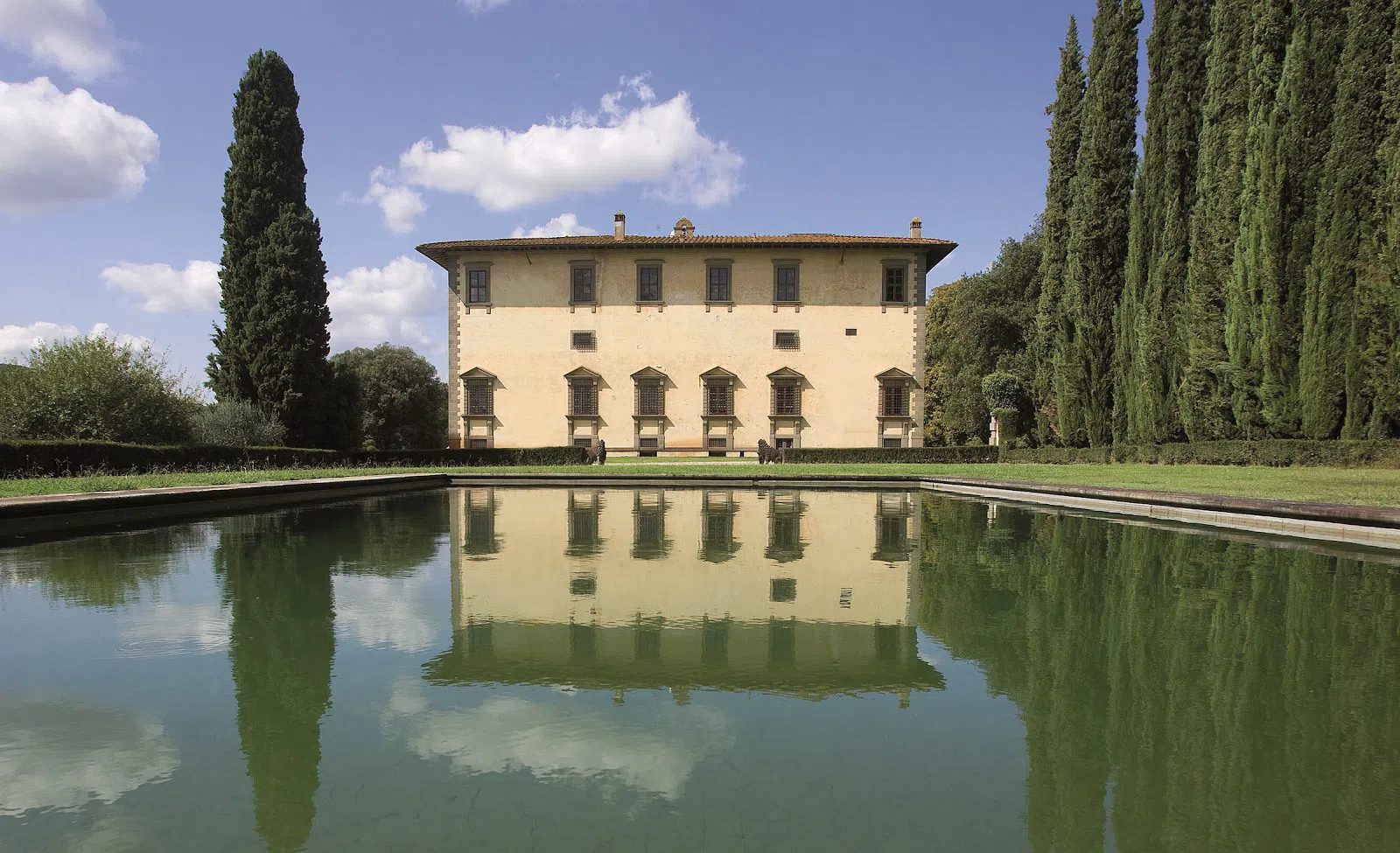
It is a private house with no ticket desk and no public tariff. Visits happen by appointment and with permission, by writing to [email protected], and a refusal without a prior arrangement is normal. The weddings and large private events it takes are how most outsiders get inside the gates.
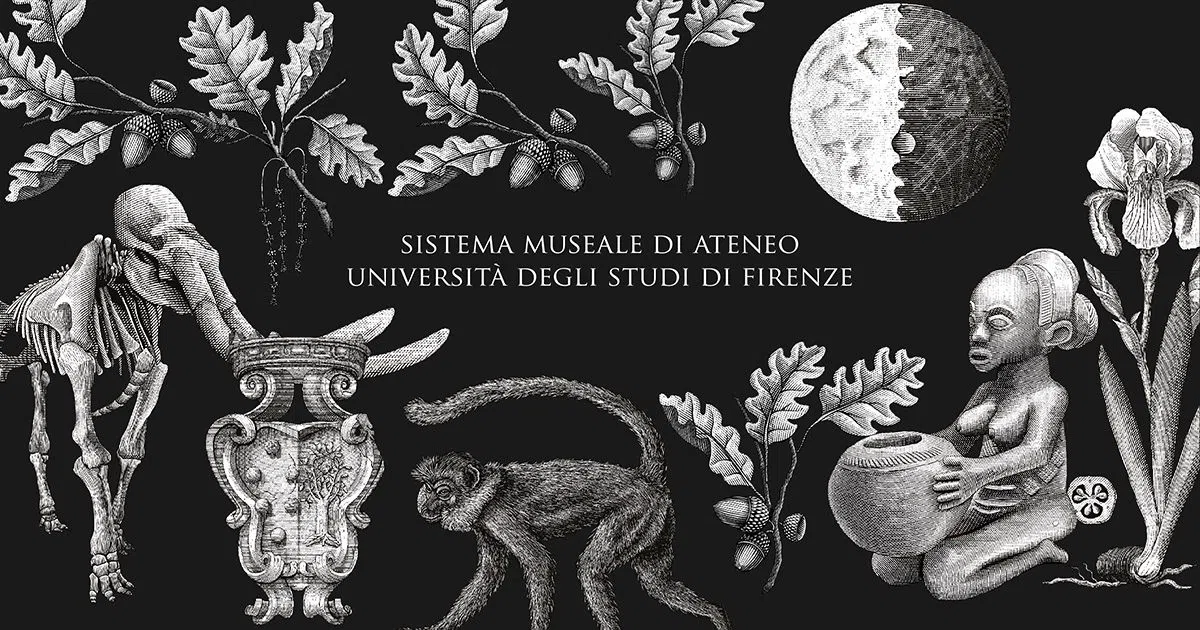
Villa Il Gioiello, also called Villa Galileo (via Pian de' Giullari), is 2.5km over the hill on the Arcetri ridge. Galileo spent his last decade here under house arrest. The building is a modest ochre-washed farmhouse-villa with a shallow loggia and shuttered windows, olive terraces dropping away beneath it and the domes of Florence hazy in the distance. Visits are guided and normally reservation-only, through the university museum system on +39 055 2756444. Scheduled open weekends, clustered in early summer and September, run free hourly tours with no booking, and each slot holds few people.
Eating around the monastery
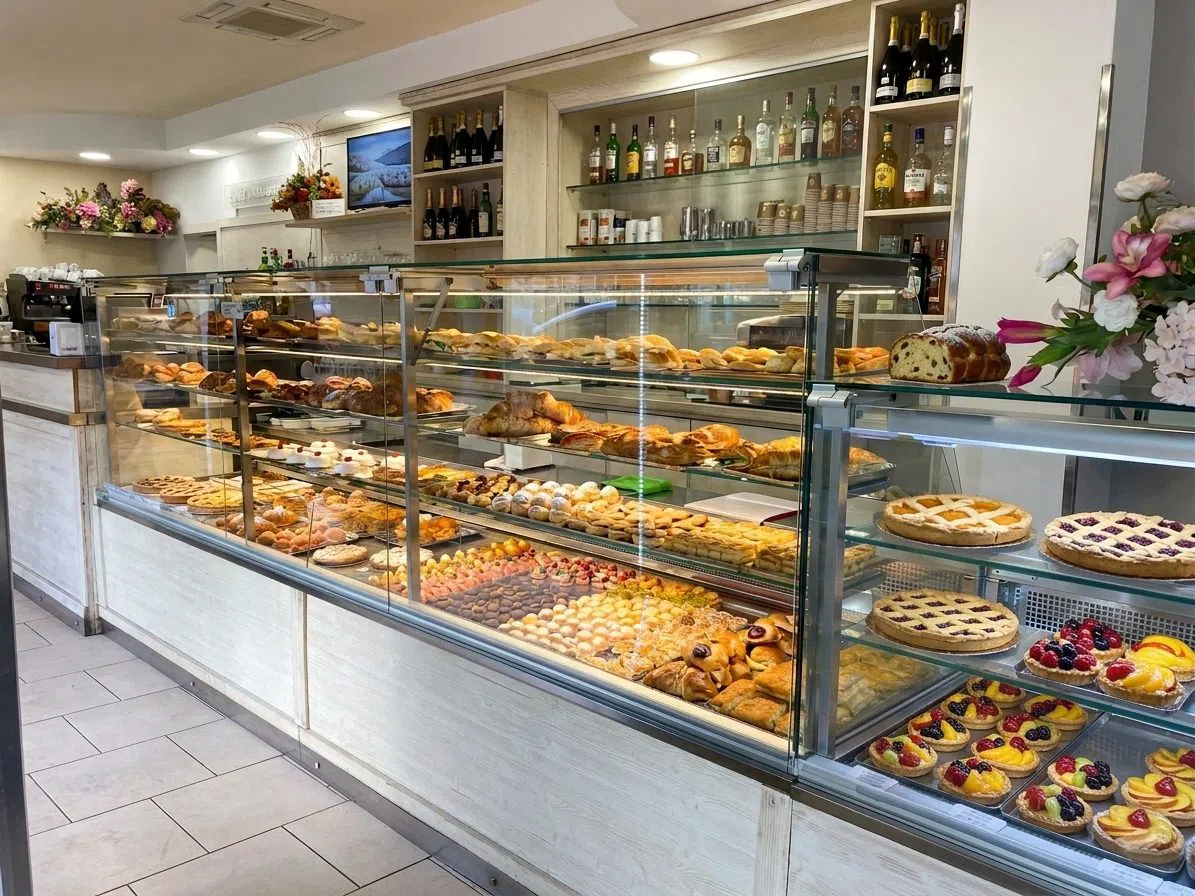
Pasticceria Ruggini has baked on the corner of piazza Niccolò Acciaioli since 1914, and the doors open at 06:00 from Wednesday to Monday. Glass cases hold fresh and dry pastries and pralines, celebration cakes sit on the back shelves, and the kitchen takes advance orders for the big ones. Coffee is €1.50 and pastries €2 to €4. Closing is 19:00 to 20:00, and 18:30 on Sunday. Tuesday is shut, which is also the first day of the Certosa's tour week.
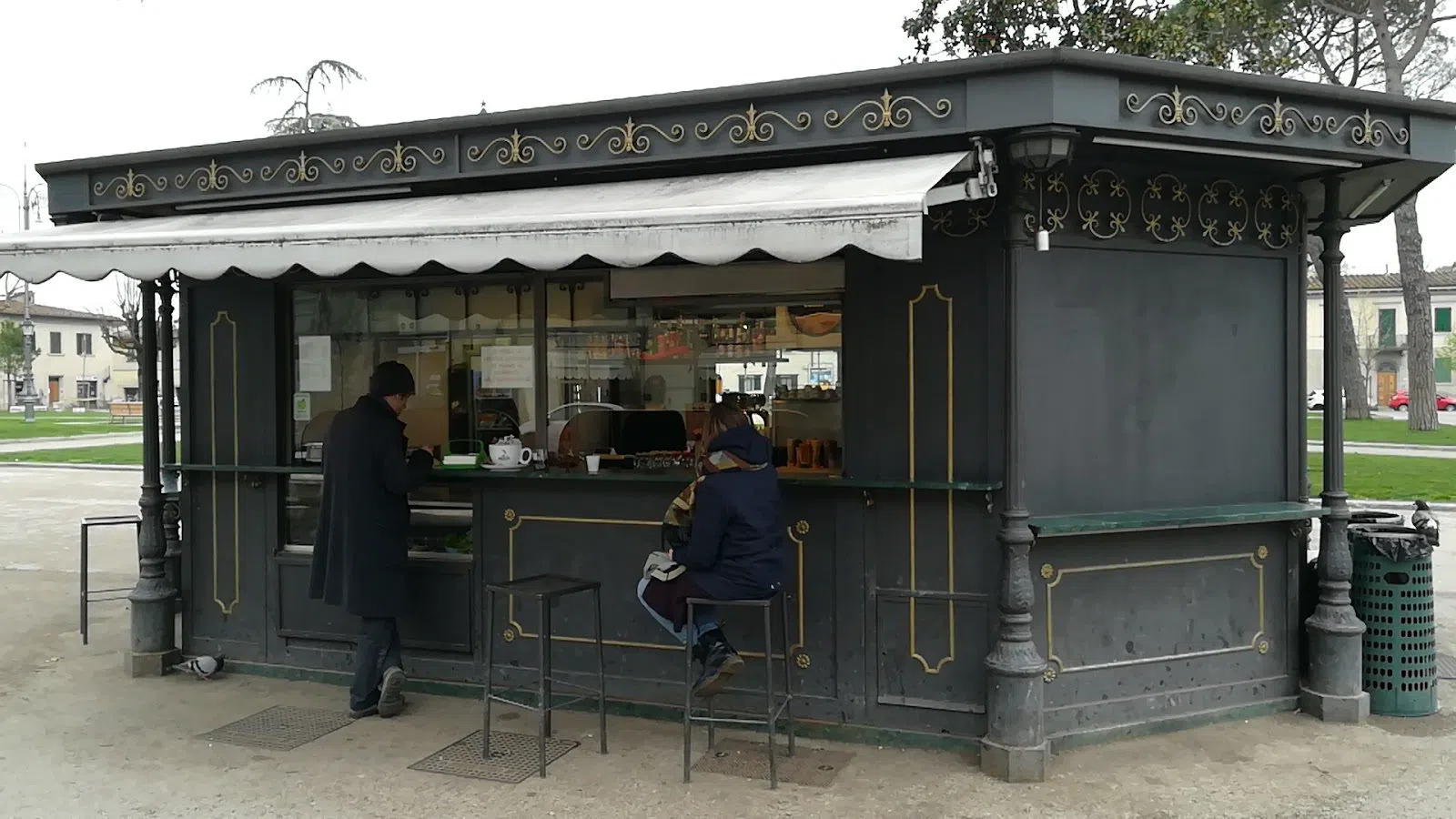
Chiosco del Galluzzo keeps a pot of tripe broth steaming behind the hatch of a freestanding kiosk in the middle of piazza degli Acciaiuoli, panini stacked beside it and a few stools on the paving. A lampredotto panino is €5 to €7, alongside simple Tuscan plates. It trades 08:00 to 20:00 Monday to Friday, with a short Saturday and nothing on Sunday. Weekday lunch is when it works.
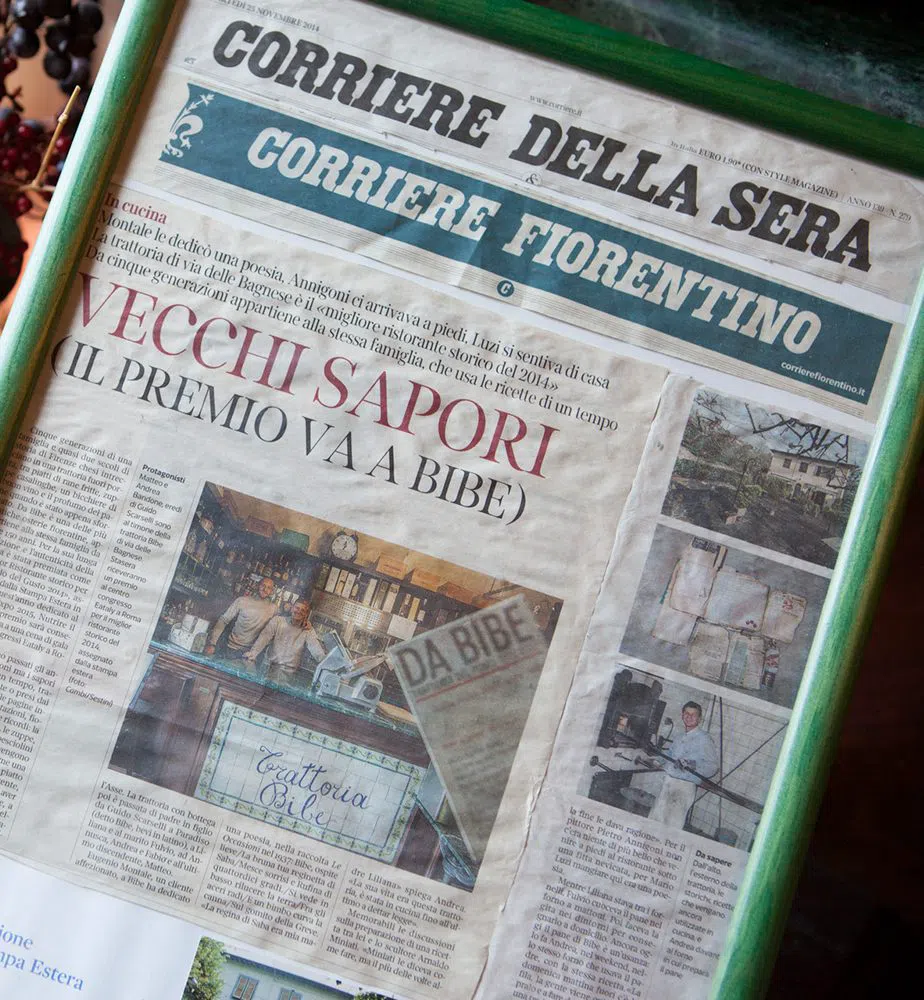
Trattoria Bibe (via delle Bagnese) has stayed in the same hands for more than 150 years, and local families have held weddings and christenings in it for generations. The kitchen does fried chicken, pappardelle and Tuscan salumi, with river fish taken from the Greve itself. You eat in an old countryside house of dark wood and crowded framed pictures, or from spring to autumn in the garden under mature lime trees. Dinner starts at 19:30 Monday to Friday, lunch is added on Saturday and Sunday, and Wednesday is closed. A meal is €30 to €40 a head, and personalised set menus are agreed in advance for a dinner booking.
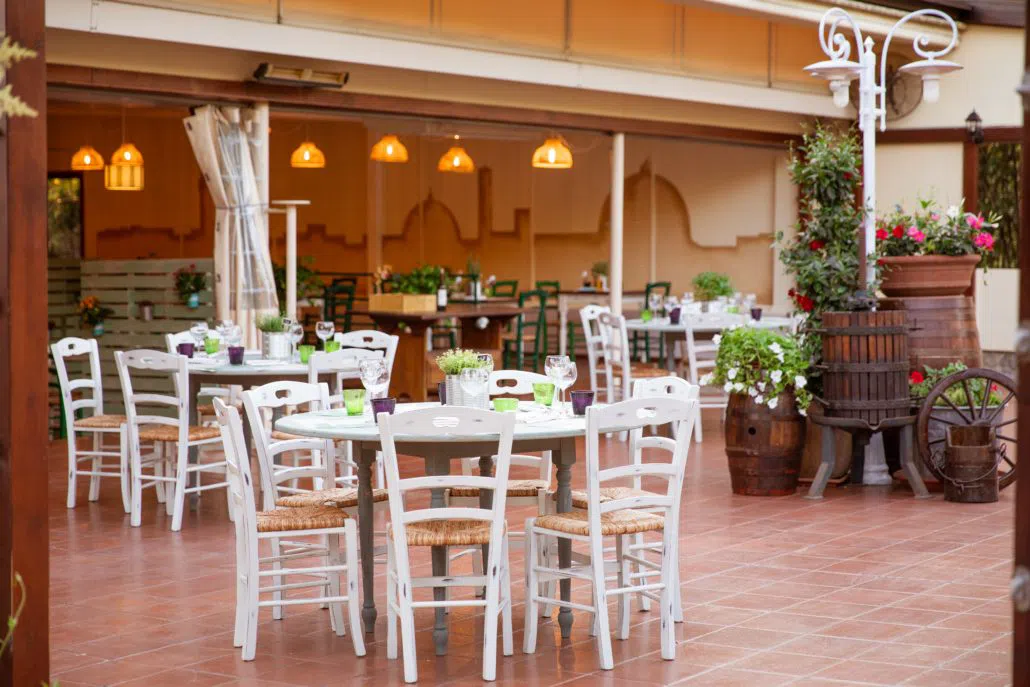
Antico Ristorante La Certosa (Via Cassia 1) faces the monastery directly, with indoor rooms and a garden looking straight across at the hill. Tuscan standards and pizza come to €25 to €35 a head. In front of it lies a video-monitored gravel car park of more than 5,000 sqm, built for tour coaches. Lunch here on either side of a tour slot takes no planning at all.
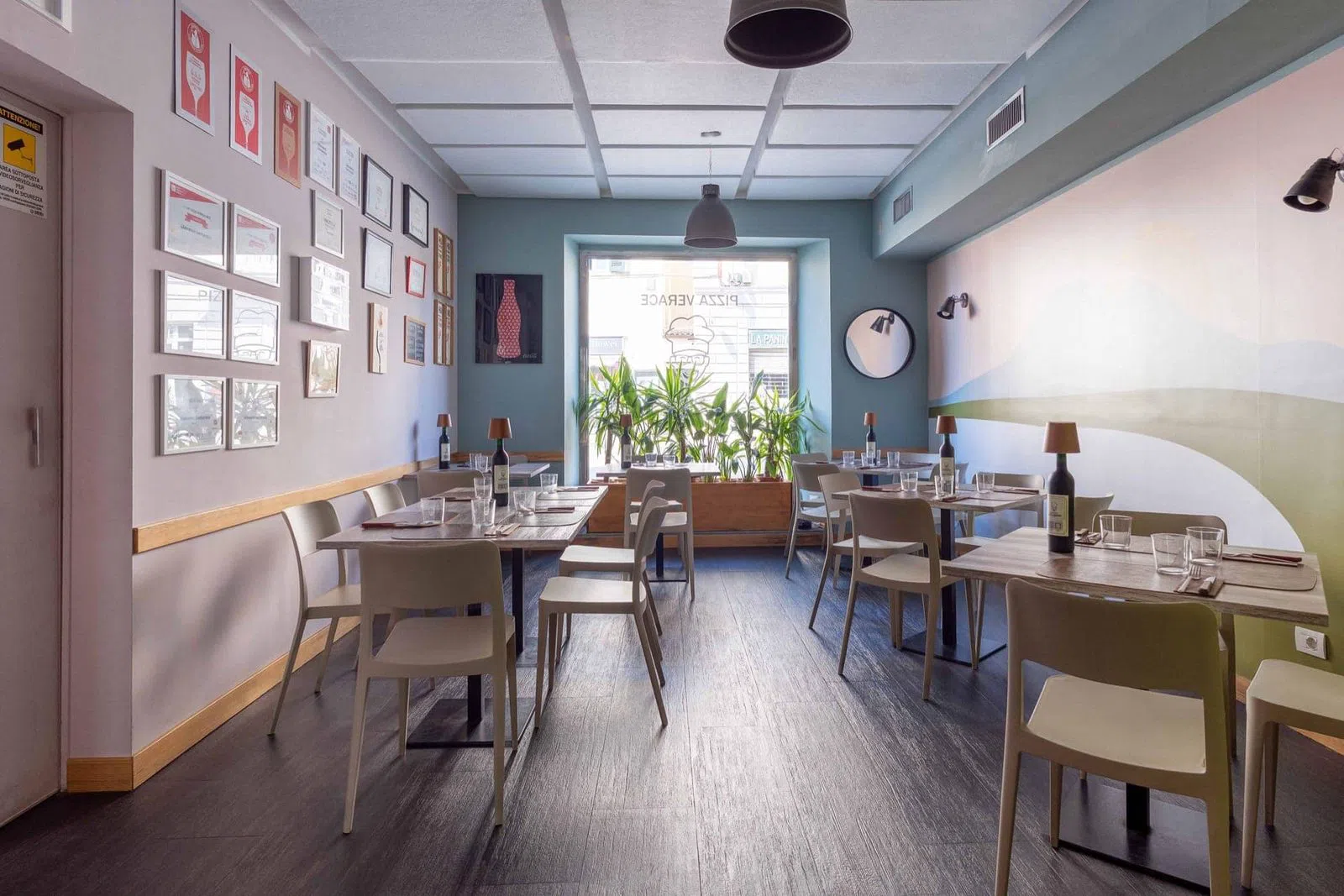
Pizzeria Giovanni Santarpia (Via Senese 155/r) came 44th in 50 Top Pizza Italia 2026 and holds Tre Spicchi with 92 points from Gambero Rosso. Pale puffed cornicioni come off wooden peels from a wood-fired dome oven behind an open counter, out into a plain modern dining room. Pizzas are €12 to €18. Service is dinner only, 19:15 to 23:00, and you book ahead on 055 936 0052. Check the address before setting out, because Via Senese 155/r sits on the Due Strade stretch of the Galluzzo road, outside the village. The kitchen also runs pizza-making classes and caters off-site with its own oven, dough and kit.
Beds between the Certosa and the ridge
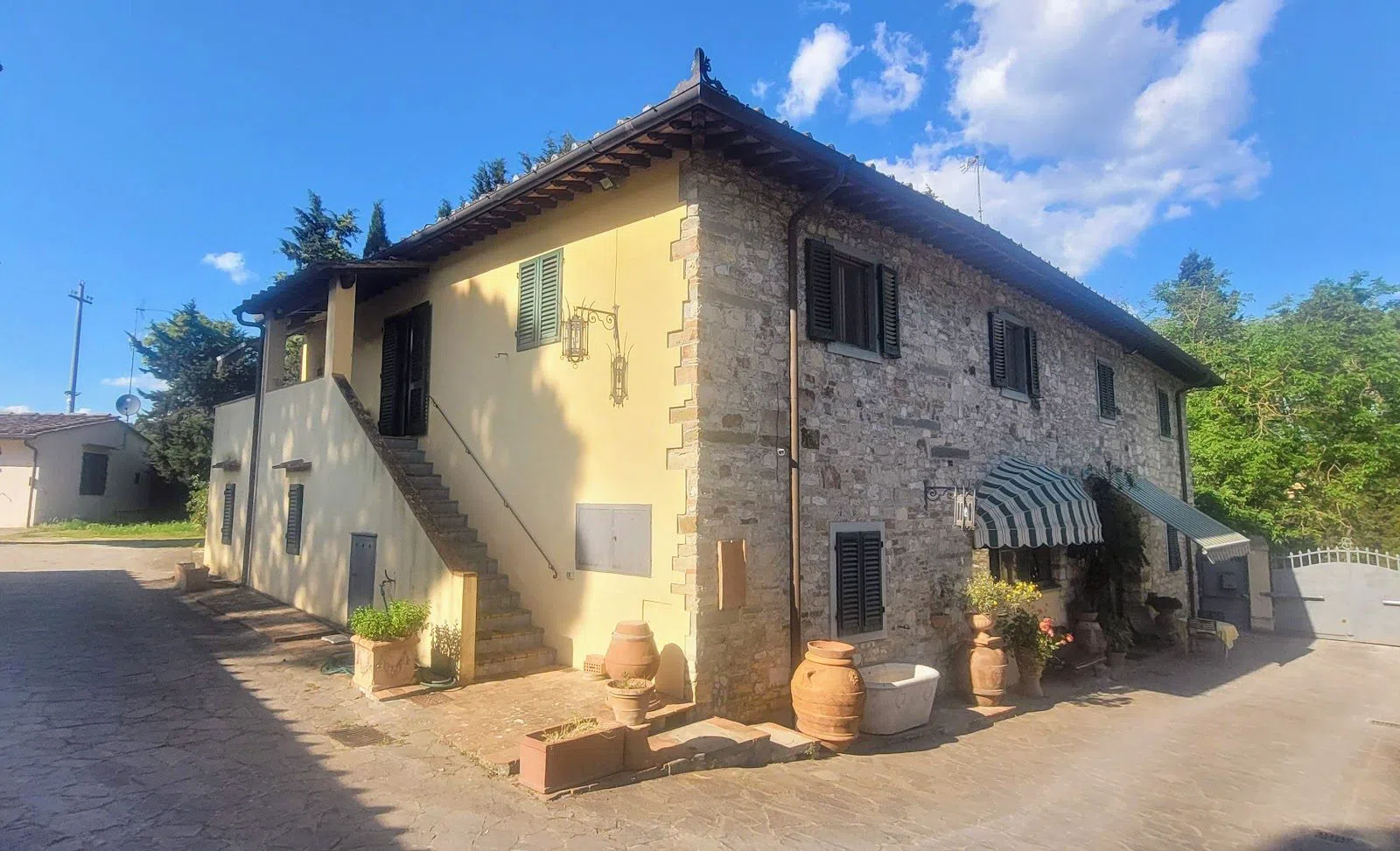
La Fattoressa is a working smallholding 300m below the monastery's walls, a stone farmhouse standing among vegetable rows and fruit trees. There are nine rooms, beamed and rustic, and breakfast is homemade, laid on a scrubbed kitchen table. Angelo's welcome does as much work as the food. Rooms run €80 to €110 a night, and you should book well ahead. The bus into Florence is a short walk away and the ride takes 15 minutes.
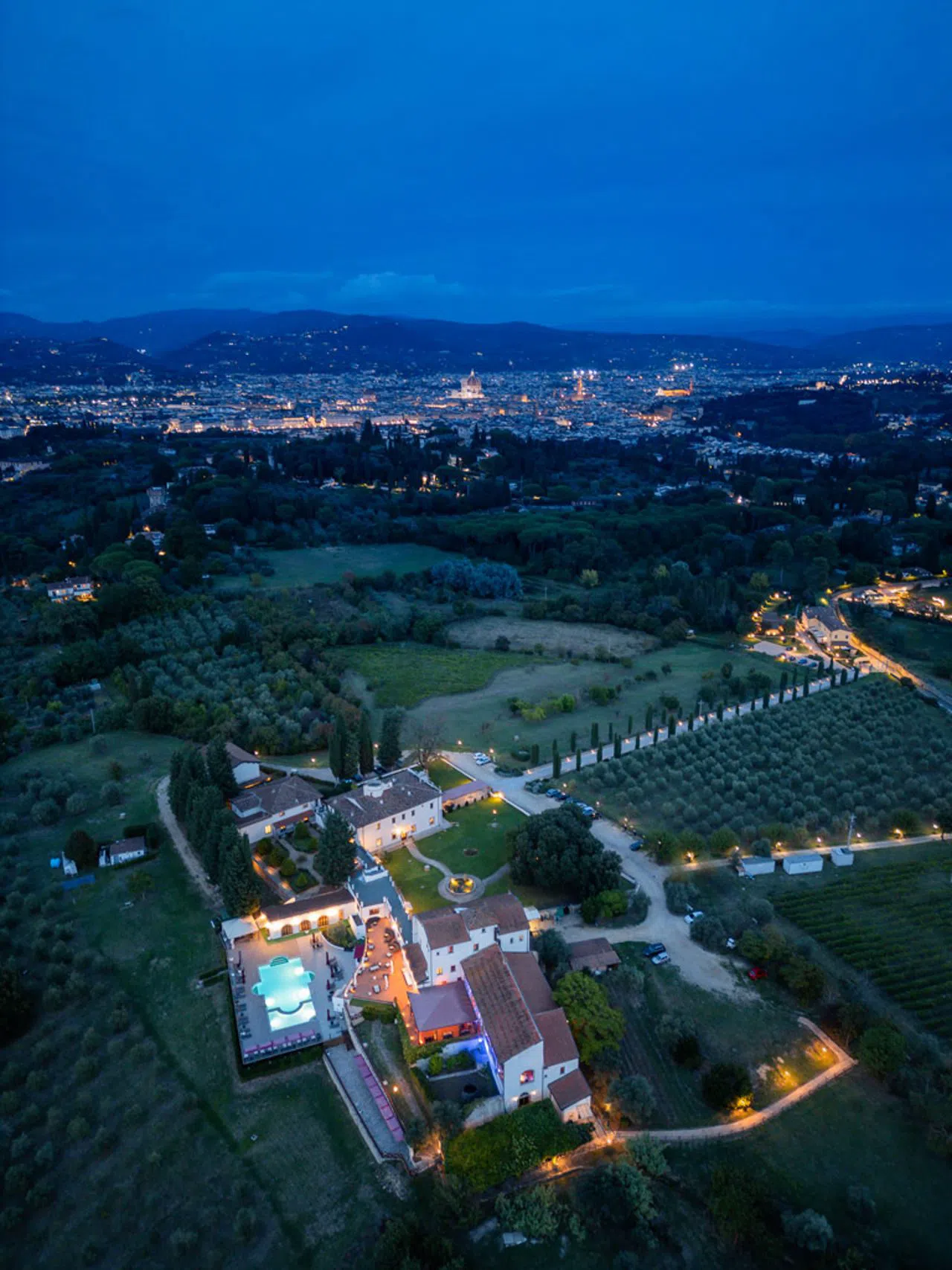
Villa Tolomei Hotel & Resort (Via Santa Maria a Marignolle) is a restored Renaissance villa on the Marignolle ridge immediately above Galluzzo, open through 2026. The public rooms are vaulted and frescoed, and the pool sits on a terrace above olive groves and vineyards with the Florence skyline beyond. The hotel has 30 rooms and suites plus event and conference space, and a night frequently passes €300. Book early in high season, and plan on a car or the shuttle.
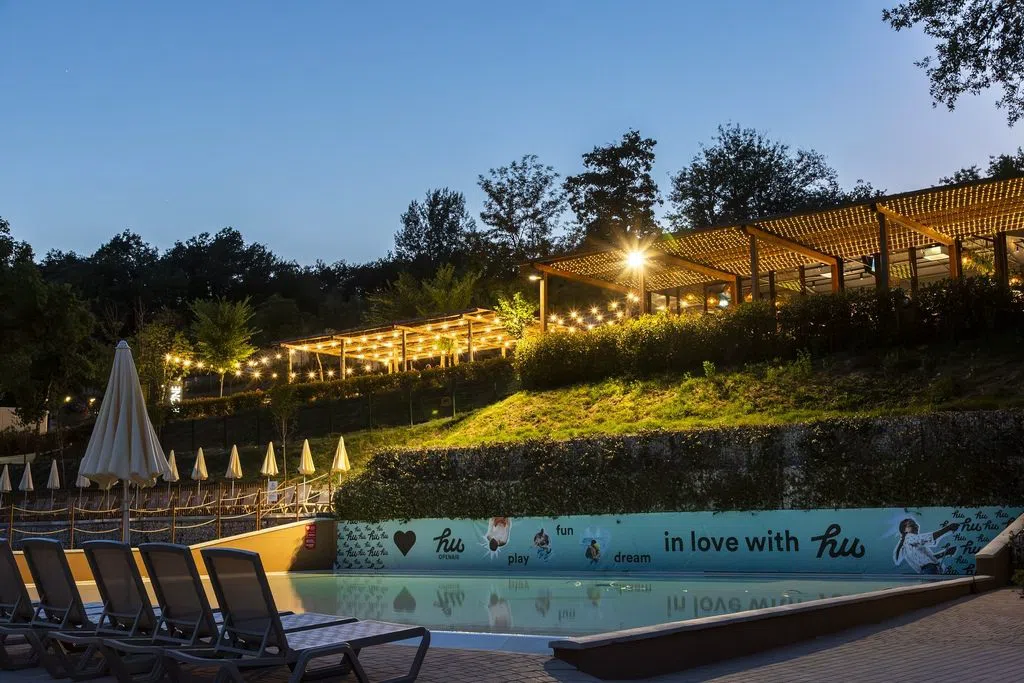
hu Firenze Certosa camping in town (Bottai) is the renovated and rebranded Camping Village Internazionale Firenze, now under Human Company's hu brand, and it opens all year. Terraced pitches and rows of white mobile homes sit under pines and olives, with the Certosa's hilltop silhouette on the ridge above. On site are a pool deck, restaurant, bar, pizzeria and market. With 220 pitches and 58 mobile homes, it has room for a large group, which little else around Galluzzo does. Pitches and mobile homes run €30 to €60 a night by season. The site is 5km from the centre, and bus 37 goes from the Firenze Bottai stop, 10 minutes' walk away.
Closed days and bookings
Monday closes the Certosa, Tuesday closes Ruggini and Wednesday closes Bibe, and a July or August monastery visit has to fall on a weekend. Book the Certosa tour if there are five of you, reserve Santarpia and Villa Il Gioiello, and write to I Collazzi before you arrive.
See the Florence guide and the Florence hotel search.
Before you go
When can you get inside the Certosa del Galluzzo?
The interiors open only on the hour-long guided tour: 10:00, 11:00, 15:00 and 16:00 Tuesday to Saturday, 15:00 and 16:00 on Sunday, plus a 17:00 slot from April to October. There are no tours on Monday, and in July and August they run on Saturdays and Sundays only.
Do I need to book the monastery tour?
Groups under five can turn up a few minutes before a slot. From five people up, book through the form on the monastery's site, which has brackets for seven to 10 people and on up to 50 and more. The visit costs €10, and outside tour operators add €15 to €25 on top.
Is the Florence American Cemetery free to visit?
Yes. Entry is free and needs no booking, and the staff answer questions without charging for it. It opens daily 09:00 to 17:00 and closes only on 1 January and 25 December. You can arrange a private guided tour for a fee.
Can I visit Villa I Collazzi or Villa Il Gioiello?
Villa I Collazzi is a private house with no ticket desk: write to [email protected] for an appointment and permission, and expect to be turned away if you have not arranged it beforehand. Villa Il Gioiello is guided and reservation-only, on +39 055 2756444, except on the scheduled open weekends in early summer and September, when the hourly tours are free and need no booking.
How do you get between Galluzzo and central Florence?
La Fattoressa is a short walk from the bus stop, and the ride into Florence takes 15 minutes. At the hu Firenze Certosa campsite in Bottai, 5km from the centre, bus 37 goes from the Firenze Bottai stop, 10 minutes' walk from the site.