The Florence issue
The Oltrarno Botteghe: Where Florence's Renaissance Never Ended
A working guide to Florence's surviving craft workshops — which take groups, which reward a couple, and how to book so the door actually opens.
By Élodie FournierFlorence beyond the Uffizi queue
By nine in the morning the Oltrarno still smells of the night before — damp stone, the first coffee from a bar not yet full, a thread of turpentine drifting from a doorway propped open to the cool. Cross the Arno away from the ticket queues and the crowds thin almost to nothing; what remains are rooms where people have been cutting, weaving, gilding and binding on the same few streets for centuries. This is a guide to visiting them the way they deserve — knowing which will happily take a group, which reward a quiet couple, and how to book so the door actually opens.
The title cheats a little, and I should say so plainly: a handful of the essential workshops sit on the north bank, a bridge or two away. I've kept them in because the craft is one continuous fabric across the river, and because skipping the oldest pharmacy in the world on a technicality would be absurd. Where you'll need to cross, I've said so.
Scent: the city's oldest trade
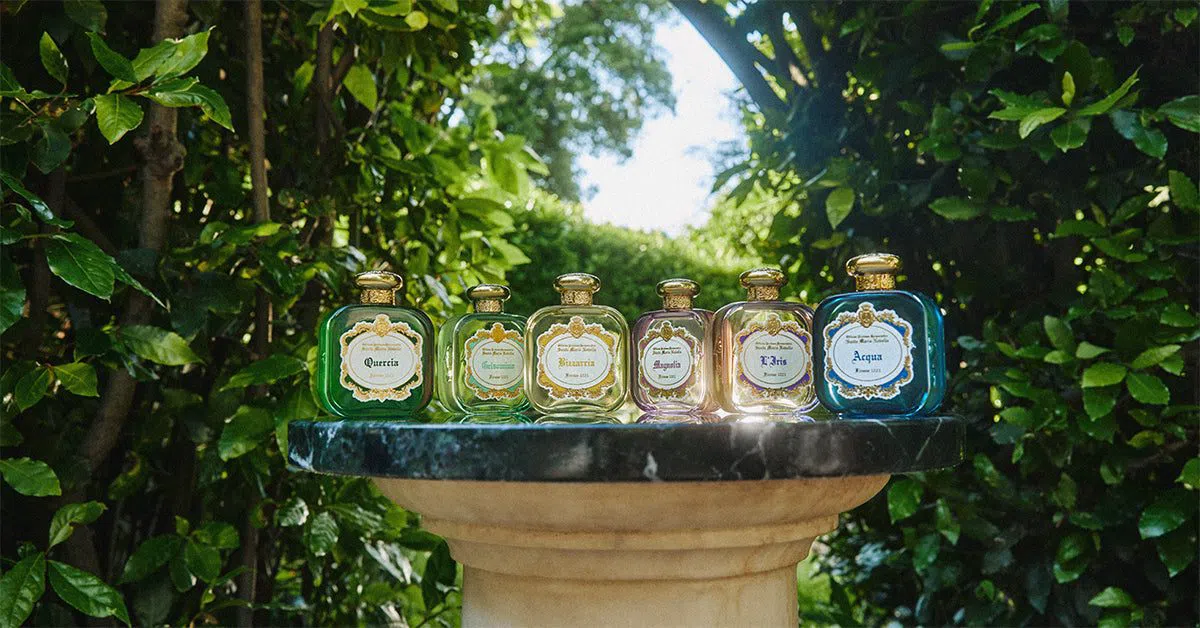
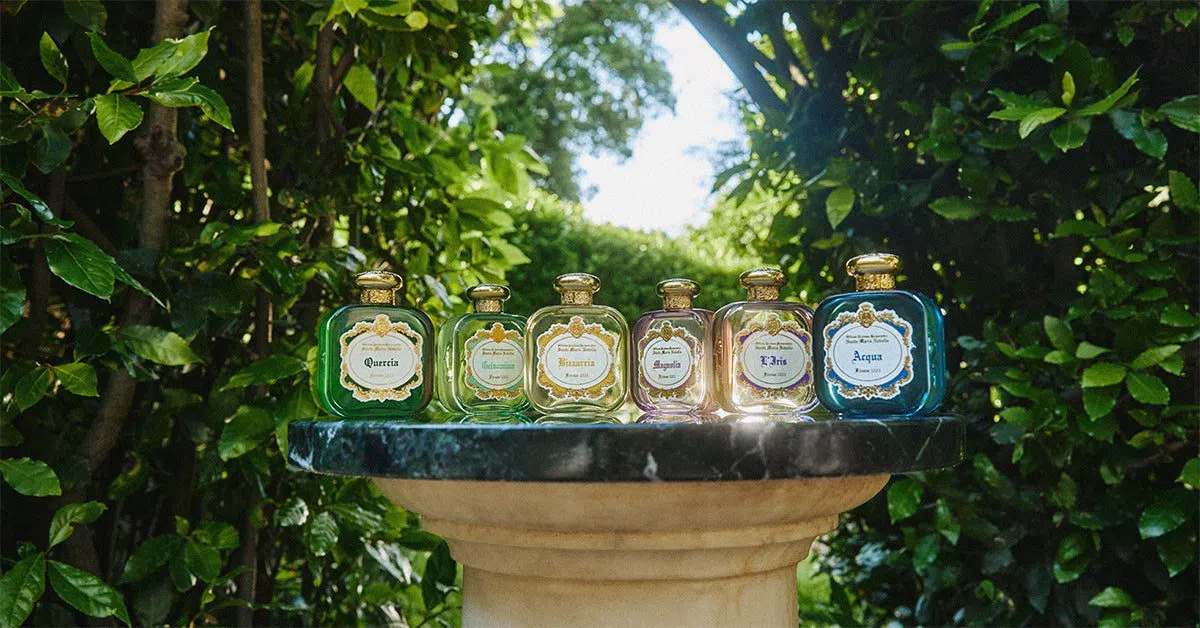
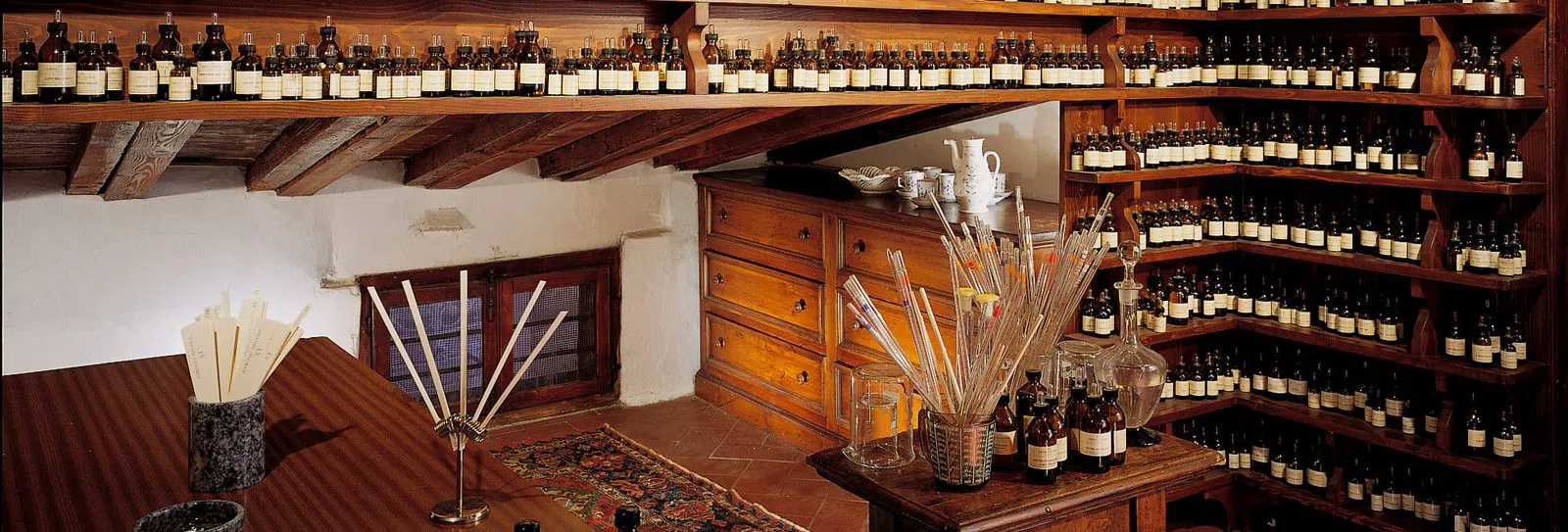
Start with the nose, early, before the coaches arrive. Officina Profumo-Farmaceutica di Santa Maria Novella (by the basilica of Santa Maria Novella, north of the river) is the one deliberate crossing I'll ask of you. Founded by Dominican friars in 1221 and still working, it is more shrine than shop: frescoed halls, glass cabinets, the low churchy hush of a place that has outlived every empire that ever taxed it. Entry is free and walk-in groups are welcome in the vast rooms, though the experience is a browse-and-buy one rather than anything hands-on; the products sit at the upper end (€€€). If you want to understand the herbs rather than just smell them, small groups can book a guided herbal or scent tour ahead. Come at opening, when the morning light is still doing the work the electric lamps take over by noon.
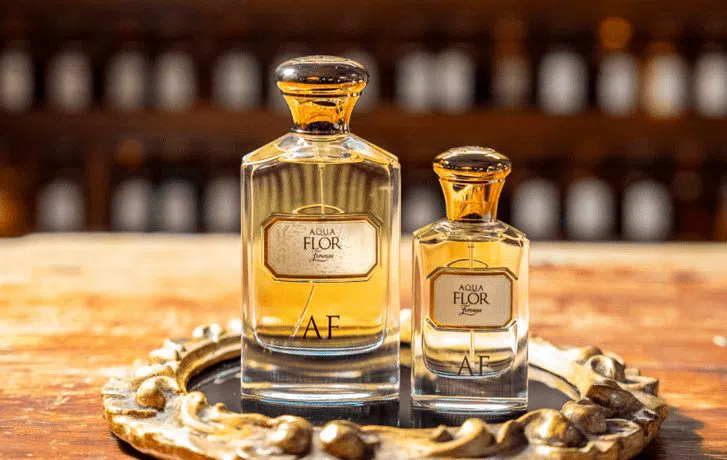
For the hands-on version, cross back and walk to Aquaflor Firenze (in Santa Croce), where the real perfume-making happens. Their small-group and private blending workshops — by reservation, roughly €180–250 per person — sit you down beside a master perfumer to build and bottle your own scent, and you leave with a 100ml bottle that is genuinely yours. This is the best practical perfume experience in the city and it suits couples and small groups equally; the shop runs €€–€€€ if you'd rather just buy. Larger tasting tours can be arranged through partner hotels, which is worth knowing if you're travelling in numbers.
At the top of the craft — and the price — is Lorenzo Villoresi (on the Oltrarno riverfront), the atelier of one of the world's most respected independent noses. Everything here is by appointment only: small groups, a museum-and-tour experience (€€), or a bespoke consultation that runs to €€€€ for a perfume made to you. The rooftop botanical garden, with the river laid out below, is the reason to time this one for late afternoon. It's an intimate space, better for a couple or a serious buyer than a large party — don't arrive expecting to be squeezed in.
Plan your Florence trip
Live prices from our booking partners.
Free cancellation on many rooms. We may earn a commission when you book.
Leather, cut and stitched
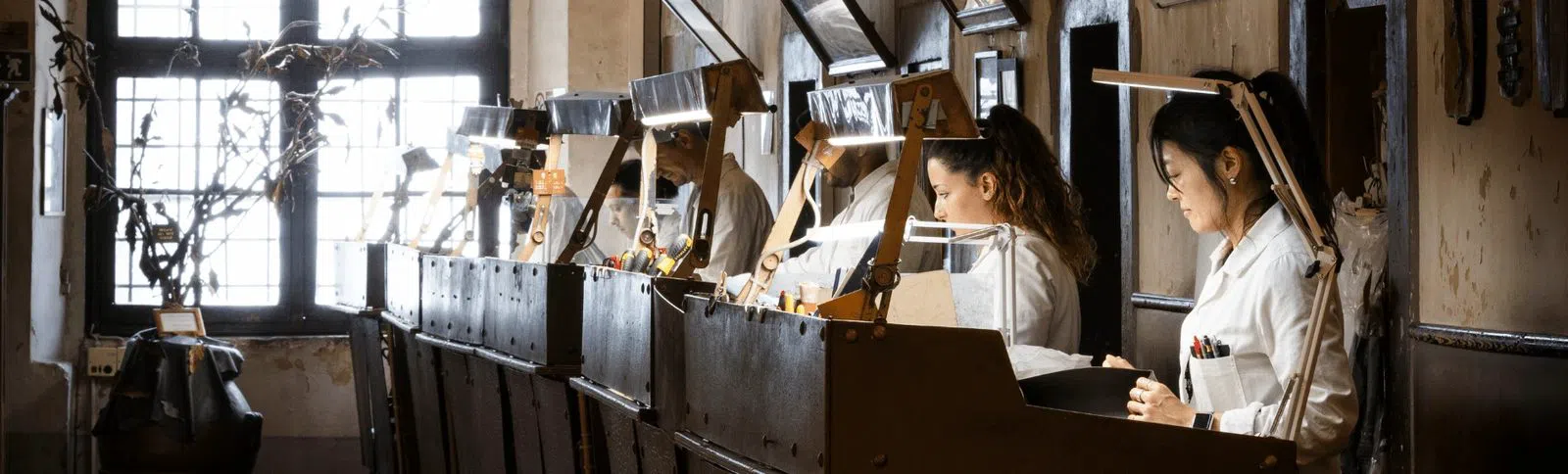
Leather is the trade most Florence visitors think they know, usually from a market stall. The real thing is quieter. Scuola del Cuoio (inside the Santa Croce monastery complex, north of the river) was founded in 1949 by Franciscan friars to teach the craft, and it remains the most welcoming leather stop in the city precisely because it was always meant for outsiders. You can browse the workshop for free, watch artisans burnish and gild, or book a 3- or 6-hour drop-in workshop (around €120–250 per person); bespoke short courses can be arranged on request. Of everywhere on this list, this is the place genuinely set up to take a group without strain.
A short walk into Stefano Bemer (in San Niccolò) shifts the register entirely. This is bespoke shoemaking of the old, patient kind — the workshop where Daniel Day-Lewis once apprenticed — set inside a deconsecrated church whose vaulting alone justifies the stop. Small groups can visit to watch the artisans at their benches (free to visit); ready-to-wear runs €€€ and bespoke climbs into the thousands (€€€€), with multi-week academy courses for anyone serious enough to make their own. Come to watch and to understand, not to walk out with shoes the same day — that isn't how this works, and the honesty of that is the point.

Stone and gold
The hardest crafts to find, and the most quietly astonishing, work in stone and metal. Scarpelli Mosaici (in the Oltrarno) keeps alive the commesso fiorentino — pietre dure, pictures built from cut and fitted semi-precious stone so that landscapes and flowers seem painted until you lean in and see the joins. Renzo and Leonardo Scarpelli welcome visitors warmly, and the free guided tour of the workbenches is often led in person by the maker's daughter; it is one of the friendliest workshop visits in the city and costs nothing, though the finished works span €€–€€€€. Groups are fine here.
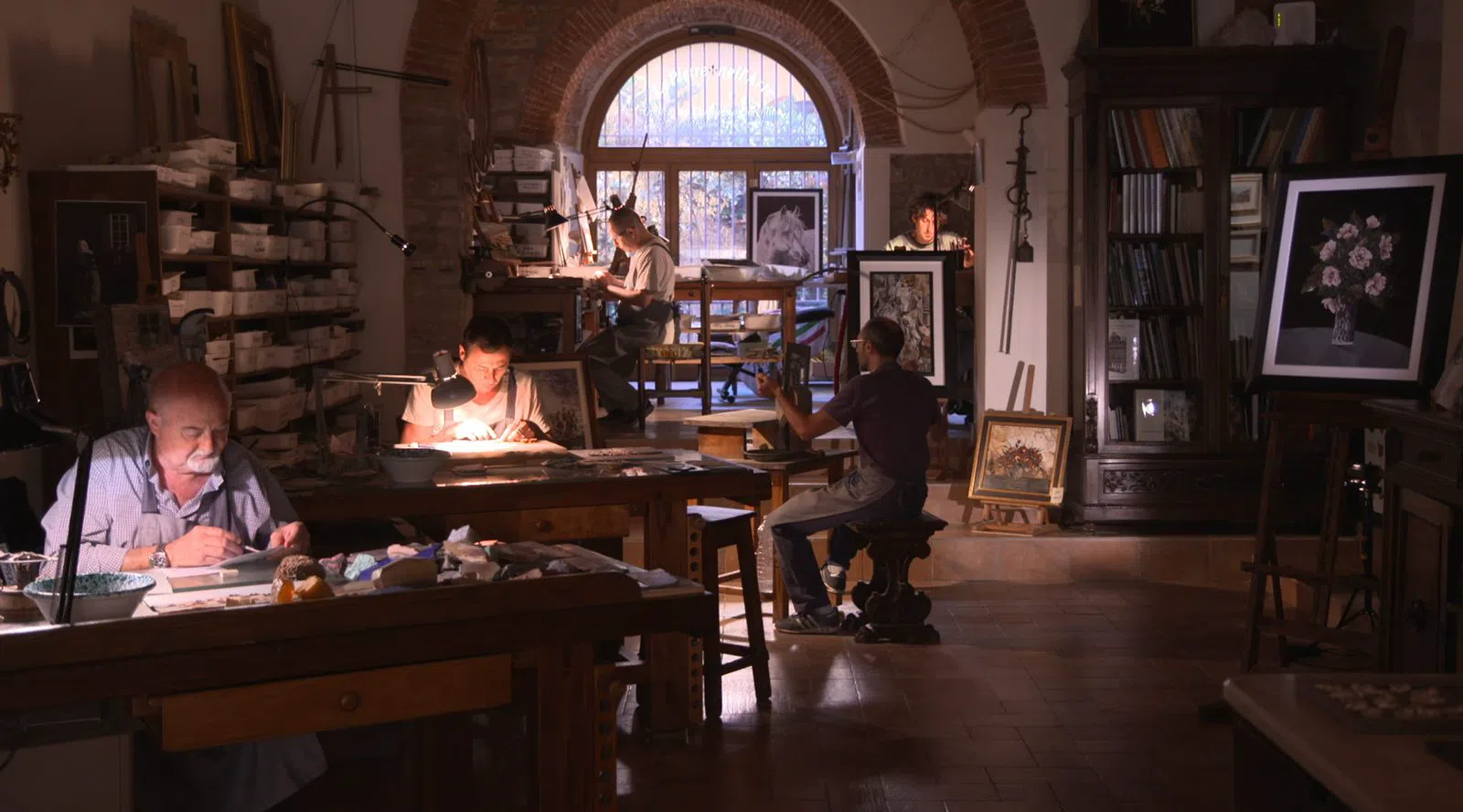
If you want to compare houses — and the two traditions repay comparison — I Mosaici di Lastrucci (near Santa Croce) is the quieter second option. The Lastrucci family welcomes groups inside their working studio to watch the process and see collections you won't find on display elsewhere; it's a low or donation-based visit, with pieces running €€€–€€€€. Between the two you'll understand why a single tabletop can take a year.

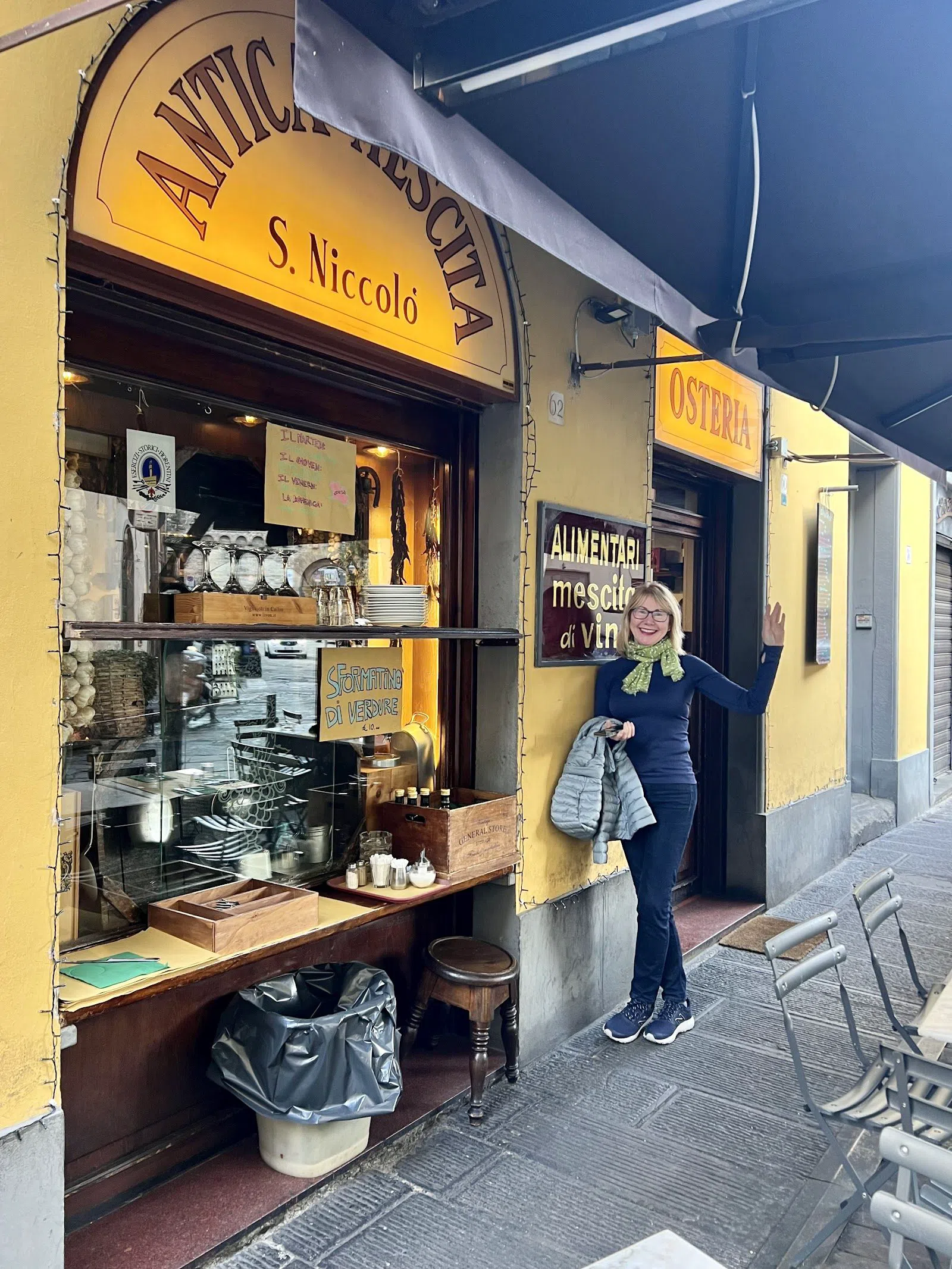
End the metalwork thread at Alessandro Dari (in San Niccolò), a master goldsmith who is also a classical guitarist, and whose state-recognised Museum-Workshop is one of the most theatrical rooms in Florence — low light, dark walls, jewellery displayed like reliquaries. It's free to enter and small groups are fine, but the space is intimate and staged, so a couple or a handful of people will feel it better than a crowd. Pieces run €€€–€€€€. Come toward the end of the day; the room was made for dusk, and Dari sometimes plays.
Silk, paper, and the bound book
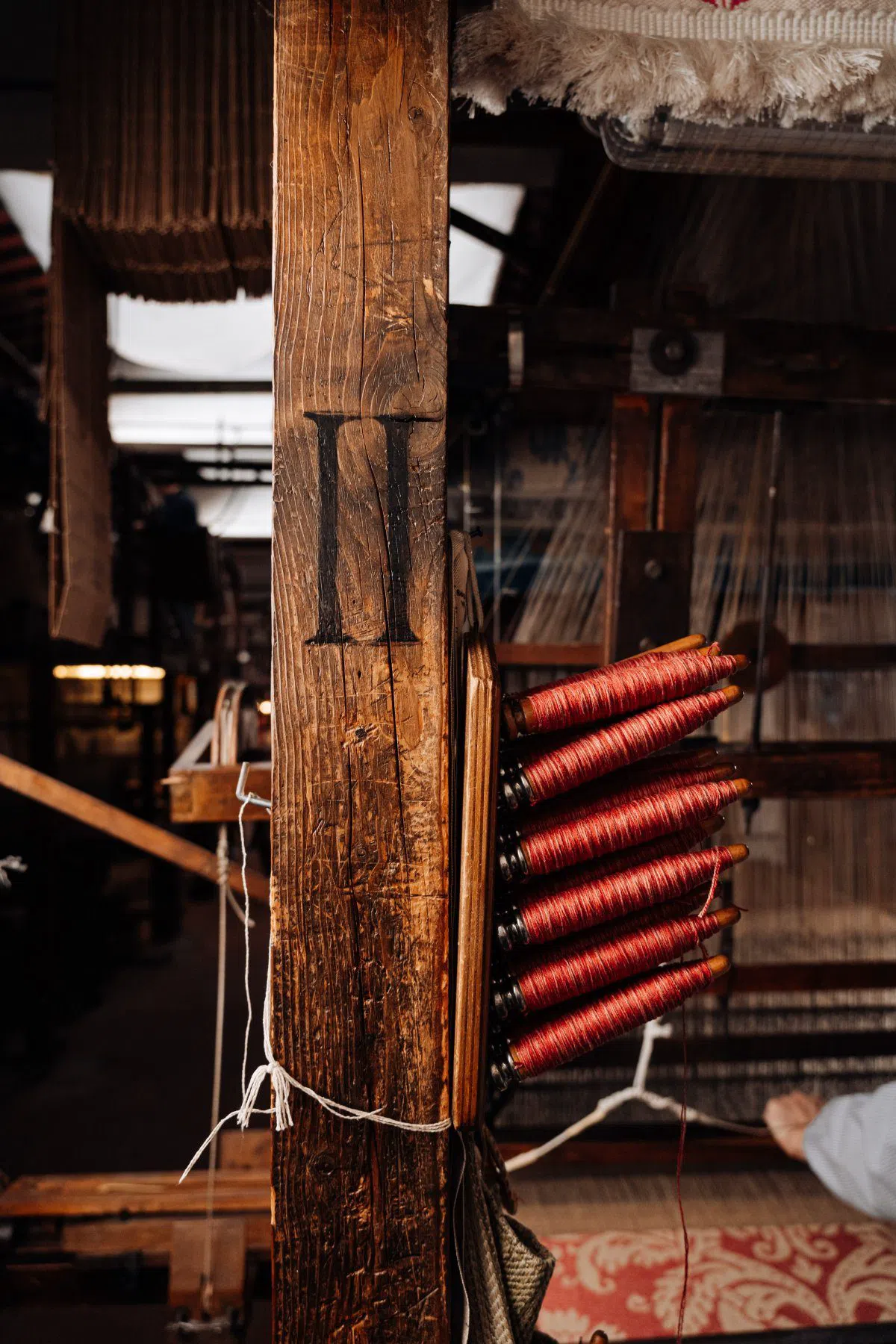
The soft crafts cluster tightly in the Oltrarno, which makes them easy to string into an afternoon. Begin, if you can secure a slot, at Antico Setificio Fiorentino (in San Frediano), a silk mill that has been weaving continuously since 1786 on looms that are themselves museum pieces — one of the last working mills of its kind anywhere. Visits are by appointment only, Monday to Friday, for small groups; a guided tour runs around €100 per person, hands-on loom experiences are bookable, and the fabrics sit firmly at €€€€. Book well ahead — this is not a place you can talk your way into on the day.

From silk to paper. Legatoria Il Torchio (in the Oltrarno, near the river) has been run since 2008 by the Canadian artisan Erin Ciulla, and it is a warm, genuinely hands-on bookbinding stop. Private and small-group binding classes run by reservation (roughly €60–120 per person), and you're free to browse the finished journals and boxes without booking. It suits individuals and couples best — the workshop is small, in the good way.
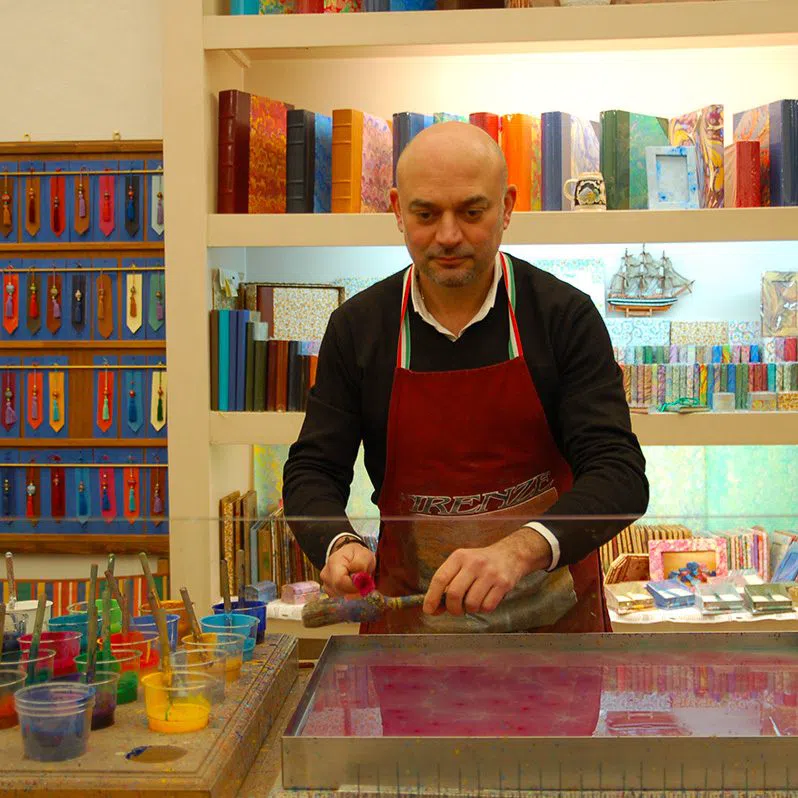
A few minutes on, Giulio Giannini e Figlio (on Piazza Pitti) is Florence's oldest paper house, trading since 1856 from a shopfront that faces the Pitti Palace across the square. A marbled-paper class here (around €60 per person, for individuals or small groups, with private sessions bookable) doubles as a history lesson; the goods run €€–€€€. Watching the colours bloom and comb across the size is one of those processes that looks like magic until you do it yourself and realise it's mostly patience.
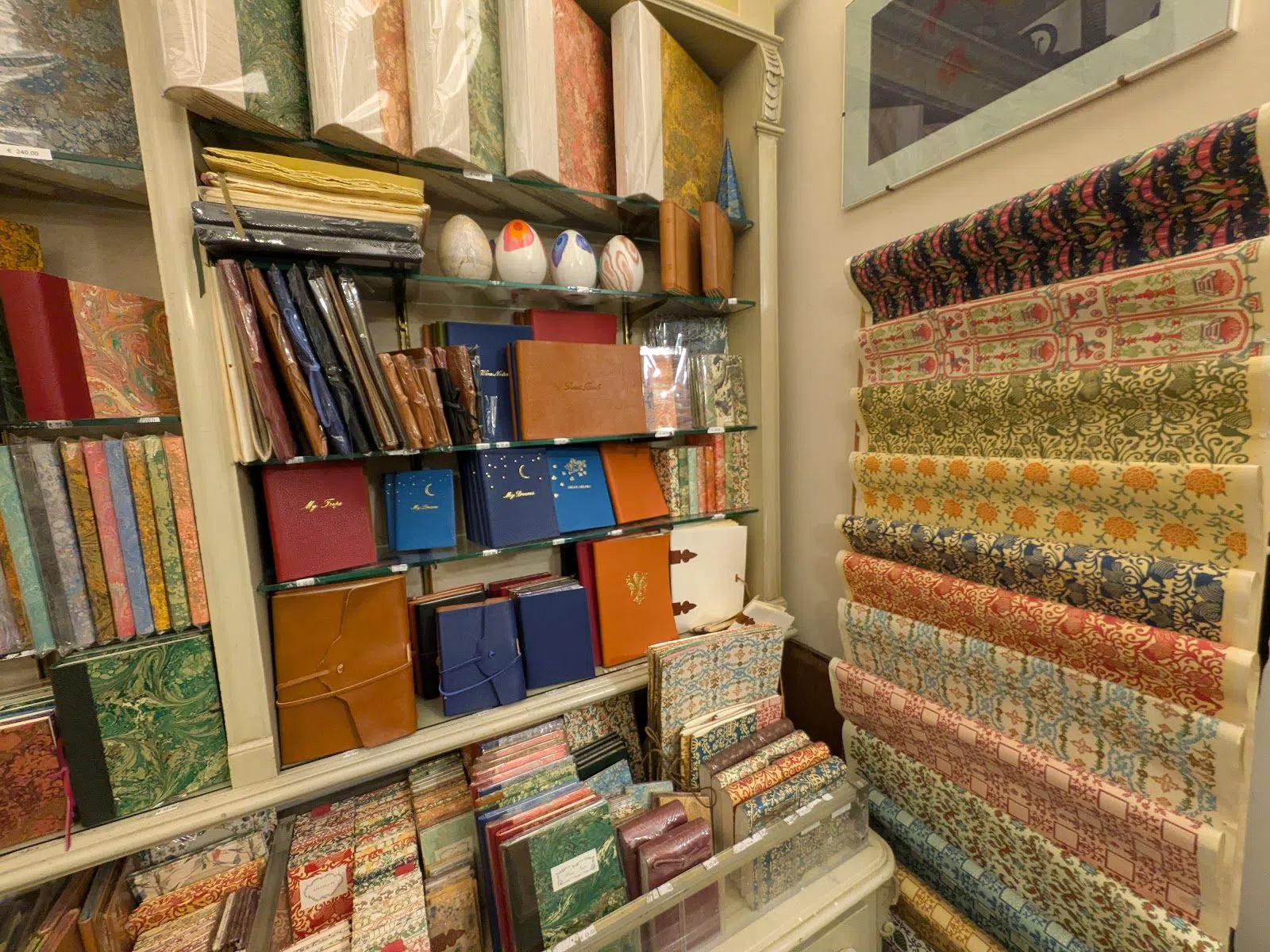
For the most relaxed version of the same craft, Riccardo Luci (in the Oltrarno) runs a tiny, kid-friendly studio with short small-group and family marbling sessions from around €25 per person. It's the most affordable hands-on hour on this list and the easiest to fit around a child's attention span — a good, unhurried, authentic stop when you don't want to commit half a day.
Fresco, and a wink at the present
Two workshops close the loop between the deep past and the actual present. Bottega del Bon Fresco (in the Oltrarno) teaches real buon fresco — pigment laid into wet lime plaster, the technique of the chapel walls, not the paint-a-tile souvenir version. The structured half-day group workshops (around €100–250 per person depending on length) send you home with your own finished plaster panel, and it's the most substantive art class here by some distance. Go in the morning, when the light is even and the plaster has the whole day to cure.
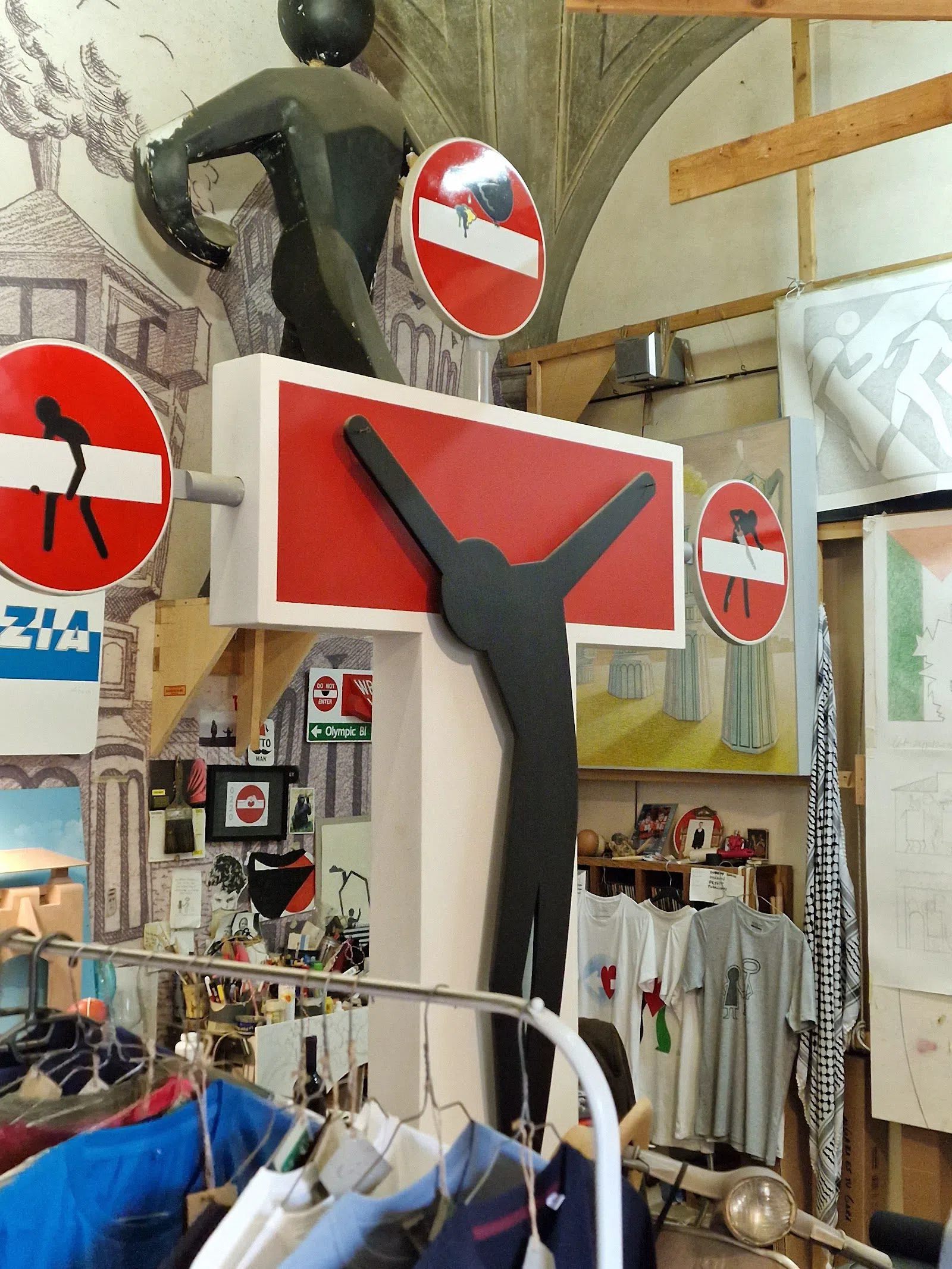
Then, for contrast, Clet Abraham Studio (in San Niccolò), where the French artist known for gently hacking Italy's road signs works in a compact space that's free to drop into. Small casual groups are fine; stickers and prints cost a few euros (€), original signs run €€–€€€, and Clet himself is often at work and confirmed active in 2026. After a day of Renaissance patience it's a cheerful, deliberate jolt — proof that the Oltrarno is still making things, not just preserving them.
Planning the day
Getting around. All of this is walkable. From the centre, cross at Ponte Vecchio or the quieter Ponte alle Grazie and you're in the Oltrarno in minutes; the San Frediano and San Niccolò ends are a fifteen-minute stroll apart. You won't need a taxi, and a car is a liability in the restricted centre. Wear shoes for cobbles and small hills.
Booking and cash. Prices here are in euros. Many botteghe now prefer cards, but carry some cash for the smallest studios and donation-based visits. The appointment-only places — Antico Setificio Fiorentino and Lorenzo Villoresi above all — need to be arranged days ahead, sometimes more in spring and autumn; the drop-in visits (Santa Maria Novella, Scarpelli, Dari, Clet, browsing at Bemer and Scuola del Cuoio) you can fold in around them. Workshops usually take a deposit at booking, so read the cancellation terms before you commit.
Timing. Mornings belong to the quiet visits and the pharmacy, before tour groups thicken; late afternoon flatters the river-view ateliers. Many workshops close Sundays and some close Monday mornings, so anchor your appointment-only bookings first and build the free stops around them. A realistic day is two hands-on workshops plus two or three free visits — more than that and the crafts blur.
Budget. The range is wide and honest: several visits cost nothing (Santa Maria Novella's halls, Scarpelli, Dari's museum-atelier, Clet's studio, browsing Bemer and Scuola del Cuoio), hands-on classes run roughly €25–250 per person, and bespoke work — a Villoresi perfume, a pair of Bemer shoes, a Setificio commission — climbs into the thousands. Pick one thing to actually make and let the rest be looking.
For where to stay within walking distance of all of it, start with a Florence hotel search; the San Niccolò and Santo Spirito ends of the Oltrarno put you closest to the workshops. For everything else — the museums, the market, the walks — the wider Florence guide fills in around this one.
Before you go
Which Florence workshops can I just walk into without booking?
Several are free drop-in visits: the halls of Officina Profumo-Farmaceutica di Santa Maria Novella, Scarpelli Mosaici's guided bench tour, Alessandro Dari's museum-atelier, and Clet Abraham's studio. You can also browse Scuola del Cuoio and Stefano Bemer for free. Hands-on classes and the appointment-only ateliers must be booked ahead.
Where can I actually make something myself, not just watch?
For a custom perfume you build and bottle, book Aquaflor (about €180–250pp). For hands-on craft, Scuola del Cuoio runs leather workshops, Legatoria Il Torchio and Giulio Giannini teach bookbinding and marbling, Riccardo Luci offers family marbling from about €25pp, and Bottega del Bon Fresco teaches real buon fresco with a plaster panel to take home.
Are the Oltrarno workshops suitable for groups or better for couples?
Scuola del Cuoio, Scarpelli Mosaici, I Mosaici di Lastrucci and Bottega del Bon Fresco are genuinely set up for groups. Aquaflor and the marbling and bookbinding studios suit small groups and couples. Lorenzo Villoresi and Alessandro Dari are intimate spaces better for a couple or a serious buyer than a large party.
How far in advance should I book the appointment-only places?
Book Antico Setificio Fiorentino and Lorenzo Villoresi several days ahead, and more in spring and autumn. Both are appointment-only, and the silk mill only receives visitors Monday to Friday. Anchor these bookings first, then build the free drop-in visits around them.
How much should I budget for a day of Florence craft workshops?
Several visits are free, hands-on classes run roughly €25–250 per person, and bespoke commissions — a Villoresi perfume, Bemer shoes, an Antico Setificio fabric — climb into the thousands. A sensible plan is one thing you actually make plus two or three free visits.