The Florence issue
Day Trips From Florence That Don't Cost You Florence
Some of the towns, cellars and coastlines within reach of Florence are worth a day of a first visit. Others keep better for a second.

By Élodie FournierFlorence beyond the Uffizi queue
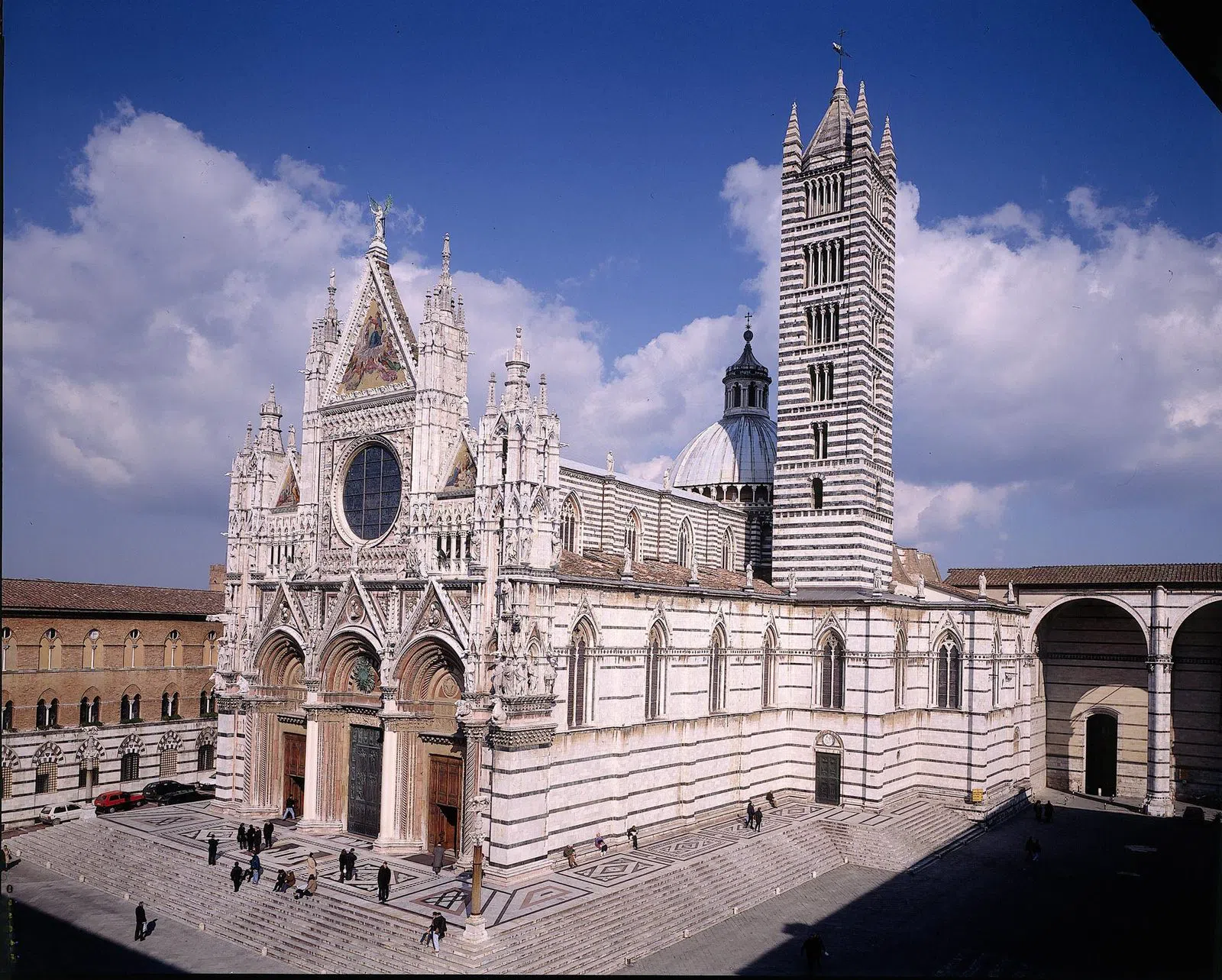
By eight in the morning the concourse at Santa Maria Novella has already sorted itself into two crowds: people going to work down the line, and people holding a folded map and a coffee they are drinking too fast. Florence sits at the centre of a rail and coach network that puts a dozen towns inside two hours, which is both the gift and the trap of a first visit. The city itself needs three unhurried days, and every trip out spends one of them. Some of those days repay the spend. Others are better kept for the second time you come.
If you only take one day out, take Siena
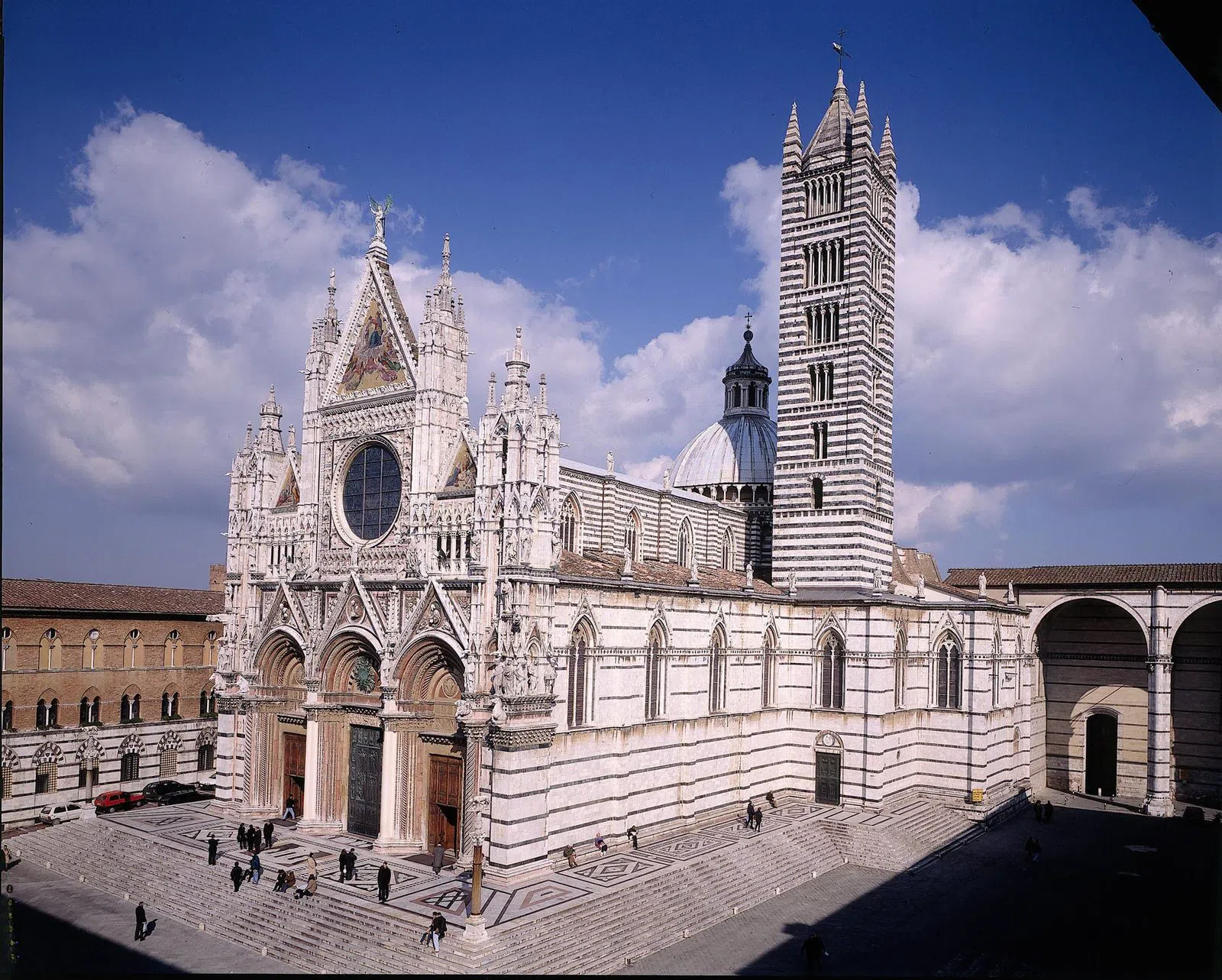
Give the day to Duomo di Siena and Piazza del Campo (the historic centre, a short walk from the coach drop near Piazza Gramsci). The 131R leaves from the bus station beside Santa Maria Novella and sets you down close enough to the Campo that you are in the square before you have finished orienting yourself. It is the rare medieval piazza people still sit down in the middle of; at nine it belongs to dog walkers and delivery trolleys, and by one o'clock in July the brick shell holds heat like a pan, which is the hour to be inside the cathedral instead.
The cathedral itself runs €5–8, and the OPA SI Pass (seven monuments over three days) is €14, rising to €16 in the windows when the inlaid marble floor is uncovered. In 2026 those windows are 27 June to 31 July and 18 August to 15 November. The dates matter more than they sound. For most of the year the floor is boarded for protection; uncovered, it turns the nave into a vast engraved diagram of prophets and sibyls you walk across rather than look at. If your trip falls in either window, weight Siena earlier in the week so you can go back if the queue defeats you.
Siena absorbs groups easily and group rates exist, but one thing does not scale: the Gate of Heaven roof walk is small-group timed entry and must be booked separately from the pass. Couples can often pick up a slot a day or two ahead; a party of twelve cannot.
Plan your Florence trip
Live prices from our booking partners.
Free cancellation on many rooms. We may earn a commission when you book.
Half a day out, dinner back in Florence
Two trips cost so little time that they slot into an afternoon rather than replacing a day.
Area Archeologica and the Museo Civico Archeologico sit at the top of Fiesole, twenty-odd minutes uphill on city bus 7 from Piazza San Marco. Entry to the archaeological area is €7, or €12 combined with the Museo Bandini (€8 reduced). No booking is needed for ordinary numbers, guided visits for groups are arranged on request, and because the site is open-air a coach party never jams it. Go in the last two hours of daylight: the Roman theatre faces the hills, the temperature drops, and the walk back down to the bus stop is the best twenty minutes of the day.
Pistoia Sotterranea (beneath the hospital buildings a few minutes from the Duomo square) is half an hour away on a regional train and needs no advance planning. The tour is about an hour, runs two to five times daily, and costs €15 booked online or €16 at the door; there is a dedicated group and school channel, so a party of fifteen simply takes its own departure. Above ground, the striped cathedral square is one of the calmer set-pieces in Tuscany, largely because nobody schedules a coach stop there.
Pisa is an afternoon, not a day
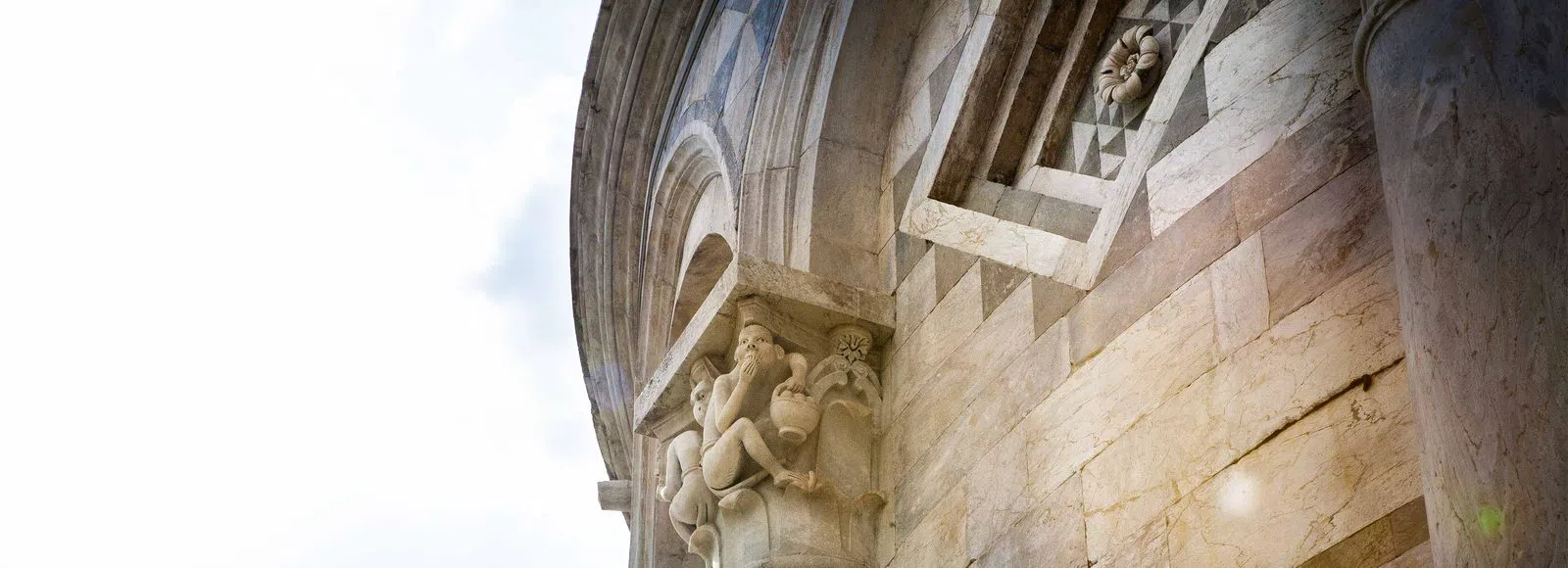
Piazza dei Miracoli (Opera della Primaziale Pisana, at the walled north-west corner of the city) is an easy hour by train each way, and treating it as a full day means standing on grass for four hours longer than anyone wants to. Tickets run €10–35 depending on the combination; the tower climb is around €20 on its own.
The complex takes groups without complaint. The tower does not. Slots are fixed and numbers capped, under-8s are not admitted at all, and tickets go on sale ninety days ahead with summer slots gone long before the date. A group of any size has to split across slots and then reassemble, which eats the afternoon. If the climb is not the reason you came, skip it and spend the saved hour in the Camposanto instead. Late afternoon is the better call anyway, when the field empties and the marble goes warm-coloured rather than white.
Lucca for the day you don't want to plan
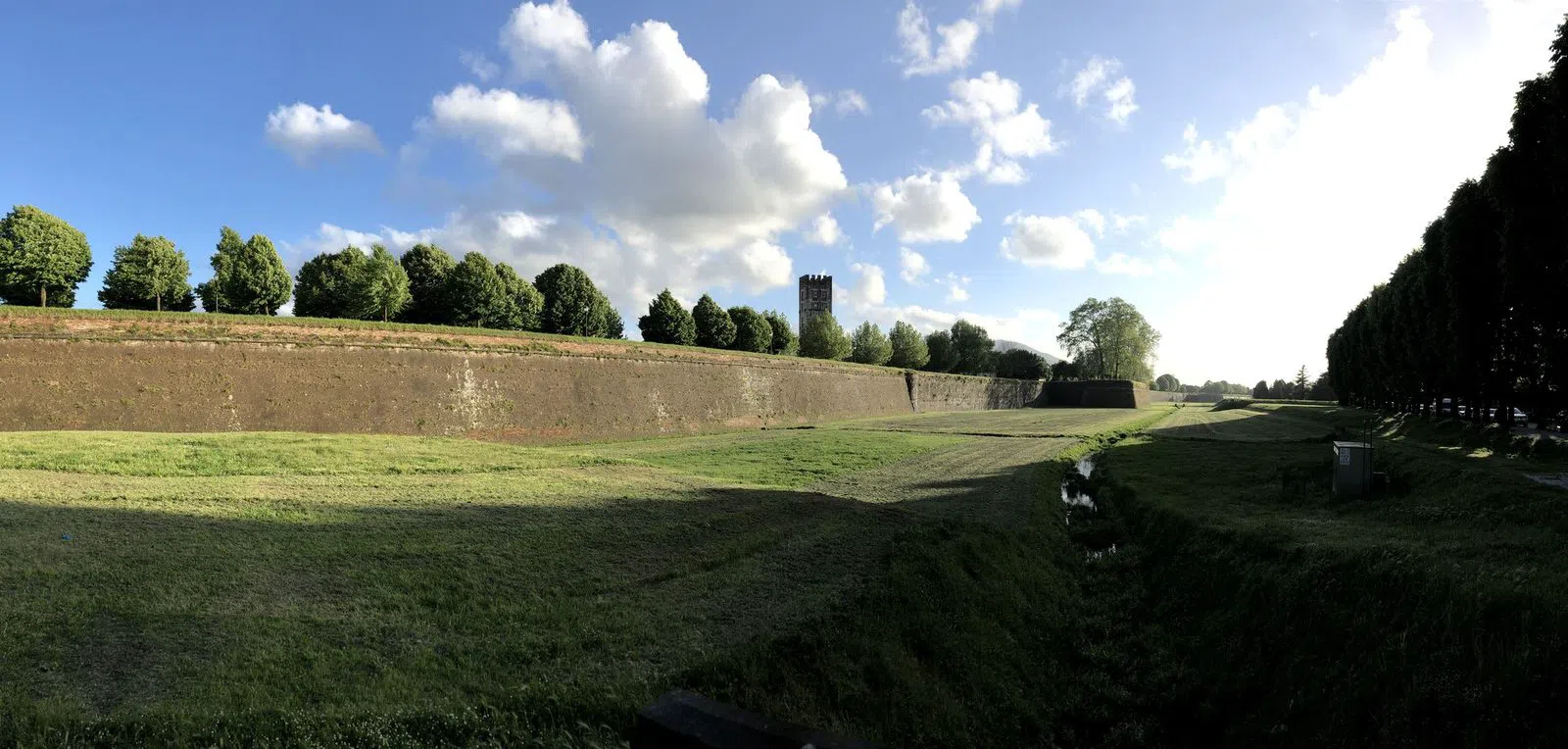
Lucca's city walls and the Torre Guinigi (the walls ring the whole centro storico; the tower is on Via Sant'Andrea, five minutes from the amphitheatre square) make the softest of these days. The wall circuit is four kilometres of flat tree-lined rampart, free, and open at any hour; bike rental shops sit at several gates and handle groups without fuss. The Torre Guinigi is €6, or €9 combined with the Torre delle Ore, staggers its entries, and should be booked ahead at weekends and on holidays. The holm oaks growing out of the roof are the reason everyone wants the same slot.
Lucca and Pisa share a line, so a group determined to have both can do it in one day. It is a real day, not a leisurely one, and the walls end up as a forty-minute walk rather than an afternoon.
Towers first, then the quieter town behind them
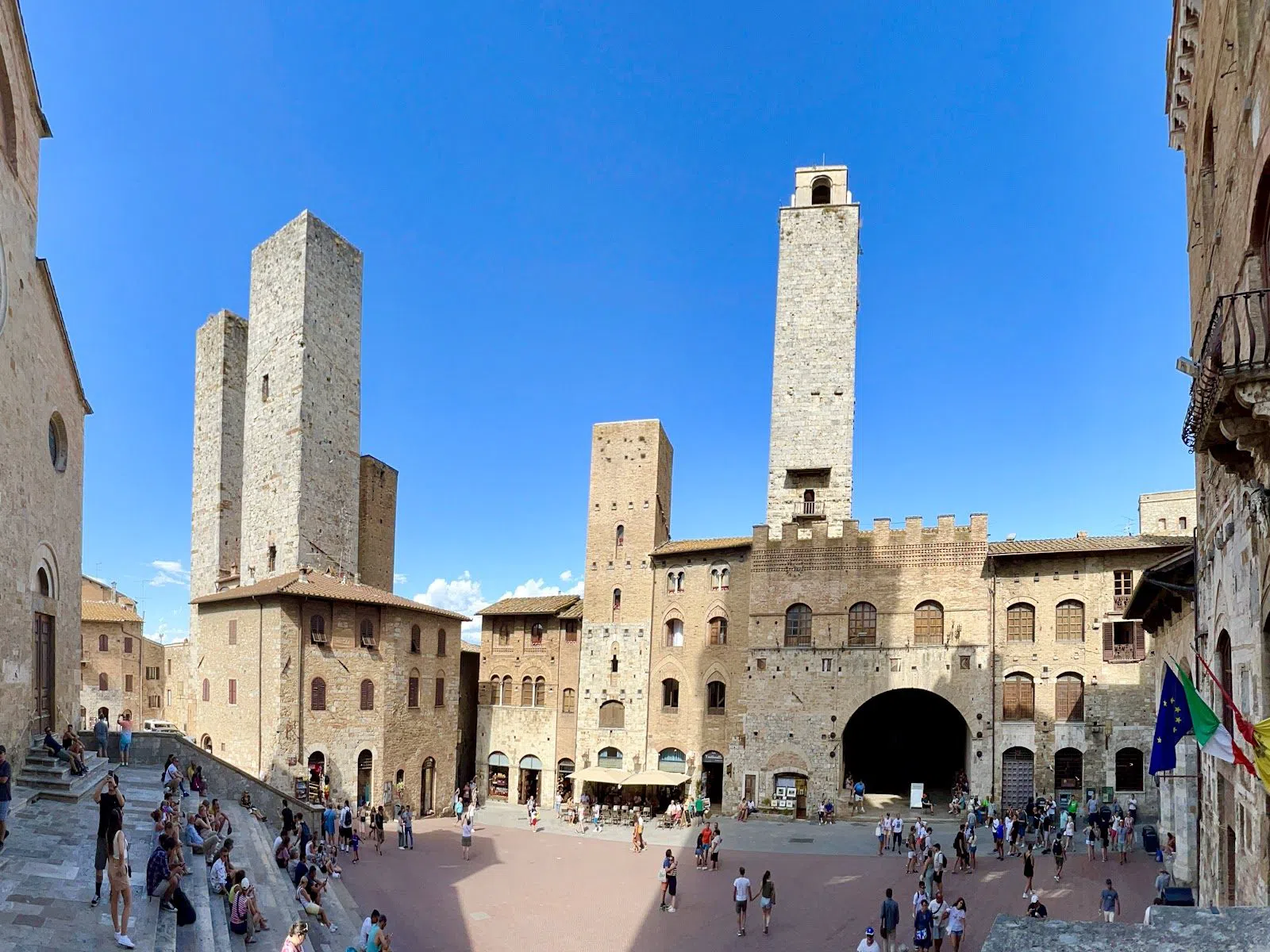
Torre Grossa and the Palazzo Comunale (Piazza del Duomo, San Gimignano) anchor the hill town everybody photographs. The San Gimignano Pass is €15 for adults and €12 for ages 6–17, covers eight sites, is valid two consecutive days, and is sold at two ticket offices. The Torre Grossa staircase is narrow enough that a group has to go up in waves; if you are two people, the wait is nothing. Come late in the afternoon, once the coach tours have gone and the lanes belong to the town again. The one fiddly part is the bus change at Poggibonsi, so check the return connection before you settle into a glass of anything.
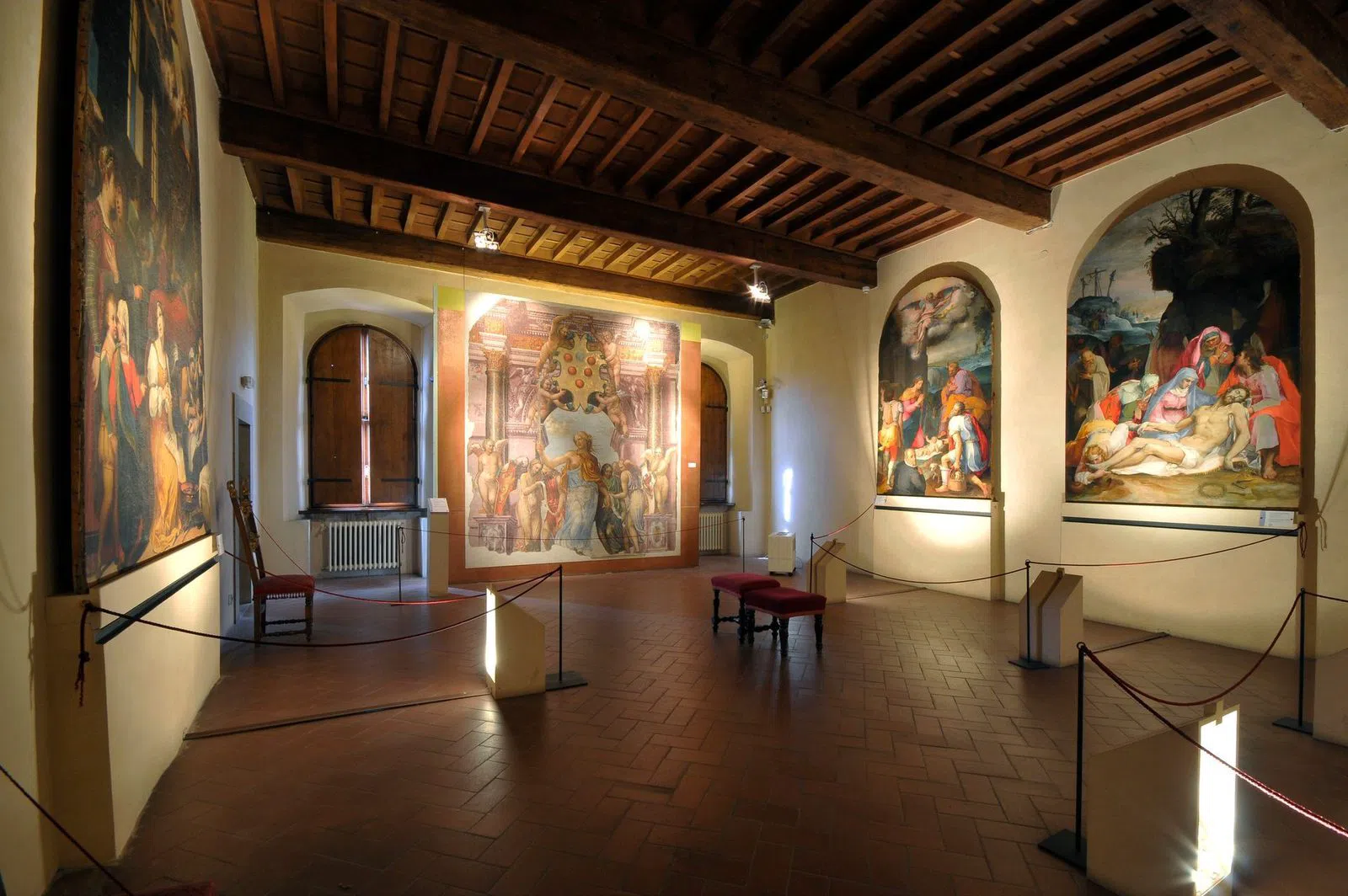
An hour further and several hundred metres higher, the Museums of Volterra, the Teatro Romano and Palazzo dei Priori among them, offer the same Etruscan depth with a fraction of the foot traffic. The Volterra Card is €23 and covers seven sites over 72 hours; single sites run around €7, and groups of ten or more get the €5 reduced rate at Palazzo dei Priori. Because the sites are spread across the town, crowds disperse instead of stacking. Note the season: Palazzo dei Priori runs 9 March to 15 November 2026, daily 10:00–18:30, so a winter visit loses part of the circuit. The alabaster workshops still cut and polish on the same streets, and the wind up there is a genuine consideration in March.
Chianti for people who don't especially care about wine
Antinori nel Chianti Classico at Bargino, about half an hour south of the city, is the stop that works even for a group with no interest in tasting notes. The building is the attraction: a winery cut into the hillside with a roof you walk over before you realise it is a roof. Tours with tasting run €45–80 per person, scheduled shared departures sit alongside group visits of one to three hours, and tailor-made bookings go direct with the estate.
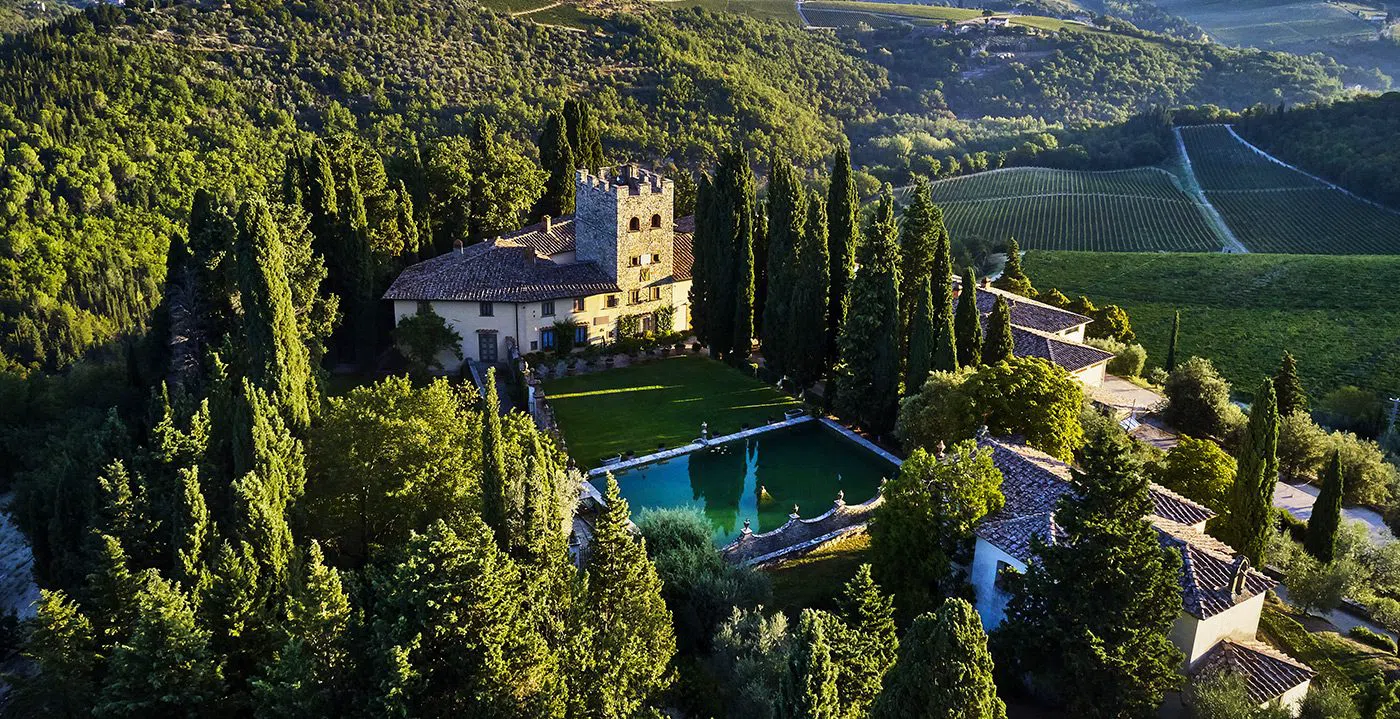
Castello di Verrazzano (a wine estate in the hills above Greve) is the other shape of the same day: one of the oldest still-working cellars in Chianti Classico, with shared guided tours where you join other guests, and tour-with-lunch formats that produce a properly fed afternoon rather than three thimbles at a counter. Reckon on roughly €35–80 per person depending on whether lunch is in. Cancellation is free up to the day before, with 20% charged for same-day no-shows. The estate sits up a narrow lane, so a driver or an organised transfer beats a hire car and a three-point turn.
Museo Leonardiano di Vinci (the castle in the centre of Vinci, with the birthplace a short shuttle or walk away) rounds out the countryside options and is better than it has any right to be, with models and manuscripts rather than novelty. The combined ticket is €8, the museum opens daily 9:30–19:00 and the birthplace daily 10:00–19:00, reduced group admission is available, and the collection splits across three buildings, which spreads a party out instead of bottling it. The view from the castle tower over the olive terraces is worth the last flight of stairs, and it is the easiest of these days to build a long lunch into.
The Val d'Orcia in one careful day
Far enough south that a driver or an organised transfer makes the difference between two stops and one, this is the day people picture when they picture Tuscany.
Palazzo Piccolomini in Pienza (on the cathedral square, at the edge of the town's south-facing terrace) delivers the Val d'Orcia view the whole region is sold on. Entry is timed roughly every 30 minutes with an audioguide, €7 full and €5 for groups and students, which staggers large parties naturally. Pienza takes about two hours to see honestly. The caution is the calendar: the palace closes one day a week, shuts over lunch, and closes entirely 7 January to 14 February and 16 to 30 November. Check the day before you travel rather than the week before.
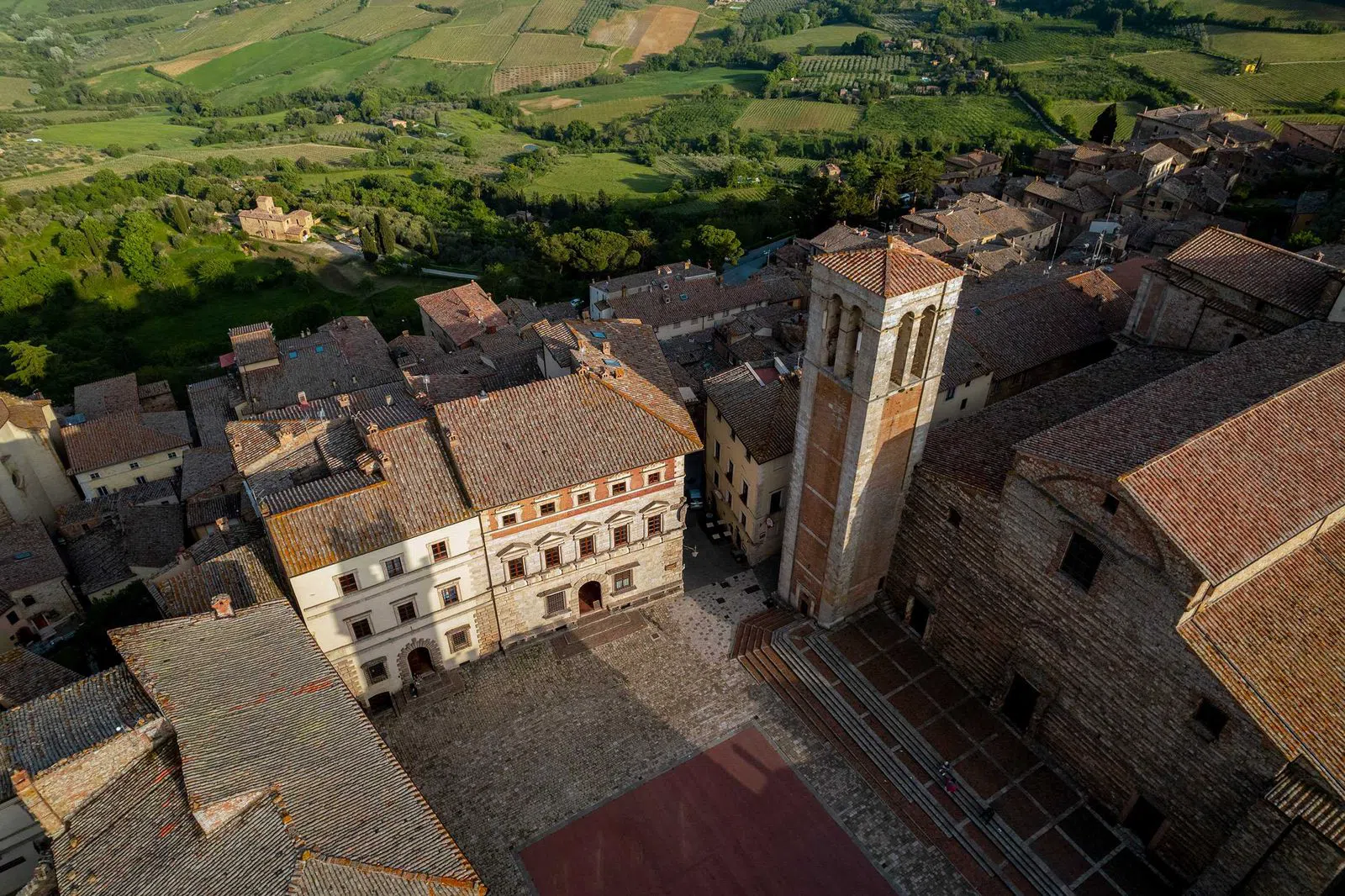
Cantina Contucci sits under Palazzo Contucci right on Piazza Grande in Montepulciano and is the rare cellar visit that costs nothing and needs no plan. The route through the barrel rooms is self-guided with printed captions, the tasting at the end is free, wine is sold by the glass or bottle, and it opens daily 9.30–12.30 and 14.30–18.00. Walk-ins are the norm; larger parties are still better off ringing ahead.
The ones you have to book before you leave
Basilica di San Francesco in Arezzo (the Cappella Bacci, in the lower town near the Corso) holds Piero della Francesca's Legend of the True Cross, and it is the single best reason to give Arezzo a whole day. Access is booking-only: €12 for a timed ticket, 25 to 30 people maximum per 30-minute slot. A group needs to reserve well ahead and may end up split across consecutive slots. It is free on the first Sunday of the month by hourly slot allocation, which sounds generous and books out accordingly. Turning up on spec usually fails.
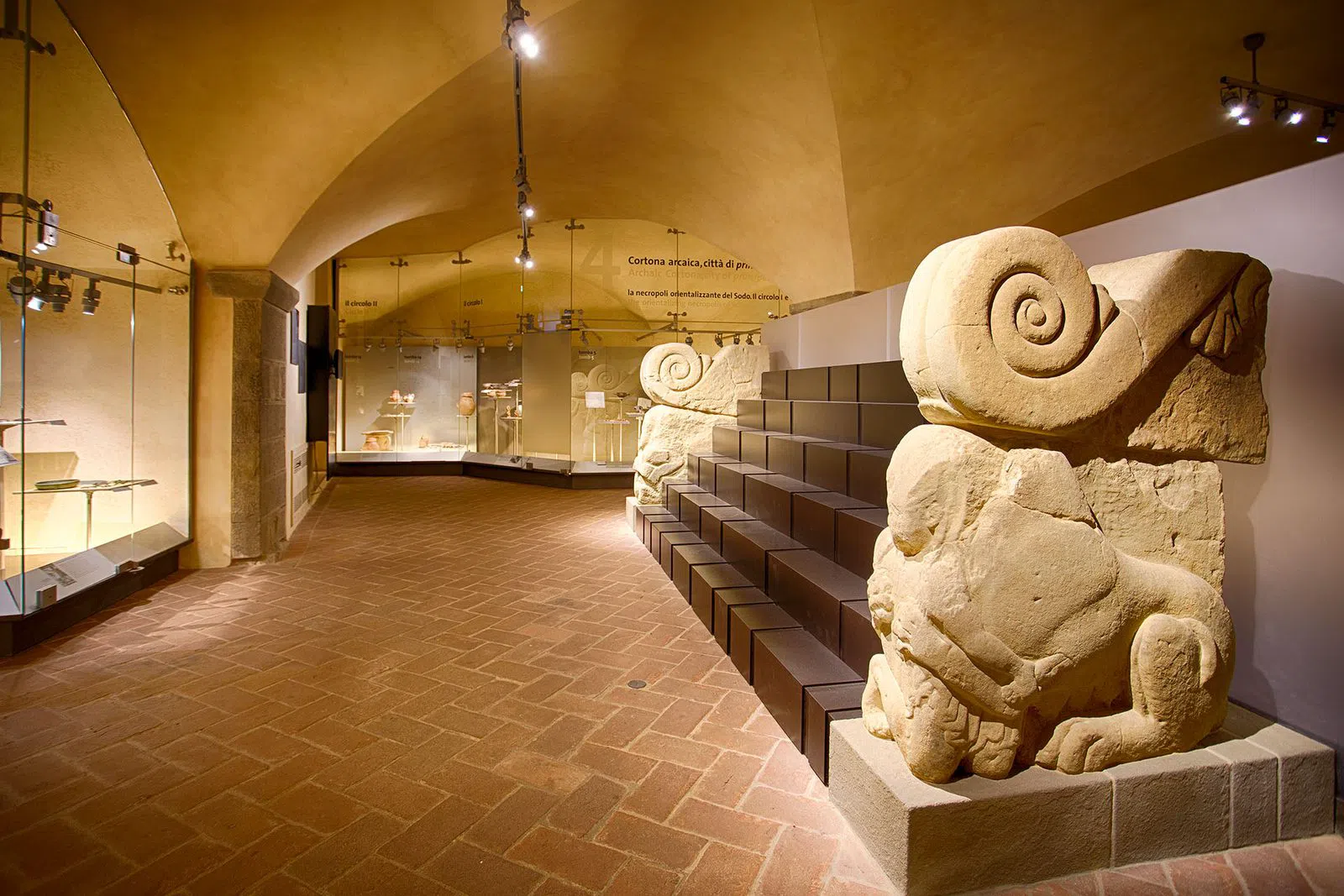
MAEC, the Museo dell'Accademia Etrusca in Cortona (Palazzo Casali, in the centre of the hill town), is the furthest of the Tuscan trips here and a real commitment: train to Camucia, then a bus up the hill. Admission is around €10–13, free on the first Sunday of the month from April to October. It opens daily 10:00–19:00 from April to October and Tuesday to Sunday 10:00–17:00 in winter; guided visits and educational activities are available on request, and the building is partially accessible. Give it a full day or save it for a second trip.
Two days that leave Tuscany altogether
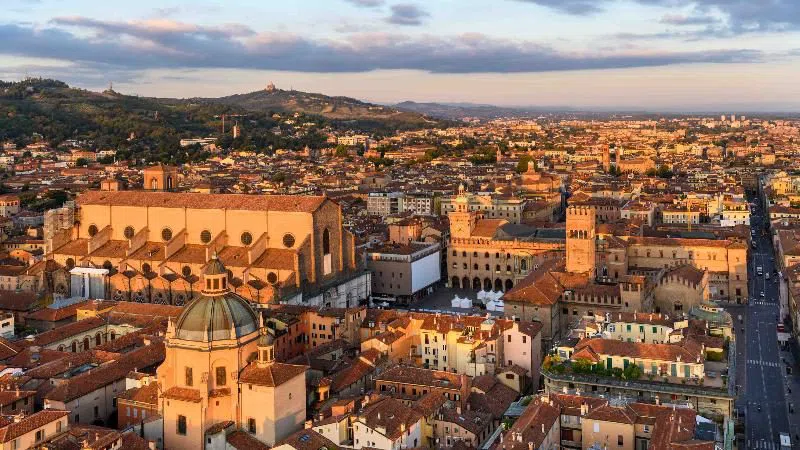
The Quadrilatero and the porticoes of Bologna are thirty-five minutes each way on a Frecciarossa booked early at €9.90–14, which leaves about six usable hours in the city, more genuine time on the ground than most Tuscan trips manage. The market stalls in the Quadrilatero are at their busiest and best between 09:00 and 13:00; food tours run three to four hours for small groups at €60–95 per person, and the city absorbs any size of party. One correction to make before you go: both Two Towers are shut. The Garisenda is under stabilisation into 2028, and the Asinelli climb has been closed since October 2023.
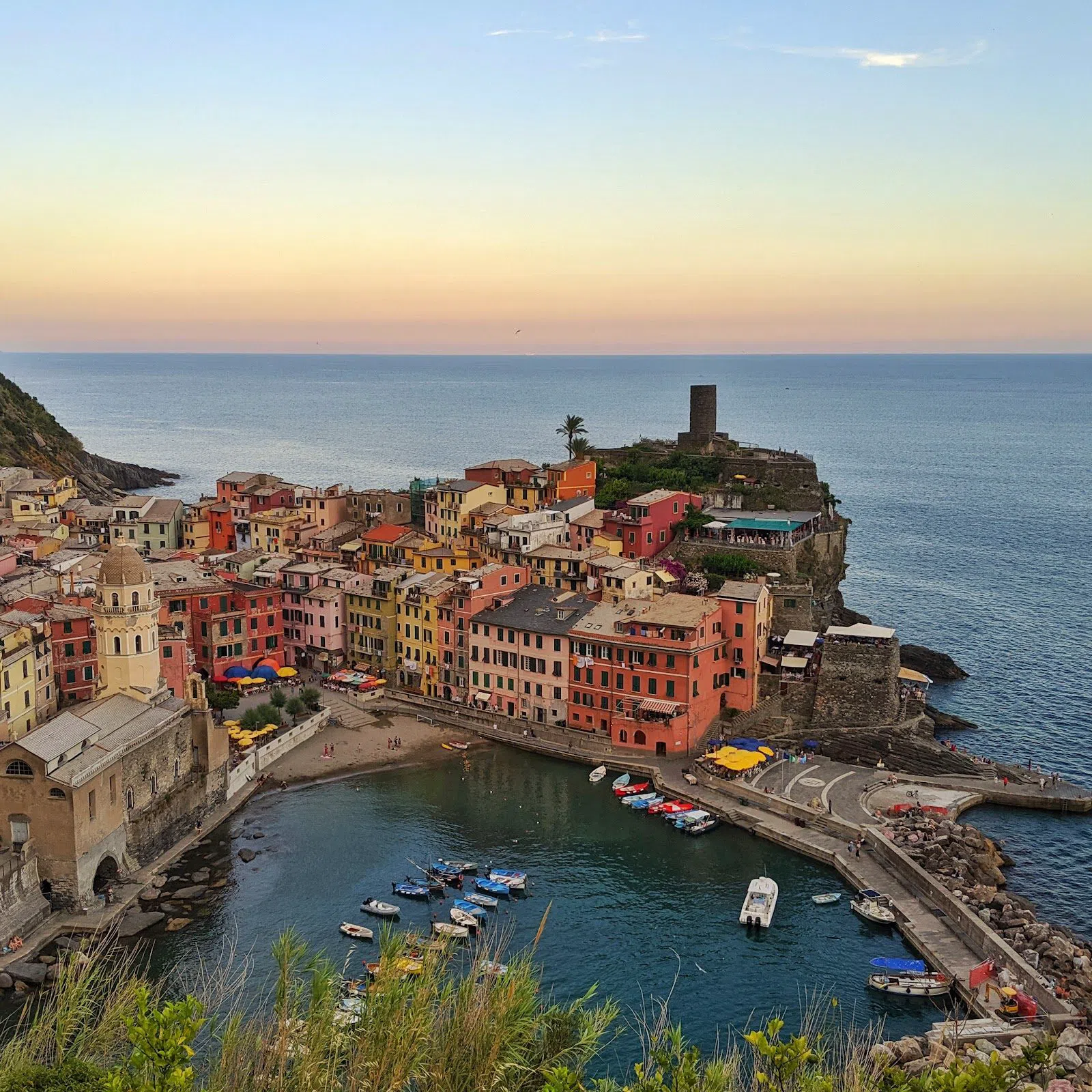
Parco Nazionale delle Cinque Terre and the Via dell'Amore are the long shot, roughly three hours each way, so the day only works if you are willing to leave in the dark and eat late. The Via dell'Amore reopened in 2024 after twelve years closed and has been included in the Cinque Terre Card since March 2026. It runs one-way from Riomaggiore to Manarola on timed entry with a capped number of walkers per slot, booked in advance through the park portal. The villages themselves take groups; that path does not. Cards run €10–15 a day for trekking and €22–35 a day for the train version depending on season.
How many of these a first visit can actually carry
Three or four nights supports exactly one day trip, and it should be Siena. Five nights supports two: Siena plus a half-day in Fiesole or Pistoia, or Siena plus Pisa and Lucca on one line. Anything beyond that and you have booked a Tuscan tour that happens to sleep in Florence, which is a fine holiday but a different one. Base yourself somewhere within walking distance of Santa Maria Novella if trips are the plan; the Florence hotel search makes that filter easy, and the Florence guide covers the days you stay put.
Before you go
Regional trains to Pisa, Lucca, Pistoia and Camucia leave from Santa Maria Novella and are cheap enough to buy on the day; the Bologna high-speed fare is the one that rewards booking early. Siena is a coach, not a train: the 131R from the bus station beside the railway is faster and drops you closer. City bus 7 to Fiesole leaves from Piazza San Marco. Validate regional tickets before boarding.
Carry cash. Card acceptance is normal in museums and most restaurants, but small-town buses, the Poggibonsi change, market stalls and some cellars are easier with notes, and €50 in small denominations removes most of the day's friction.
On timing: book Arezzo's chapel, the Via dell'Amore, the Pisa tower and the Siena roof walk before you fly. Everything else can be decided over breakfast. Aim to be on a train or coach by 08:30 for anything past an hour away, and remember that Italian museum closing time means last entry was thirty to sixty minutes earlier.
On budget: a day in Siena lands around €25–35 per person including transport and the pass; Pisa and Lucca each sit near €30–45 depending on climbs; Bologna comes in at €25–35 before you eat, which you will, expensively and happily; a Chianti estate day with lunch is €60–100. Fiesole and Pistoia, and a free tasting under a palace in Montepulciano, are the ones that cost almost nothing at all.
Before you go
If I only have time for one day trip from Florence, which should it be?
Siena. The 131R coach from the bus station beside Santa Maria Novella drops you a short walk from Piazza del Campo. The cathedral is €5 to €8, and the OPA SI Pass covering seven monuments over three days is €14, or €16 when the marble floor is uncovered (27 June to 31 July and 18 August to 15 November 2026). Book the Gate of Heaven roof walk separately: it is small-group timed entry.
How many day trips should I plan on a first visit to Florence?
One if you have three or four nights, two if you have five. Florence itself needs three unhurried days, and each trip out spends one of them. A good compromise is one full day (Siena) plus a half-day like Fiesole, twenty minutes uphill on bus 7 from Piazza San Marco, or Pistoia, half an hour by regional train.
Is Pisa worth a full day from Florence?
No. It is an hour by train each way and a half-day trip. Piazza dei Miracoli tickets run €10 to €35 depending on combination, with the tower climb around €20 on fixed timed slots that go on sale 90 days ahead. Under-8s cannot climb and numbers are capped, so groups have to split across slots, and if the tower is not what you came for you can skip it.
Which day trips work for a large group, and which do not?
Lucca's four-kilometre wall circuit, Fiesole's open-air archaeological area, San Gimignano's streets and Bologna all absorb any number of people. The tight ones are the Cappella Bacci in Arezzo (booking-only, 25 to 30 people per 30-minute slot), the Pisa tower, the Via dell'Amore in the Cinque Terre and Siena's Gate of Heaven, which are timed, capped and booked separately.
Can I visit Chianti from Florence without a car?
Partly. Antinori nel Chianti Classico at Bargino is about half an hour south and runs scheduled shared tours as well as group visits, at €45 to €80 per person for tour and tasting. Castello di Verrazzano sits up a narrow lane where a driver or organised transfer beats a hire car; expect roughly €35 to €80 depending on whether lunch is included, with free cancellation until the day before.