The Florence issue
Eating Florence Beyond the Steak and the Gelato Queue
Dawn markets, a six-euro tripe panino and vegetable cooking with a Michelin star: the Florence meals that have nothing to do with bistecca.
By Lorenzo BenciniThe city read plate by plate
Lampredotto is the cow's fourth stomach, simmered for hours in broth, chopped into a bread roll with green sauce and handed to you for six euros while you stand in a market aisle. Florentines eat it before noon and get on with their day. The steak and the gelato queue aren't going anywhere, and neither is a mistake, but between them they account for about two hours of a three-day trip. Everything below is what fills the rest.
Two markets that do two different jobs
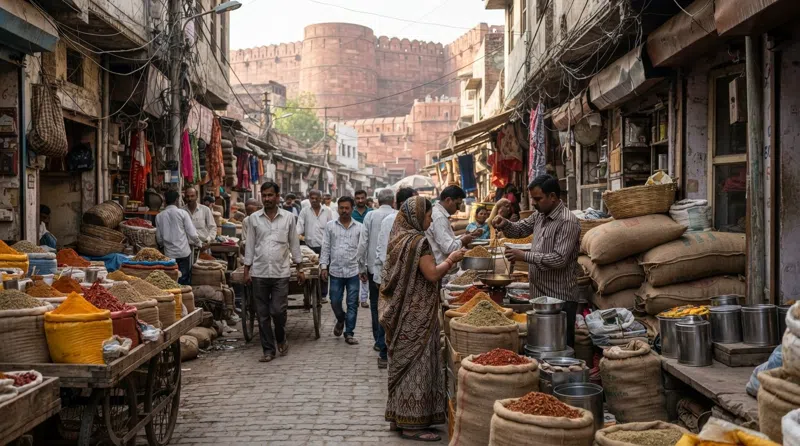
Mercato Centrale Firenze (San Lorenzo) is really two buildings stacked on each other. The ground-floor produce market, with its butchers, fishmongers, cheese and porcini in season, shuts at 14:00 Monday to Saturday, and it is the cheaper half: buy pecorino, finocchiona and a bag of cherries there and you have lunch for a few euros. Upstairs is a food hall running 10:00 to midnight every day, where plates run €8-18 and every counter takes its own orders. Nobody books; you queue at whichever stall you want, then meet your people at the long shared tables. For a mixed group, one person set on tripe, another vegan, a teenager who only wants pizza, it is the single best answer in the city, and if you are eight or more you can put in a formal group reservation through the website rather than hoping for space.
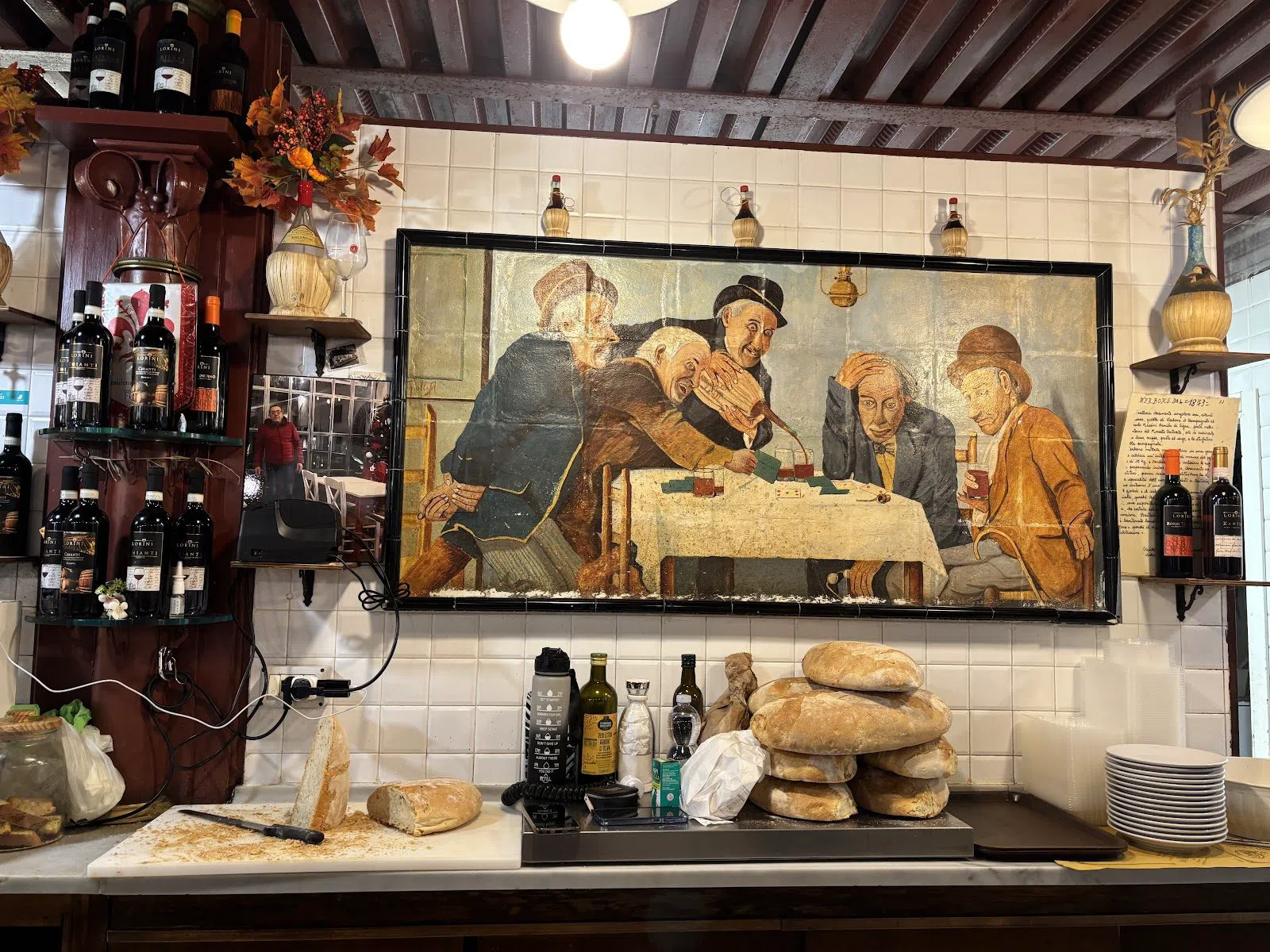
Da Nerbone (inside the Mercato Centrale, San Lorenzo) is the counter to find on the ground floor. It has been trading since 1872 and sells lampredotto and bollito panini at €5-7, and it is the least intimidating way to try either, because you can watch the person in front of you order and copy them. There is no seating and no reservation. Between 12:30 and 14:00 the queue hits twenty minutes, so go at 11:30 or after 13:30. It's closed Sundays. Two to four people works fine; a party of eight standing in a market walkway does not, so send one person to queue and eat on the market benches.
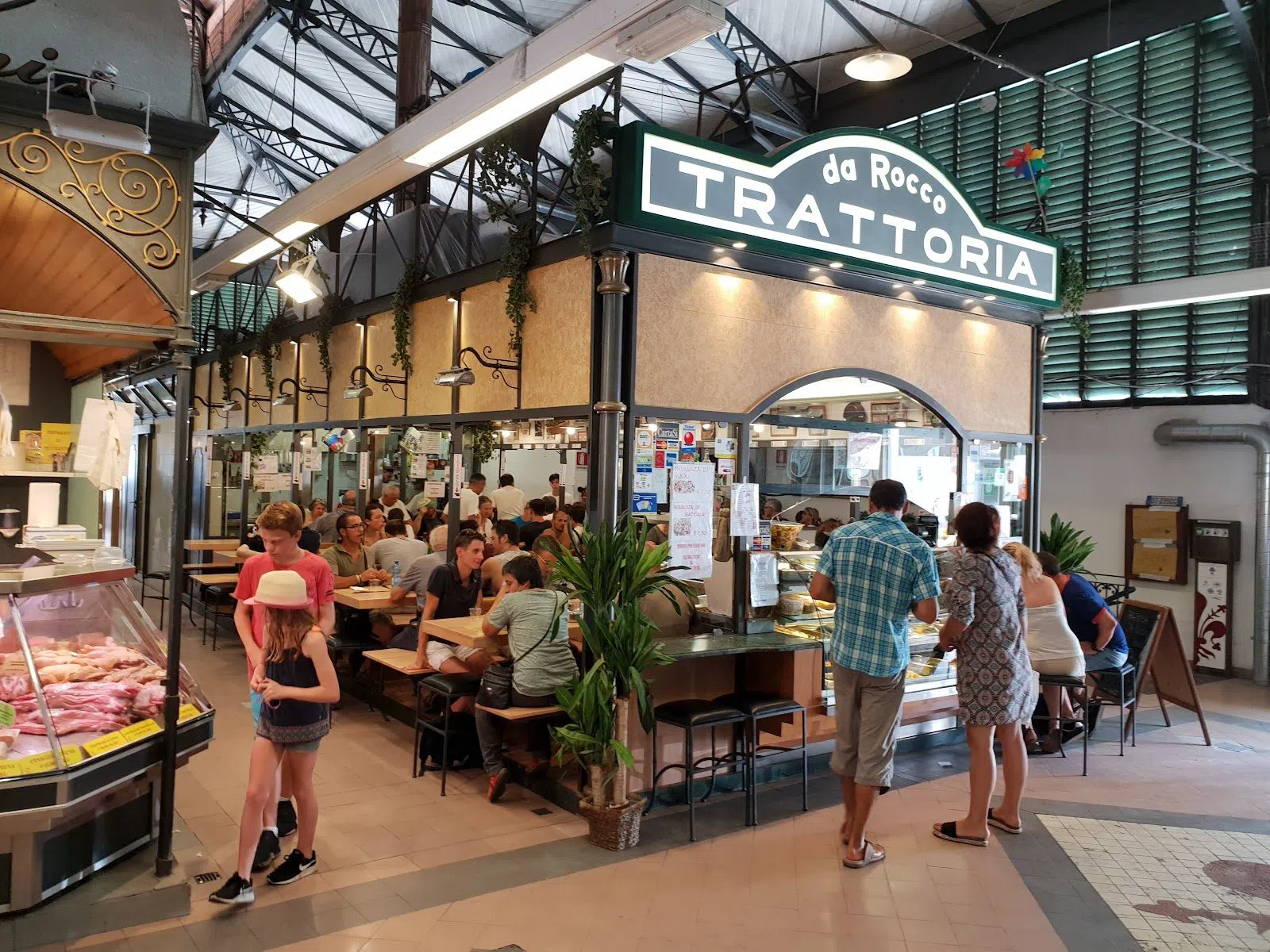
Mercato di Sant'Ambrogio (Sant'Ambrogio) is the one where you'll hear far less English. It reopened fully in December 2025 after a €1.9m redevelopment that brought every food and non-food stall back under a single roof, and it runs 07:00-14:00 Monday to Saturday. Browsing is free, market food runs €3-12, and this is where Florentines actually do the week's shop, so go at 09:00 and watch the trade rather than at 13:45 when the stalls are packing up. The sit-down trattoria stalls inside are tiny, so a group of six should split across two tables or eat standing.
Plan your Florence trip
Live prices from our booking partners.
Free cancellation on many rooms. We may earn a commission when you book.
Panini worth standing up for
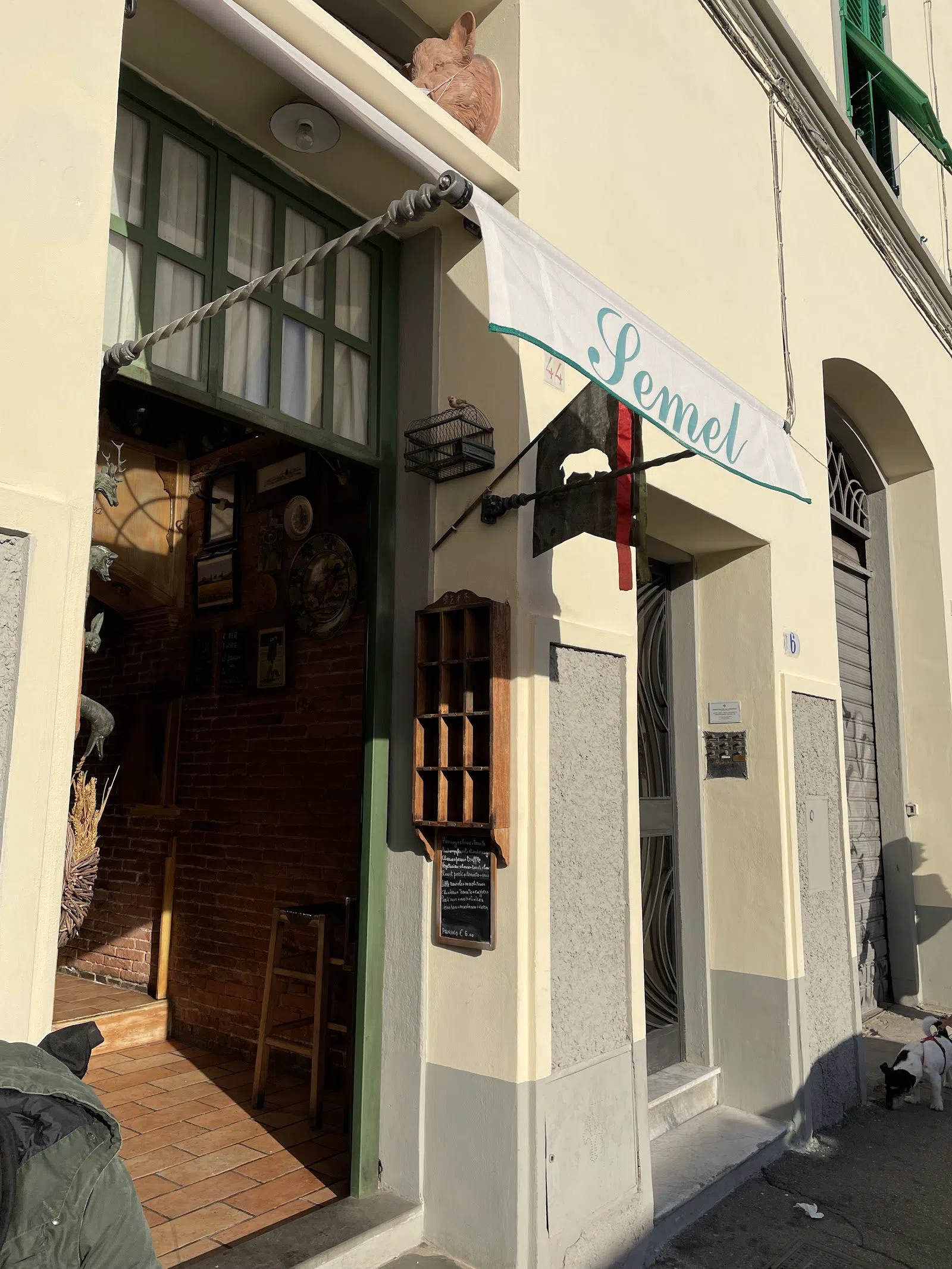
Semel (Sant'Ambrogio, a minute from the market) is a hatch in a wall with no seating worth the name. Marco Paparozzi builds five or six panini a day at €4-7: wild boar sausage with broccoli, pear with truffled pecorino, combinations that shift with what he has. Opening is roughly 11:30-15:30 Monday to Saturday, and it shuts when the bread runs out, which on a good day is early. The queue moves quickly if you know what you want before you reach the front. Fine for a group happy to eat on the pavement; impossible if anyone in your party needs a chair.
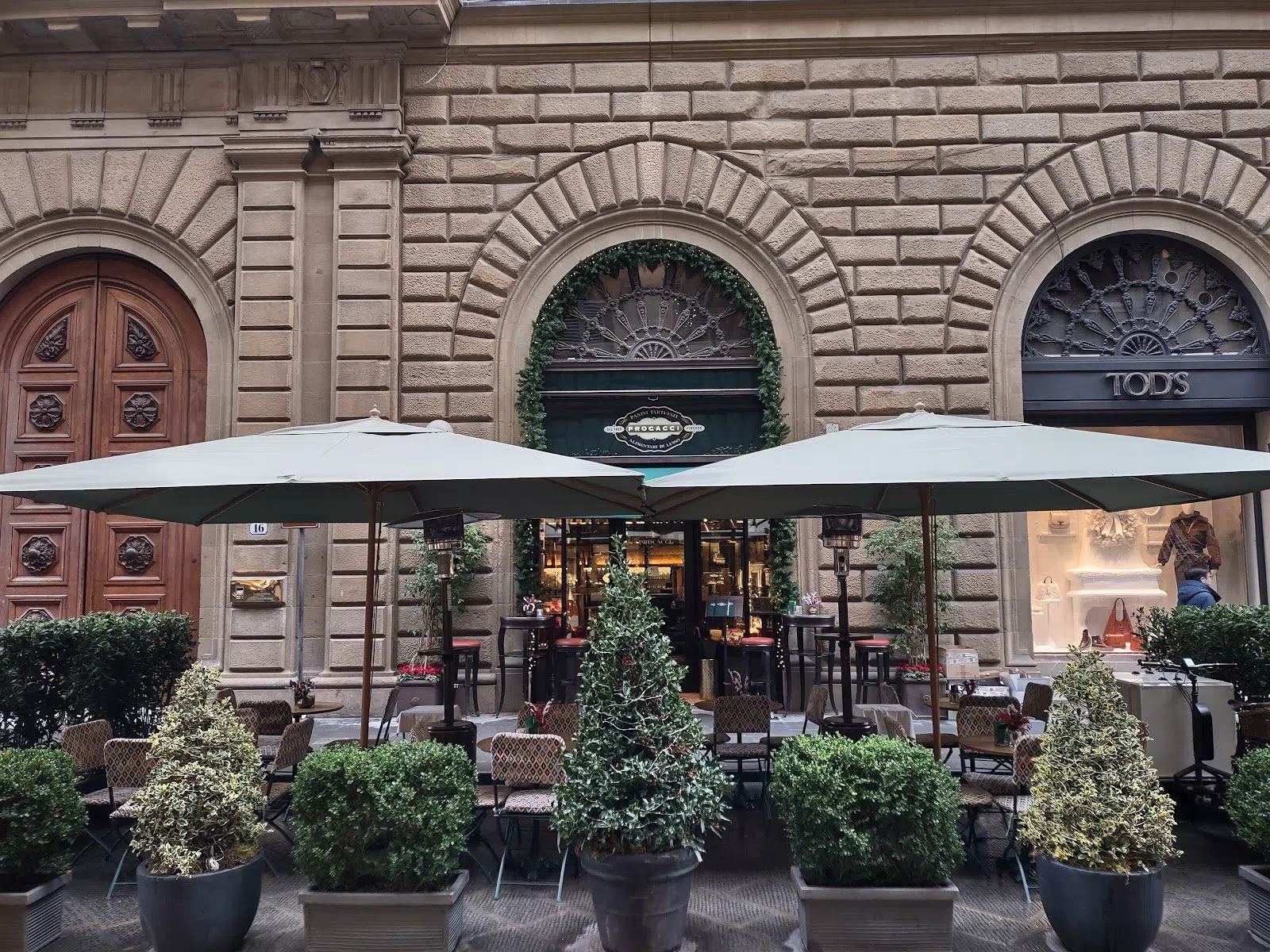
Procacci 1885 (Via Tornabuoni) is the other end of the same idea. Panini at €3-5, glasses at €6-12, standing room and a handful of stools on the most expensive shopping street in the city. The truffle-butter panino is its own invention and still the reason to walk in; it is the best-value luxury snack in Florence, which is an odd thing to say about a bar owned by Marchesi Antinori since 1998, but the arithmetic holds. Closed Sundays and for two weeks in August. Six of you can crowd in for a glass, though there is no real table service, so don't plan a sit-down lunch around it.
One trattoria, two seatings, book a fortnight out
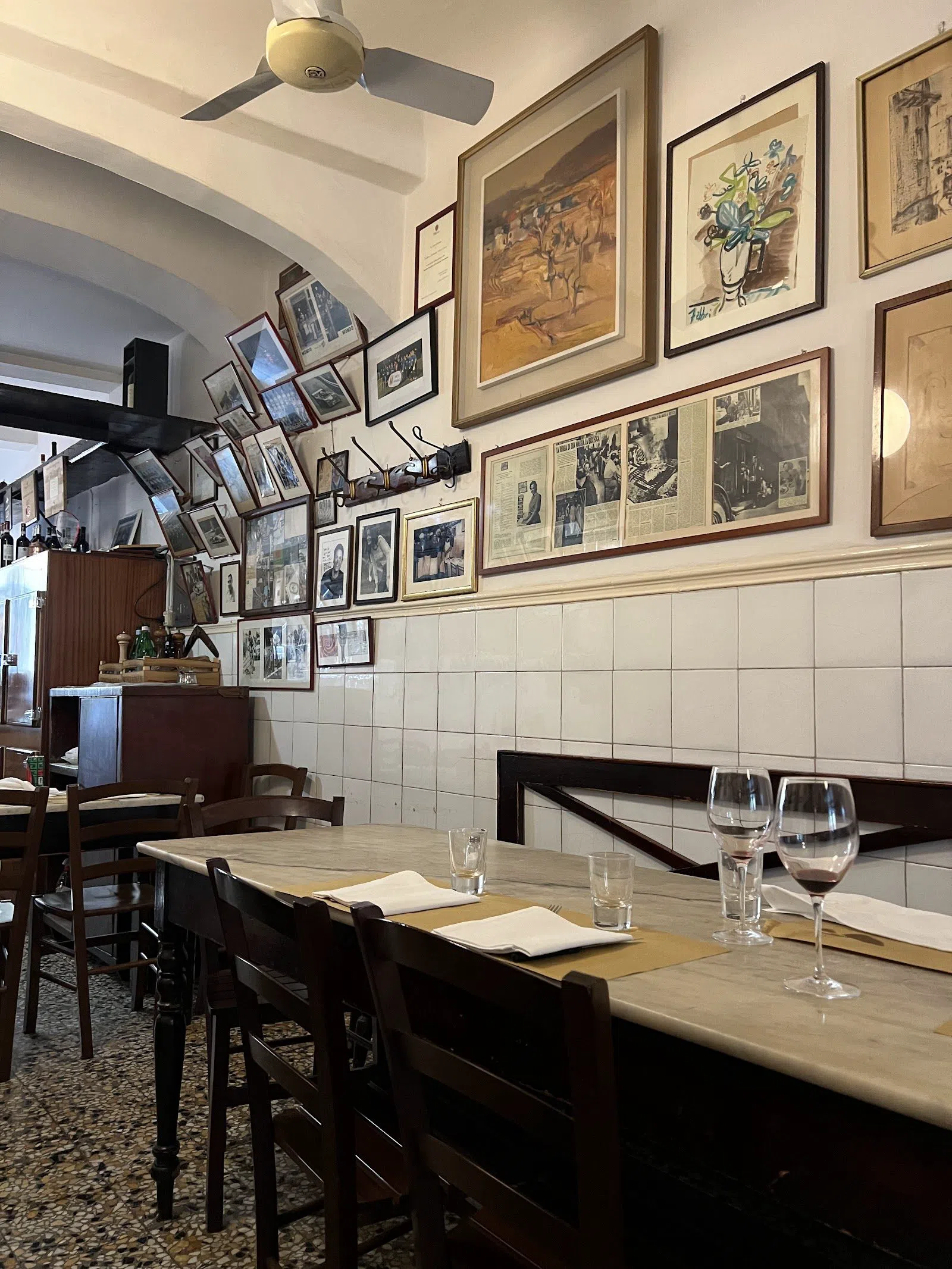
Trattoria Sostanza (Santa Maria Novella) runs two fixed seatings, around 19:30 and 21:00, at shared tables in a room that is genuinely tiny. You eat on the house's schedule and you book well ahead. This is not a walk-in, and arriving late means your table has already turned. Reckon €35-55 a head. Order the butter chicken and the artichoke pie; neither involves a steak, and both are the reason the place has the reputation it has. Groups are taken, but only on the house timetable. Closed Sundays.
Where the vegetables lead
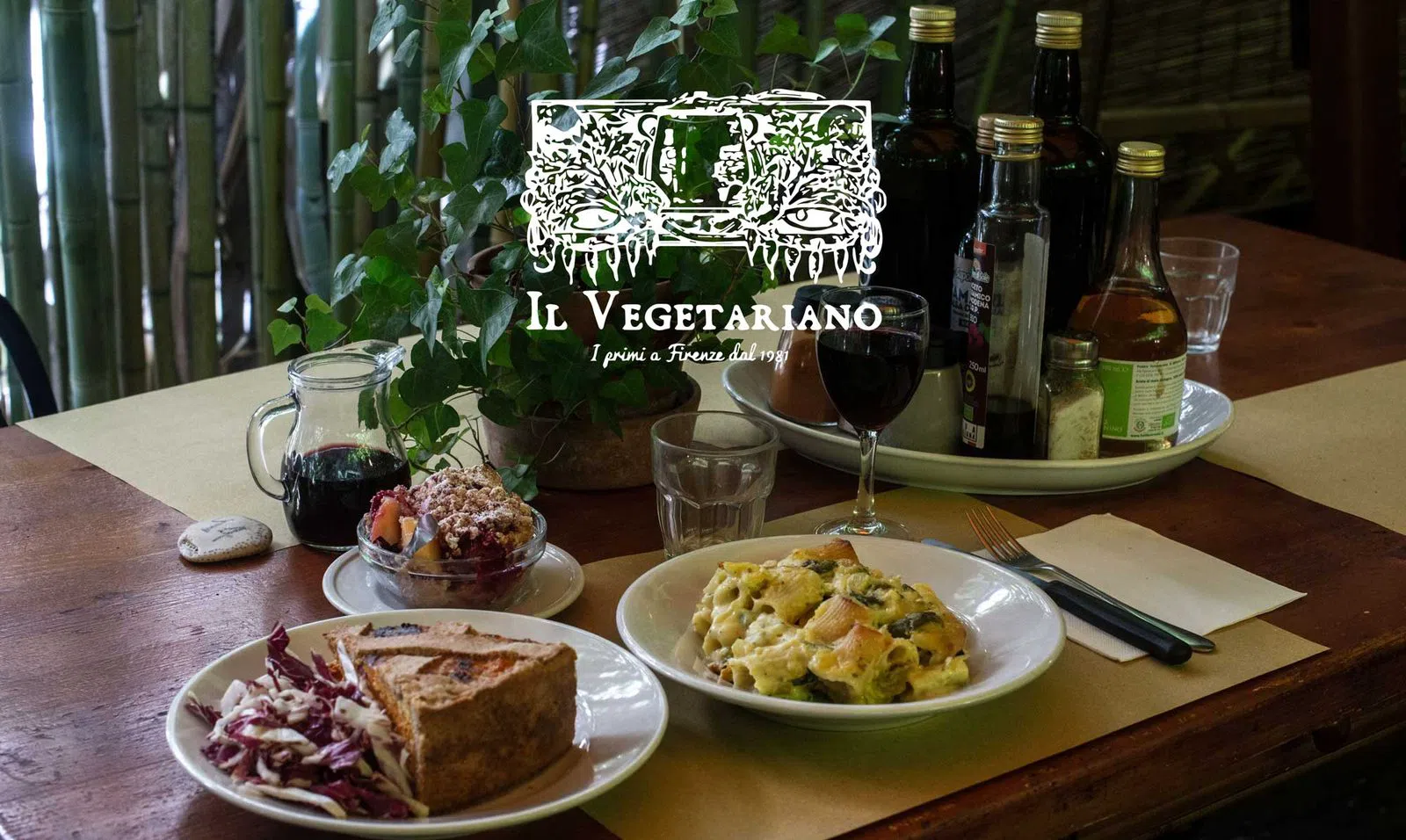
Il Vegetariano (San Marco) has been cooking since 1981, which makes it the city's original vegetarian kitchen, and it still works the way it always did: self-service, roomy, a garden out the back, mains €9.50-14, a menu that changes daily with vegan and gluten-free options. It is one of the very few places in Florence where six or eight people can turn up unbooked and sit down within ten minutes. Watch the hours: Monday is lunch only, Saturday and Sunday are dinner only.
Brac (Santa Croce) is smaller and considerably more designed, half vegetarian bistro and half art bookshop, with dishes at €14-22. It serves 12:00-15:00 and 19:00-midnight and is closed for Sunday lunch. Florentines eat here themselves rather than treating it as the meat-free compromise, which is not true of every vegetarian menu in a tourist city. Book for anything over four; in good weather the courtyard will take a bigger table.

Counters and small rooms
Zeb (San Niccolò) has a counter with about a dozen seats and nothing else, so you sit facing the kitchen. A mother and son cook Tuscan food that earned a Bib Gourmand in the 2026 guide, and the crespelle and the hand-rolled pasta are the point; plates run €15-25. There are no lunch reservations, which in practice means pairs and trios only. It sits two minutes from the foot of the Piazzale Michelangelo steps, so it slots neatly either side of the climb.
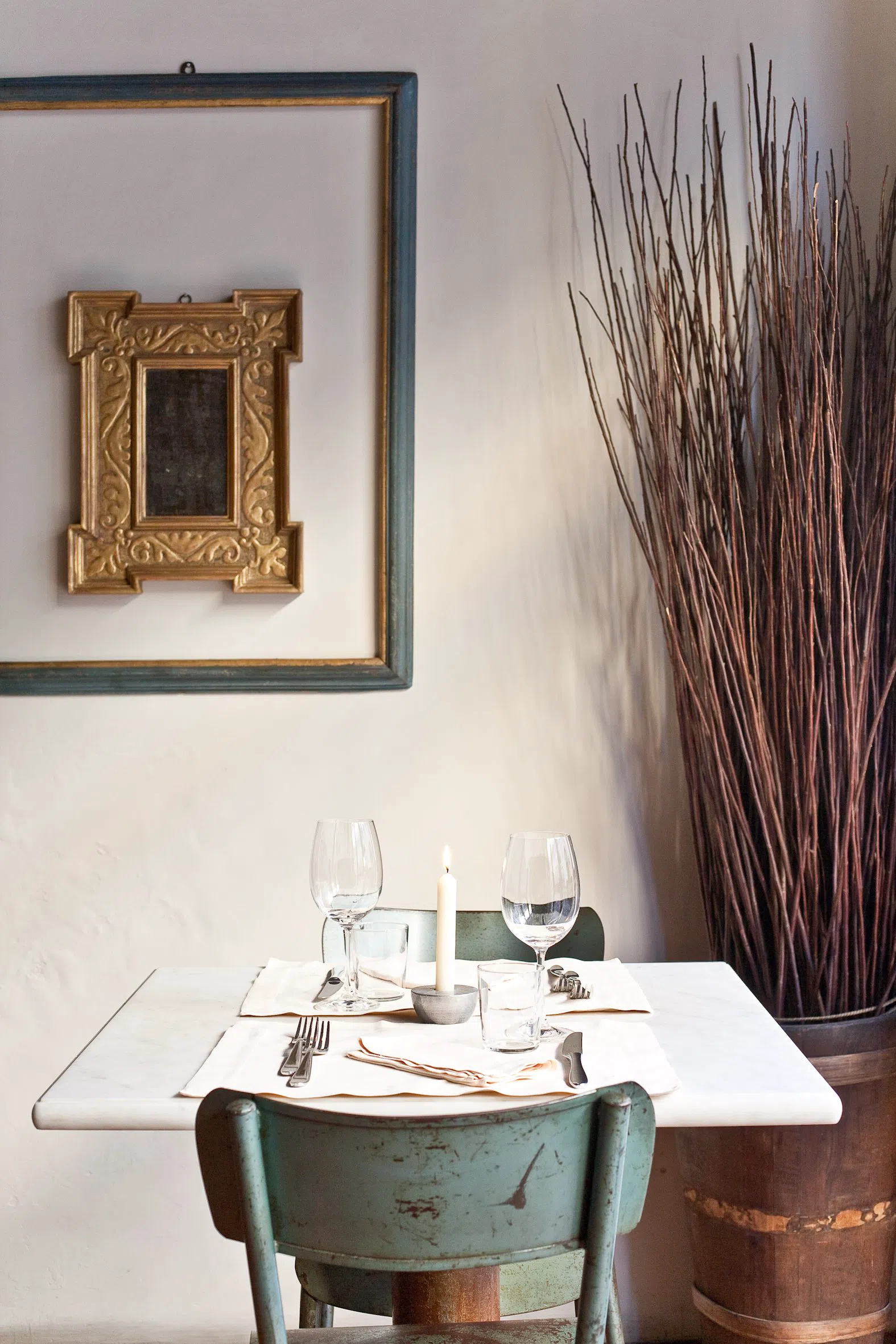
Il Santo Bevitore (San Frediano, Oltrarno) is the all-rounder for a table where nobody agrees on anything. Creative Tuscan plates, a serious list by the glass, €30-50 a head with wine, and a place in the 2026 Michelin Guide. Reservations are required. It takes group bookings comfortably in the main room, and the adjoining wine bar absorbs whoever turns up early, which with six people is always somebody.
When you want the bill to mean something
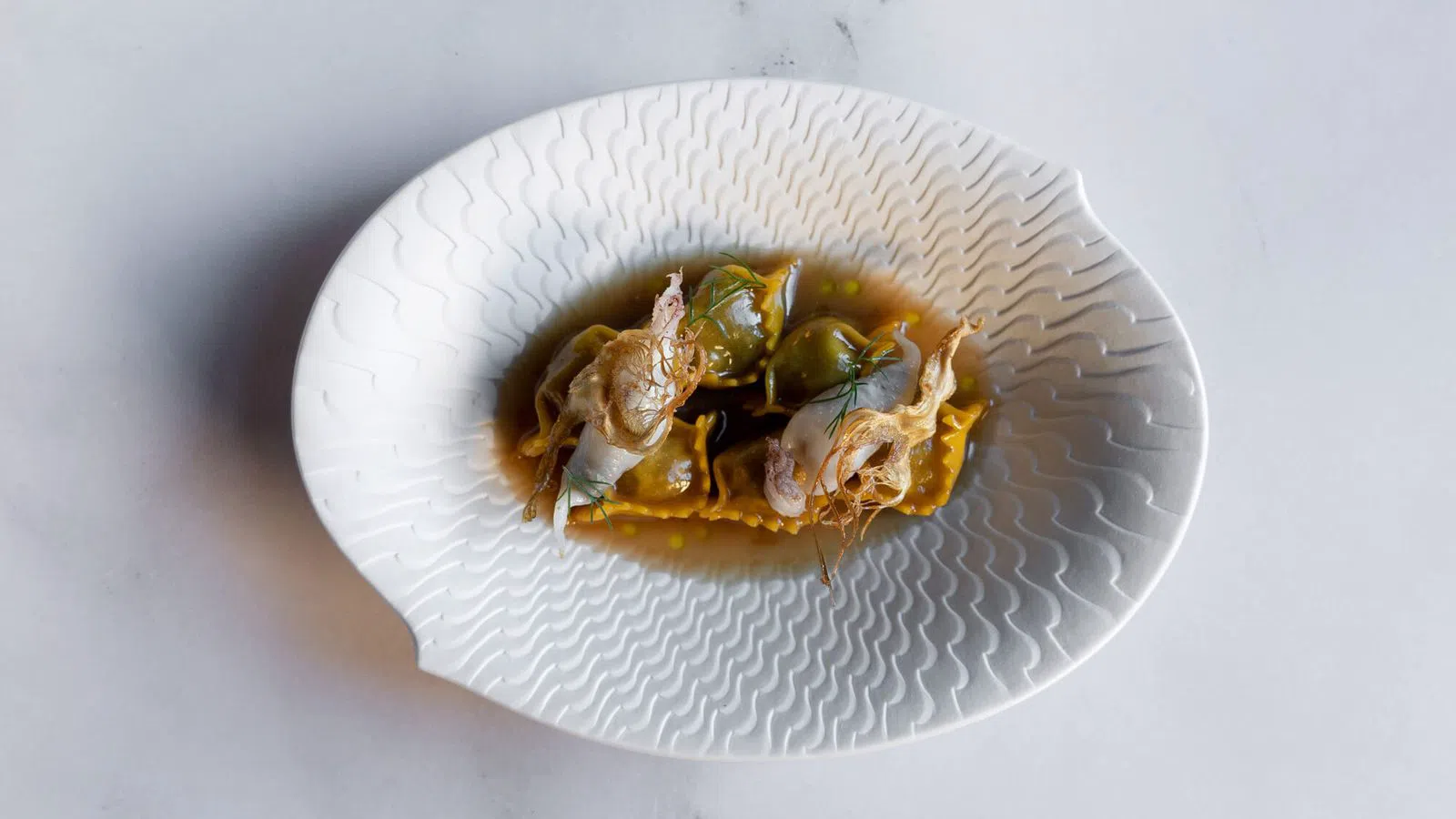
Saporium Firenze (Oltrarno) holds both a Michelin star and a green star in the 2026 guide. Ariel Hagen cooks from Borgo Santo Pietro's own farm, and this is the strongest vegetable-led fine dining in the city. It is not a vegetarian restaurant, but one where the plants carry the plate rather than decorate it. Tasting menus climb past €150. The express 'Ora' lunch menu at €60, Tuesday to Friday, is what makes it viable for a larger table. Book directly; private and group dining is arranged case by case.
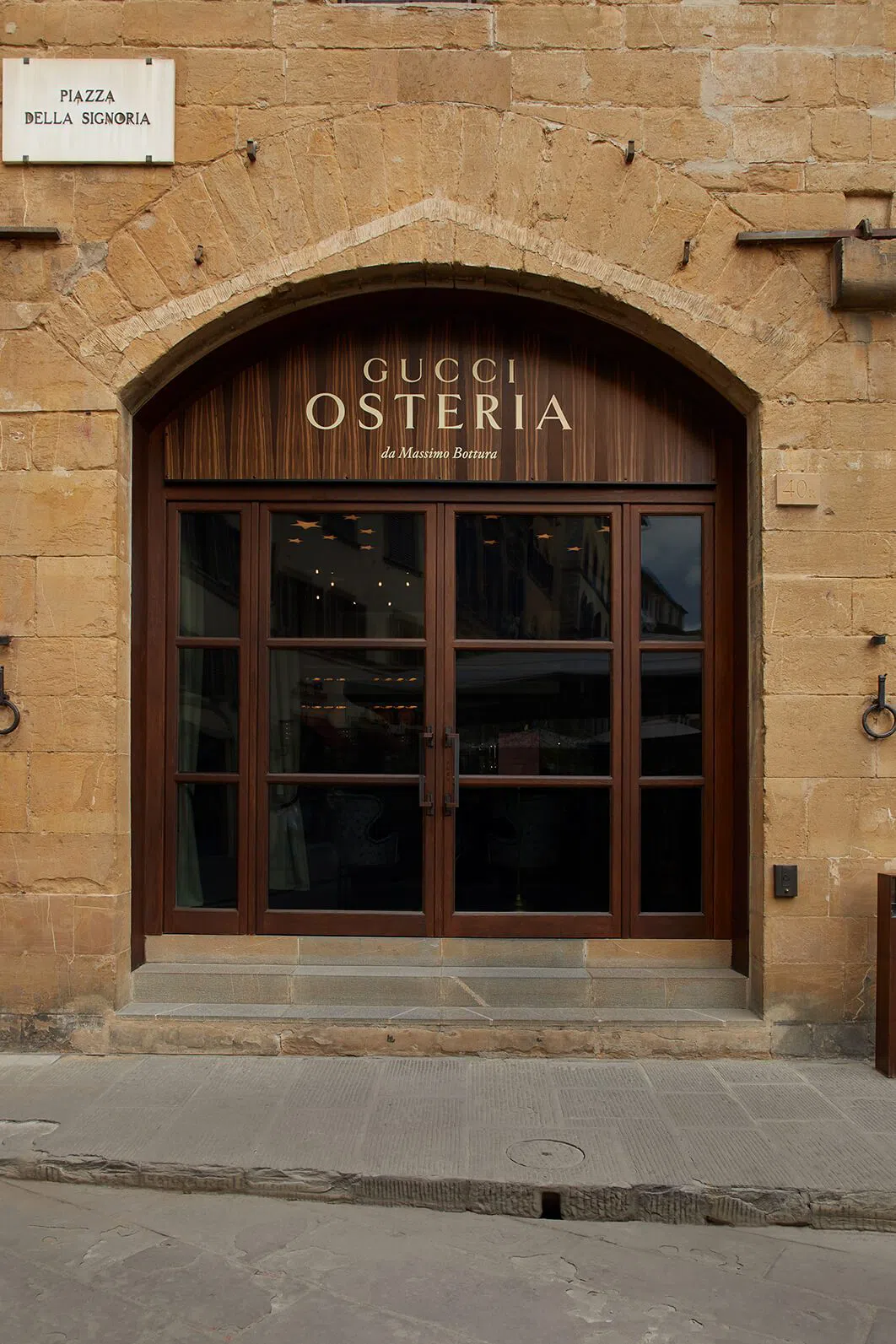
Gucci Osteria da Massimo Bottura (Piazza della Signoria) has one star in the 2026 guide, with Karime López and Takahiko Kondo cooking Tuscan roots through a Mexican and Japanese lens. €120-180 a head. The dining room is tiny; parties of six or more need to call ahead, and it is not listed on the usual booking networks, so phone the restaurant rather than filling in a form and waiting for a reply that won't come. If you have had one plate of pappardelle too many, this is the corrective.
Pizza and coffee, both taken seriously
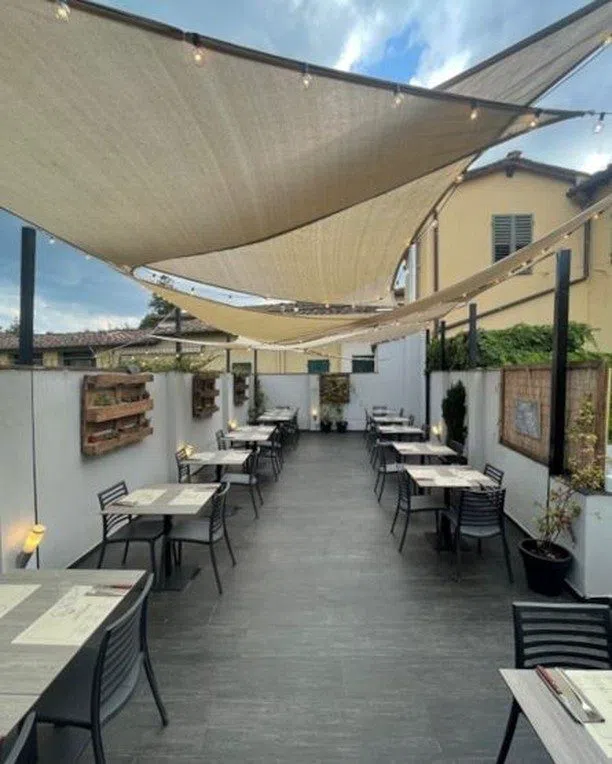
Pizzeria Giovanni Santarpia (outside the centre, a tram ride or twenty minutes on foot) earns the journey. Santarpia is a Campanian pizzaiolo who ranks in 50 Top Pizza and carries three slices from Gambero Rosso, and the gluten-free bases are properly developed rather than an afterthought, which matters a great deal if someone in your party needs one. Pizzas are €10-18, it opens evenings only Tuesday to Sunday, and you should book ahead for weekends. The room is big enough for a real group and used to handling them.
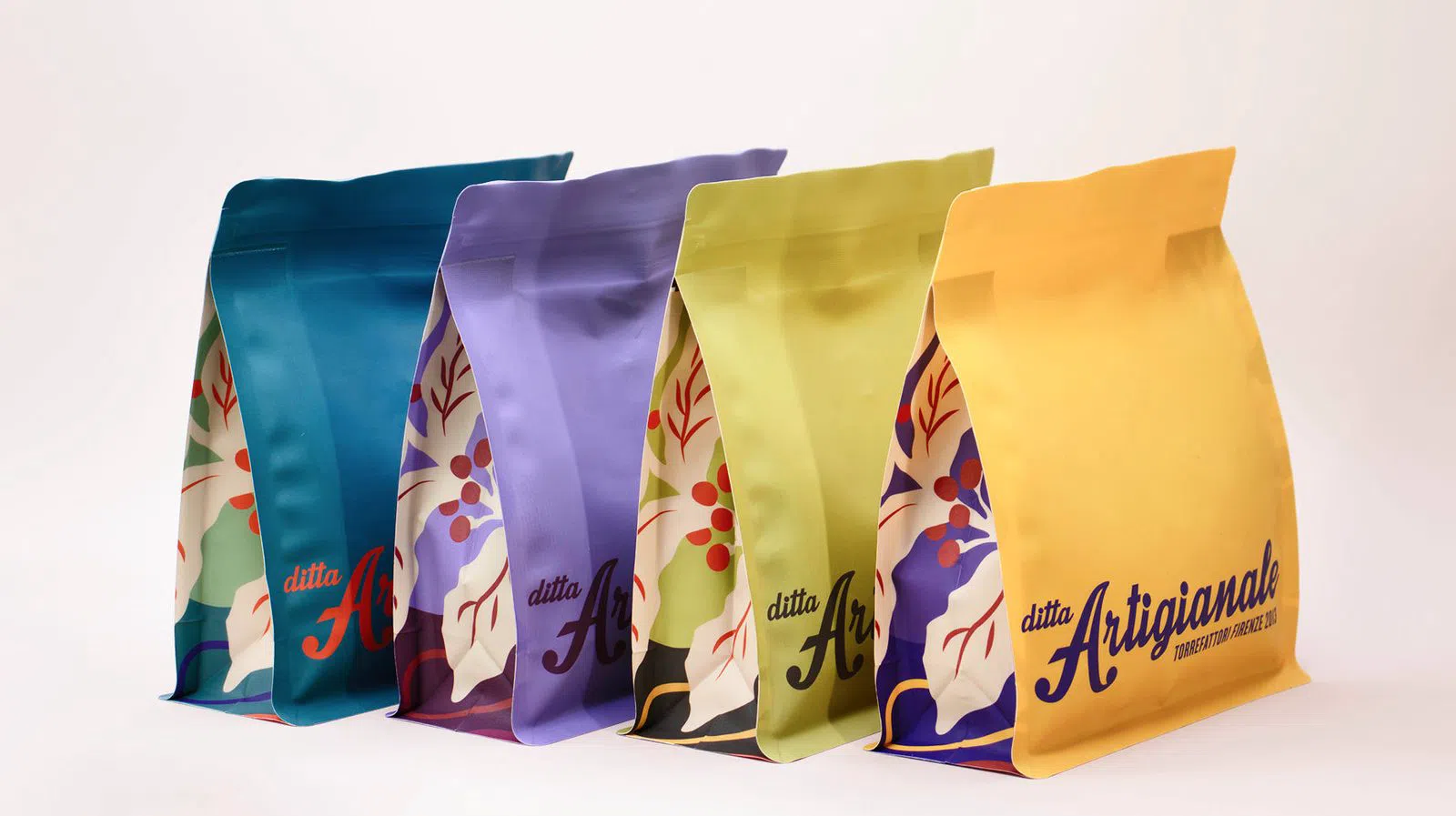
Ditta Artigianale (Oltrarno at Sprone, plus Via de' Neri and five more) is where you go when you want filter coffee without an argument about it. Francesco Sanapo's roastery effectively started Italy's specialty coffee movement, and the seventh Florence café opened on Via Solferino in January 2026. Coffee runs €2.50-7, brunch €12-20. The branches are large enough that a group can usually sit; Sprone and Neri are the busiest, so pick another at 10:00 on a weekend.
Feeding six or more without a stand-up row
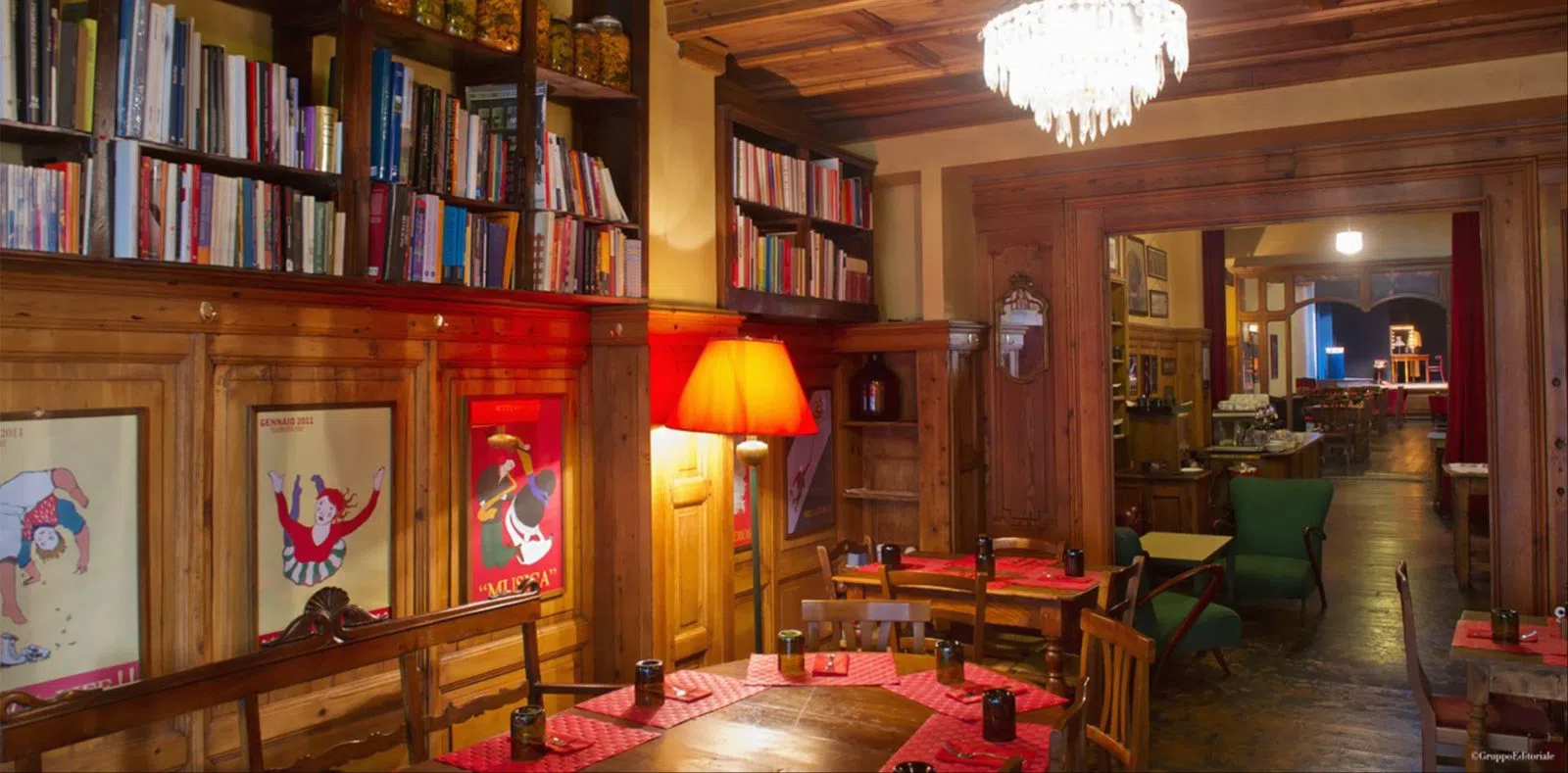
Teatro del Sale (Sant'Ambrogio) is the most fun a large party can have in this city. It is a members' club: buy the €15 card in advance, reserve, then pay around €30-40 for dinner and the show. The Cibrèo kitchen still cooks, the place having reopened after a two-year closure. Dinner is a full Tuscan buffet at communal tables where you serve yourself as each dish is called out, and then Maria Cassi runs a live performance on the stage at the end of the room. One price, no menu negotiation, no splitting a bill fourteen ways at midnight.
Beyond that the hierarchy for groups is simple. Mercato Centrale upstairs for anything unbookable and mixed. Il Vegetariano when nobody planned ahead. Santarpia and Il Santo Bevitore when somebody did. Sostanza and Teatro del Sale only with a reservation made days out. And for two people, the counters, Zeb, Da Nerbone and Procacci, beat any table you could book.
A day that works
If you get one full day for eating, the shape is straightforward. Coffee at 08:30, then Sant'Ambrogio at 09:00 while the stalls are still full; buy fruit and cheese for later. A panino at Semel at 11:30 before the bread goes, or Da Nerbone at the same hour to get ahead of the queue. Spend the middle of the day across the river in the Oltrarno, where the workshops are, and take a second coffee at Sprone. Aperitivo at Procacci around 18:00: a glass and a truffle panino costs less than a cocktail and tastes better. Then dinner at whatever you booked. Don't try to do both markets in one morning, because they close at 14:00 and you will rush the second one.
Practical notes
Everything here except Santarpia sits within a 25-minute walk of the Duomo, and the walk is the point, because the centre is small and largely closed to traffic. For Santarpia, take the tram from the Santa Maria Novella side or budget twenty minutes on foot each way, and don't plan it for a night when you're already tired.
Cards work almost everywhere, but carry €20-30 in small notes for market stalls, standing counters and the hatch at Semel. Expect a coperto of €2-3 a head at sit-down places, which covers bread and cover, and beyond rounding up, tipping isn't expected.
Both markets die at 14:00. Lunch service is roughly 12:30-14:30 and dinner rarely starts before 19:30. Sunday is the weak day: Da Nerbone, Sostanza and Procacci are all closed, Brac skips lunch, and the markets are shut. Build Sunday around the Mercato Centrale food hall, a dinner at Il Vegetariano or Santarpia, or Il Santo Bevitore.
Markets, panini and a glass of wine will feed you well for €25 a day. One proper dinner with wine lands at €60-80 a head. Add a starred lunch and you're at €150 upward, and the €60 'Ora' menu at Saporium is the cheapest honest route into that tier.
Staying inside the walls means you can walk home from a 21:00 seating instead of negotiating a taxi; compare rates with a Florence hotel search, and for museums, timing and the rest of the city read the full Florence guide.
Before you go
Where should I try lampredotto if I've never eaten tripe before?
Da Nerbone, inside the Mercato Centrale in San Lorenzo, has been selling it since 1872 and charges €5 to €7 for a panino. It's a standing counter with no reservations, so watch the order in front of you and copy it. Go at 11:30 or after 13:30: between 12:30 and 14:00 the queue runs to twenty minutes. Closed Sundays.
Is there serious vegetarian food in Florence, or just side dishes?
Yes. Il Vegetariano in San Marco has cooked meat-free since 1981, self-service, mains €9.50 to €14, with vegan and gluten-free options daily. Brac in Santa Croce does vegetarian and vegan plates at €14 to €22. At the top end, Saporium holds a Michelin star and a green star in the 2026 guide for vegetable-led cooking from its own farm.
What's the best dinner for a group of eight?
Teatro del Sale in Sant'Ambrogio has communal tables, a Tuscan buffet from the Cibrèo kitchen and a live show, at €15 for the membership card plus about €30 to €40 a head. Reserve and buy the card in advance. If you haven't booked anything, the Mercato Centrale food hall upstairs takes everyone without a reservation and runs to midnight.
Which Florence restaurants do I actually need to book?
Trattoria Sostanza (two fixed seatings, tiny room), Teatro del Sale, Il Santo Bevitore, Brac for more than four, and Santarpia at weekends. Gucci Osteria isn't on the usual booking networks, so phone the restaurant, and call ahead for six or more. Zeb takes no lunch reservations at all, so turn up as a pair or a trio.
How much does eating well in Florence cost per day?
Markets, panini and a glass of wine will run about €25 a day. One sit-down dinner with wine is €60 to €80 a head at somewhere like Il Santo Bevitore. Michelin-starred dinner is €120 to €180; the cheapest way into that tier is the €60 'Ora' express lunch at Saporium, Tuesday to Friday.