The Florence issue
When Florence Actually Fills Up and How to Book Around It
Florence's crowds and room rates peak in the mild months, not the hot ones, and three tickets plus three fixed dates decide whether the trip works.

By Élodie FournierFlorence beyond the Uffizi queue
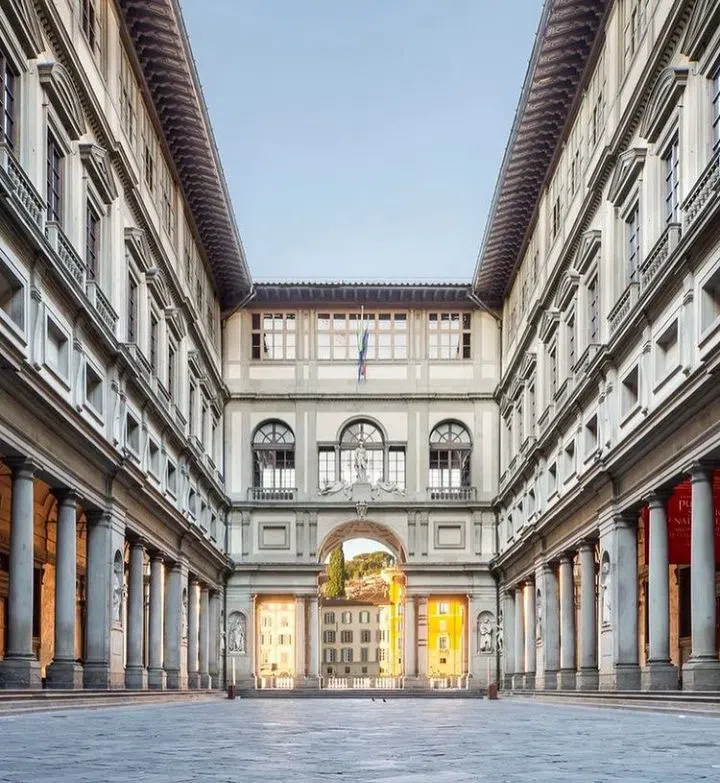
In October the line outside the Accademia forms before the light does, folding back along the flank of Piazza Santissima Annunziata while the cafés are still unstacking chairs. By eleven the Uffizi desk is selling for tomorrow rather than today, and the woman at the window has stopped apologising about it. Florence's busiest weeks are the mild ones on either side of summer, not the middle of it, and room rates follow the crowd rather than the thermometer.
What the Florence calendar does
High season here is measured by sell-out times, not by a temperature chart. From March to October the ticket desk at the Gallerie degli Uffizi (Piazza della Signoria, on the river side of the centre) sells out by mid-morning. That is eight months of the year in which walking up after breakfast is a gamble.
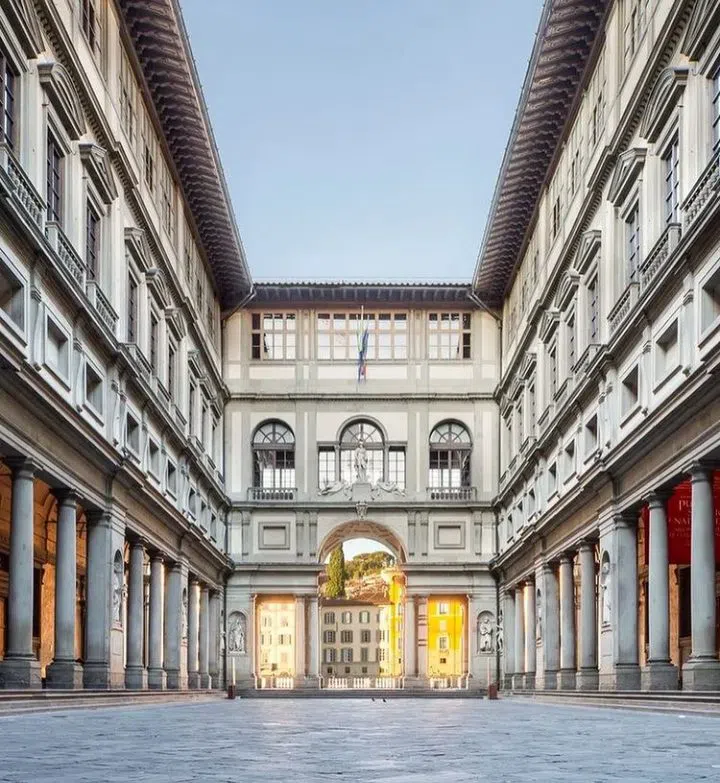
Inside that long plateau there are two swells. The first is late spring, when the light is long and the coach operators return. The second catches people out: late September into October, when the heat drops into comfortable walking range, the days are still open and gold at six in the evening, and the city's fair and events calendar reopens after the summer. Autumn looks like a quiet season that happens to have good weather. It is the one the trade books.
What softens is January, February and most of November: cold mornings, early dark, shorter museum queues, and hotel rates that finally behave. Each of those months has one week or weekend that breaks the pattern completely, and all three are named further down.
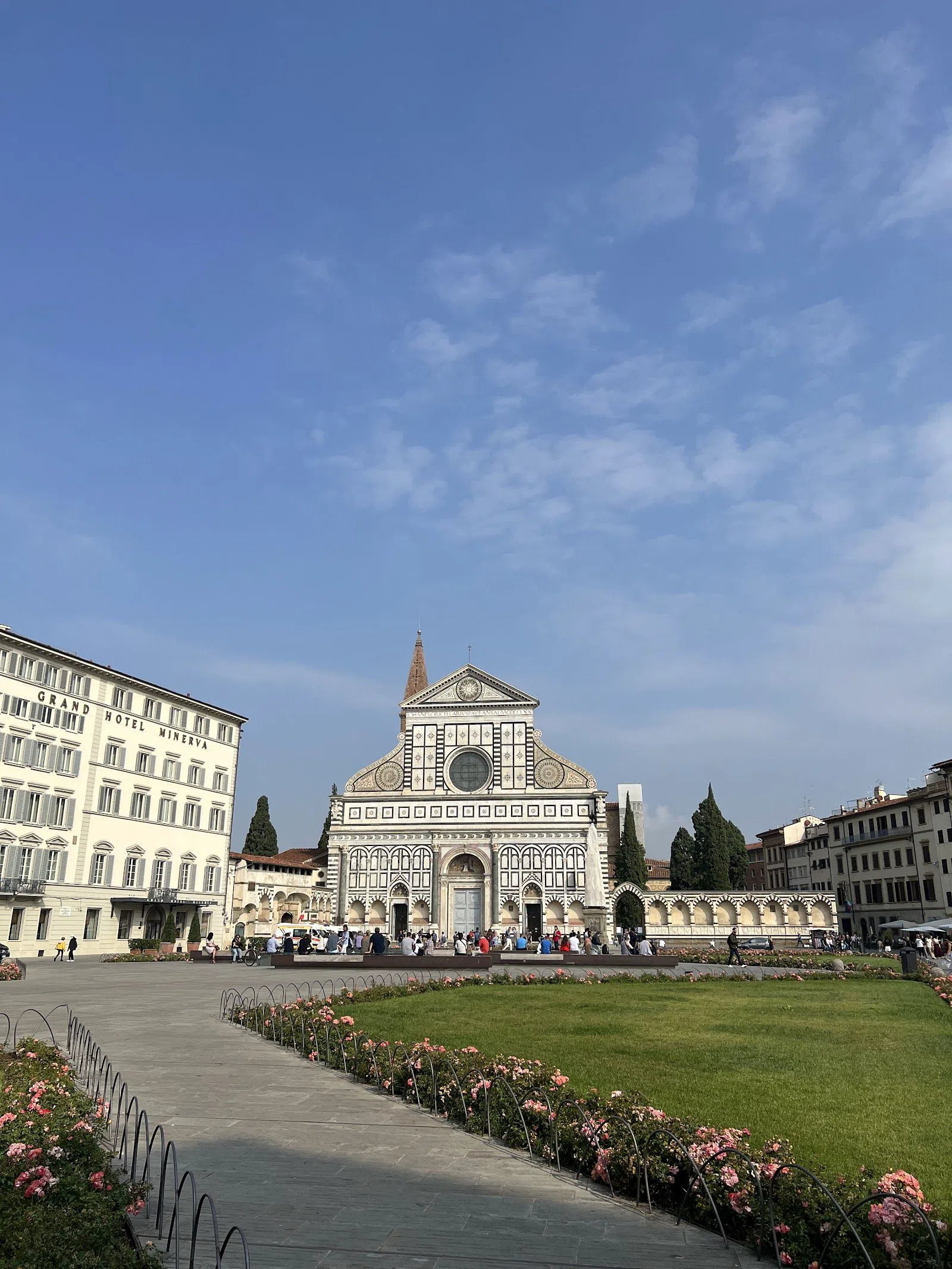
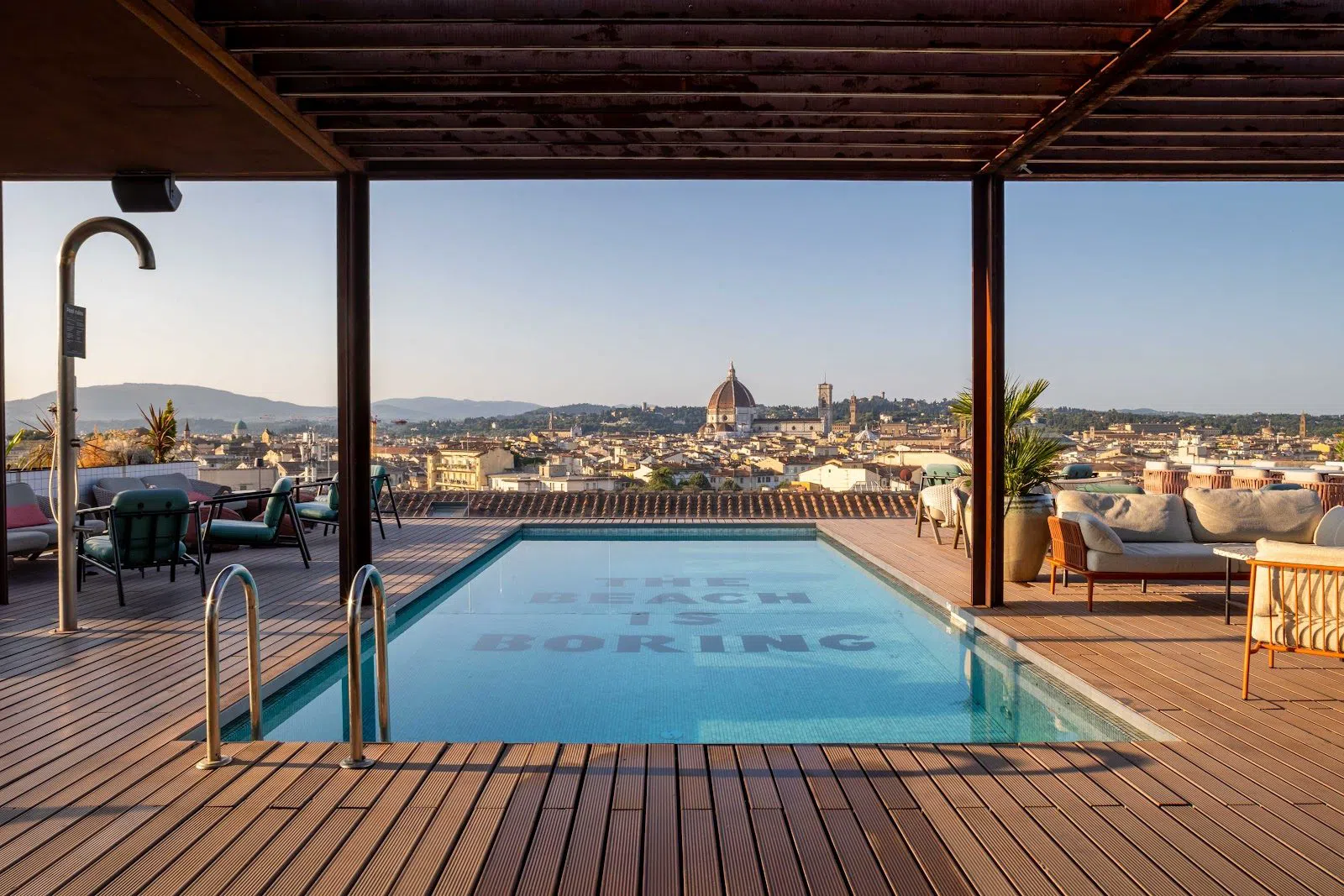
Season changes the product as well as the price. The rooftop pool at the Grand Hotel Minerva (Piazza Santa Maria Novella) runs April to October only, the plainest example of a hotel being two different hotels depending on the month. The same room in November is a good central room. In June it is a good central room with a pool on the roof and a view over the square. Book the month as well as the address.
Plan your Florence trip
Live prices from our booking partners.
Free cancellation on many rooms. We may earn a commission when you book.
The three tickets that set your dates
Most Florence itineraries are decided by three entries, and two of them have rules that will reshape your flights if you find out about them late.
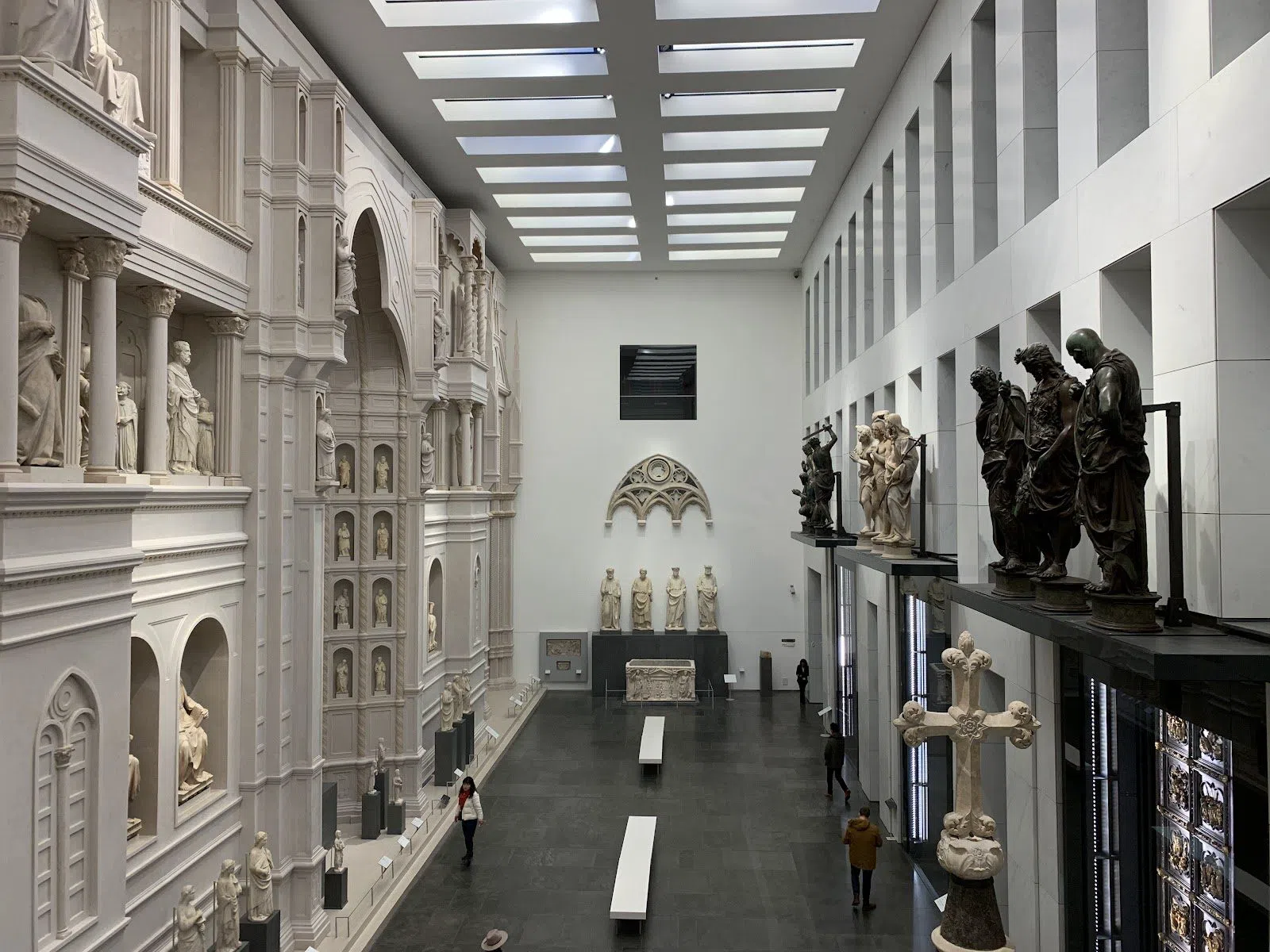
The hardest thing in the city to get at short notice is the Dome climb at the Opera di Santa Maria del Fiore (Piazza del Duomo, the complex covering Brunelleschi's Dome, Giotto's Bell Tower and the Baptistery). The Brunelleschi Pass is €30 and runs three days, including the Dome; the Giotto Pass is €20 and the Ghiberti Pass €15. The climb is timed and nominative: names are fixed at purchase and cannot be changed afterwards. If your party is still firming up, that is a real constraint rather than a formality, and it is why large flexible groups struggle here in a way they do not at the museums. In spring and summer, Dome slots go two to four weeks ahead, and the morning ones go first. One date to note: the Dome is reported closed for maintenance from 16 to 20 November 2026. Confirm on the official site before you build a trip around that week, because November is otherwise one of the sane months to climb it.
The Galleria dell'Accademia di Firenze (San Marco, north of the Duomo) is closed on Mondays, and that single fact wrecks a lot of short breaks. A Sunday-to-Tuesday stay that leaves David for the Monday leaves without seeing him at all. Admission is €16 at the desk or €20 online, which is the same €16 plus a €4 mandatory booking fee. From 15 March 2026 there are combined tickets, €26 with the Bargello and €38 for six museums, worth the arithmetic if you are staying four nights or more. The free first-Sunday admission is walk-up queue only, so it does not work for a group and costs a good part of a morning standing on the pavement.
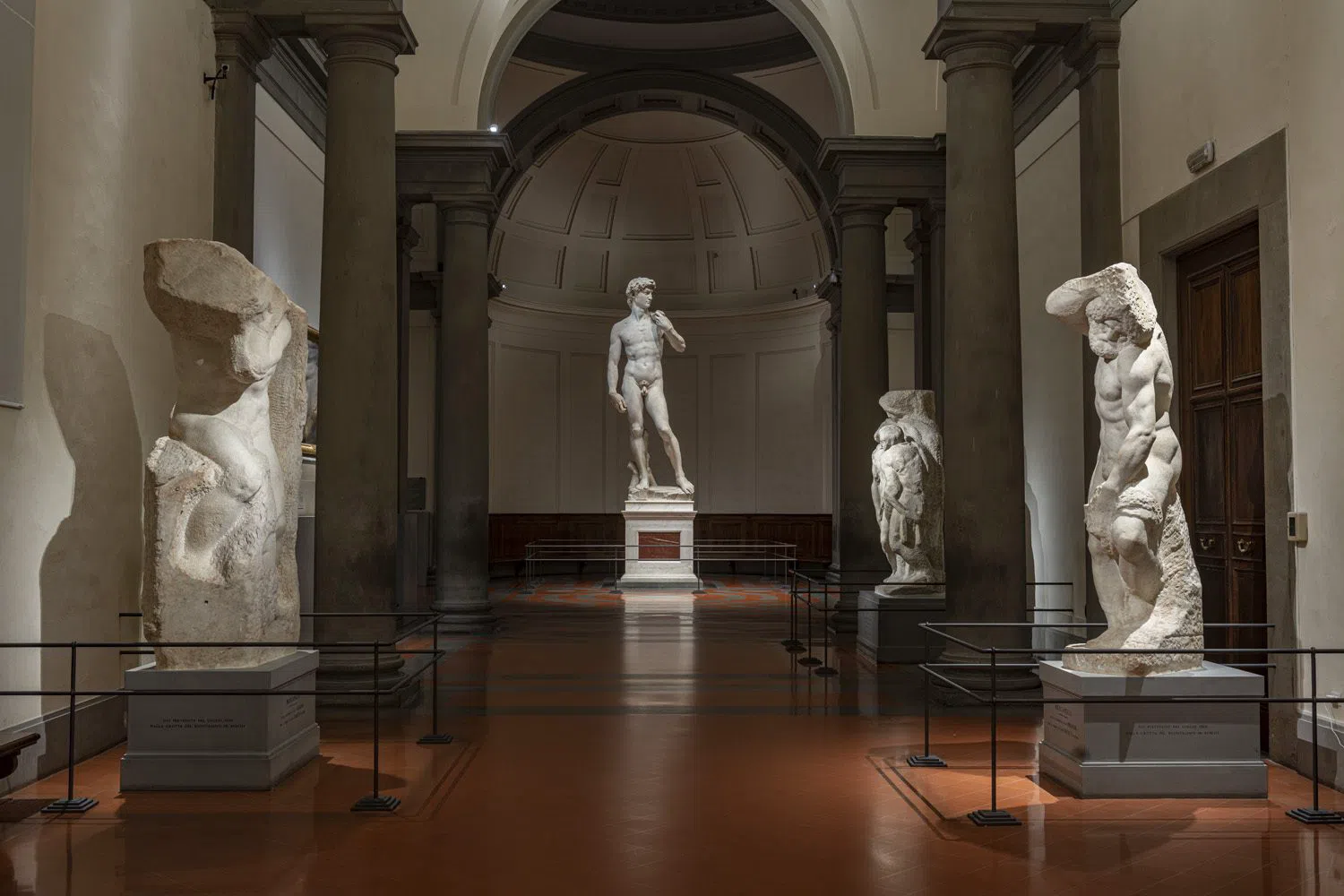
The Uffizi is the one venue in Florence where booking early costs you money. As of 1 January 2026 it is €25 at the desk on the day, €29 booked in advance, and €16 for entry from 4pm. Advance tickets carry a €4 surcharge over the desk price, so the choice is time-slot certainty against €4, not a discount you are missing. From March to October, pay the €4. From November to February you can walk up mid-week. The same office covers Pitti at €16 at the desk or €19 in advance, Boboli at €10 or €13, and a five-day PassePartout at €40, which pays for itself the moment you use two of the three.
One more thing about that €16 late slot at the Uffizi: in high season it is the best-value hour of the day. The corridors thin out after five, the Arno goes flat and metallic through the west windows, and you get the last ninety minutes at roughly the price of a walk-up in low season.
The rooms that disappear first
At the top of the market, autumn is when the distinctive inventory goes and the ordinary inventory gets expensive.
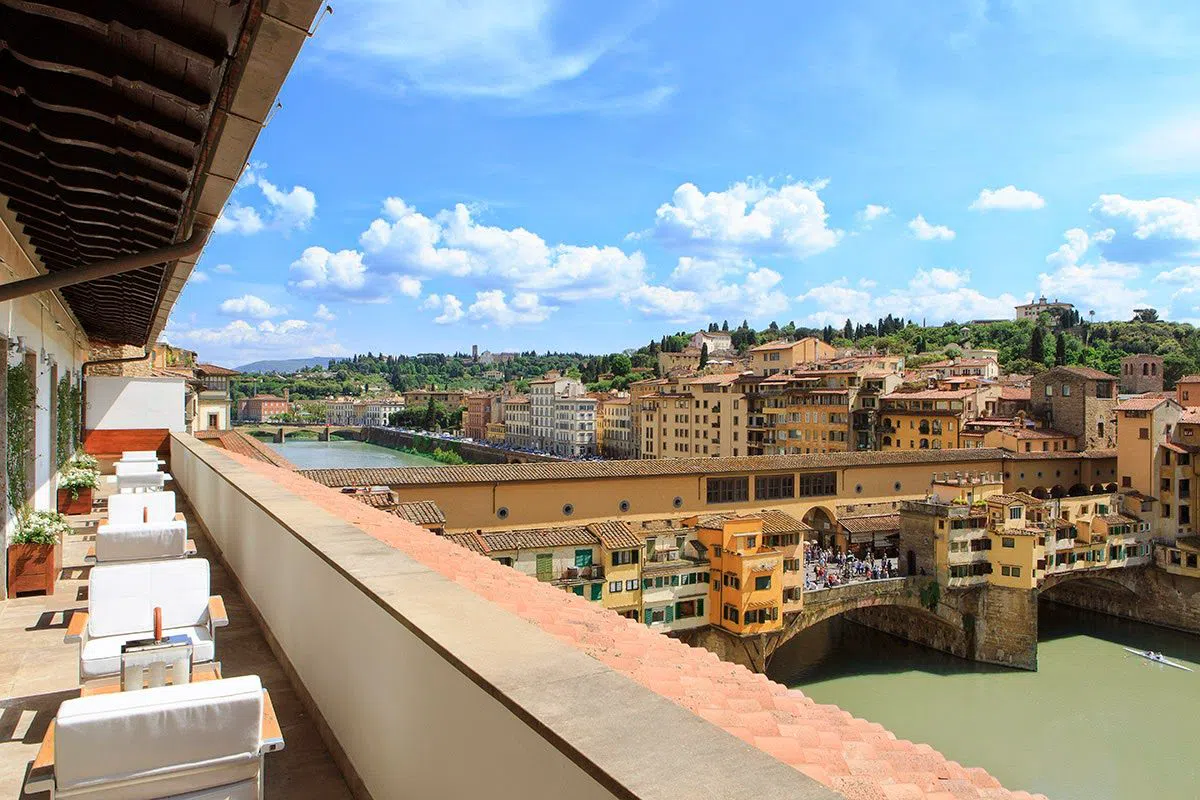
Portrait Firenze (Lungarno degli Acciaiuoli, directly at the Ponte Vecchio) is the Ferragamo-owned address with the actual bridge view, all rooms 48 sq m and up, with a penthouse floor of 273 sq m taking a maximum of ten guests. It suits a family or a small party taking that floor whole rather than any kind of coach group, and it is the sort of inventory that vanishes first when autumn demand lands. If the view is the reason for the trip, book it before the flights.
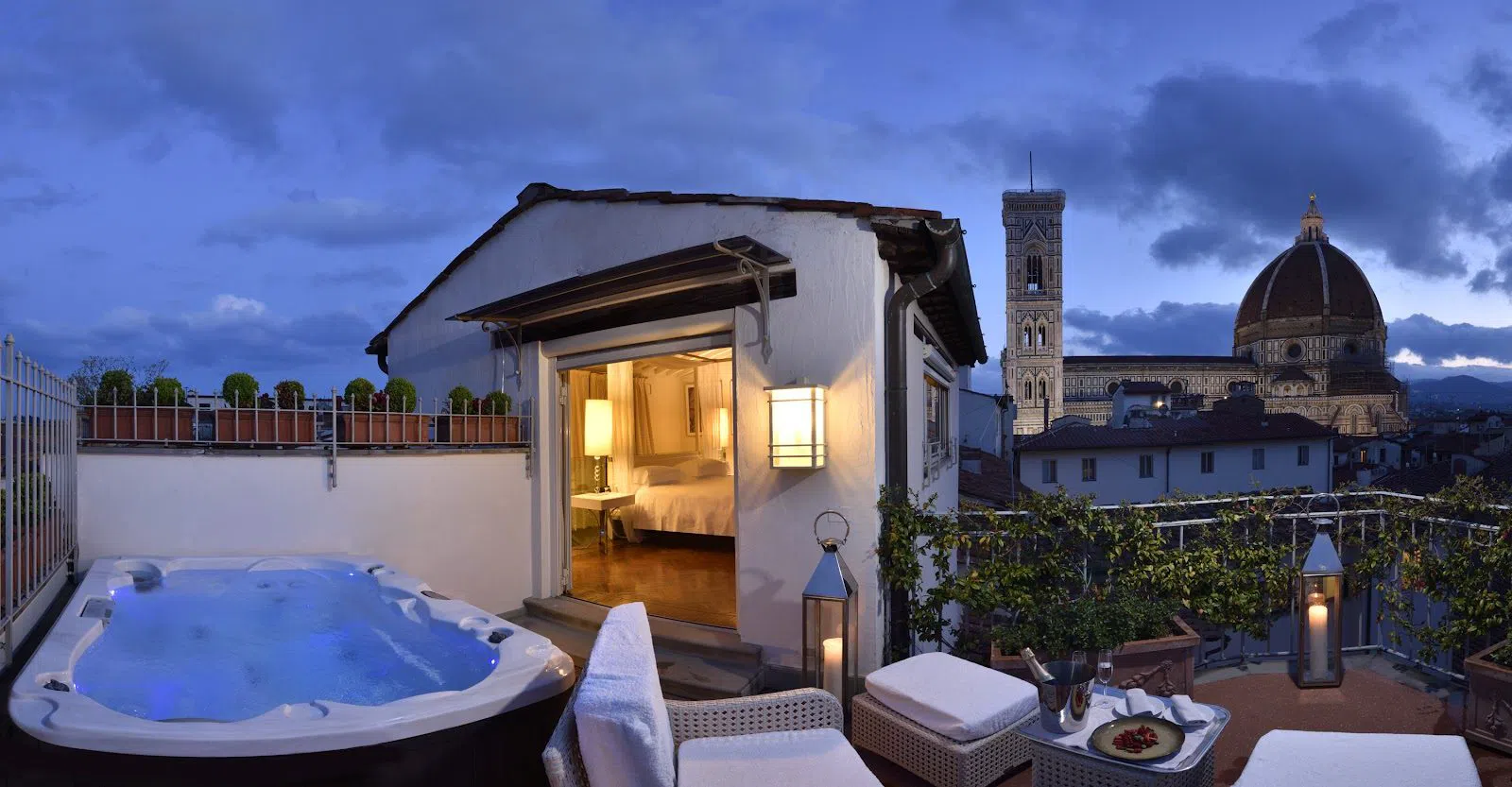
Hotel Brunelleschi (Piazza Sant'Elisabetta, ninety seconds from the Duomo) is a four-star built into a sixth-century tower, with a bar inside the tower itself. It was named the number one hotel in Florence in the Condé Nast Traveler Readers' Choice Awards, and it hosts meetings, events and weddings, so it carries both leisure and business demand. In autumn it is not a late-booking option.
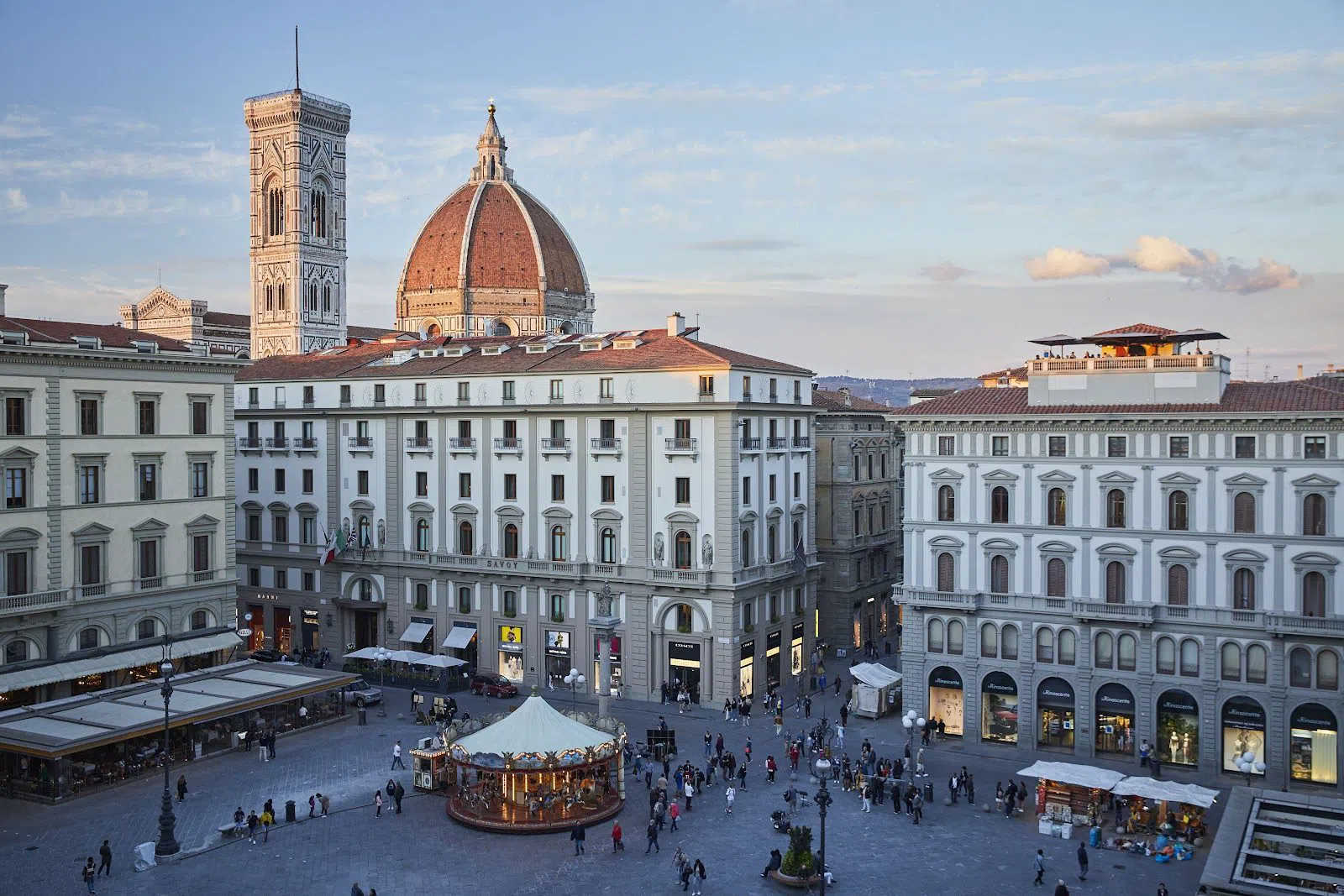
Rocco Forte Hotel Savoy (Piazza della Repubblica) reopened in July 2026 after a three-year refurbishment costing more than €9m, led by Olga Polizzi, with the Irene restaurant redone and a new Bar Artemisia. It takes groups, private events and buyouts, and it is a standard fashion-week block for buyers. Its rates have not settled into an old pattern since the renovation, so compare specific weeks against each other instead of assuming a shoulder-season discount holds.
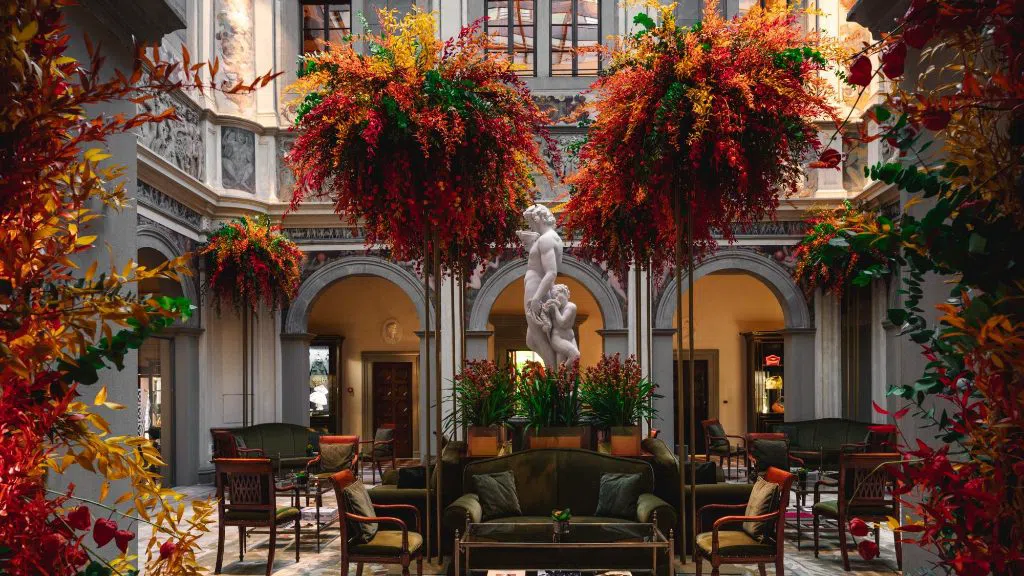
Four Seasons Hotel Firenze (Borgo Pinti, east of San Marco) is the one central address with real grounds, and it was ranked ninth on The World's 50 Best Hotels 2025. Its garden dining, at Onde and Circolo al Fresco, runs on a season of its own, so what you get in October is not what you get in July. It runs a full events and meetings operation, including weddings and buyouts, and the garden takes large private functions, which is also a reason a given weekend can be closed to you. If you are comparing these four across dates, run them together in a Florence hotel search instead of one at a time; the gaps between weeks are larger than the gaps between hotels.
Booking late without giving up the centre
When the centre is gone, and in late September it goes, the practical answer is height.
Villa Cora (above the Oltrarno, ten minutes up from the centre) is a Leading Hotels of the World member with a shuttle running groups into town. It handles weddings, corporate events and private parties, and its distance from the Duomo is the point: it is the trade anyone who books late is going to make anyway, made deliberately.
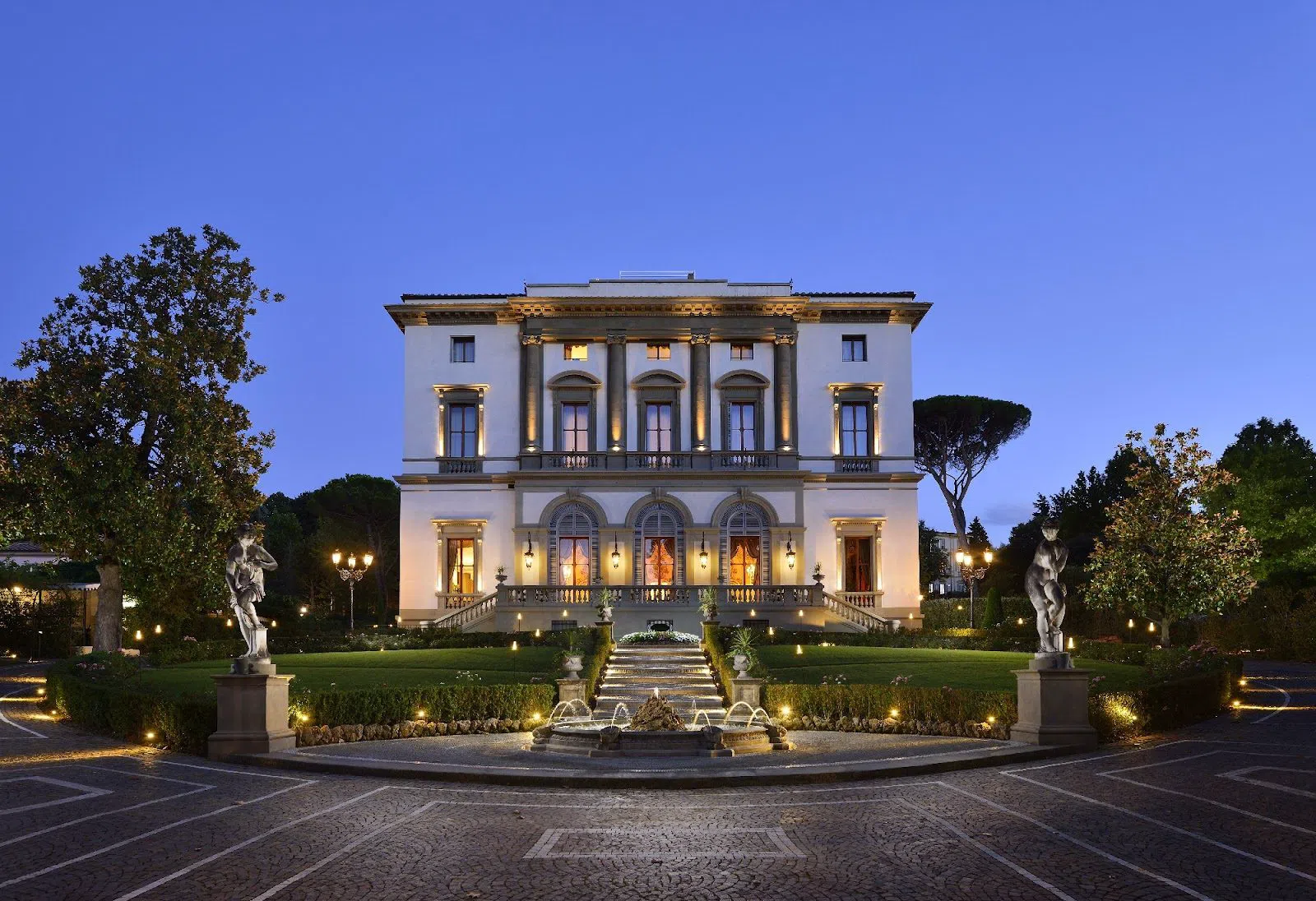
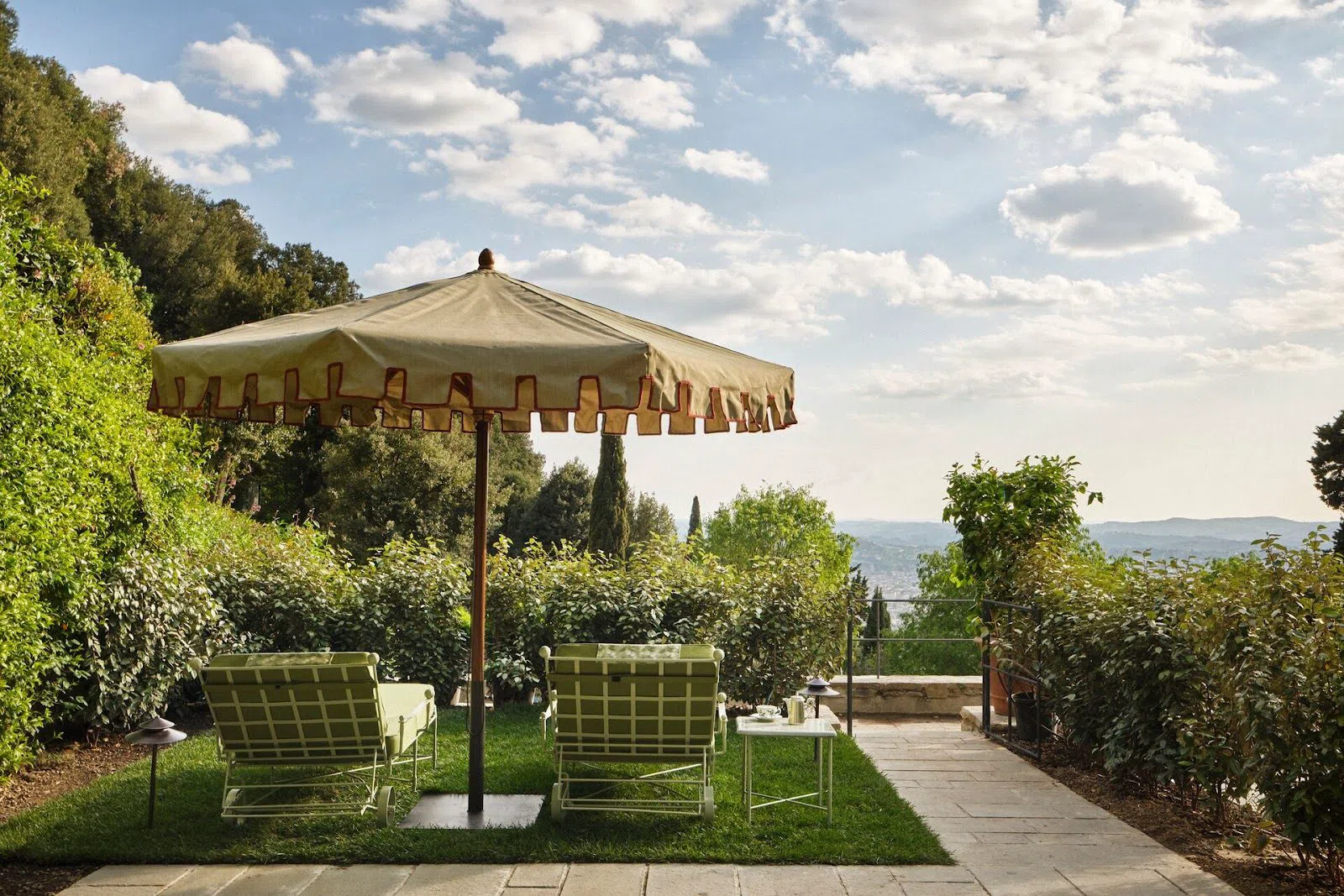
Villa San Michele, A Belmond Hotel, Florence sits higher again, on the hillside above the city, with 39 rooms and suites. It reopened on 28 April 2026 after an 18-month restoration, with a Guerlain spa and a new restaurant, Antesi, under the loggia. It takes small groups and buyouts rather than coach traffic. Check dates carefully before planning a late-autumn stay: the hill properties have historically shut over winter, and a reopening year tells you nothing about a closing date.
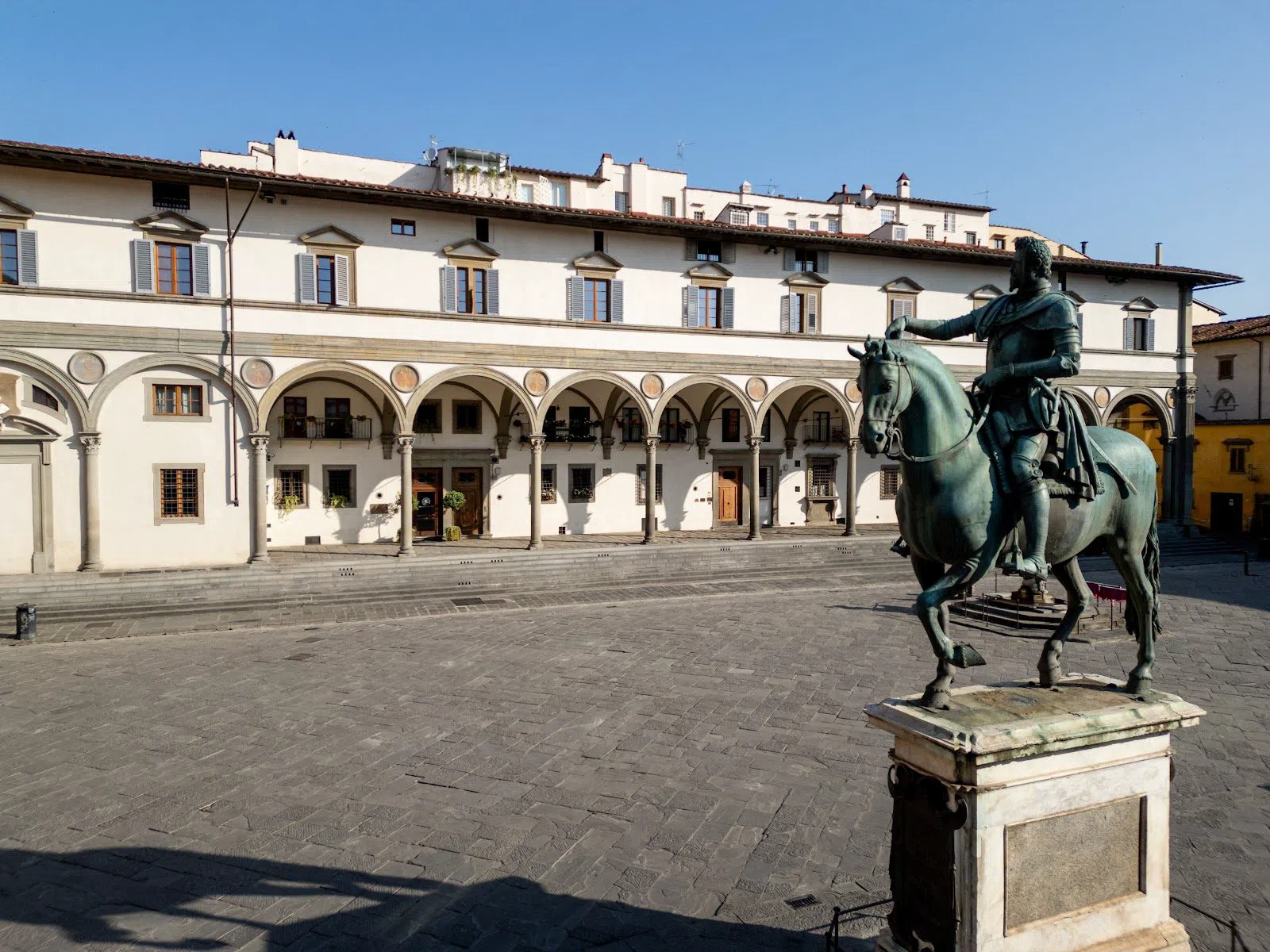
Back in the centre, the Grand Hotel Minerva runs 97 rooms with a dedicated meetings and events operation, enough scale to hold a real group under one roof, which is rarer in Florence than it sounds. Hotel Loggiato dei Serviti (Piazza Santissima Annunziata) is the sane price band in the historic centre: a small historic house two minutes from the Accademia, on the one great Renaissance square that most visitors walk straight past. It suits individuals, couples and small parties rather than groups, so ask directly if you are more than a handful, and it holds its value in the weeks when the Duomo-adjacent rates double.
Groups, students and the budget floor
The Social Hub Florence Lavagnini (Via Lavagnini, north of San Marco) is built for the bookings other hotels find awkward: long stays, student groups and teams. Two naming traps are worth knowing. It was The Student Hotel until the group rebranded in 2022, so older references will not match what you are searching for; and there is now a second Florence property at Belfiore. Book the wrong one and you are a long walk from everything you came for.
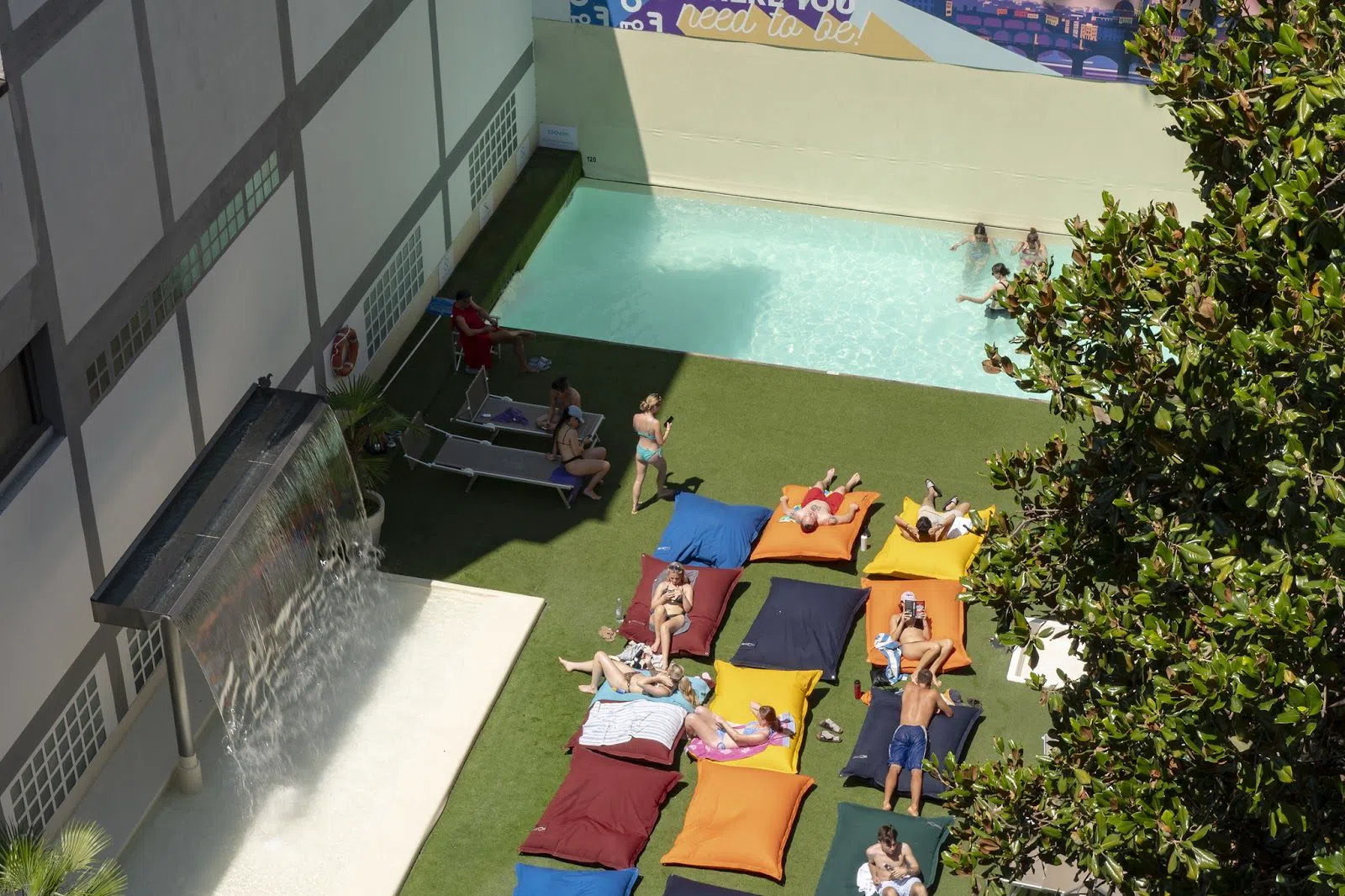
Plus Florence (north of the centre) is the realistic fallback when central rates spike: pools, a gym and a sauna at hostel money, with dorm beds through to private rooms. It is group-facing, with discounted group rates, a dedicated group team and coach loading points, and it is the one place on this list that can absorb a whole school group at short notice. Two hard rules: minors need signed parental authorisation, and under-12s cannot use the dorms at all, so a family with young children is booking private rooms or booking elsewhere.
Three dates worth booking around
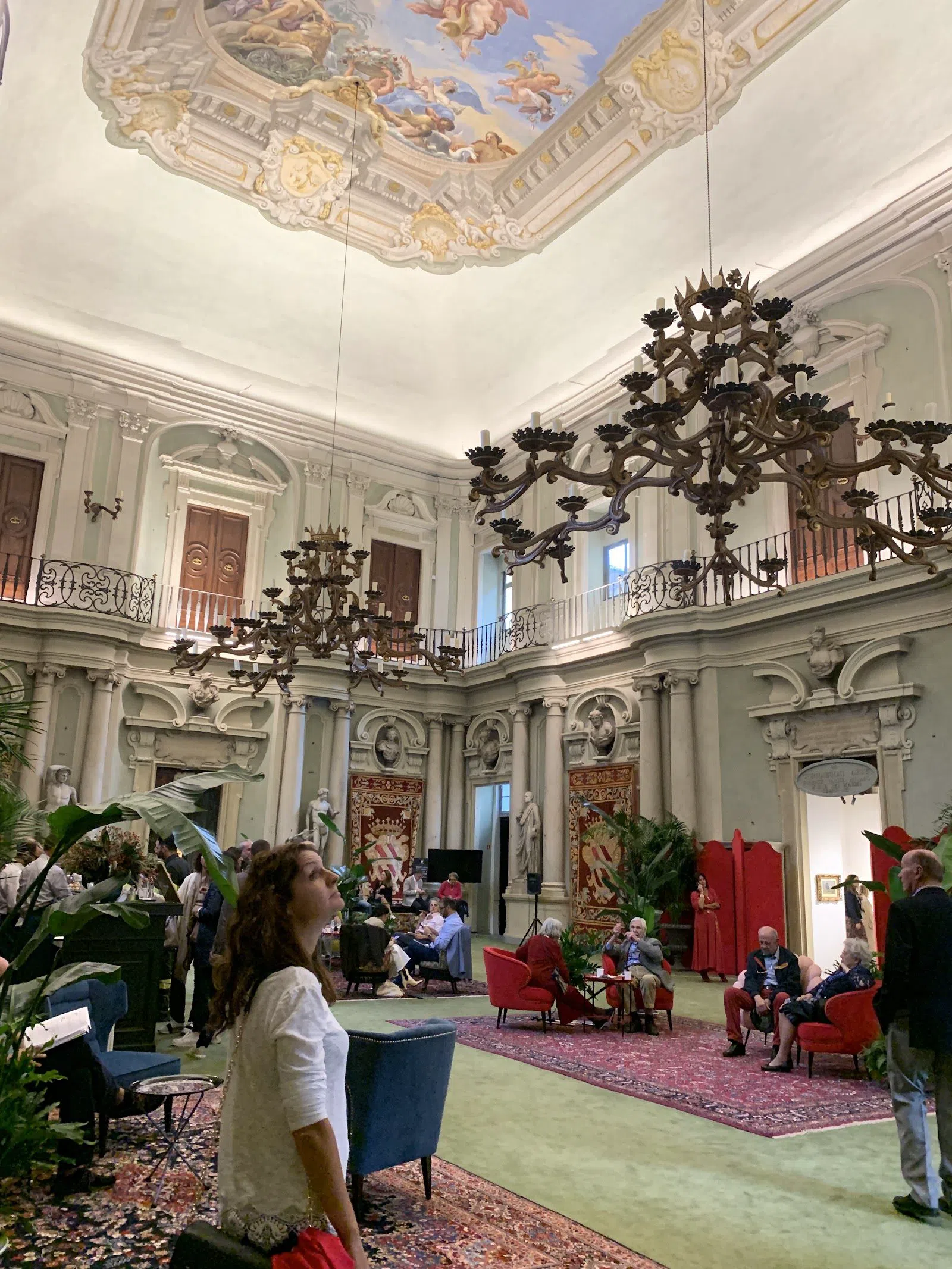
BIAF — Biennale Internazionale dell'Antiquariato di Firenze runs its 34th edition from 26 September to 4 October 2026 at Palazzo Corsini on the Lungarno. It is a public fair, so group and trade visits are normal, with the vetting committee and dealer previews the trade-only part, and the works run to seven figures. For nine nights it pulls collectors and dealers into the centre, across the stretch travellers assume is quiet shoulder season.
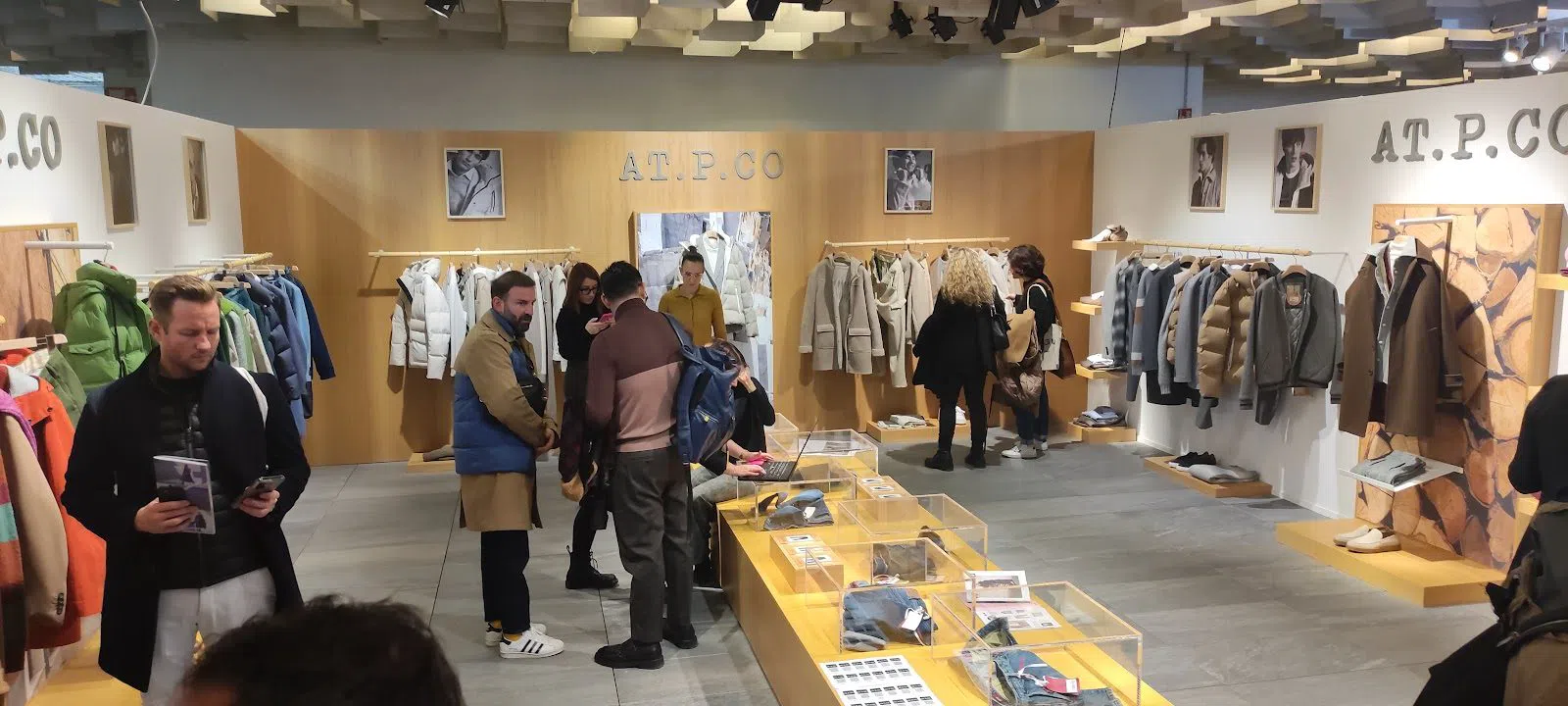
Pitti Immagine Uomo at Fortezza da Basso is the clearest book-around date on the calendar. The next editions are 12 to 15 January 2027 and 15 to 18 June 2027. The fair itself runs an accommodation service because the city sells out, which tells you everything about the surcharge. January is otherwise the cheapest month of the Florence year, and it contains this one brutally expensive week. Shift by seven days in either direction and you are in a different city, pricewise.
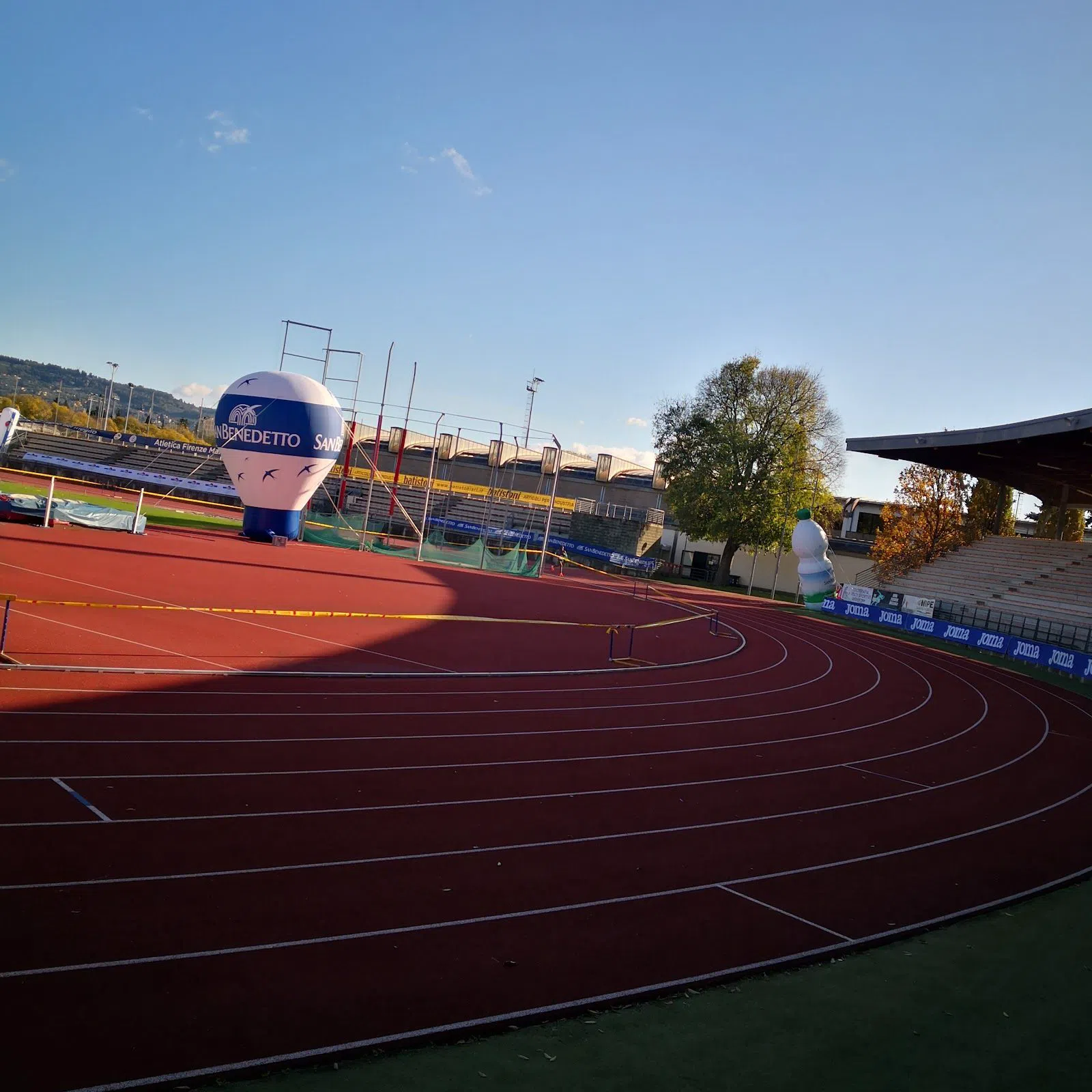
The Estra Firenze Marathon holds its 42nd edition on 29 November 2026, with a 3x7K charity relay and a 10K alongside it. The marathon is already sold out with a waiting list, and rates that weekend behave like high season: even the cheap month has a weekend where the beds go early. If you are not running, move a week. If you are, book the room before the entry.
Practical notes before you book
Florence is a walking city and the historic centre is restricted to traffic, so a hire car is a liability. Leave it outside and walk, or use the hotel's parking arrangement and forget it for the duration. Taxis are taken from ranks or ordered, not flagged down. The hill properties are the exception: budget for a shuttle or a cab each way, and treat the last one at night as part of the room rate.
Cards work almost everywhere, but keep small notes for coffee taken standing at a bar, and expect the per-person, per-night tourist tax to be collected at the property rather than shown in your online rate.
On timing, the decision that matters is which month you land in. March to October, book the Dome first, two to four weeks minimum and morning slots earlier, then the hotel, then the Uffizi slot, and check that no part of your stay leaves the Accademia for a Monday. November to February, reverse it: pick your dates around the three fixed weeks above, then walk up to the museums mid-week and pay the desk price.
On budget, the three headline entries come to roughly €79 a head booked ahead: €30 for the Brunelleschi Pass, €29 for the Uffizi, €20 for the Accademia. There are cheaper routes through that if you are staying longer, whether the €40 five-day PassePartout or the €38 six-museum combination available from 15 March 2026. Rooms are where your money moves: the swing between a fair week and an ordinary February night at the top of the market is larger than everything else in this article put together. For what to do once the dates are settled, the Florence guide covers the rest of the city.
Before you go
When is Florence actually busiest?
From March to October the Uffizi desk sells out by mid-morning, so that whole stretch is high season in practice. The worst crowding and the highest room rates land in late September and October, when the weather turns comfortable and the fair calendar reopens, not in the heat of midsummer.
How far ahead do I need to book the Dome climb?
In spring and summer, Dome slots at the Opera di Santa Maria del Fiore go two to four weeks ahead, and the morning ones sell out first. The climb is timed and nominative (names are fixed at purchase and cannot be changed), so if the climb matters, book it before your hotel. The Dome is also reported closed for maintenance from 16 to 20 November 2026; confirm on the official site.
Is it cheaper to buy Uffizi tickets in advance?
No. Since 1 January 2026 the Uffizi has cost €25 same-day at the desk and €29 booked in advance, so €4 buys a guaranteed time slot. From March to October the desk sells out by mid-morning and the €4 is worth paying. In the quiet months you can walk up mid-week. Entry from 4pm is €16 year-round.
Which days should I avoid for museums in Florence?
The Galleria dell'Accademia is closed on Mondays, which catches out short breaks: a Sunday-to-Tuesday stay that saves David for Monday sees nothing. The free first-Sunday admission is walk-up queue only, so it costs a morning and does not work for a group.
Is January a cheap time to visit Florence?
January is the cheapest month of the year in Florence with one exception: Pitti Immagine Uomo at Fortezza da Basso, next running 12 to 15 January 2027, when the city sells out and hotel rates spike. Shift your dates a week either side and the saving returns. November works the same way, with the Estra Firenze Marathon weekend on 29 November 2026 as its one expensive date.