In this area
The Florence issue
Porta al Prato & Cascine, Florence: the city’s green, practical west side
West of Florence’s marble sheen, Porta al Prato and the Cascine trade postcard prettiness for space, tramlines, cheap dumplings, opera, and the city’s biggest park.
By Carlotta BenvenutiFresco by fresco, Uffizi to Oltrarno bottega
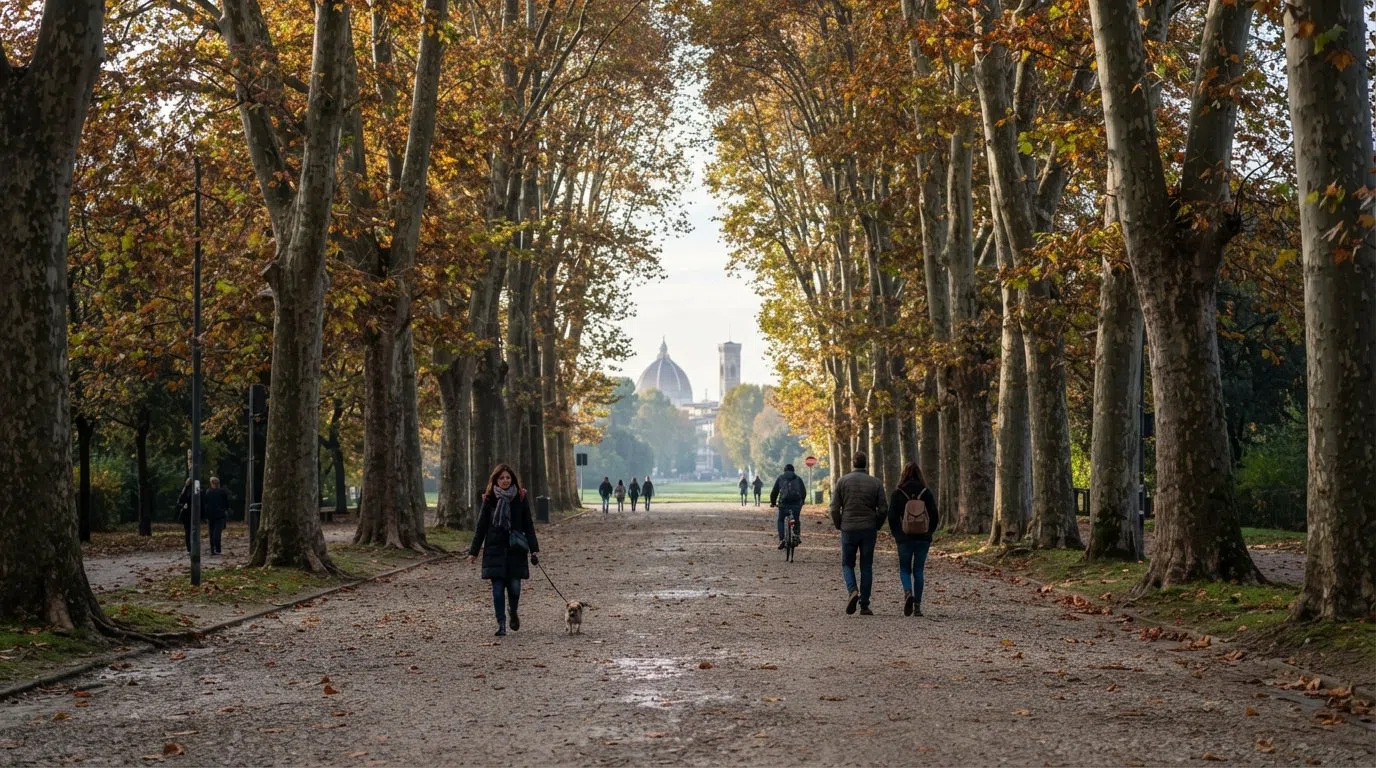
West of the tourist crush, past the old gate of Porta al Prato, Florence loosens its collar. The streets widen, the tram wires start to matter, and the city gives over to a different rhythm: joggers at dawn, market carts by Tuesday morning, opera-goers after dark, and a park that runs for 160 hectares along the Arno like a green exhale. This is not the Florence of marble façades and reverent shuffling. It is the Florence of room to breathe, of practical boulevards, of cheap dumplings and a public park that locals actually use.
What Porta al Prato & Cascine is known for
Porta al Prato is the surviving 14th-century city gate on the western ring of boulevards, the old threshold between the walled city and whatever came after. Beyond it lies Le Cascine, and the name matters: this is Florence’s largest public park, the Parco delle Cascine, unrolling along the north bank of the Arno from Piazza Vittorio Veneto to the pointed western tip at the Ponte all’Indiano. It began as a Medici farming and hunting estate in 1563, when this was private land and not public leisure; the word cascine itself comes from an old term tied to the dairy that once stood here. Pietro Leopoldo opened it to the public in 1776, and the avenues and fountains he laid out still give the place its bones.
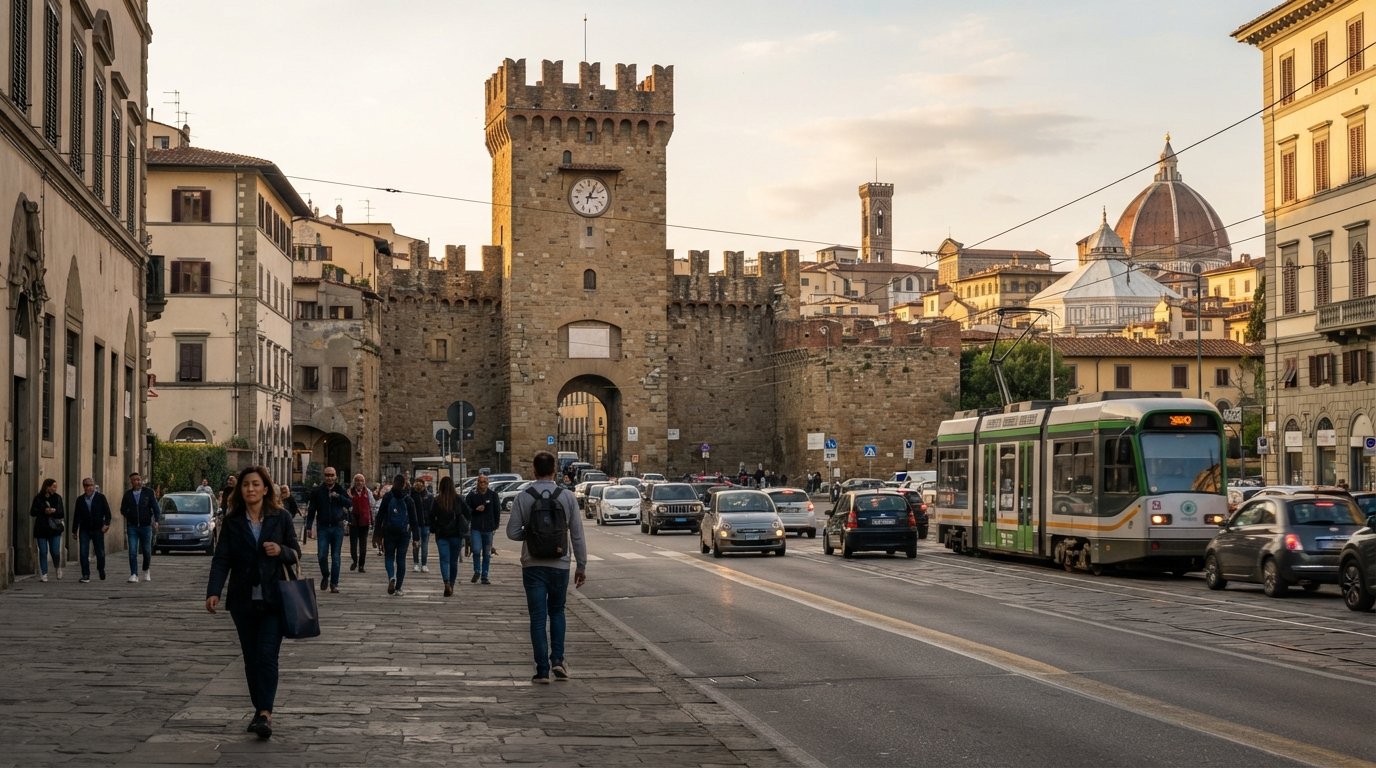
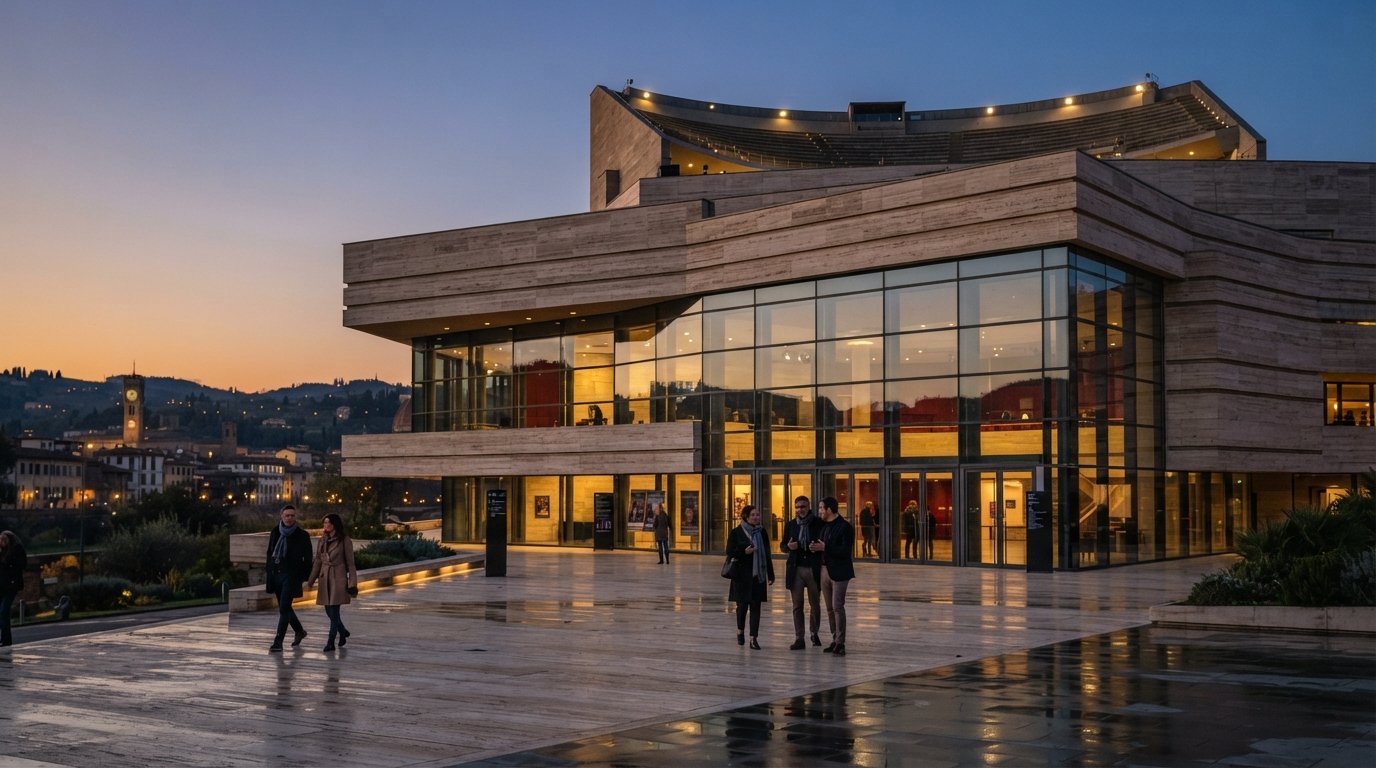
The park has its own literary weather. In autumn 1819, Shelley is said to have been moved by a windy afternoon near the fountains to write Ode to the West Wind — a neat reminder that the Cascine, for all its practicality, has always had a little poetry in the trees. At the far end stands the Monumento all’Indiano, a strange and moving memorial raised to a young Indian maharajah who died in Florence in 1870 and was cremated where the rivers meet. The city-facing edge is more modern in tone: the Teatro del Maggio Musicale Fiorentino, Florence’s principal opera house, and the Stazione Leopolda, Tuscany’s first railway terminus, now a cavernous events hall.
What you feel here, more than anything, is scale. The centre of Florence compresses genius into every corner; Porta al Prato and the Cascine spread out instead. The viali are broad, the park is flat, and the air under the trees is noticeably cooler on a hot day. It reads as practical rather than pretty — and that is precisely the point. This is where Florence keeps its elbows out.
Plan your Florence trip
Live prices from our booking partners.
Guests & rooms
Free cancellation on many rooms. We may earn a commission when you book.
Where to eat & drink
The food story here is not about white-tablecloth Tuscan reverence. It is about value, speed, and the city’s quietly international appetite, especially along Viale Belfiore and the roads around it. The best-known local secret is the cluster of Chinese and Italo-Chinese kitchens that have made this part of Florence feel less like a culinary museum and more like a neighbourhood with a pulse.
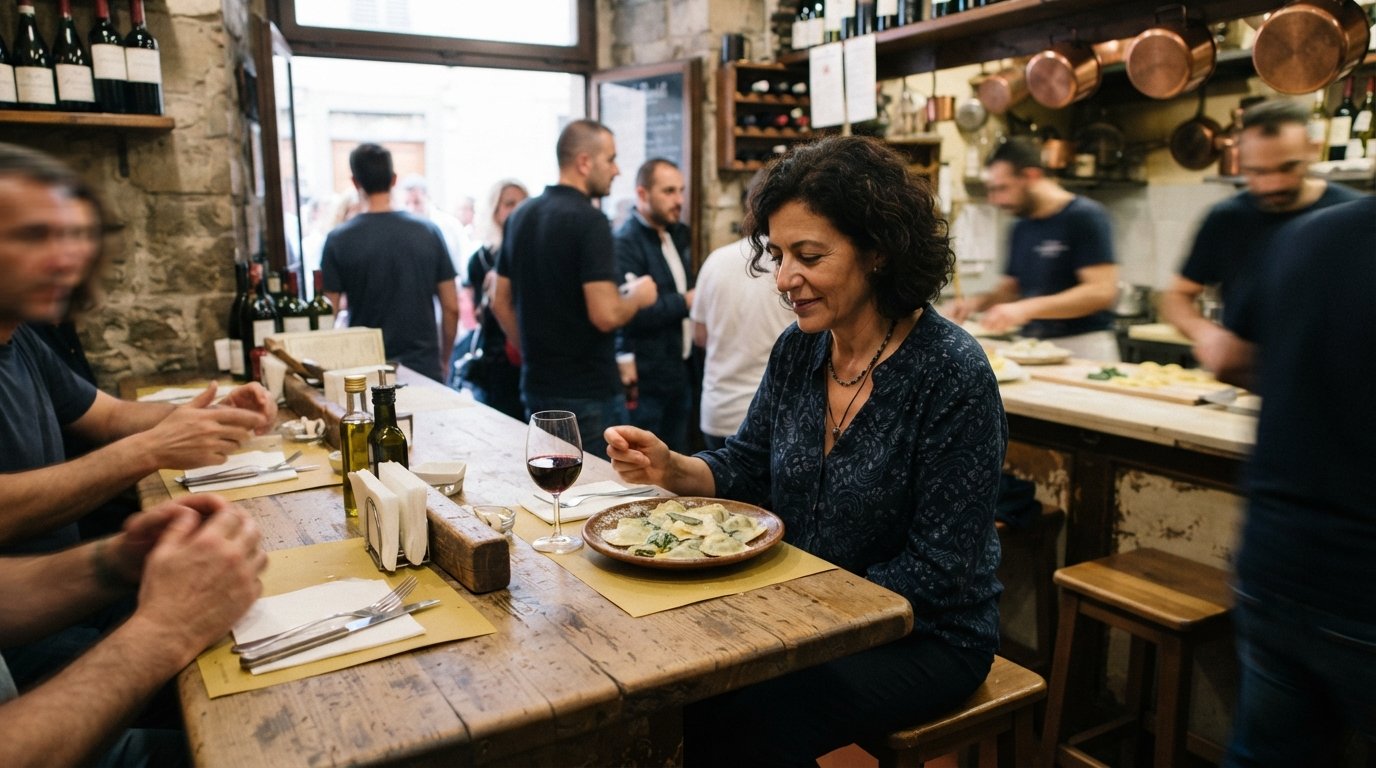
Vino e Ravioli, also trading as Ravvin, is the sort of place that makes you trust a city a little more. It is a tiny Tuscan-Chinese counter on Via del Ponte alle Mosse, run by a Tuscan-Chinese couple, with hand-folded steamed ravioli in meat or vegetable fillings for around three to four euros a plate and house vino sfuso for barely more than a euro. You order at the till, you squeeze in, and you remember that good food does not need a velvet rope.
A short walk away, Il Gusto di Xinge on Viale Belfiore is the polished opposite: chef Xin Ge’s contemporary dim sum earned a place in the Michelin Guide, and the plates arrive with a little theatre, including lychee-shaped shrimp-and-cheese parcels. This is where the neighbourhood’s budget-minded pragmatism meets ambition. Book ahead; the room knows what it has.
For Japanese food, Zushi at Viale Belfiore 6/A keeps things well-priced and relaxed, with sushi sets served in lounge-lit rooms and sunken garden-style tables. It is the kind of place where the lighting flatters both the food and your travel decisions. Haveli on Viale Fratelli Rosselli 31r–33r has the opposite charm: long-running, cheerfully dated, and very good for groups, with the easy familiarity of a restaurant that has fed many a mixed-table dinner without fuss. And when the day asks for coffee rather than a meal, Caffè Castorino on Via del Ponte alle Mosse is the neighbourhood’s specialty-coffee stop, a useful little anchor in a district that otherwise prefers practicality to ceremony.
On Tuesdays, the park itself becomes a dining room of another sort. Follow the crowd into the Cascine for porchetta panini and street food from the market stalls, and eat standing up like a Florentine who has somewhere to be. The city’s best-value lunch is often the one you didn’t plan.
Going out
The evening life here is built on large rooms and larger skies. The Teatro del Maggio Musicale Fiorentino is the district’s cultural heavyweight, Florence’s main opera house and the anchor for a year-round programme of opera, ballet and symphony. Its July Cavea season moves outdoors to the rooftop amphitheatre, where the city opens above the stage and the evening air does half the dramatic work for the performers. There is something almost corrective about it: after a day in Florence’s dense historic centre, a rooftop amphitheatre feels like a release valve.
The Stazione Leopolda is a different kind of stage. The old railway shed hosts fashion shows, food expos, concerts and club nights depending on the calendar, and the appeal is precisely that it refuses to be one thing. It is cavernous, adaptable, and a little rough around the edges in the best possible way. If you like your culture with a bit of industrial echo, this is your room.
Then there is the Visarno Arena inside the Ippodromo del Visarno, Florence’s big open-air concert ground and the home of Firenze Rocks each June. Rolling Stones, Green Day, Muse: the names are big, the setting is bigger still, and the park seems to absorb the noise without complaint. That is one of the pleasures of this part of the city — it can host a festival and still feel like a place where someone has to walk a dog in the morning.
For a newer, shinier nightcap, The Rooftop @ The Social Hub Belfiore opened to the public in mid-2025 with a 7,000-square-metre rooftop garden and a 50-metre pool bar. DJs and live music run through the warm months, and the views look west over the city’s lower, less sentimental skyline. It is the sort of place that reminds you Florence is not a museum after all.
Things to do
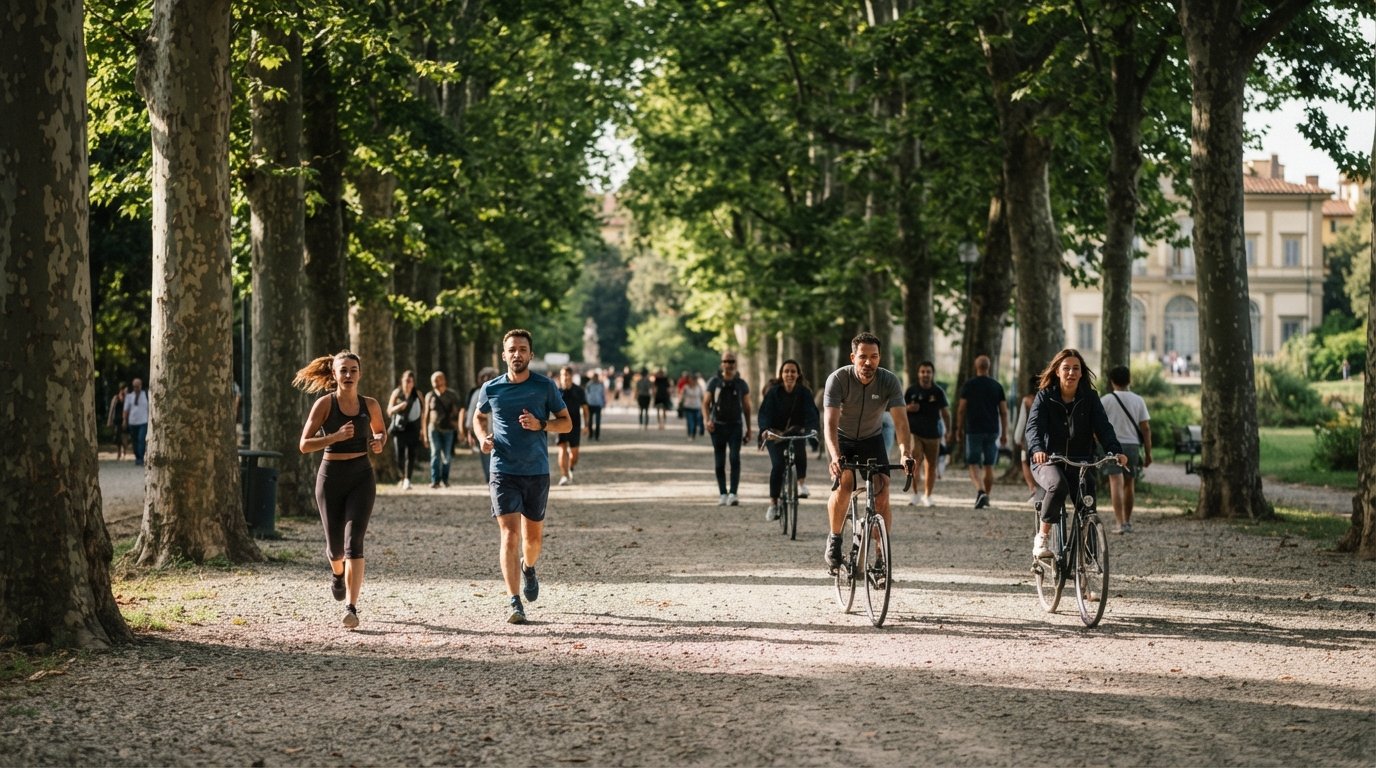
The Parco delle Cascine is the reason to come, and the reason to stay longer than you intended. This is where Florentines actually exercise: a flat, tree-lined main avenue for running, cycling and skating, plus tennis courts, football pitches and long grassy meadows for picnicking. On a scorching afternoon it can feel several degrees kinder than the stone-baked centre, and that is no small civic service. The park’s scale changes the mood of the whole district; it gives the neighbourhood its air and its argument.
Le Pavoniere is the summer pool that turns the park into a full-day destination. Set beside an old villa, with a poolside bar and restaurant, it opens day and evening in season, and costs roughly €9 on weekdays, a little more on holidays; swim caps are required, because even Florence likes to pretend it has standards. It is the kind of place where you can spend a languid afternoon and emerge slightly more civilized than when you arrived.
At the western tip, the Monumento all’Indiano gives the park its most poignant punctuation mark. The memorial stands where the rivers meet, and the walk or cycle out there has a satisfying sense of departure and return: the city behind you, the water beside you, and the park slowly thinning toward the edge. Cyclists and walkers can cross the pedestrian bridge over the Arno, which makes the whole western end feel connected without feeling crowded.
Culture here is not confined to the opera house. The Stazione Leopolda changes shape with the calendar, and the Teatro del Maggio is worth timing a visit around, whether for a performance or simply to understand how Florence has chosen to stage its modern ambitions. Just back toward the centre, the Fortezza da Basso hosts the twice-yearly Pitti Immagine fashion fairs. It is not strictly in the neighbourhood, but it is close enough to be part of the same practical orbit — one more reason this side of Florence feels less like a postcard and more like a working city.
Don’t miss in Porta al Prato & Cascine
Parco delle Cascine, a massive park running along the Arno
The ultra-modern Teatro del Maggio Musicale Fiorentino
The massive Tuesday morning market in the park
Shopping & markets
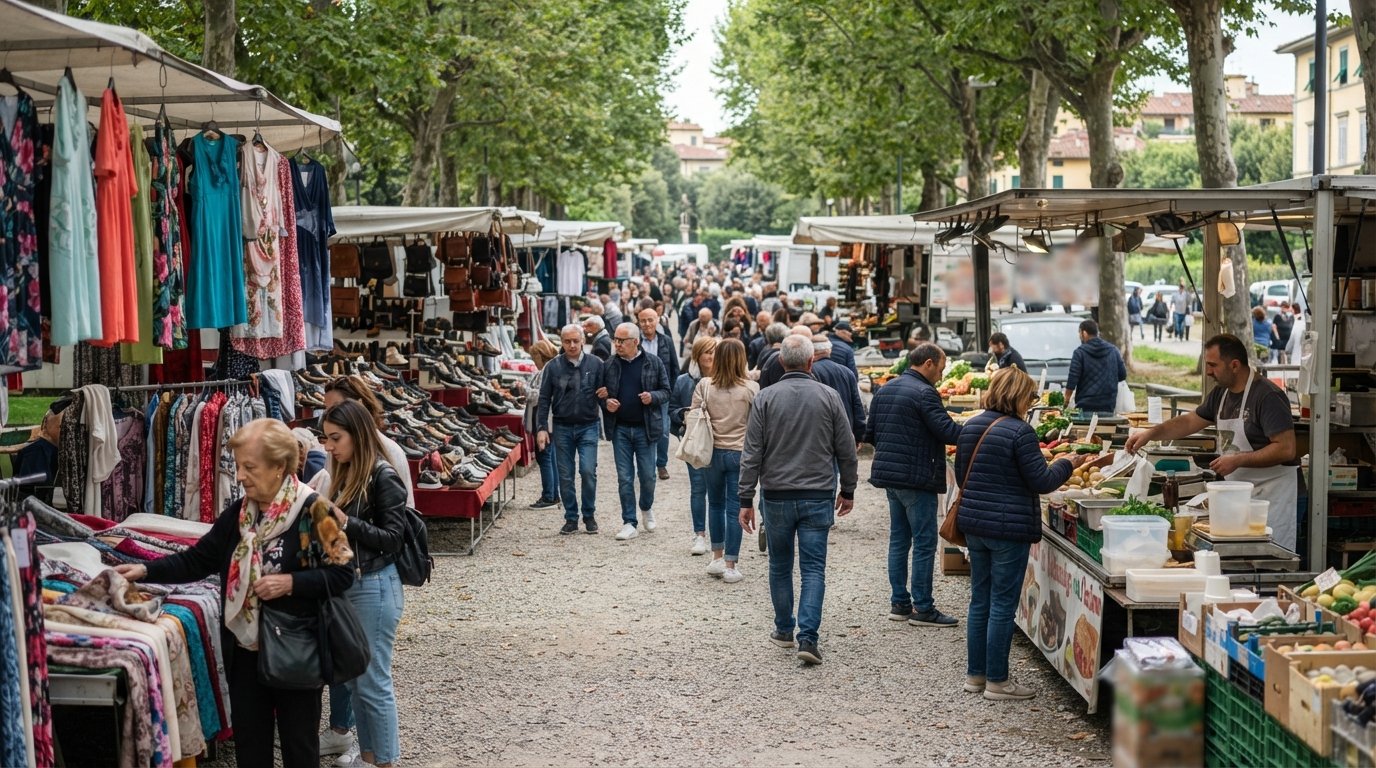
If you want the event of the week, come on a Tuesday morning, when the Mercato delle Cascine takes over the park’s main avenue from around 8am to 2pm. This is the biggest and cheapest open-air market in Florence: more than 400 stalls stretching down the boulevard, selling clothes new and second-hand, shoes, household goods, and a food section at one end with cheese, cured meats, local produce, fresh bread and honey. It is a genuine local institution rather than a tourist market, and it behaves like one. Prices reflect that. The atmosphere is half bargain hunt, half communal ritual, and the best souvenir may be the porchetta roll you eat before you have finished looking.
Outside Tuesday, this is not a shopping district in the glossy sense. The boutiques and leather workshops are back across the river in the Oltrarno and around San Lorenzo. Here, the retail life is ordinary and useful: bakeries, greengrocers, hardware stores, the sort of shops that serve residents rather than day-trippers. That is part of the appeal. The neighbourhood does not dress itself up for visitors; it keeps house.
Where to stay in Porta al Prato & Cascine
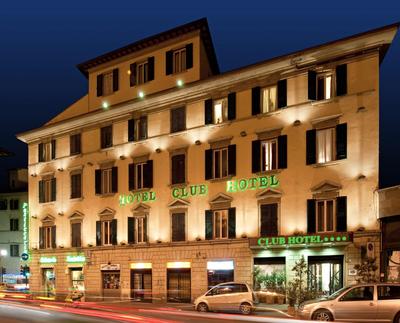
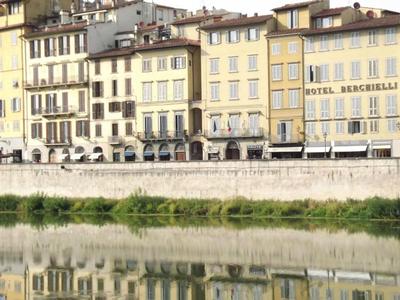
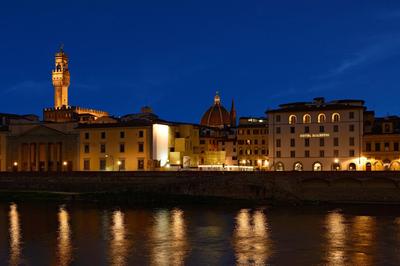
This is a smart-value base rather than a scenic one, and the distinction matters. If you want transport, space and decent rates, it is a good trade. Rooms tend to run cheaper than in the historic core for the same standard, and you are a short tram ride or a 15–20 minute walk from Santa Maria Novella station and the Duomo. The airport tram runs straight through, which is the sort of convenience you only appreciate properly after one too many taxi queues elsewhere in Italy.
The streets right around Porta al Prato and the opera house put you closest to the trams and the park entrance, which is handy if you plan to move around a lot, though the boulevards can feel trafficky. Push a little further into San Jacopino and you get a quieter, residential pocket that feels genuinely local, with the cheap eats on the doorstep. The big modern arrival is The Social Hub Florence Belfiore on Viale Belfiore, a large design-led hotel-and-hostel hybrid with a rooftop pool and the kind of facilities that suit travellers who want to sleep well and not pay historic-centre prices for the privilege.
Hotels in Porta al Prato & Cascine
Our best-rated stays in this neighbourhood. Prices are approximate “from” rates — confirmed at the provider when you continue. We may earn a commission if you book through our partners — at no extra cost to you.
In this area
In this area
In this area
Porta al Prato & Cascine
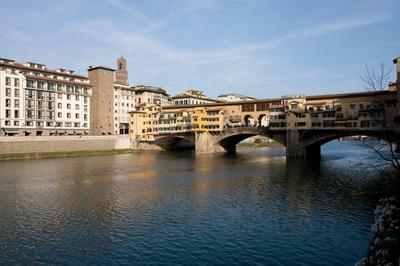
Helvetia&Bristol Firenze – Starhotels Collezione
9.3· 762 reviews
approx. from£638 / nightSee prices
In this area
In this area
Porta al Prato & Cascine
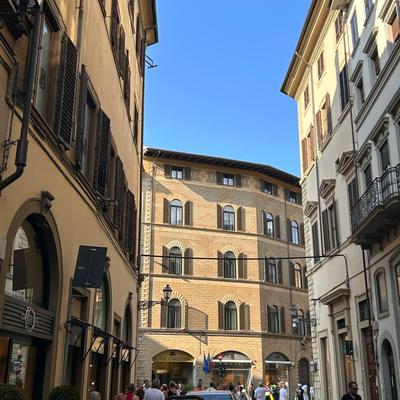
Hotel Lungarno - Lungarno Collection
9.6· 752 reviews
approx. from£777 / nightSee prices
In this area
Porta al Prato & Cascine
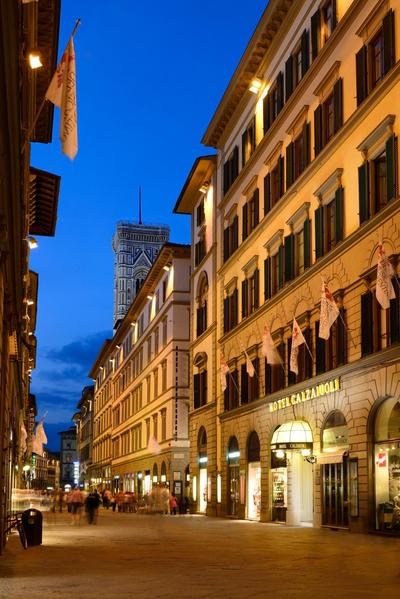
Cerretani Hotel Firenze - MGallery Collection
9.2· 2,753 reviews
approx. from£466 / nightSee prices
In this area
In this area
In this area
In this area
In this area
Porta al Prato & Cascine
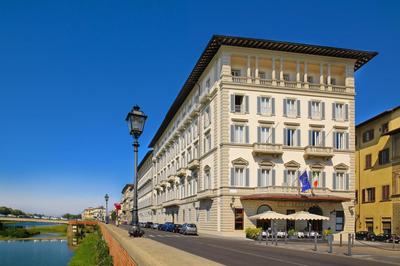
Hotel Balestri - WTB Hotels
9.1· 1,539 reviews
approx. from£330 / nightSee prices
Getting around
This is one of the best-connected corners of Florence, and the transport is half the story of why people stay here. The T1 tram runs through the district with stops at Porta al Prato, closest to the opera house, and Cascine, for the park and Tuesday market, linking you south to Santa Maria Novella station and on to the hospital and Scandicci. The T2 shares interchange stops around Alamanni/Valfonda near the station and runs directly out to Florence (Peretola) Airport; the line was extended in 2025, and the airport connection is the sort of thing that makes a city feel less like a puzzle.
On foot, the Duomo and the heart of the centre are roughly a 15–20 minute walk east along the boulevards or through the station. The area is flat and easy to cycle, and the park itself is closed to most traffic, making it the nicest ride in the city. The only caution is the viali: they carry busy traffic, so this feels more like a proper city than the pedestrianised old town. Which, frankly, is refreshing.
For all its openness, Porta al Prato and the Cascine are not a place to drift through after dark without thought. The park is safe in daylight and busy with families, runners and market-goers, but it has a documented after-hours problem with drug dealing and loitering, and the more isolated stretches are best avoided at night. In other words: come for the space, stay for the opera, and let the park do what it does best in daylight.
A final note, then, from the western side of Florence: this neighbourhood does not flatter you. It gives you tram stops, shade, cheap lunch, a market that still belongs to locals, and a park large enough to restore a little sanity after the centre’s intensity. That may not be the Florence on the postcards. It is, however, a Florence in which people actually live.
Gallery
Porta al Prato & Cascine in pictures
Porta al Prato & Cascine — your questions
Is Porta al Prato / Cascine a good area to stay in Florence?
Yes, if you care more about value and transport than being on the Duomo’s doorstep. The T1 and T2 trams run through the area, the airport is easy, and the Duomo is a 15–20 minute walk. It’s less romantic than the historic core, but very practical.
Is the Cascine park safe?
By day, yes — it’s busy with runners, cyclists, families and market-goers. After dark, be cautious: the park has a documented problem with drug dealing and loitering, and the more isolated western stretches are best avoided at night.
When is the Cascine market and what’s sold there?
Every Tuesday morning, roughly 8am to 2pm, along the park’s main avenue. It’s Florence’s biggest and cheapest market, with more than 400 stalls selling clothes, shoes, household goods, and food such as cheese, cured meats, bread and honey.
What is Porta al Prato & Cascine best for?
It’s best for green space, running and cycling, cheap eats, the Tuesday market, opera and live music, and staying somewhere well connected without paying historic-centre prices.