In this area
Centro Storico (Duomo & Piazza della Signoria)
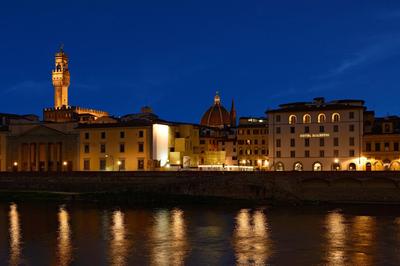
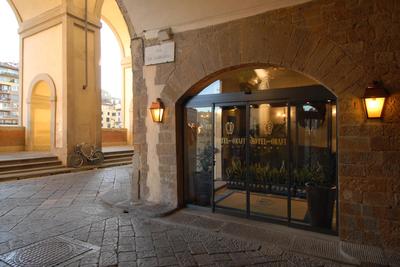
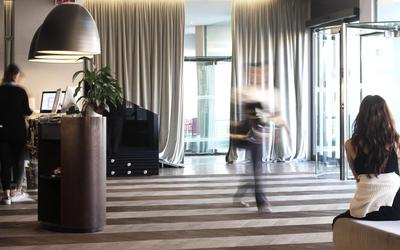
Hotel Kraft
9.0· 1,754 reviews
approx. from£188 / nightSee prices
The Florence issue
Between Brunelleschi’s dome and the stone theatre of Piazza della Signoria, Florence’s historic core is all masterworks, queues, and the small street choices that decide whether your day feels sublime or merely crowded.
By Carlotta BenvenutiFresco by fresco, Uffizi to Oltrarno bottega
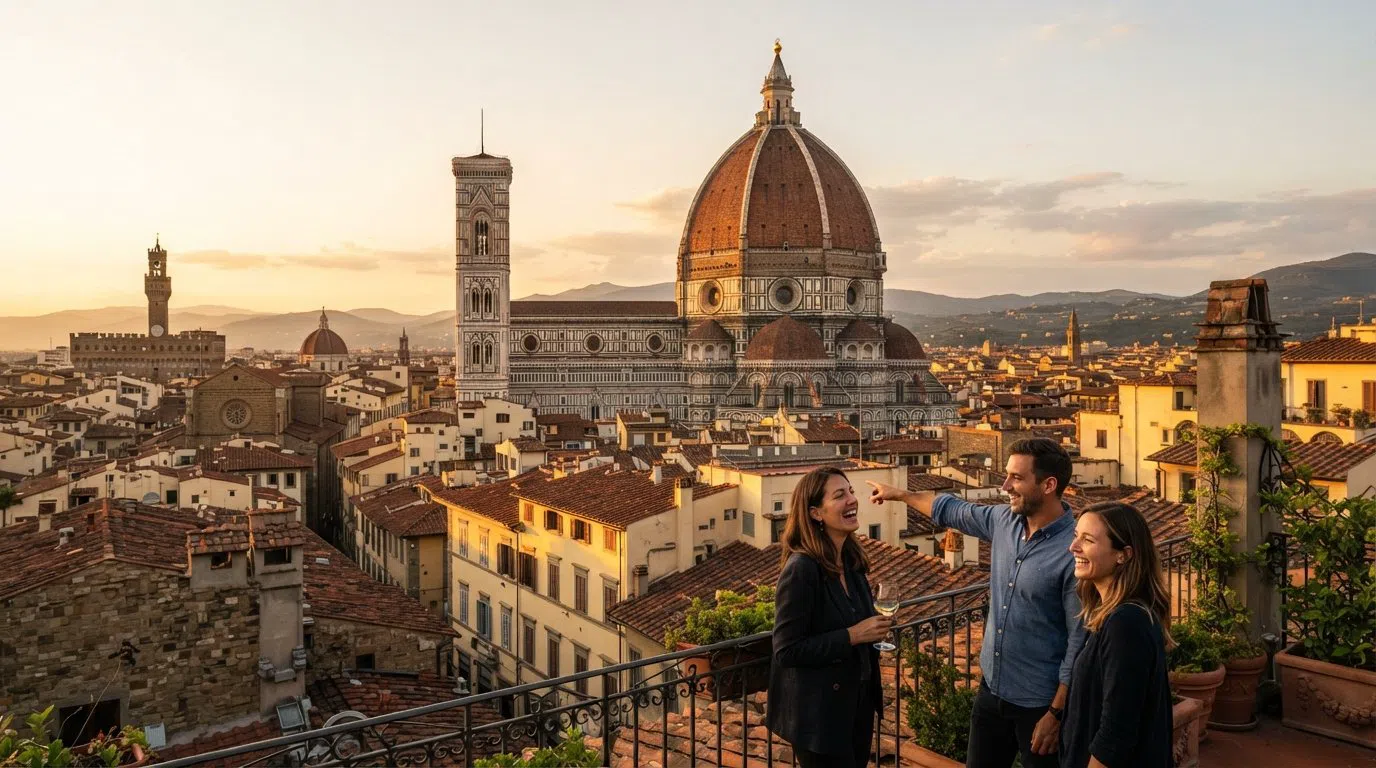
Stand in Piazza del Duomo at opening hour and the city gives you its thesis in one glance: Brunelleschi’s dome, the campanile, the Baptistery, and a square already warming up under wheeled suitcases and guide flags. Six or seven minutes south, Via dei Calzaiuoli narrows the distance between sacred Florence and civic Florence, and then Piazza della Signoria opens like a stage set that forgot to close. This is the part of the city that every first-timer thinks they know before they arrive, and then discovers is less a postcard than a machine — for moving crowds, for staging power, for making stone do the emotional work that paint usually gets credit for.
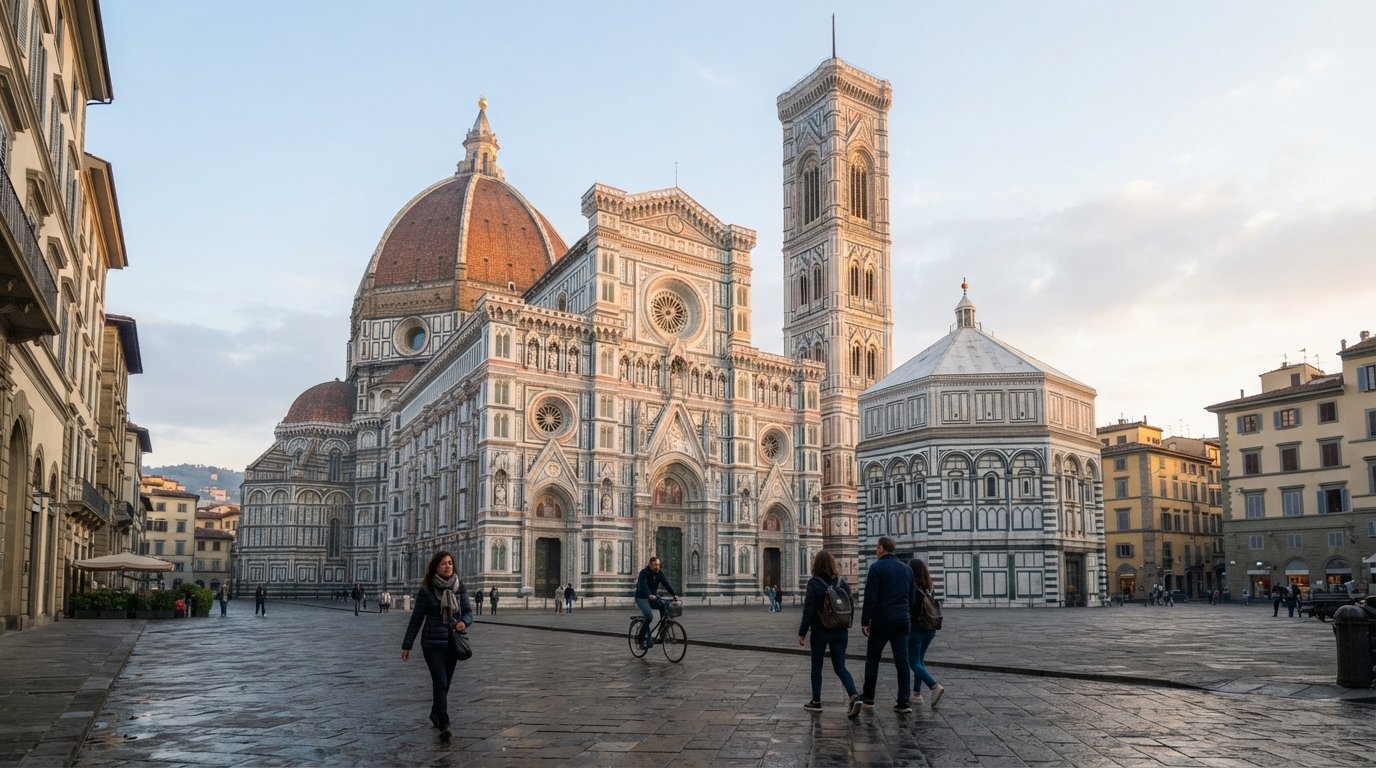
Florence’s centre is not simply historic; it is calibrated. The Cathedral of Santa Maria del Fiore is the gravitational centre, and Brunelleschi’s Dome is the city’s great dare: 463 steps, no lift, and a climb between two shells that still feels mildly miraculous because the thing was raised without scaffolding in the 1430s. Inside the ascent, Vasari’s Last Judgement frescoes press close enough to make the body feel smaller than the century that made them. The Brunelleschi Pass is the practical key here — around €30, valid three days, and it also covers Giotto’s Campanile, the Baptistery, Santa Reparata crypt and the Museo dell’Opera del Duomo. Since 1 March 2025, you need photo ID to climb. Florence, in other words, has decided to be both sublime and bureaucratic.
The Baptistery still deserves your time even while its 13th-century gold mosaic vault sits under restoration expected to last into 2028. That is the sort of inconvenience Florence wears with a straight face: scaffolding around glory, as if to remind you that the city’s masterpieces are not relics but working objects, always being cleaned, repaired, argued over, and put back into circulation. The original Ghiberti Gates of Paradise panels now live, restored, in the Museo dell’Opera. If you want the real thing rather than the legend, that is where you go.
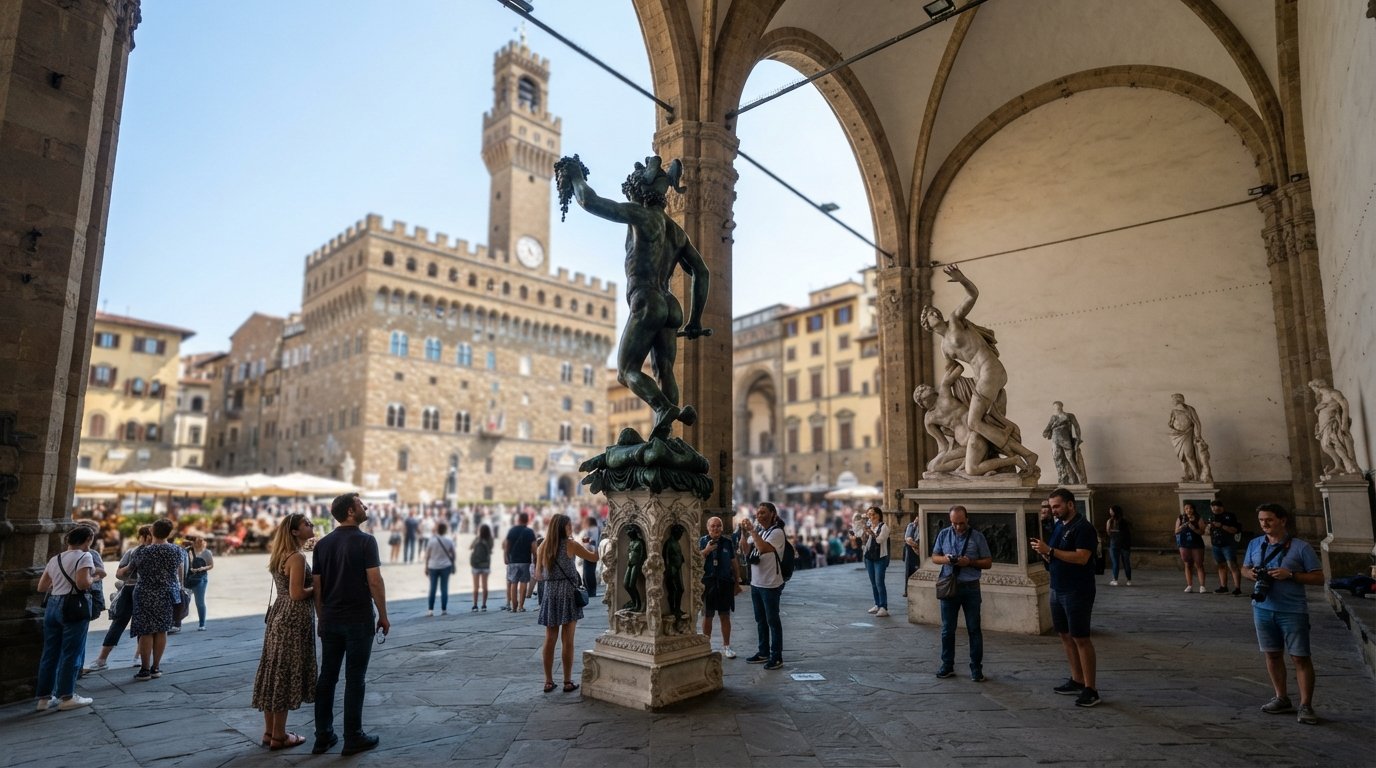
A few minutes south, Piazza della Signoria shifts the mood from sacred to civic without losing any of the grandeur. Palazzo Vecchio stands there like a fortress that learned diplomacy, its 94-metre Arnolfo Tower rising over the square, 223 steps if you want the view and the thigh burn to match. In the Loggia dei Lanzi, Cellini’s Perseus and Giambologna’s Rape of the Sabine Women are displayed free of charge, which is Florence’s way of saying that one of the world’s best sculpture galleries can also be your shortcut home. Around the corner, the Uffizi Galleries hold Botticelli’s Birth of Venus and Primavera — and yes, you must book a nominative timed ticket with matching ID well ahead. The city has no interest in your spontaneity when the queue is already six people deep and the Renaissance is on the line.
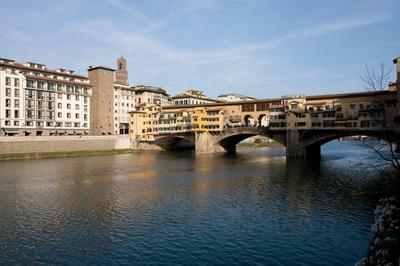
Between the Duomo and Signoria, the street life is as instructive as the monuments. Via dei Calzaiuoli is the obvious artery, but the real pleasure begins when you turn one block off it, onto Via dei Magazzini or Via delle Oche or Piazza dell’Olio, where the city’s working pulse is still audible under the tourist theatre. Orsanmichele, the old grain-market church, is one of those places guidebooks mention too briefly and then move on; its upstairs museum reopened in 2024, and the original Donatello, Ghiberti and Verrocchio guild sculptures are the sort of things that make the rest of the day feel slightly over-decorated. And then there is Ponte Vecchio, which is not just a bridge but a goldsmith-lined corridor across the Arno; walk it early or late if you want the shutters and river light without the human crush.
Live prices from our booking partners.
Free cancellation on many rooms. We may earn a commission when you book.
The first rule here is almost architectural: do not sit down on the piazzas themselves unless you are paying for the view as much as the meal. The decent tables begin one street back, where the menus stop shouting. Near Piazza della Signoria, Vini e Vecchi Sapori on Via dei Magazzini is the kind of cramped, cash-only family trattoria that survives because it still remembers what a lunch should taste like. The daily menu can run to peposo, pappardelle with duck sugo and baccalà alla livornese; the room is tiny, the booking discipline old-school, and that is precisely why it works.
For bistecca alla fiorentina, Florence still has a few rooms that behave as if the ritual matters. Trattoria Coco Lezzone, behind Via Tornabuoni on Via del Parioncino, has been wood-firing steaks since 1900, and you should order the steak a day or two ahead like a grown-up. Buca Lapi, dinner-only in the vaulted cellars beneath Palazzo Antinori, is older still — 1880 — with walls papered in vintage posters and the air of a place that has seen more anniversaries than most marriages.
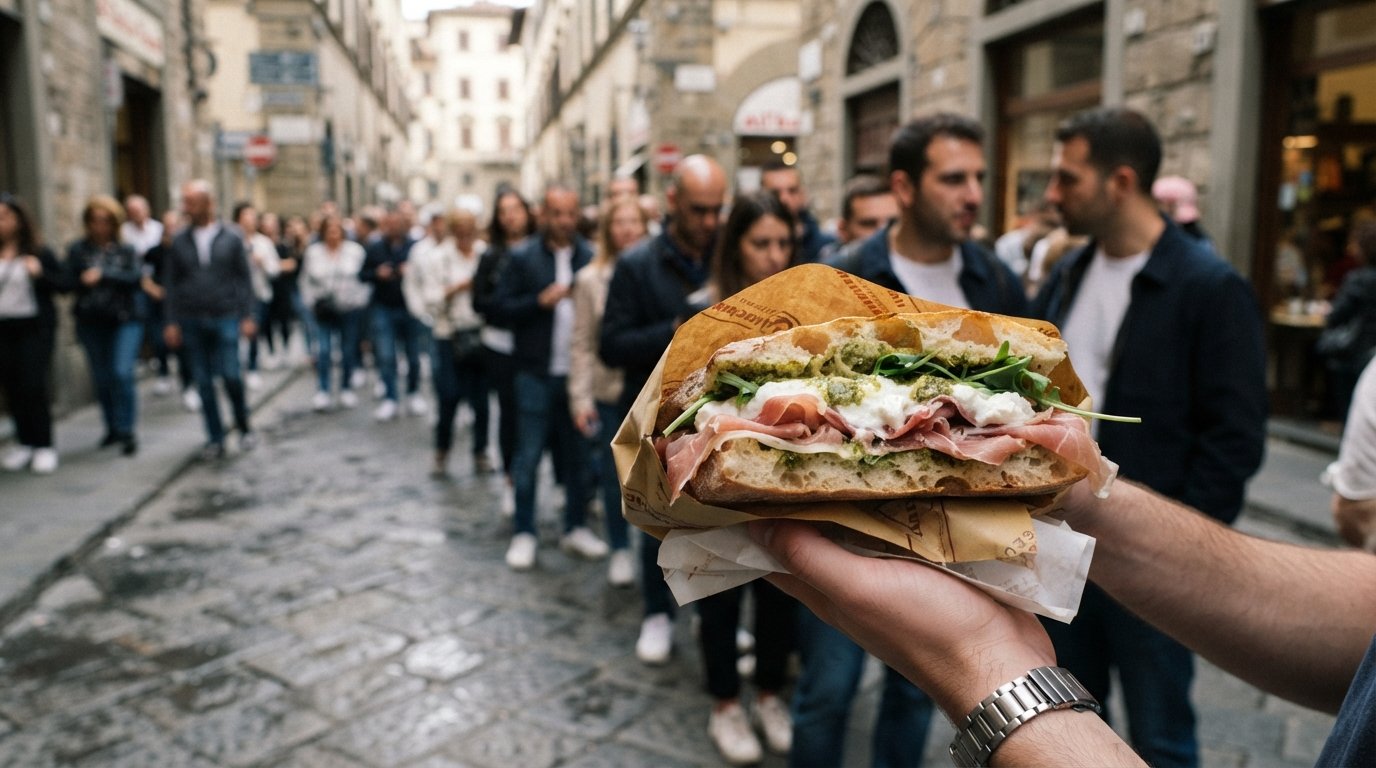
If you want the city’s most famous sandwich rather than a sit-down meal, All’Antico Vinaio on Via de’ Neri is the pilgrimage line: huge, cheap, and worth the queue if you accept that lunch can be a slab of schiacciata held together by enthusiasm. For something even more stripped-down, I Fratellini near the Signoria has been pouring wine and filling small rolls since 1875. It is standing-room Florence in its purest form: no fuss, no ceremony, and just enough bread to keep you from becoming sentimental.
At the other end of the scale, Gucci Osteria da Massimo Bottura on Piazza della Signoria brings playful Bottura tasting plates to the square; it is the sort of place where the room itself seems to be wearing a tailored jacket. Just behind the Uffizi on Via dei Georgofili, Ora d’Aria is Marco Stabile’s contemporary Tuscan kitchen, with meat and fish tasting menus and the discipline you expect from a MICHELIN-listed room. If your idea of lunch is more truffle than queue, Procacci 1885 on Via de’ Tornabuoni is the belle-époque answer: a wine bar and gourmet stop for truffle panini and Antinori wines, with enough polish to make a sandwich feel like a small ceremony.
Coffee and pastry are not afterthoughts in this part of Florence; they are part of the city’s self-mythology. Caffè Gilli on Piazza della Repubblica is Florence’s oldest café, from 1733, and still the place where Art Nouveau looks like it has been properly maintained. Caffè Paszkowski on the same square has live music and the air of a literary room that never fully left the nineteenth century. Across Piazza della Signoria, Caffè Rivoire, the historic Savoy chocolatier’s café since 1872, is pricey, yes, but the hot chocolate is superb and the terrace gives you a front-row seat on the square’s daily pageant.
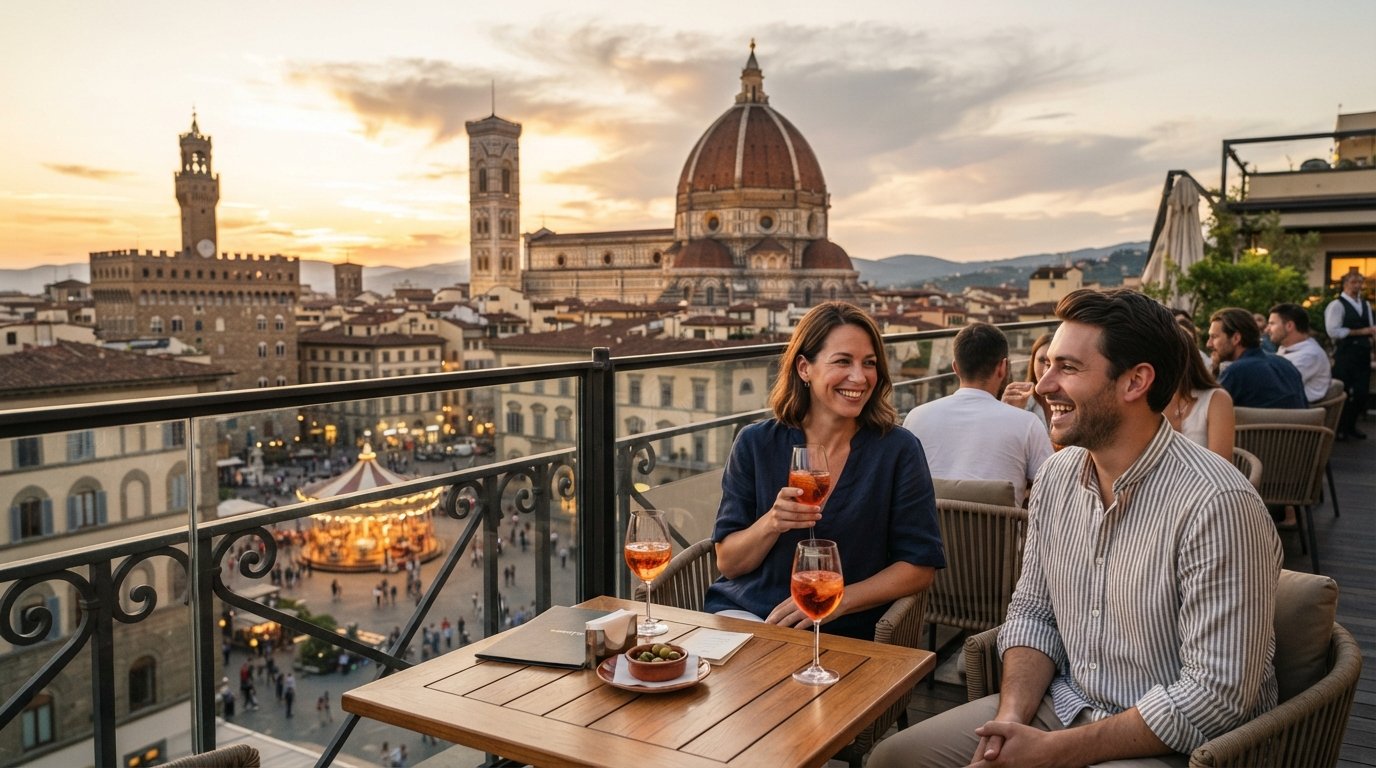
Nightlife in the museum core is not about volume; it is about angle. The city’s serious late-night energy lives elsewhere, but the centre does aperitivo with a kind of aristocratic ease. The rooftop of the Rinascente department store on Piazza della Repubblica is the simplest move in Florence: no booking, no dress code, a spritz, and a Duomo panorama that makes even a tired afternoon feel composed. It is the sort of place that reminds you why rooftops became a civic obsession in Italy in the first place.
More polished, and priced accordingly, is La Terrazza on the roof of Hotel Continentale. It is a small, elegant bar looking straight down onto Ponte Vecchio and the Arno, open roughly 4–10pm with a per-person minimum that includes a drink. The view is the point, and Florence knows it. If you want the city’s most obvious cinematic moment, this is where it happens.
Then there is Move On on Piazza San Giovanni beside the Baptistery, which gives the old square a slightly mischievous twist: cocktails paired with a first-floor vinyl record shop, each drink themed to a song. It is a clever enough idea to survive the tourist tide, and it has the advantage of being exactly where the city’s religious and commercial histories meet. For something quieter, the old Florentine answer still holds: slip one lane off the crowds and find an enoteca or fiaschetteria, then let a plate of crostini and a glass of Chianti Classico do the talking.
The trick in this quarter is sequencing. Book the Brunelleschi Pass as soon as you know your dates, because the Dome climb sells out weeks ahead and the first slot of the day is the coolest, quietest, and least likely to make you regret breakfast. The climb is 463 steps, with no lift and no mercy for the claustrophobic, but the reward is not just the panorama; it is the sensation of moving through the engineering solution to one of the great problems of the Renaissance. Giotto’s Campanile is a slightly easier climb, and in some ways the more revealing one, because it gives you the best straight-on view of the dome itself.
The Museo dell’Opera del Duomo is the other essential stop on that pass. Inside are the original Gates of Paradise and Michelangelo’s Bandini Pietà, both of them better for being seen indoors, close enough to register the hand and the damage and the repair. That is where Florence stops being a skyline and becomes a workshop again.
The Uffizi Galleries need their own strategy. Since the ticketing is nominative and timed, book early, and if you can, aim for the early-morning Prima Mattina slot or the after-4pm window. Both are calmer than midday, which is when the museum can start to feel like a queue with paintings attached. But the room still delivers: Botticelli, Leonardo, Raphael, Caravaggio, and the long Italian argument over how to make a surface hold light.
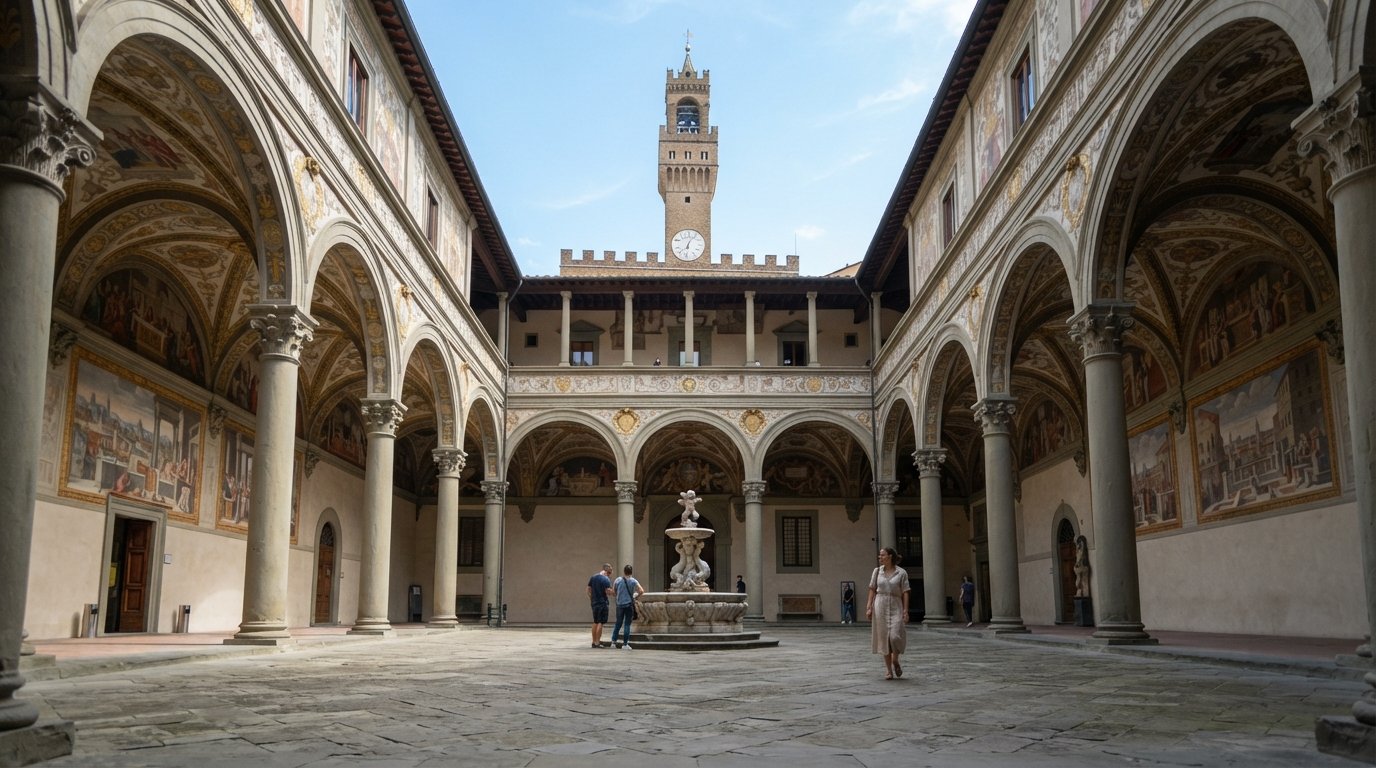
Outside the ticketed giants, the city gives you a great deal for free. Piazza della Signoria and the Loggia dei Lanzi are an open-air sculpture museum you can wander at will. The courtyard of Palazzo Vecchio is free even if you do not climb the tower or enter the museum, and that matters because it lets you step into the civic theatre without paying admission to understand the set. Orsanmichele rewards the small detour; it is one of the few places where the guilds still feel present in the statues they commissioned. And Ponte Vecchio, walked early or late, becomes something less like a landmark and more like a river crossing with memory built into the railings.
The Duomo complex and Giotto's Campanile
Piazza della Signoria and the Loggia dei Lanzi
The luxury shopping strip along Via de' Tornabuoni
Via de’ Tornabuoni is Florence’s luxury spine, and it behaves like one. The first-ever Gucci store opened here in 1921, and now Prada, Cavalli, Armani and the rest line Renaissance palazzi with the calm assurance of brands that know they have won the street. The anchor is Ferragamo, whose flagship and Museo Salvatore Ferragamo sit inside Palazzo Spini Feroni, home to a collection of made-for-Hollywood shoes for Monroe, Garbo and Hepburn. That is not merely retail; it is Florence’s long habit of turning craft into legend and then charging admission in a different form.
On the same street, Procacci 1885 doubles as a gourmet shop, so you can leave with truffle products and Antinori wine if you want to carry a little of the centre home. Via dei Calzaiuoli and the streets around Piazza della Repubblica are more mixed, with mid-market Italian chains and a run of leather shops. Quality there is variable, and the city deserves honesty on that point: if you want genuine craft, cross to San Lorenzo’s stalls or the Santa Croce leather school rather than buying the first “vera pelle” sign you see. For edible souvenirs, the historic cafés on Piazza della Repubblica — Gilli and Paszkowski — sell boxed panforte, chocolates and cakes that travel better than any magnet.
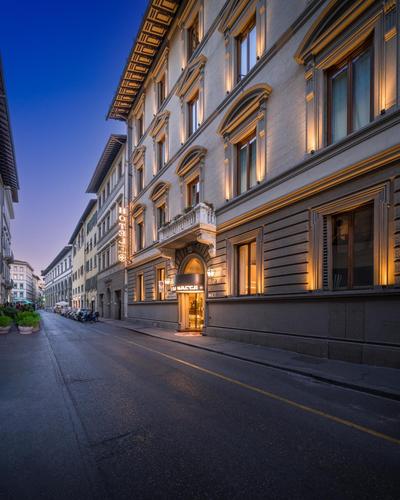
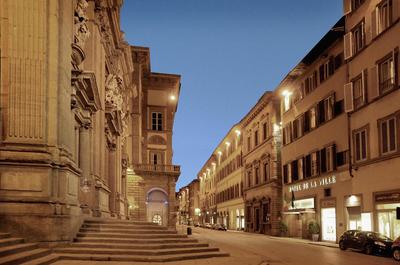
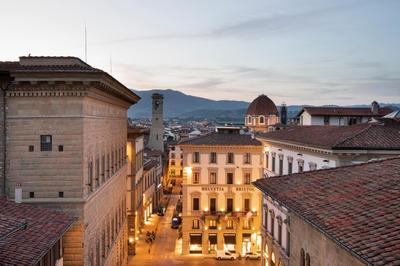
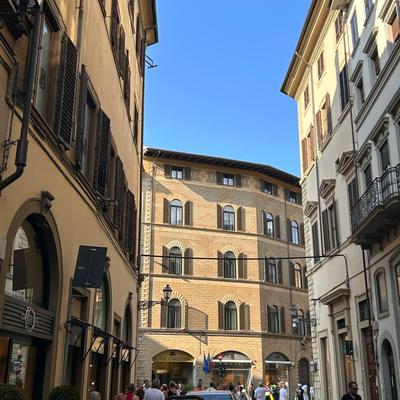
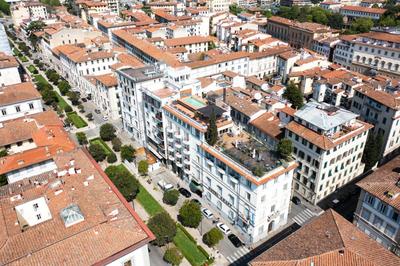
Staying here is a trade-off, and Florence is frank about the bill. You pay a premium to have the Duomo, the Uffizi, Palazzo Vecchio and Ponte Vecchio on your doorstep, but for many first-time visitors that is exactly the point. The blocks between the Duomo and Piazza della Signoria put you inside two minutes of the cathedral and ten of the Uffizi, which is a very fine way to waste less of your trip on logistics. The cost is crowds, and if your room faces a main square, the soundtrack begins early: deliveries, rolling cases, bells, the city waking up on stone.
For a slightly calmer feel without sacrificing walkability, look toward Via de’ Tornabuoni and Santa Trinita, or the pockets just east around Via del Proconsolo. The area leans grand rather than cosy, and the accommodation reflects that: converted palazzi, boutique rooms, and a thinner spread of mid-range options than most travellers would like. Genuine budget beds are rare in the core itself, which is why this is a neighbourhood for people who value being able to walk everywhere more than they value a bargain.
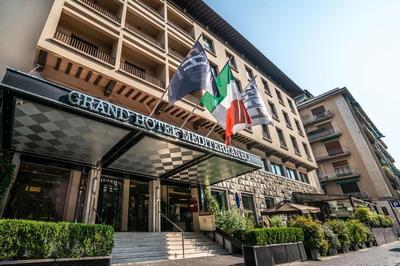
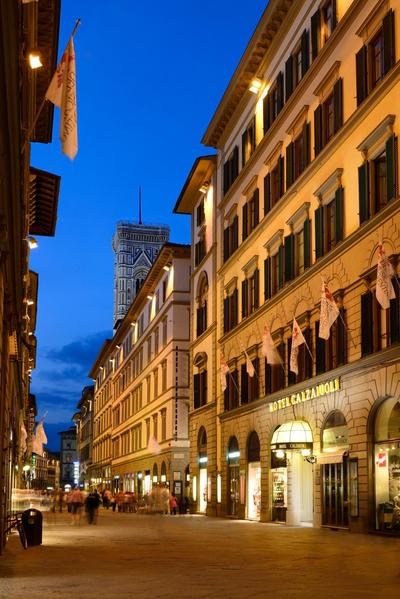
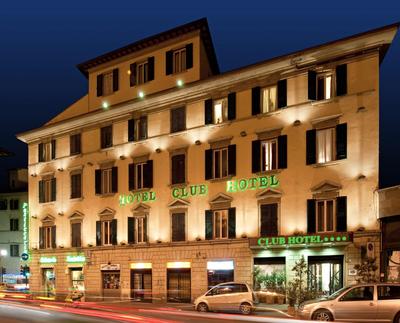
Our best-rated stays in this neighbourhood. Prices are approximate “from” rates — confirmed at the provider when you continue. We may earn a commission if you book through our partners — at no extra cost to you.
The centre is small, flat and best done on foot. The Duomo to Ponte Vecchio is about a ten-minute stroll, and almost the whole quarter is a ZTL, so cars are heavily restricted by day. A hire car here is not a convenience; it is a liability. If you are arriving by train, Firenze Santa Maria Novella station is a flat 10–15-minute walk to the Duomo via Via Panzani and Via dei Cerretani. Taxis are permitted where private cars are not, which is useful to know only if you are determined to arrive with luggage and optimism intact.
The T2 tramline links SMN and the historic centre to Peretola / Florence Airport (Amerigo Vespucci) in roughly 20–25 minutes, which is the simplest airport transfer. Otherwise, the city’s answer is always the same: walk. Everything in this guide is reachable from Piazza del Duomo, and in a place where the great works sit this close together, public transport is mostly for getting in, getting out, or escaping to a quieter district when the stone has had enough of your shoes.
Gallery
Yes, if your priority is walking to everything. The Duomo, Uffizi, Palazzo Vecchio and Ponte Vecchio are all close by, which makes it ideal for a first visit or a short trip. The trade-offs are price and crowds: rooms cost more, the streets are busy by day, and a room on a main square can be noisy early in the morning. If you want a quieter, more local base, look across the Arno at San Frediano, Santo Spirito or San Niccolò.
Absolutely. Both require timed, advance tickets and regularly sell out. The Dome climb needs a reserved slot on the Brunelleschi Pass, which also covers the campanile, baptistery and museum, and since March 2025 you must show photo ID to climb the 463 steps. Uffizi tickets are nominative with a fixed entry time, so book online with the name that matches the ID you’ll bring.
Walk one street back from the main squares. Near Piazza della Signoria, Vini e Vecchi Sapori on Via dei Magazzini is the reliable little trattoria; for a schiacciata sandwich, join the line at All’Antico Vinaio on Via de’ Neri; for bistecca alla fiorentina, Coco Lezzone and Buca Lapi are old-guard classics. Avoid any restaurant with a photo menu and a tout on the piazza itself.
At minimum, one full day if you want the Duomo complex and Piazza della Signoria properly, plus the Uffizi if you’ve booked ahead. Two days is more comfortable, because it lets you do the dome or campanile early, pause for lunch off the main squares, and return for an evening aperitivo when the crowds thin.