In this area
Campo di Marte
Hotel De La Pace, Sure Hotel Collection by Best Western
8.4· 1,085 reviews
approx. from£168 / nightSee prices
The Florence issue
A leafy, local Florence of stadium roars, no-nonsense trattorias and quiet residential streets just beyond the tourist ring.

By Carlotta BenvenutiFresco by fresco, Uffizi to Oltrarno bottega
On a Sunday when Fiorentina are at home, Campo di Marte announces itself before it shows its face: the low roar rolling out of the Franchi, purple scarves spilling from the little station, kids kicking a ball outside Badiani as if the afternoon had been arranged for them. This is Florence with its sleeves rolled up. Not the city of marble façades and museum queues, but the one that gets the shopping done, waits for the coffee machine, and knows exactly how long it takes to reach Santa Maria Novella when you miss your train.
Campo di Marte means Field of Mars, and the name still carries a faint military echo from when this was Florence’s parade and drill ground. Today the district’s identity is simpler and more useful: sport, residential calm, and a grid of wide avenues that feel almost anti-medieval after the tangle of the centre. The streets here were largely laid out in the early twentieth century, when Florence pushed beyond its old walls, so you get plane trees, straight sightlines and a sense of air. The city does not perform here; it lives.
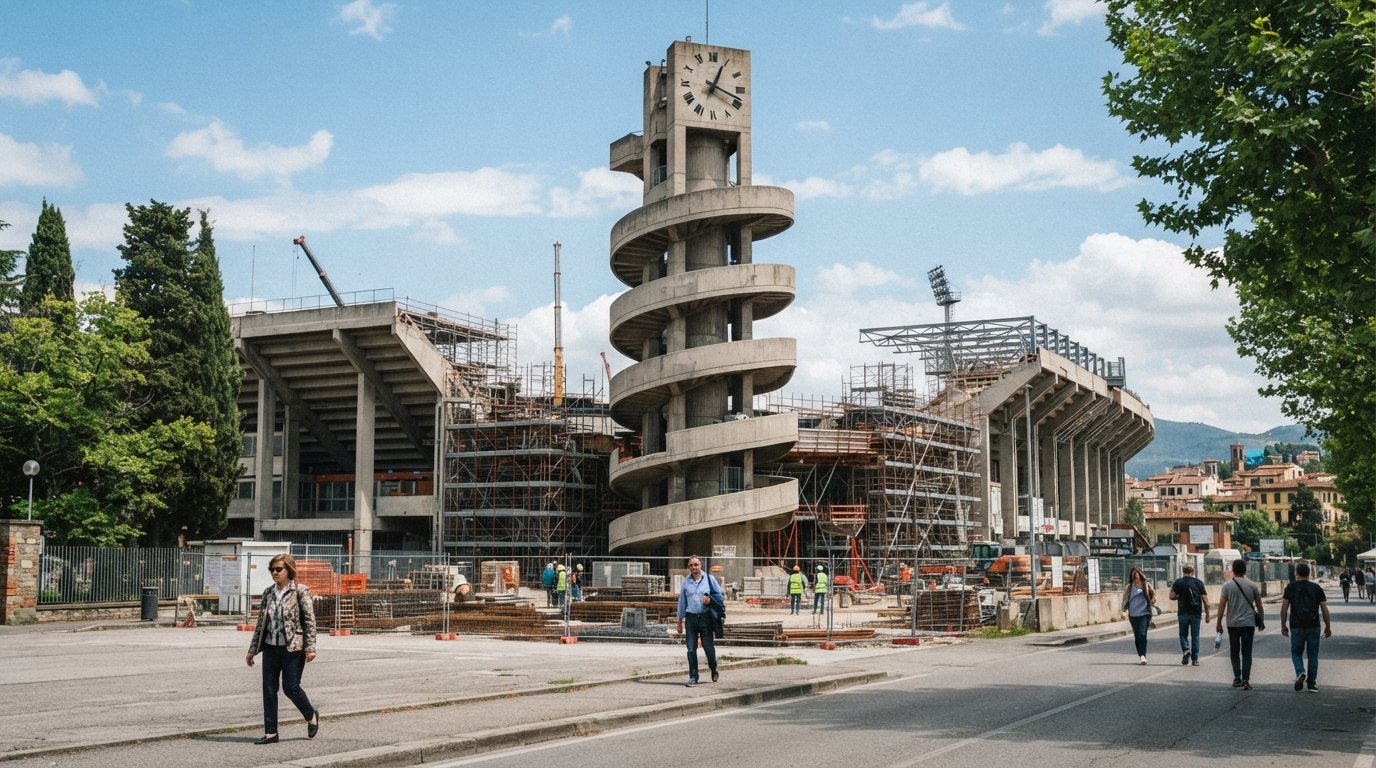
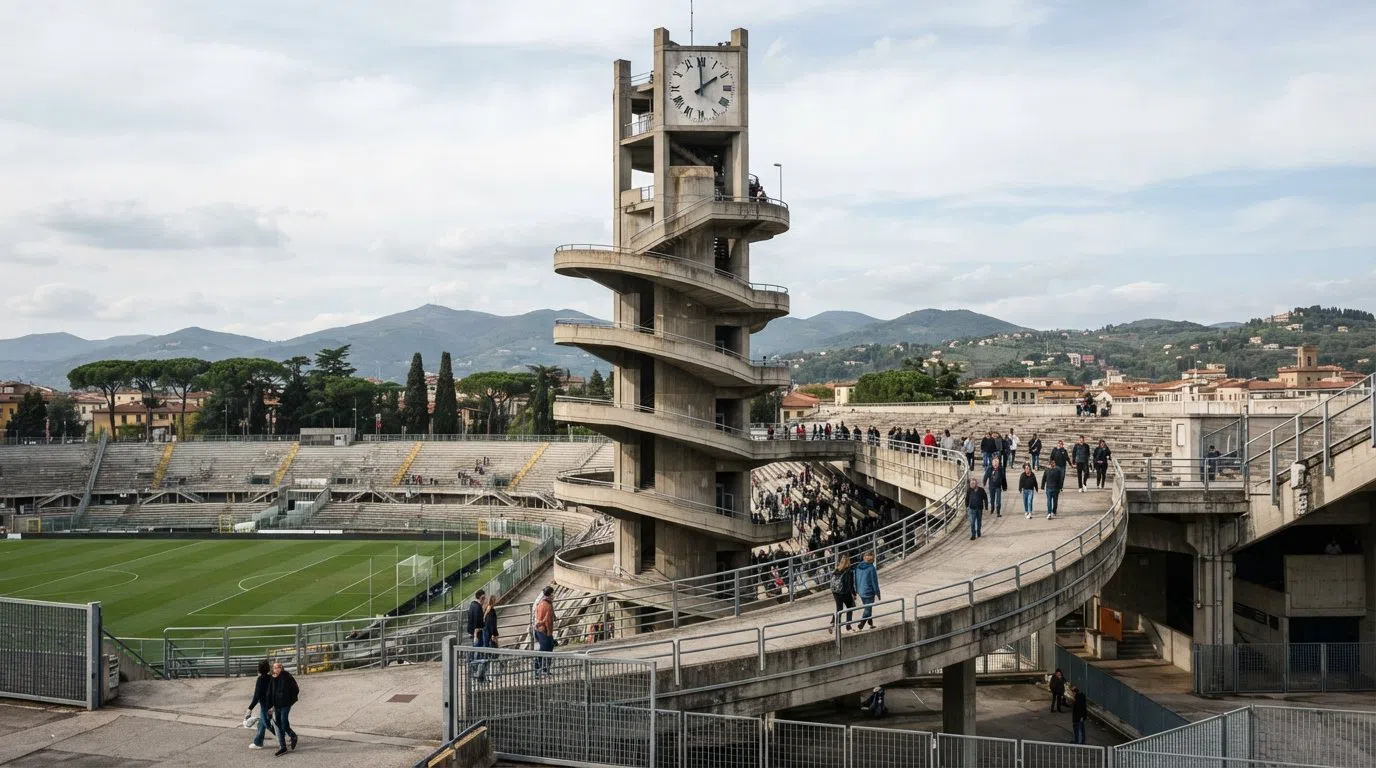
At the centre of the district stands the Stadio Artemio Franchi, home of ACF Fiorentina and one of those buildings that reminds you architecture can be both practical and dramatic. Pier Luigi Nervi gave it the slender Maratona tower and the sweeping helical stair-ramps, and even mid-renovation the place keeps its posture. As of 2026 it is partway through a phased €265-million overhaul that began in March 2024, with the club still playing home fixtures throughout the works. That is very Florence, in a way: the scaffold goes up, but the match goes on.
Beside it sits the Nelson Mandela Forum, the district’s other great interruptor of quiet. It opened in 1985, was renamed in 2004, and seats around 7,500 for basketball and up to roughly 8,200 for concerts. Between the stadium and the arena, Campo di Marte has the sort of calendar that can turn a sleepy avenue into a river of people in an hour. The rest of the week, though, the district settles back into itself with admirable speed.
That is the real charm here. Campo di Marte is not trying to impress the way the historic core does. It offers something more useful to anyone who has already done the cathedral-and-Uffizi pilgrimage: space, quiet, and the pleasure of seeing Florence as it is actually lived by Florentines who have somewhere to be in the morning.
Live prices from our booking partners.
Free cancellation on many rooms. We may earn a commission when you book.
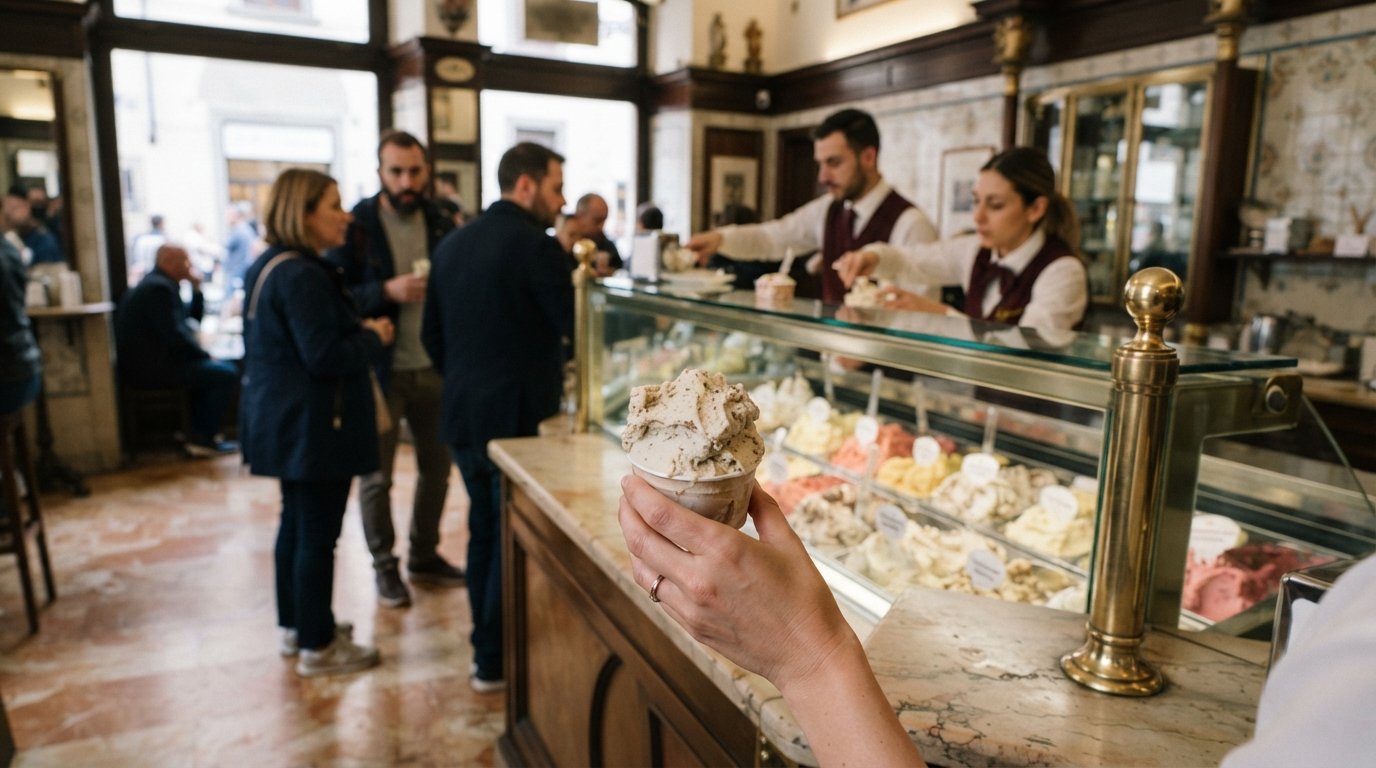
The food in Campo di Marte has to satisfy locals repeatedly, which is a far better test than novelty. Start with Gelateria Badiani, on Viale dei Mille, open since 1932 and still the district’s sweetest old habit. Its signature is Buontalenti, a rich egg-and-cream gelato named for the Renaissance architect said to have invented the stuff. The room itself matters as much as the flavour: marble, brass, and a certain old-Florence poise that never quite turns dusty. On a hot afternoon, it feels like a small civic service.
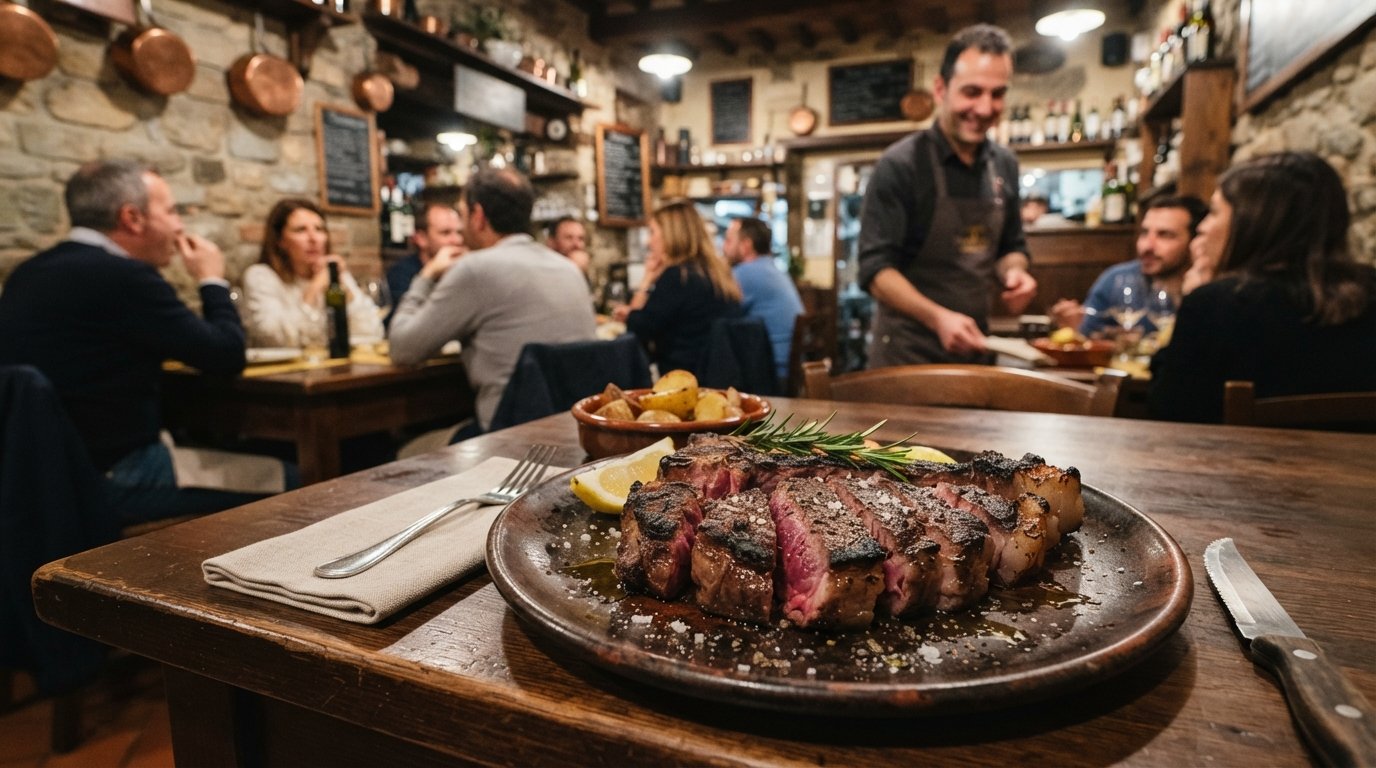
For the city’s defining meat ritual, there is Perseus on Viale Don Minzoni, a bistecca institution running since the 1980s. This is where you go for bistecca alla fiorentina charcoal-grilled and rare, and where ordering it well-done will earn you the kind of look that only a Tuscan dining room can produce without raising its voice. There are no reservations, so you go early or you wait, which is as it should be for a place that has built its reputation on repetition rather than theatre.
If you want the newer face of local dining, Santabarbara Desco & Cucina on Via Pier Capponi is the one to know. It opened in September 2024, has just twenty covers and an izakaya-style counter, and the market-led tasting menus come with names that sound like they were written by someone with a sense of humour and a shopping basket: Fulmine at around €25, Corona e Spada at €60. Chefs Alessio Ninci and Lorenzo Chirimischi run the room, and the public-choice TheFork award in 2025 suggests the neighbourhood noticed quickly.
For something more homely, Trattoria Cucchietta on Via Agnolo Firenzuola keeps to seasonal Tuscan cooking, with pici and stewed wild boar among the dependable comforts. It is the sort of place that makes no grand claims because it does not need to. Near the stadium, Il Pallaio has been going since 1984 and is loved for thin, crisp pizzas and the easy, friends-round-the-table feeling that makes a trattoria-pizzeria work night after night. And when the mood is for a proper Neapolitan pie, Don Fefè on Via Giuseppe la Farina does wood-fired pizza with a serious craft-beer list, which is about as far as Campo di Marte gets from the old cliché of Florence as a city that only knows how to pour red wine and cut meat.
Set your expectations to neighbourhood, not nightclub, and Campo di Marte will behave itself beautifully. The evenings here run on aperitivo and dinner rather than late bars, and the district only truly lifts its head when the calendar obliges. A Fiorentina match night or a concert date at the Mandela Forum changes the air instantly: the avenues around Viale Manfredi Fanti and Viale Malta fill with people, pizzerias do a roaring trade, and the whole district starts to feel like a street party that has been allowed to grow up.
On an ordinary evening, the best plan is to treat dinner as the event and keep everything else modest. A long table at Il Pallaio, a glass and small plates at Santabarbara, and then a gelato from Badiani is enough to make the night feel complete. If you want cocktail bars and a louder crowd, the better-known buzz is not far away in Sant’Ambrogio, Santa Croce and the Oltrarno, all reachable by a short train, bus or walk, and all safely out of your hair when you want to come home.
The point is not that Campo di Marte lacks nightlife. It is that its nightlife is honest about itself. It knows it is a residential district first and an entertainment district only when the fixtures demand it. That restraint is part of the appeal.
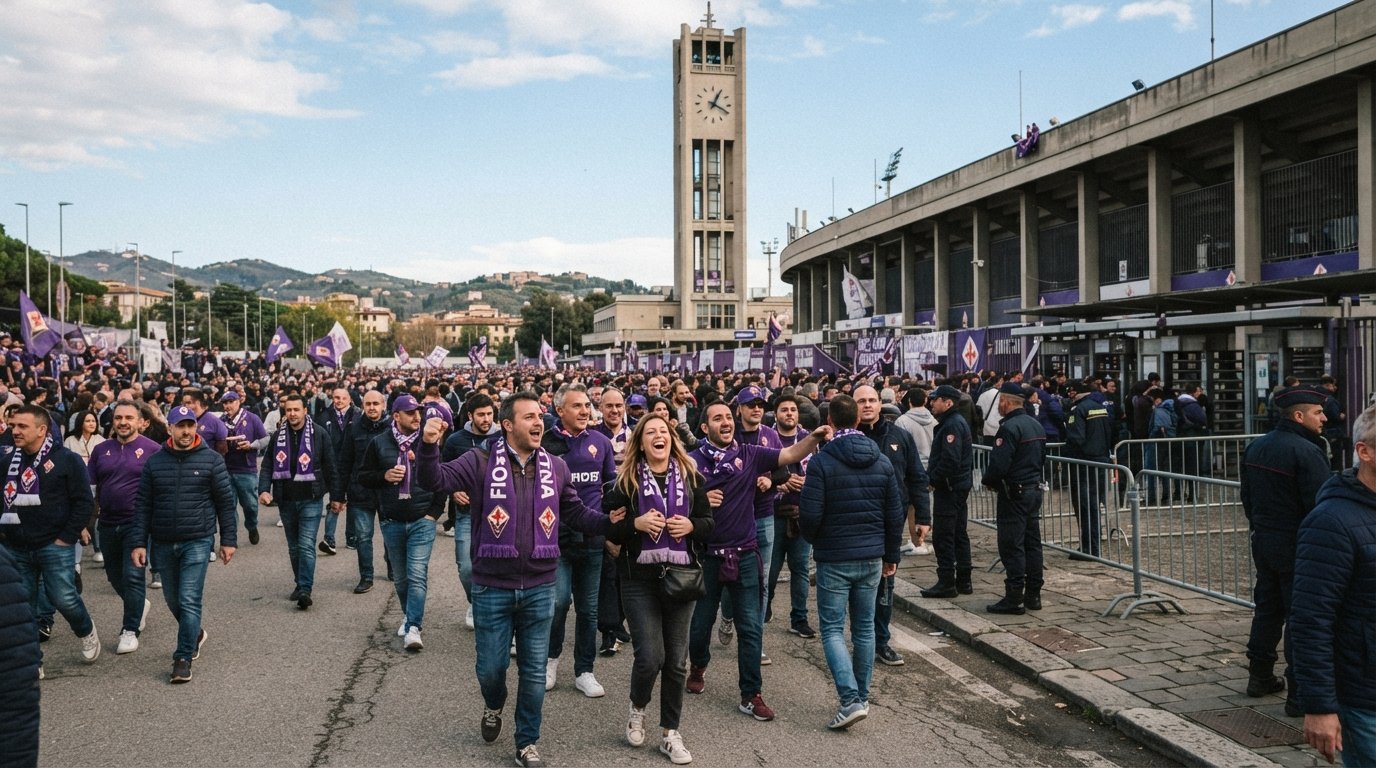
The headline draw is a live one: catch ACF Fiorentina at the Stadio Artemio Franchi. Even with the renovation works, the club keeps playing here, and a Serie A afternoon in purple among Florentine fans is a very different kind of city experience from a morning in the Uffizi. It is less polished, certainly, but more revealing. You see how a city takes its football: with affection, impatience, and a certain amount of learned suffering. Architecture buffs should look up as they approach. Nervi’s Maratona tower and the cantilevered stair-ramps are not decorative extras; they are the building’s personality.
Next door, check the programme at the Nelson Mandela Forum, which brings in big touring acts and also hosts the Il Bisonte women’s volleyball side through the winter. In a city that can sometimes feel like it has been embalmed for visitors, a functioning arena is a useful reminder that Florence still has a present tense.
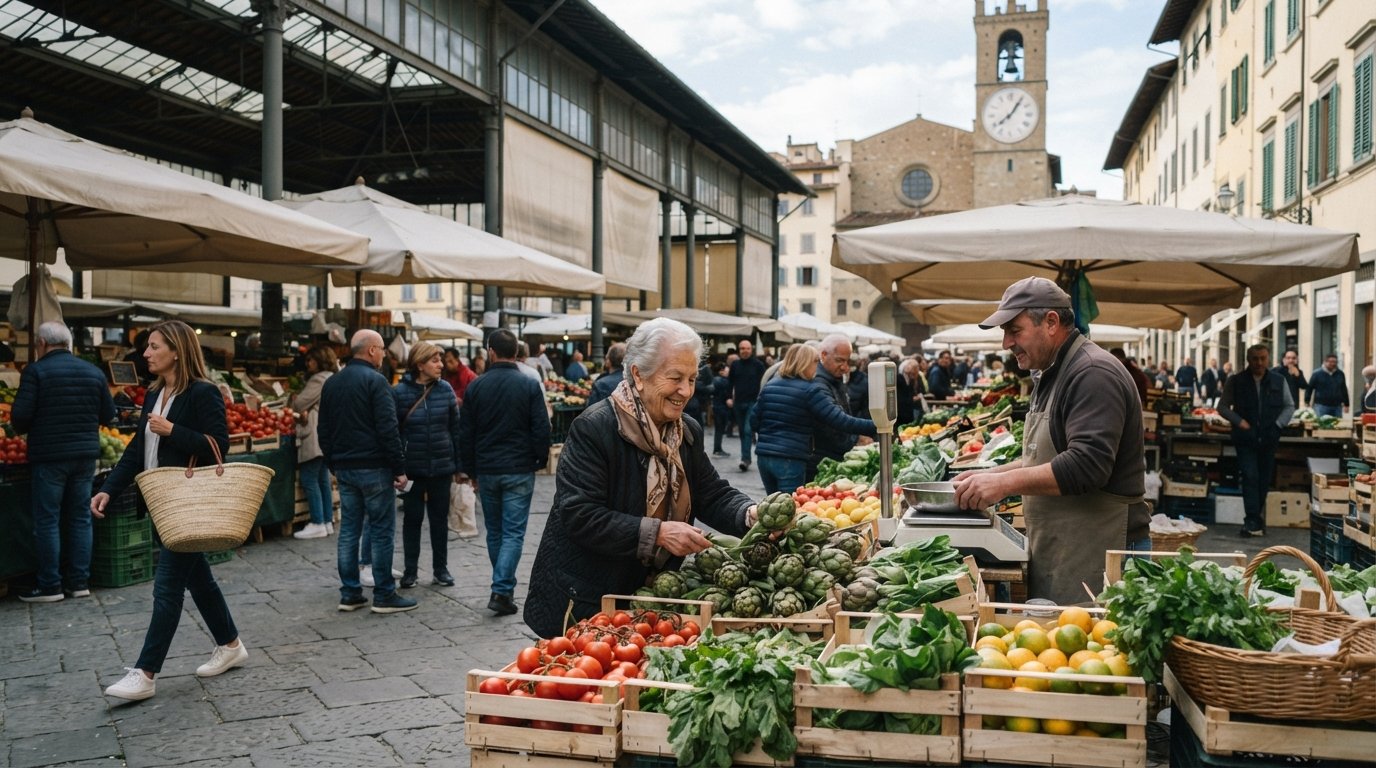
Beyond the sport, the pleasures are quieter and perhaps more durable. Wander through Mercato delle Cure in the adjoining Le Cure pocket, where the morning market gives the district its everyday pulse. It is a place for produce and goods, for the small negotiations of domestic life, and for the kind of street snack that tells you more about a city than a museum label does. Then keep walking along the wide viali under the plane trees and notice how modern Florence actually arranges itself: schools, bakeries, people on errands, a city that has not arranged its day around your itinerary.
Stadio Artemio Franchi, home of ACF Fiorentina football club
The sprawling green spaces of Campo di Marte park
Excellent neighborhood pizzerias catering strictly to locals
A little north of the district, the Le Cure pocket has a village feeling that survives because a railway line seals it off from the larger city. It is not a monument, and that is the point. The streets hold onto independent shops and bakeries, and the mood is more useful than picturesque. Campo di Marte also makes a sensible base for day trips: Fiesole’s hilltop views are quick to reach, and the Tuscan coach and rail routes are straightforward from this eastern side of Florence.
Forget luxury boutiques. Campo di Marte shops the way residents shop, which is to say usefully and without ceremony. The hub is Mercato delle Cure on Piazza delle Cure, a covered-and-open general market that runs Monday to Saturday mornings until roughly lunchtime. Locals come for fruit and veg, cheese, clothing, shoes, ceramics and kitchenware, and if you want the proper Florentine street snack away from the tourist queues, there is a well-regarded lampredotto stand in the mix.
The surrounding Le Cure streets carry the sort of independents that tend to vanish from the centre: a fresh-pasta shop, family bakeries, a neighbourhood bookshop, and a couple of ceramics and zero-waste stores along Via Boccaccio and Via Sacchetti. For the weekly big shop, locals head to the Esselunga supermarket on nearby Via Masaccio. None of this is glamorous. All of it is useful, which is usually the better test.
Campo di Marte’s strongest pitch is that it lets you sleep like a local without paying central Florence prices. Because the district is residential rather than monumental, room rates are generally lower than in the historic centre for the same star rating, and you get quiet nights, more space, and sometimes the rare Florentine bonus of parking. The best places to stay cluster near the Campo di Marte train station and along the leafy avenues — Viale dei Mille, Viale Don Minzoni and the streets around them — which puts you close to the five-minute train into the centre and within easy reach of Badiani and the local trattorias.
Expect small hotels, B&Bs and apartment rentals rather than grand hotels. Budget guesthouses can sit well under centre-city prices, especially in winter. That makes this a good fit for travellers who plan to be out all day and only need a calm, affordable base to return to. The trade-off is simple: nothing here is on your doorstep, so you are committing to a short daily journey. For some travellers, that is a nuisance. For others, it is the whole point.
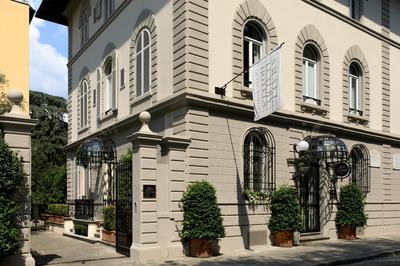
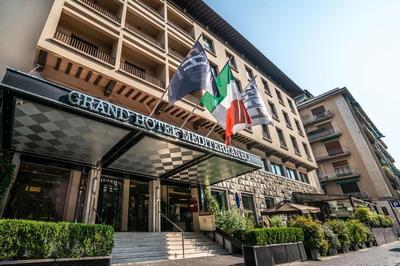
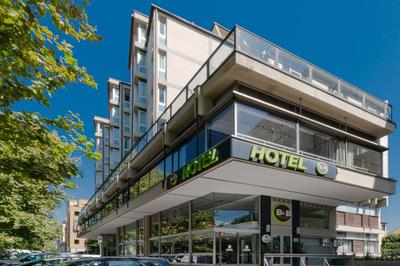
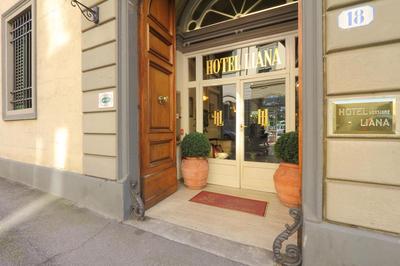
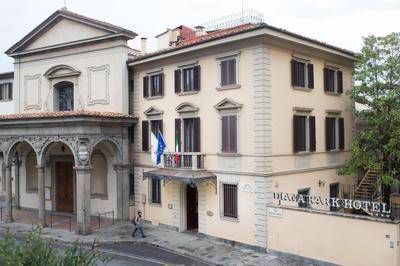
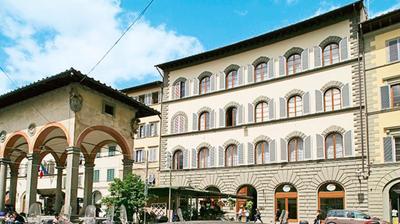
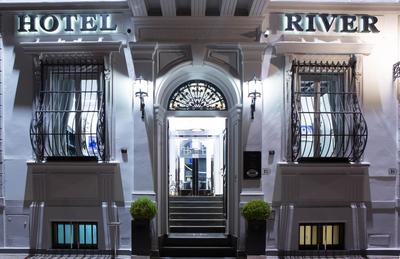
Our best-rated stays in this neighbourhood. Prices are approximate “from” rates — confirmed at the provider when you continue. We may earn a commission if you book through our partners — at no extra cost to you.
Campo di Marte is well connected for a residential district, but you will move to reach the sights. The fastest link is the Campo di Marte railway station on Via Mannelli, where regional trains reach Firenze Santa Maria Novella in roughly five to eight minutes for a couple of euros, leaving you a short walk from the Duomo. City buses — lines 12, 13 and 33 — connect the district to the centre in about 20 to 25 minutes, and there is a taxi rank right outside the station.
On foot, the Duomo and Piazza Santa Croce are a flat 25 to 30 minute walk through the eastern streets, perfectly manageable in cool weather. Florence’s trams do not run into Campo di Marte itself: the T2 line was extended in January 2025 to Piazza della Libertà and San Marco on the district’s western approach, but for the neighbourhood proper you rely on the train, buses and your feet.
That is not a drawback if you understand what Campo di Marte is offering. It is a working neighbourhood with a station, not a postcard district with a souvenir shop at every corner. It gives you quiet, space and a local rhythm — and asks, in return, that you take the train when you want the centre. A fair exchange, really. Florence has always rewarded those willing to move a little for the good things.
Gallery
Yes, if you want value and calm over a central address. It’s a safe, leafy residential district where hotels and B&Bs cost less than in the centre, and you’re only about five minutes by train or a 25-minute walk from the Duomo. It suits budget travellers, families and repeat visitors best.
Yes. Even with the major renovation that began in 2024, ACF Fiorentina has continued to play home games at the Franchi. Tickets are generally easier to get than at Italy’s biggest clubs, and match day is one of the most local experiences you can have in Florence.
The quickest way is the regional train from Campo di Marte station to Firenze Santa Maria Novella, which takes about five to eight minutes and only a couple of euros. Buses 12, 13 and 33 take around 20 to 25 minutes, and it’s a flat 25 to 30 minute walk if the weather is kind.
There is, but it’s mostly dinner-led and neighbourhood-scale. The area gets lively on Fiorentina match nights and concert dates, but for a bigger bar scene you’d head to Sant’Ambrogio, Santa Croce or the Oltrarno and come back after.