The Florence issue
Florence's Great Art Without the Uffizi Queue
Sixteen Florence rooms, chapels and workshops that repay a short stay more than the headline museums do, with the door rules, timed caps and closing times that decide when you can actually get in.

By Élodie FournierFlorence beyond the Uffizi queue
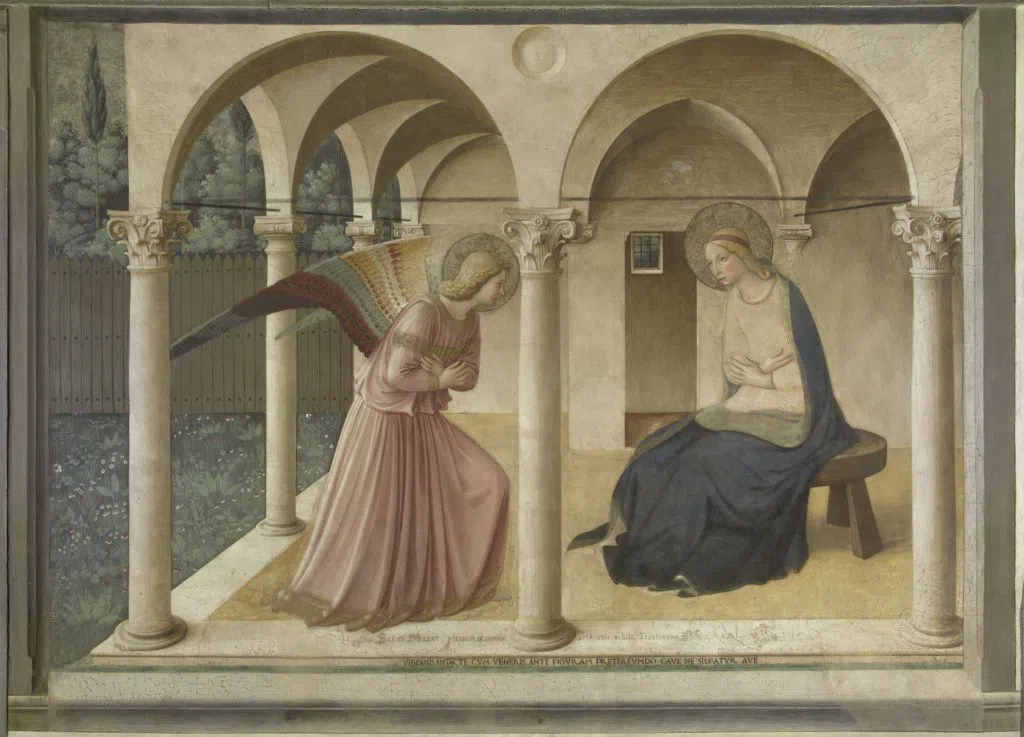
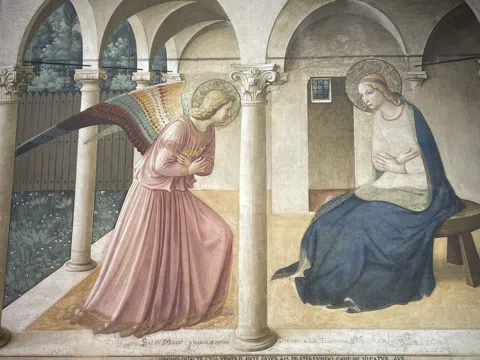
At eleven in the morning the corridor of the Uffizi moves at the pace of the slowest raised phone. Ten minutes north, in a convent where the friars' cells still open one after another off a whitewashed passage, you can stand in front of an Annunciation painted around 1440 and hear the floorboards under your own feet. Florence keeps most of its art in that second category, in small rooms with timed slots and early closing, and a short stay goes better when you plan around those constraints than when you spend a morning shuffling past the two names everyone knows.
What follows is a working list: what each place costs, who it suits, when the door shuts, and where a cap on numbers makes booking compulsory. Read it alongside the wider Florence guide if you are still shaping the days.
Morning north of the Duomo
Three interiors sit within eight minutes' walk of each other above the cathedral, and the first of them is strictly a morning proposition.
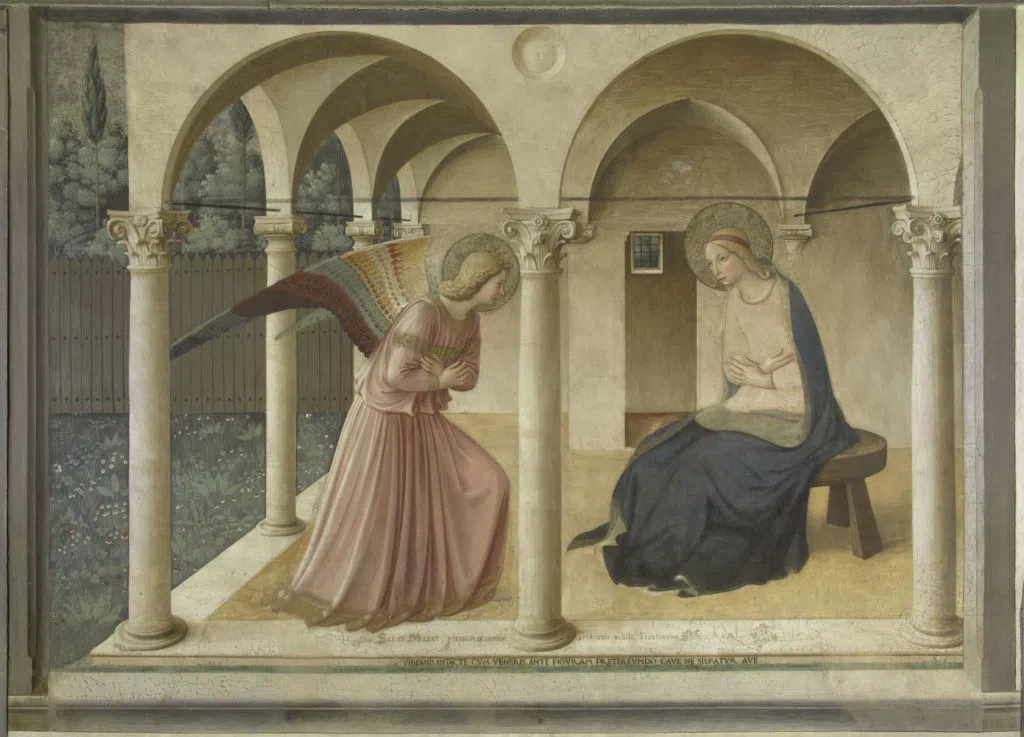
Museo di San Marco (San Marco) is a Dominican convent turned state museum, and the reason to go is upstairs: cell after cell frescoed by Fra Angelico for the men who slept in them, the largest collection of his work anywhere. Entry runs around €8 to €10. It closes at 13:50, so it belongs in the first slot of the day, ideally at opening, when the light off the cloister is still low and the dormitory corridor is empty. Guided groups are accepted, but the corridor is narrow and the cells hold three or four people at a squeeze; a couple or a party of six moves through comfortably, a coachload does not. It is a better use of a morning than queueing at the Accademia.
Palazzo Medici Riccardi — Chapel of the Magi (San Lorenzo) is twenty minutes of the most concentrated colour in the city: Benozzo Gozzoli's procession wrapping three walls of a room barely bigger than a generous bedroom. Tickets are roughly €10 to €15 depending on what temporary exhibition is running. Only ten people are admitted at a time on timed slots, so you have to book in advance, and any group larger than that goes through in waves. The rest of the palace (courtyard, garden, exhibition rooms) absorbs bigger parties easily, so the standard tactic is to let people wander there while the chapel waves rotate.
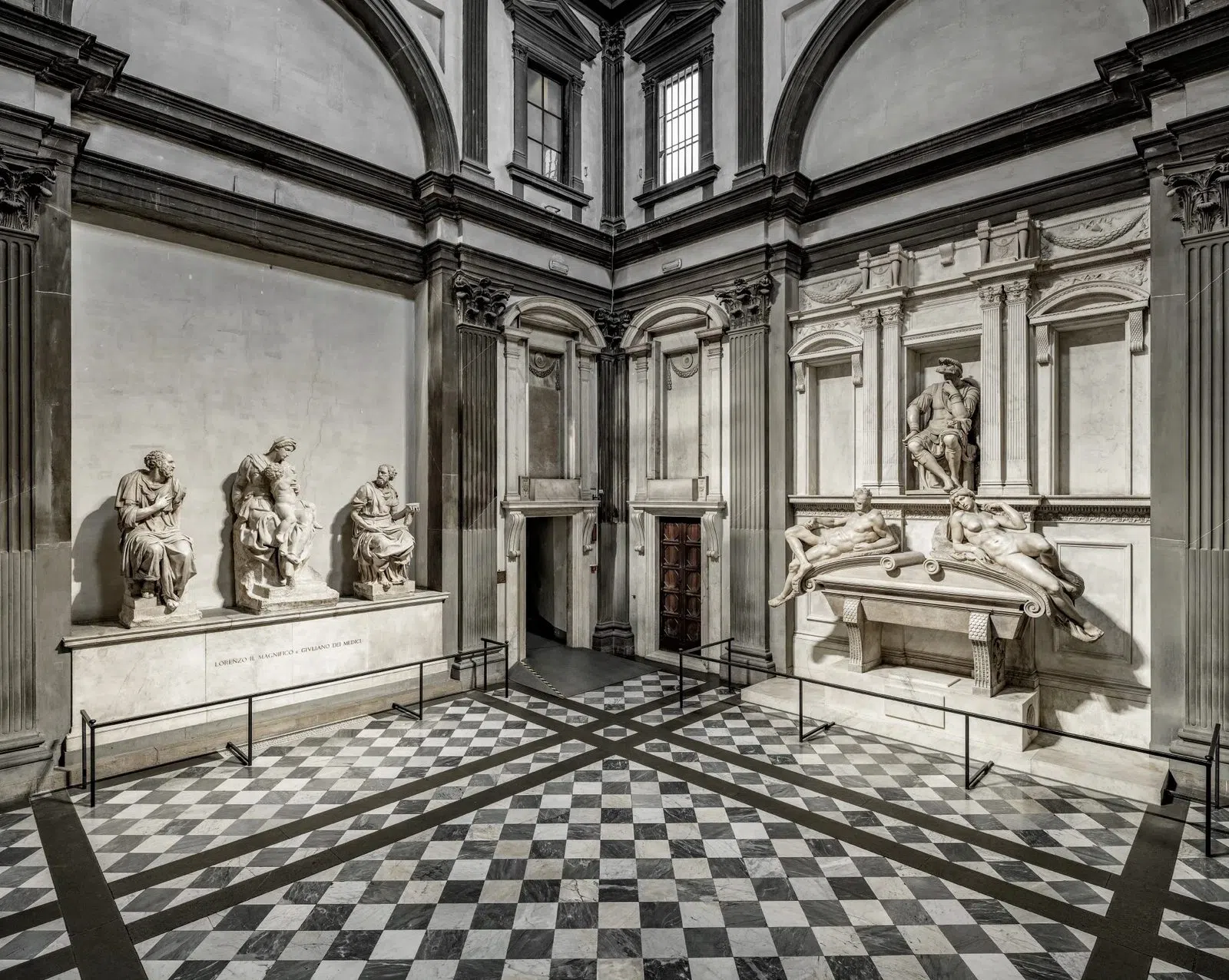
Cappelle Medicee (San Lorenzo), a two-minute walk on, gives you two rooms in completely opposed moods: Michelangelo's New Sacristy, restrained to the point of severity, and the Chapel of the Princes, where the Medici spent as if restraint were an insult. Admission is €11 and you can be done inside an hour. Guided groups are taken, but the New Sacristy is one compact space with sightlines that matter, so guides tend to run smaller sub-groups through rather than filling it. Go before lunch and you will still have the afternoon intact.
Plan your Florence trip
Live prices from our booking partners.
Free cancellation on many rooms. We may earn a commission when you book.
The chapel that admits ten people at a time
Brancacci Chapel, Santa Maria del Carmine (Oltrarno, San Frediano) is where Renaissance painting worked out depth: Masaccio's expelled Adam and Eve, freshly restored and cleaned, in a chapel most visitors walk past on their way to a trattoria. Entry is €15 and booking is compulsory, because the cap is ten visitors per thirty-minute slot. Ten people for half an hour is why the room never feels like a museum. It also means a group of twenty cannot go in together under any arrangement, so if you are travelling with a party, book consecutive slots and give the waiting half something to do; the square outside has shade and a bar or two. Couples and pairs get the best of it.
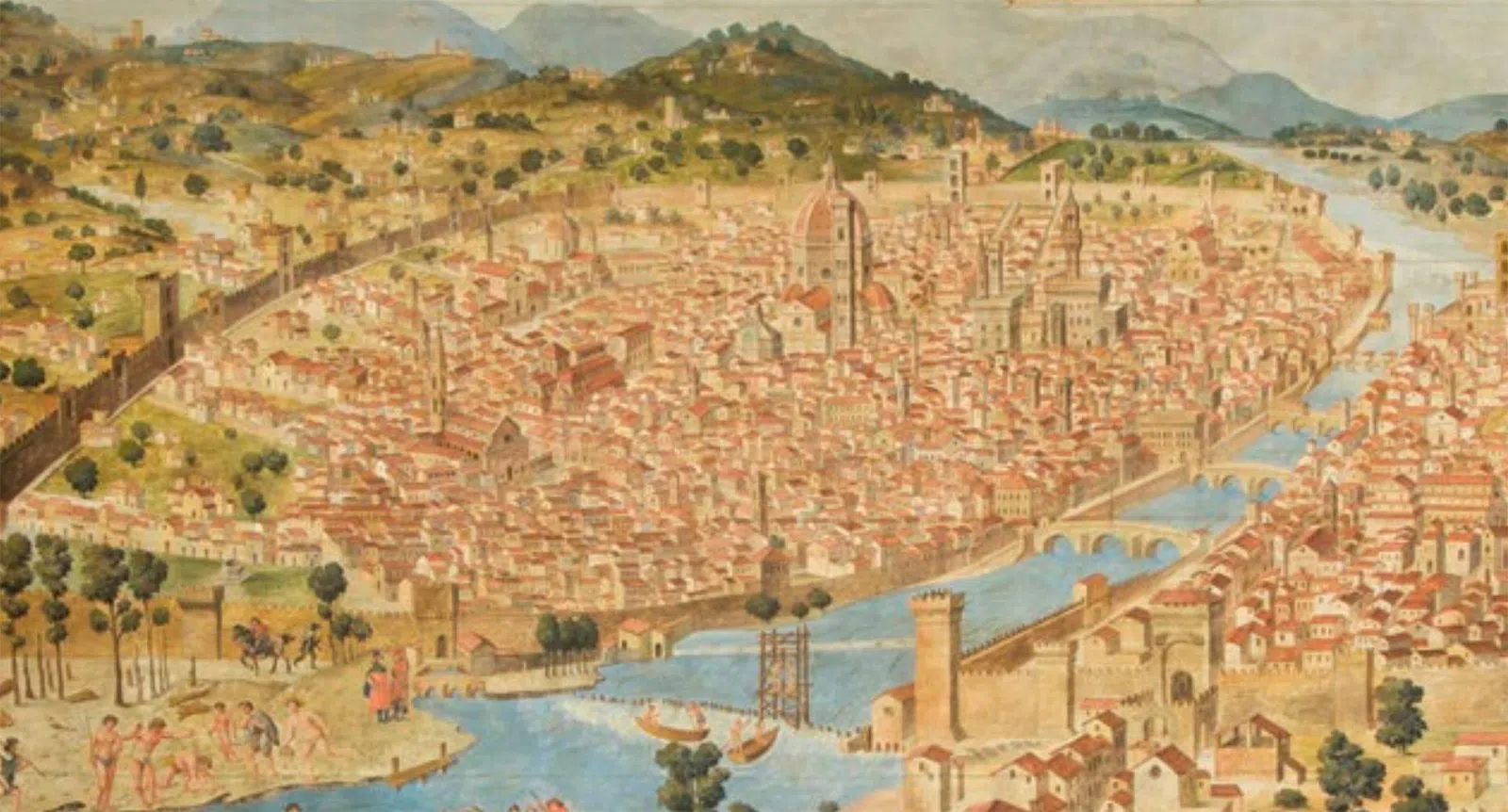
Sculpture in a prison, and the originals from outside
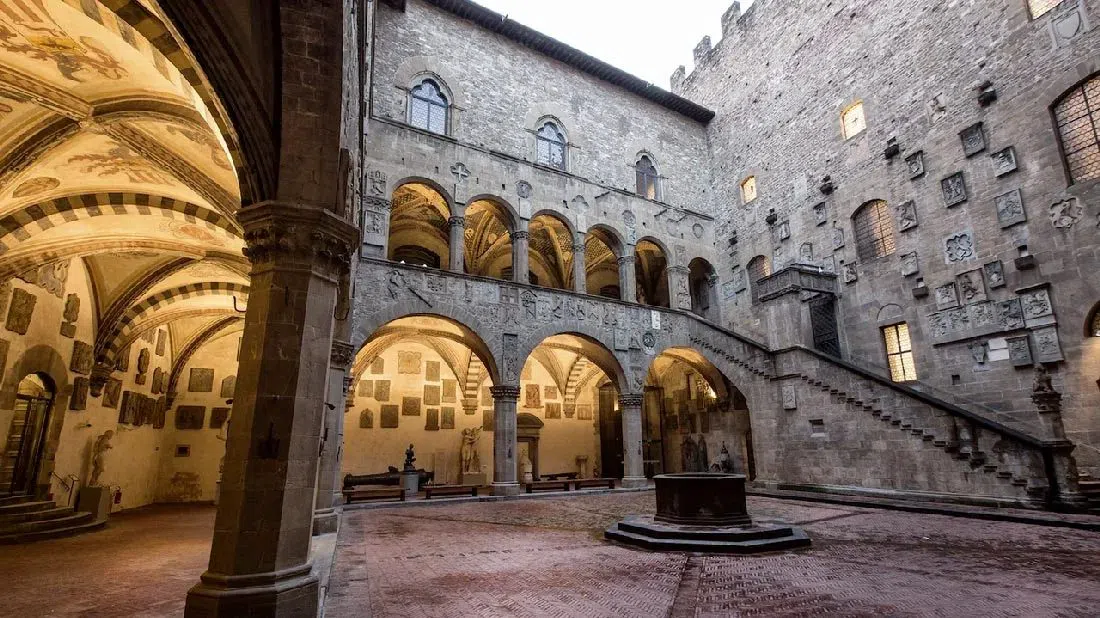
Museo Nazionale del Bargello (a few streets behind the Palazzo Vecchio) holds the city's sculpture in a thirteenth-century courthouse and prison. The Donatello hall, reopened after a year of restoration, has a stone-cold gravity the painting galleries cannot match. Tickets are €12, with an optional €4 reservation fee you can skip on most days. It is unusually easy for groups: up to twenty people plus a guide with no reservation needed, while school groups are capped at twenty-five and have to book by phone. Even in high season it runs at half the pressure it deserves. Late morning is fine here; the courtyard catches sun and the upper loggia stays cool.
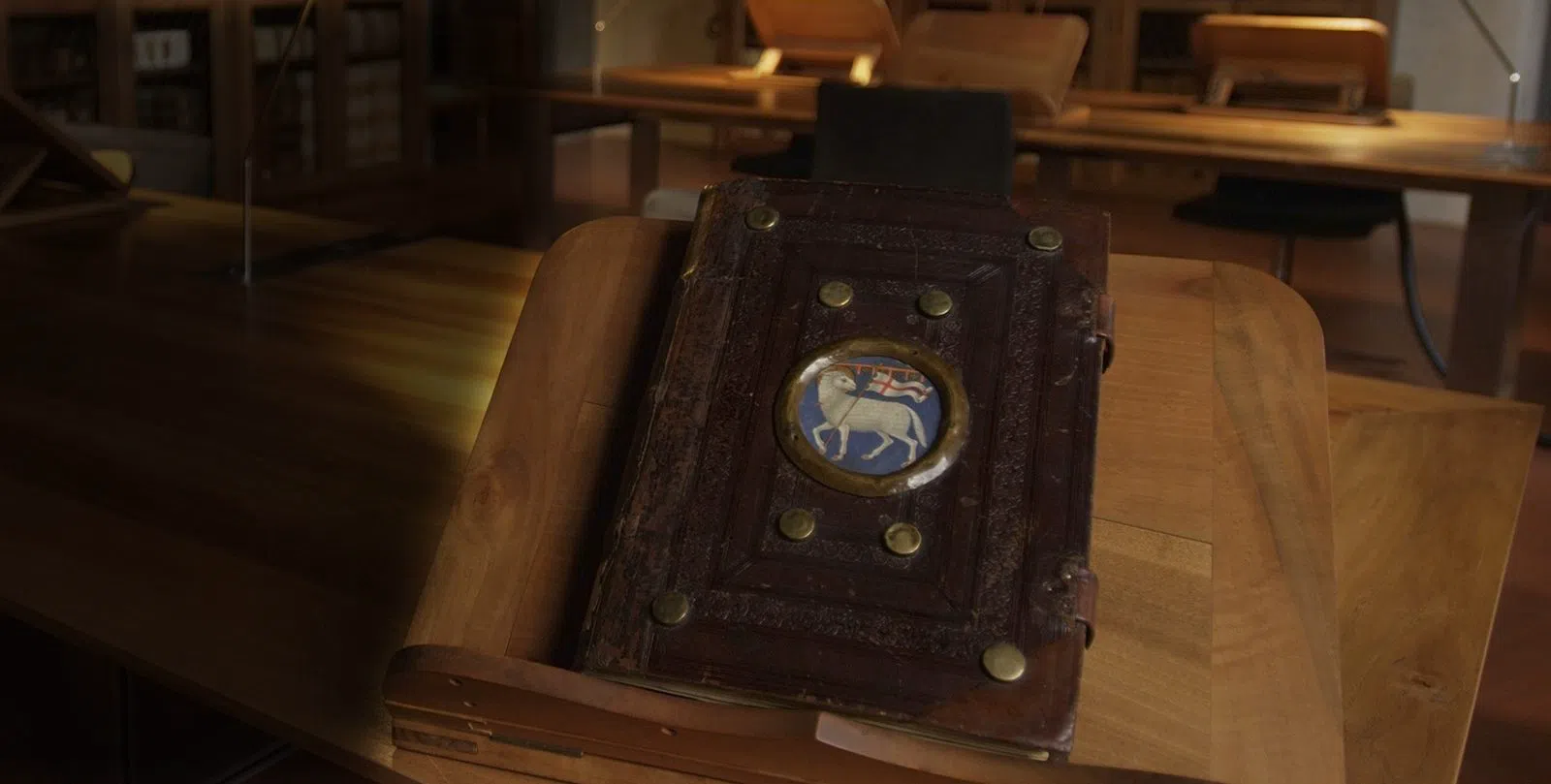
Museo dell'Opera del Duomo (Piazza del Duomo) is the indoor twin of everything the crowds photograph outside: Ghiberti's baptistery doors, Donatello's Magdalene, Michelangelo's Bandini Pietà, all of it with seats and air conditioning. The catch is the ticketing. It is only sold inside a Duomo pass, at €15 for the Ghiberti, €20 for the Giotto and €30 for the Brunelleschi, so the sums depend on whether you are climbing anything. Big halls and audio-guide systems mean it handles groups better than almost anywhere on this list; the Ghiberti hall is the single pinch point, and the passes run three days, which lets you split the visit rather than force it.
Late openings and the century Florence rarely advertises
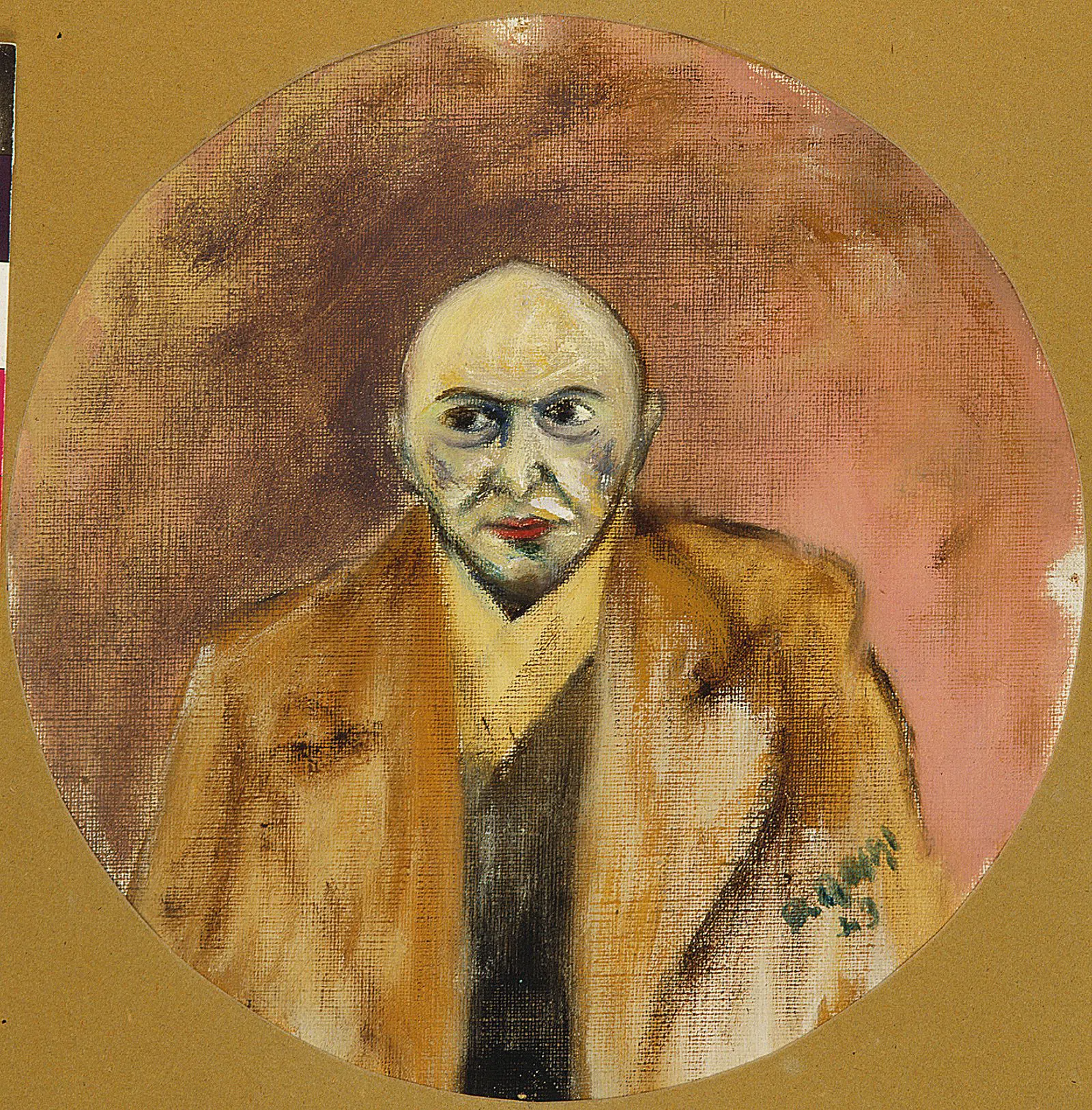
Museo Novecento (Santa Maria Novella) makes the case that the city did not stop in 1600, and its hours make it genuinely useful: 11:00 to 20:00, the rare Florentine museum you can do properly after a long lunch rather than instead of one. Entry is under €10. Guided visits are booked through MUS.E, and the evening hours spread arrivals so the last two hours are quiet. Note the closing day is Thursday, not Monday, which catches people running on the usual Italian museum week.
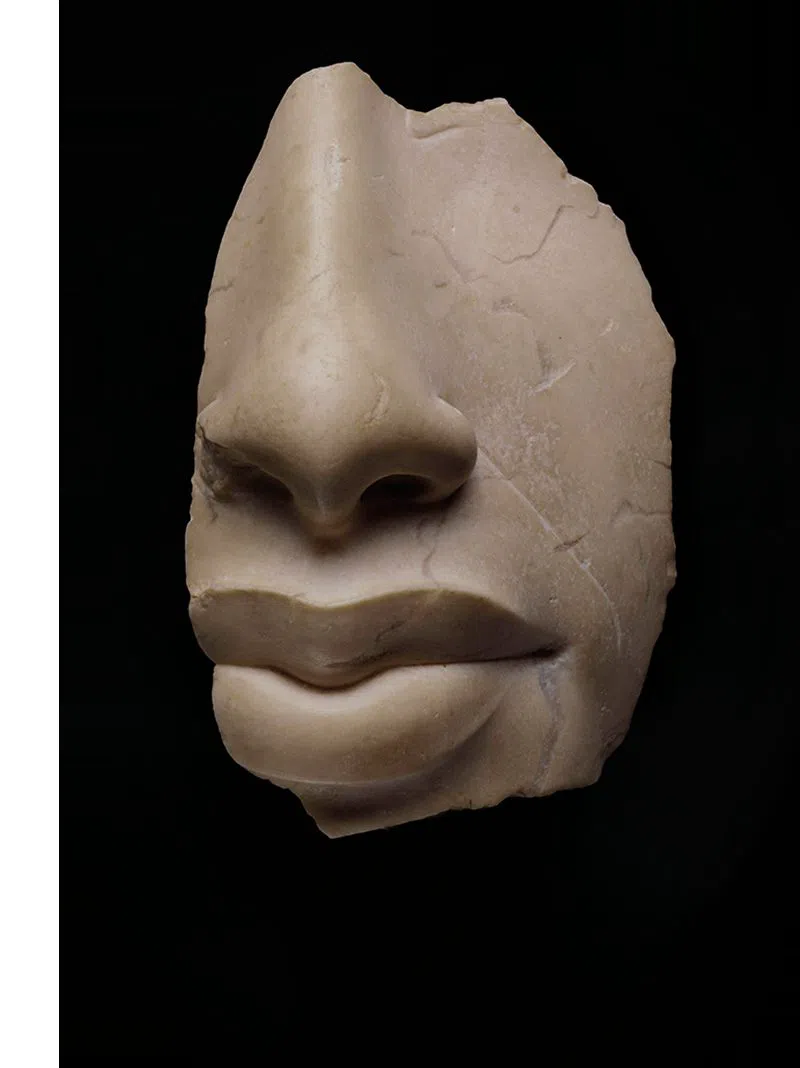
Fondazione Palazzo Strozzi (city centre, between the cathedral and the river) is where the serious temporary shows land. Its autumn 2026 exhibition, Broken. The Power of the Fragment, runs from 25 September 2026 to 24 January 2027; tickets for the main exhibition are €15 to €18. You can request group rates and book private after-hours visits on the bookings line, +39 055 26 45 155. The courtyard is free to walk into, which makes it a reliable meeting point and a decent place to sit out a shower.
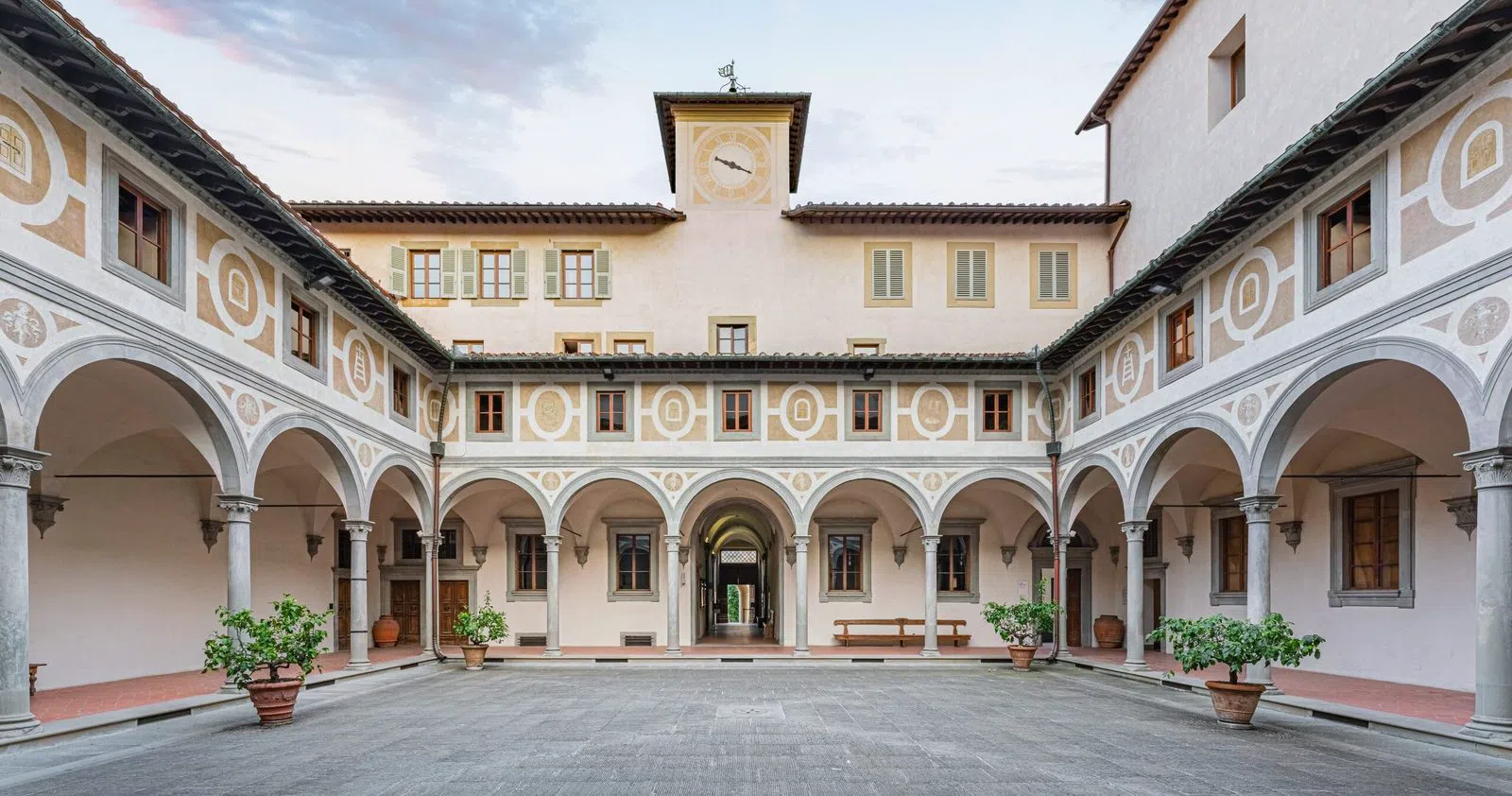
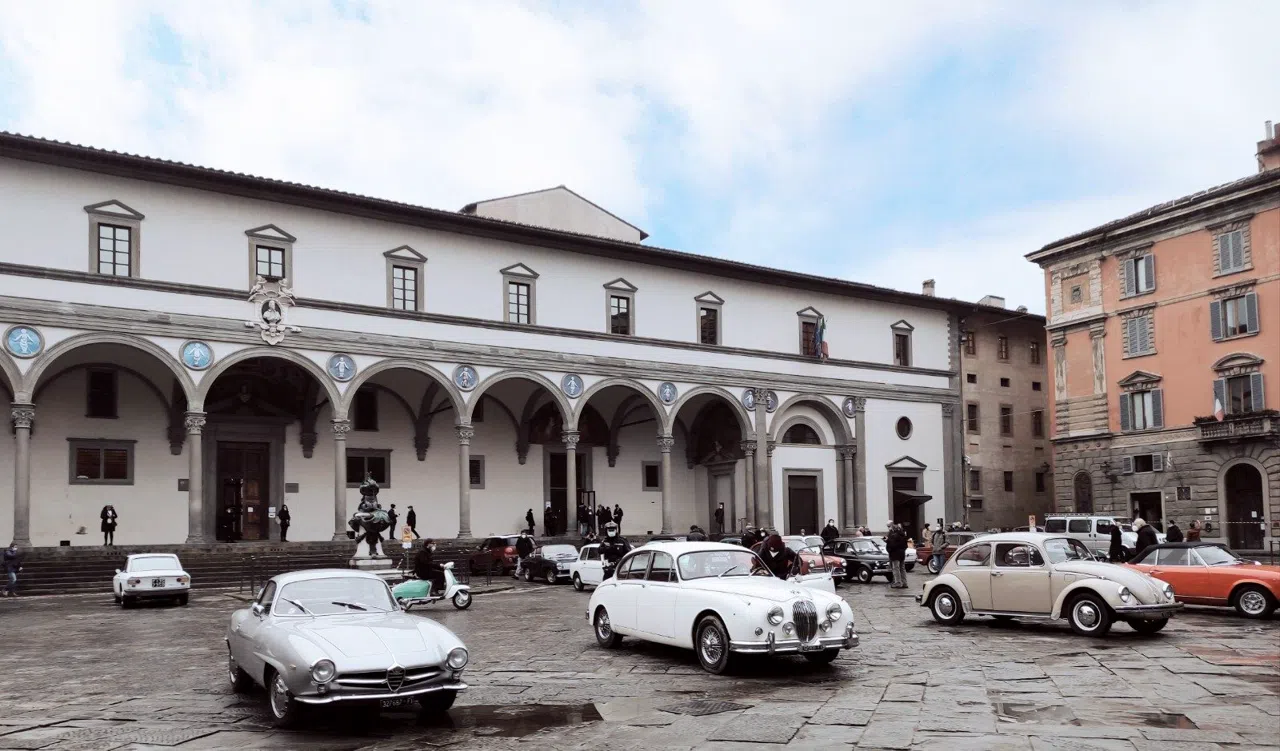
Museo degli Innocenti (Piazza Santissima Annunziata) occupies Europe's first foundling hospital, and it is still a working children's institution, a fact that changes how the rooms read. Entry is in the mid-teens in euros. The archive of tokens left with abandoned babies, each half of a broken medal or button kept so a mother might one day match it, is the room people remember, and it asks no art-historical preparation. Weekend entry and guided tours have to be booked by 6pm the previous day, which trips up spontaneous Saturdays. You can reach the rooftop Caffè del Verone without a museum ticket: the cheapest good view of the dome you will find, best in the hour before sunset.
Across the Arno, then up the hill for the evening
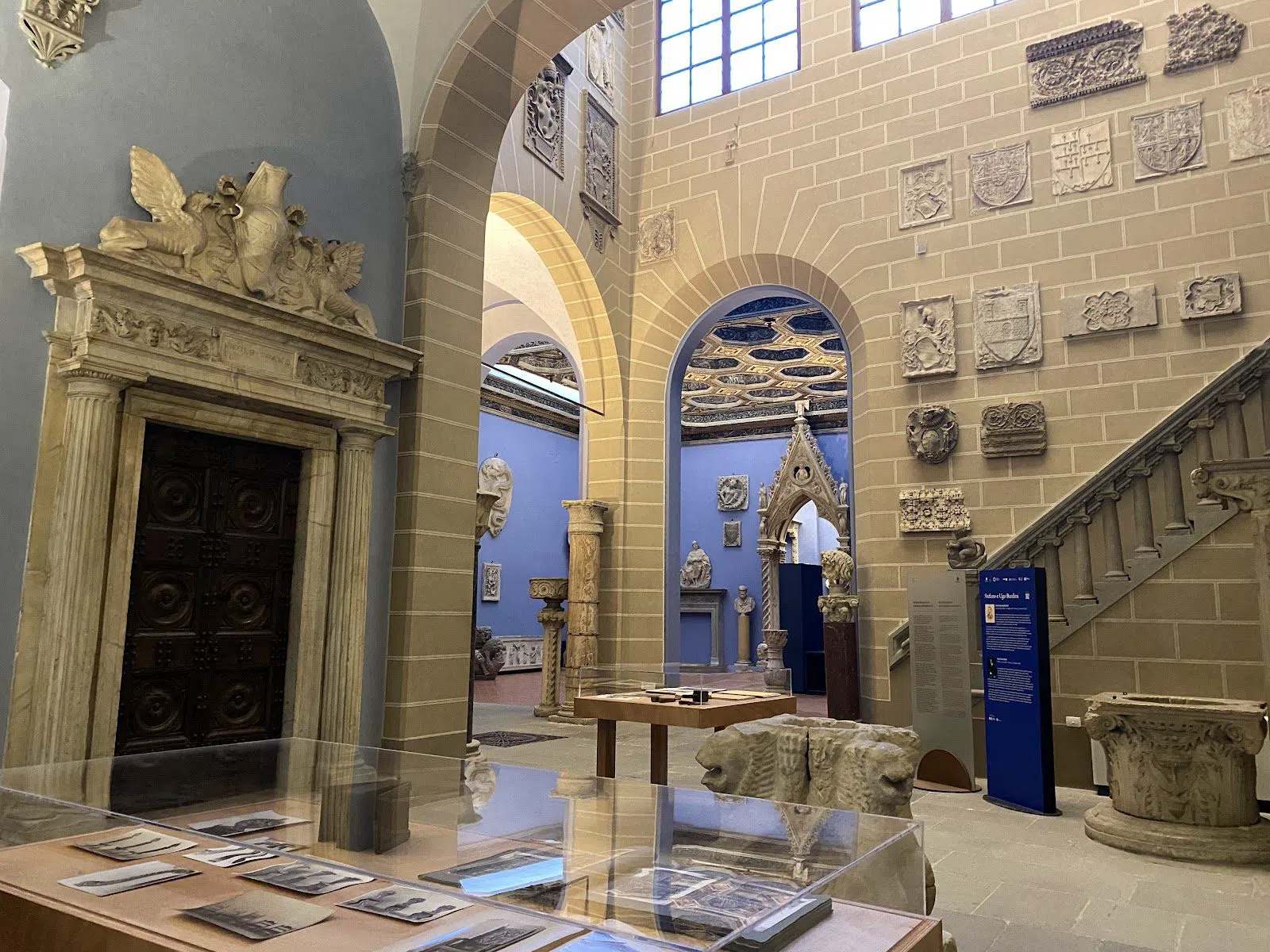
Museo Stefano Bardini (Oltrarno, near Ponte alle Grazie) is an antiquarian's own hoard, arranged as he left it in 1922 and hung against walls of a particular deep blue that has since been copied all over the trade. Entry is under €10. It is a small civic museum, so guided parties are best kept modest and booked through MUS.E; arrive mid-afternoon on a weekday and you will often have a room to yourself, which is not a thing you can say about much else here.
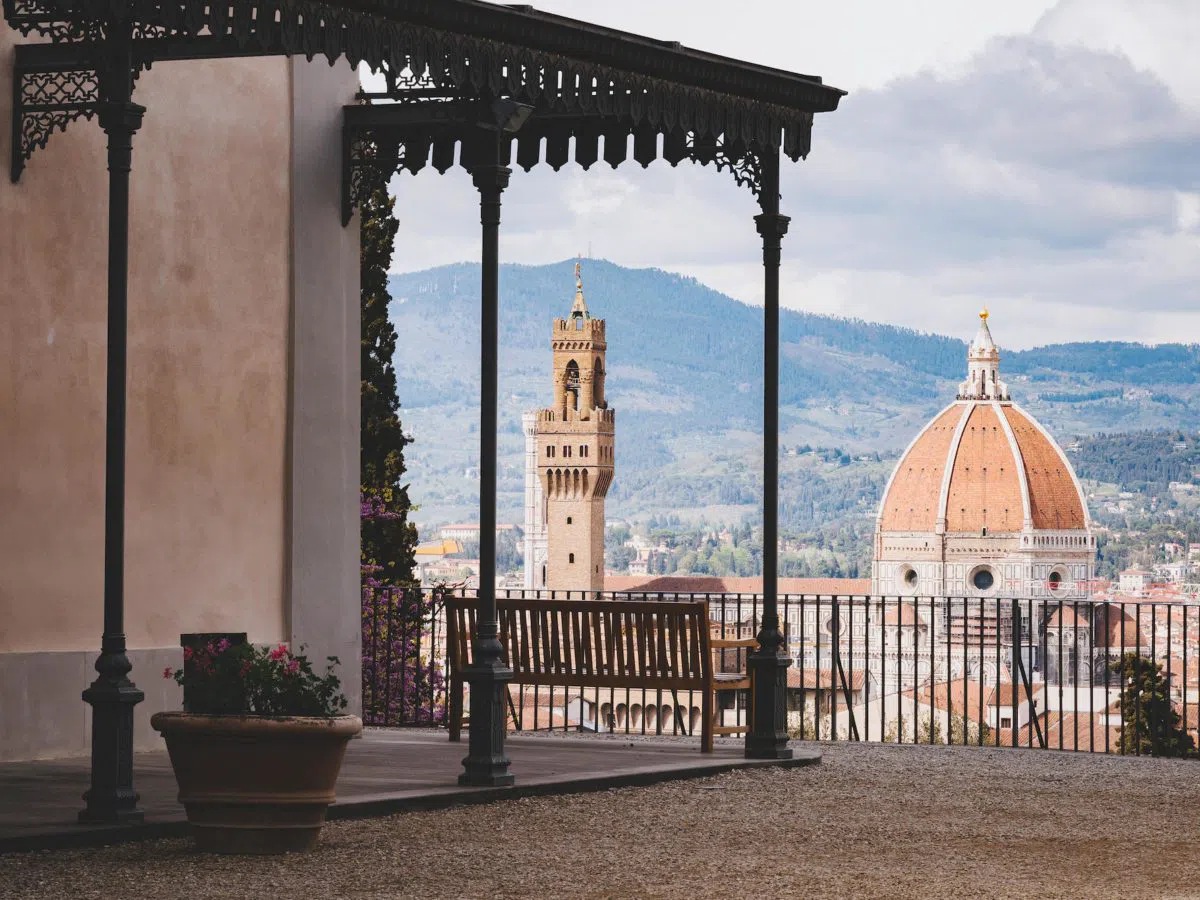
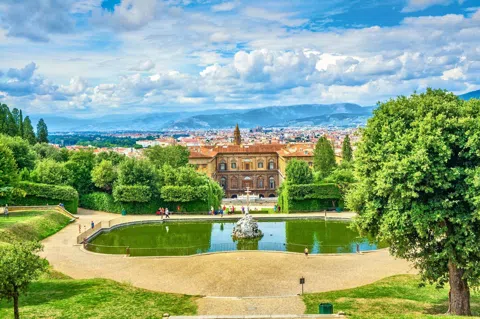
Villa e Giardino Bardini (the hillside above Costa San Giorgio) is Boboli's quieter neighbour with the better view: terraces stepping down toward the dome, a wisteria tunnel that peaks in April, and a bar and restaurant on site for a stop. Entry is €10 to €15 including the villa's exhibition, currently the Foto Locchi archive show Firenze '50 '60 '70, which runs to 18 October 2026. Group visits are arranged by email with the villa office rather than through a ticket portal, so allow lead time.
Basilica di San Miniato al Monte (on the hill above Piazzale Michelangelo) closes the day properly. The monks sing the Gregorian office daily at around 17:30 and it lasts roughly forty-five minutes. There is no ticket and no booking; groups are welcome, but the sung office demands silence and no photography, so brief people before they go through the door. Arrive a few minutes early, take a seat in the nave and say nothing. Nothing else in the city is that quiet, and it costs nothing at all. The walk up takes twenty-five minutes from the river and repays going slowly.
Rooms where things are still made
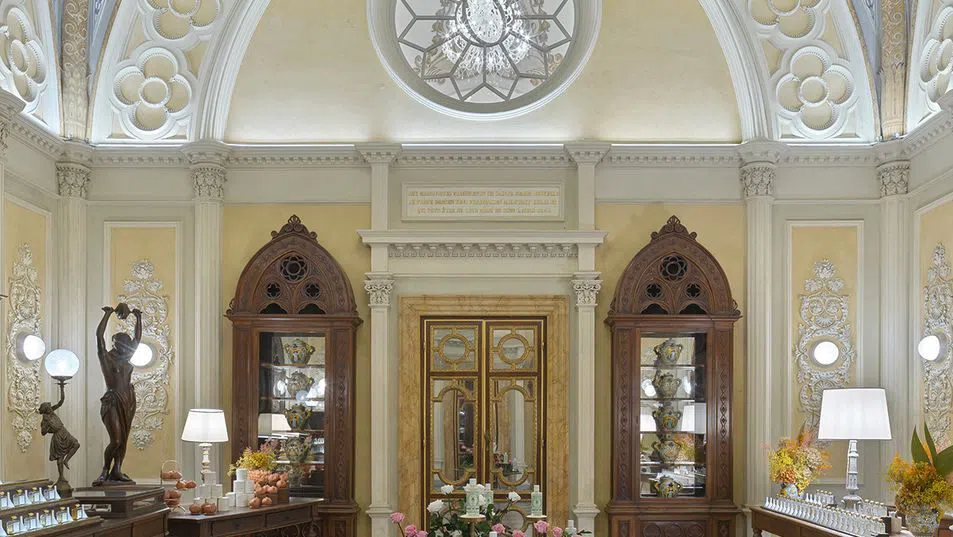
Officina Profumo-Farmaceutica di Santa Maria Novella (Santa Maria Novella) was founded by Dominican friars in 1221 and still sells recipes from its own archive. You can walk in off the street with no ticket, stand in a frescoed hall most visitors never find, and leave with nothing, or with soap and rose water from around €20. Guided tours of the historic rooms and the workshop museum are bookable in advance and are the version worth doing with a group; entry itself stays free.
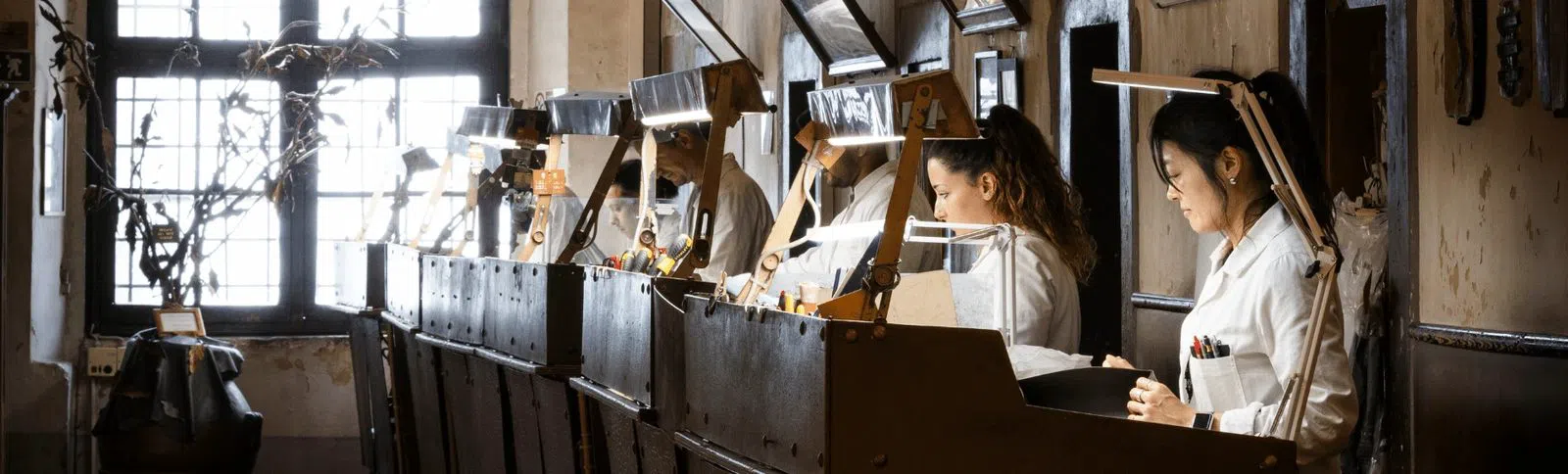
Scuola del Cuoio (Santa Croce) has been working inside the friary since 1950, and it is a working trade rather than a demonstration staged for visitors: you walk through the benches at no charge and watch the cutting and gilding being done. Half-day courses run €320 per person solo, dropping to €185 per person for parties of four to ten, and you leave with a book cover you cut yourself. Short courses and technical visits are organised on request, which makes this the most group-friendly thing on the list.
Two stops past the centre
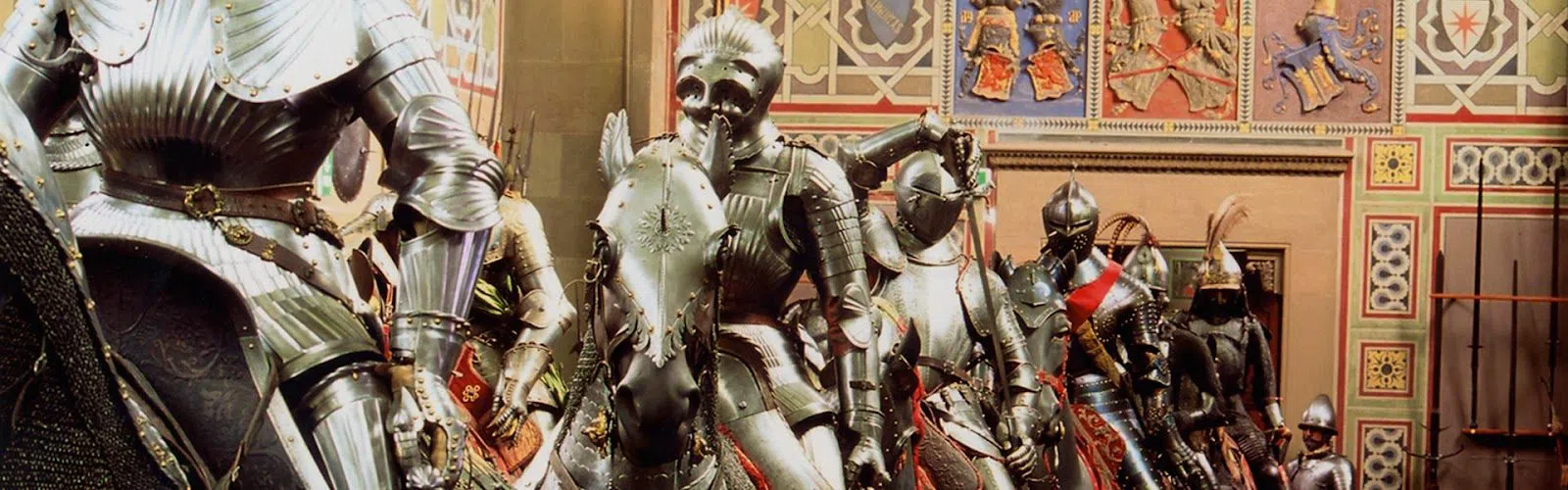
Museo Stibbert (north of the centre, roughly half an hour out by bus or taxi) is a Victorian collector's villa holding one of the strongest collections of Japanese armour outside Japan, staged in a cavalcade of mounted figures. Entry is around €10 and works one way only: hourly guided tours, maximum twenty-five people. That is ideal for a fixed group booked ahead and awkward for walk-ups, who may wait for the next slot. It closes on Thursdays.
Manifattura Tabacchi (west of the centre) is a 1930s tobacco factory turned contemporary quarter: exhibitions, design studios, food, workshops, and a 280-seat open-air cinema running nightly through the summer. The district is free to walk into and the 1,500 square-metre MOTEL space handles large events, though individual exhibitions and workshops may cap numbers. Programming is seasonal, so check the agenda before making the trip; on a dead week there is little to see.
Practical notes
Almost everything above except Stibbert and Manifattura Tabacchi is walkable from the historic centre, and the Oltrarno cluster of Brancacci, Bardini and San Miniato is a single unbroken afternoon on foot if you take the hill last. City buses and the tram cover the outer two; a taxi to Stibbert is worth it if you are booked onto a fixed tour time.
Book ahead, in this order: Brancacci (compulsory), the Chapel of the Magi (ten-person cap), Stibbert (fixed tours), and Innocenti if you are going at the weekend or want a guide, by 6pm the day before. Watch two closing quirks. San Marco shuts at 13:50, and both Museo Novecento and Museo Stibbert close on Thursdays.
Cards are accepted everywhere on this list, but carry €20 to €30 in cash for bar coffees, a candle at San Miniato and the occasional counter that prefers it. Budget roughly €35 to €45 per person for a full day of two or three of these museums, or close to nothing for a day built on the pharmacy, the leather school, the Strozzi courtyard and the evening chant. If you are still choosing where to sleep, the Oltrarno and the San Marco side both put you within ten minutes of most of this: compare rates through the Florence hotel search and prioritise the walk over the postcard address.
Before you go
Which of these places do I have to book in advance?
Three of them need booking. The Brancacci Chapel admits ten visitors per 30-minute slot and booking is compulsory (€15). At Palazzo Medici Riccardi, the Chapel of the Magi also holds entry to ten people at a time on timed slots. Museo Stibbert admits visitors only on hourly guided tours of maximum 25, so walk-ups risk a wait. Museo degli Innocenti requires booking by 6pm the previous day for weekend entry and for guided tours. The Bargello, San Marco, the Medici Chapels and Museo Novecento you can usually do on the day.
What can I see if I only have one free morning?
Museo di San Marco, and go at opening. It closes at 13:50, costs around €8 to €10, and it has Fra Angelico's frescoes in the friars' own cells rather than on a gallery wall. If you have a second hour, the Medici Chapels are a five-minute walk away and take under an hour.
Are any of these free?
Several. Basilica di San Miniato al Monte has no ticket at all, including the Gregorian office sung daily around 17:30. You can walk into the Officina Profumo-Farmaceutica di Santa Maria Novella and browse, and the same goes for the courtyard of Palazzo Strozzi, the Scuola del Cuoio workshop and Manifattura Tabacchi, a public district anyone can enter. The rooftop Caffè del Verone at Museo degli Innocenti lets you up without a museum ticket.
Which of these work for a group of fifteen or more?
The Bargello takes up to 20 plus a guide with no reservation needed, Museo dell'Opera del Duomo has big halls and audio-guide systems, and Manifattura Tabacchi's MOTEL space handles large events. The Scuola del Cuoio organises technical visits and courses on request, with per-person course rates falling to €185 for parties of four to ten. The Brancacci Chapel and the Chapel of the Magi both cap at ten, so a group that size cannot go in together.
Which days catch people out?
Thursday. Both Museo Novecento and Museo Stibbert close on Thursdays rather than the Monday most visitors expect. The other one to watch is Museo di San Marco's 13:50 closing, which makes it a morning visit however you arrange the rest of the day.