
Florence does not need to argue for its place in gelato's history, but its finest gelaterie make the case anyway, one relationship-sourced batch at a time. This is a trail built on chemistry as much as memory — a walk between shopfronts where a spoonful of Buontalenti or a paper cup of stone-milled pistachio tells you something specific about how this city thinks about food. Walk it in the hour before dusk, when the queues thin, the marble counters are freshly restocked, and the gelato itself is coldest and firmest, exactly as it should be eaten.
The Founding Houses
Three shops anchor this trail in something older than trend, and each earns its place for a different reason: age, invention, or survival.
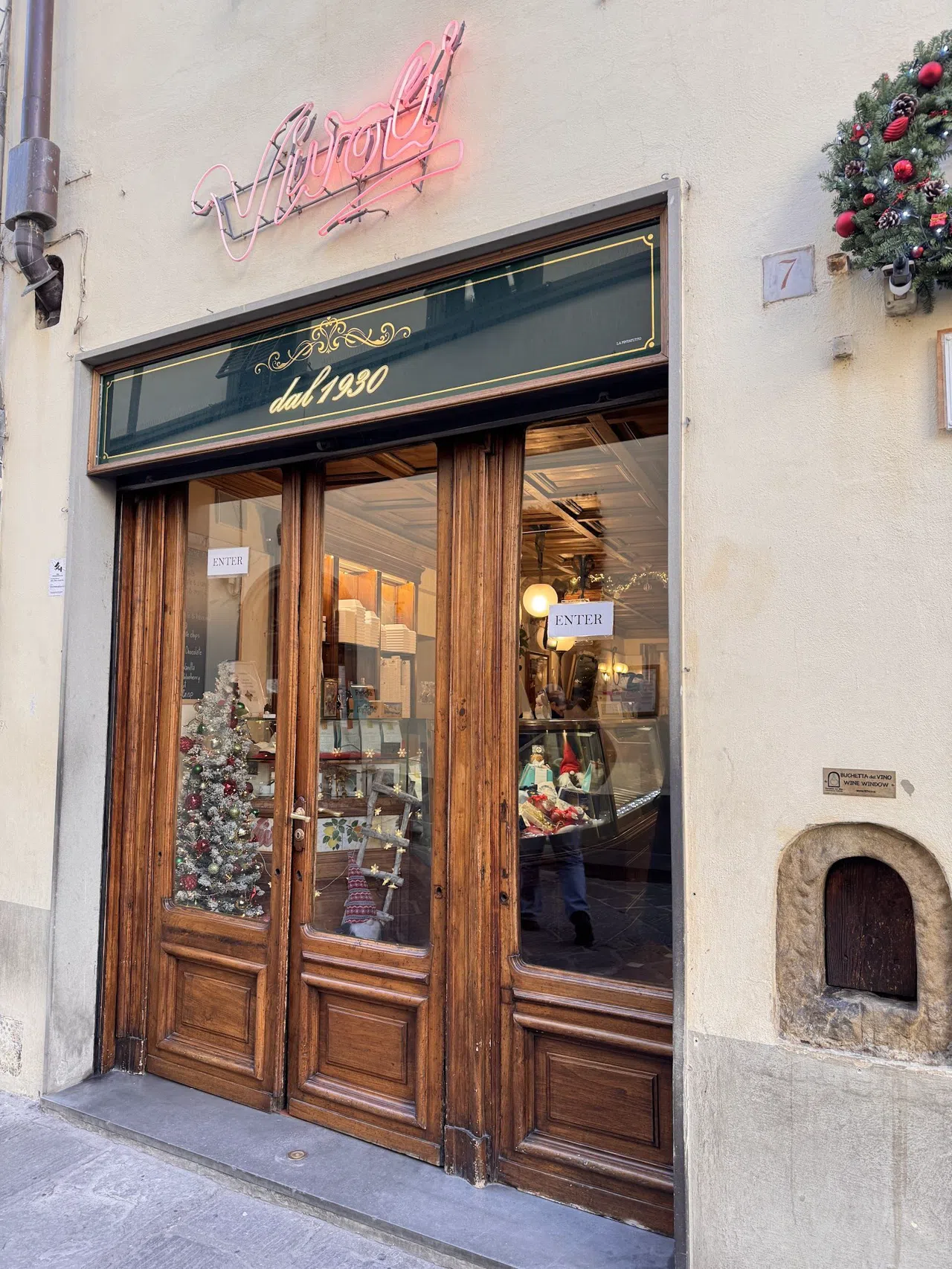
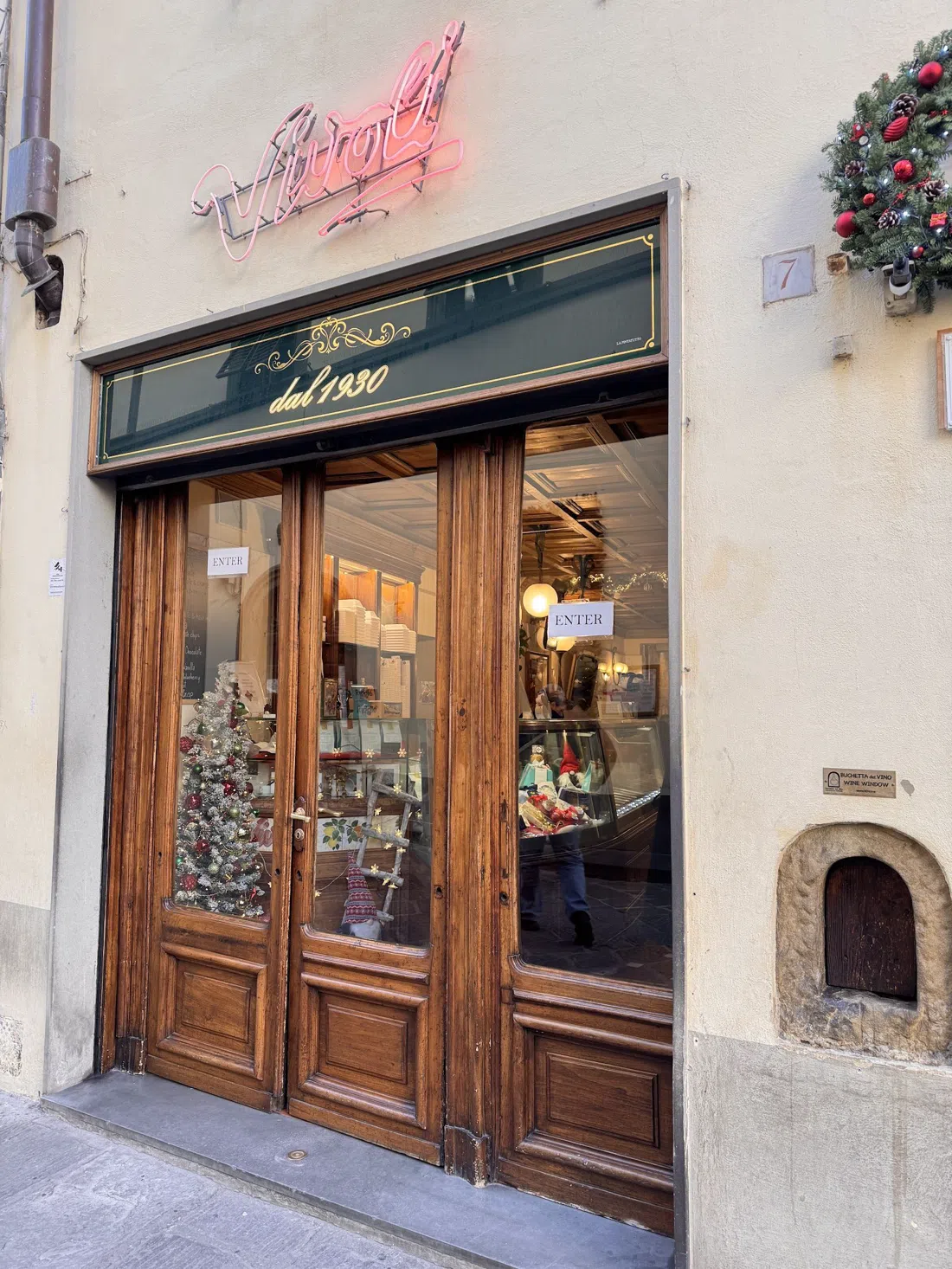
Vivoli (Santa Croce) is where most serious accounts of Florentine gelato start, and for good reason — four generations of the same family have kept the counter running long enough that it's often named among the city's oldest working gelaterie. There's no seating to speak of and no reservations; you order at the till, collect your cup, and eat standing on the pavement outside like everyone else has for decades. It suits pairs or a loose cluster of three well enough, but arrive at midday with a group of eight and you'll spend more time finding space to stand than eating. Go instead in the mid-morning lull, around 10:30, before the Santa Croce crowds arrive from the basilica.
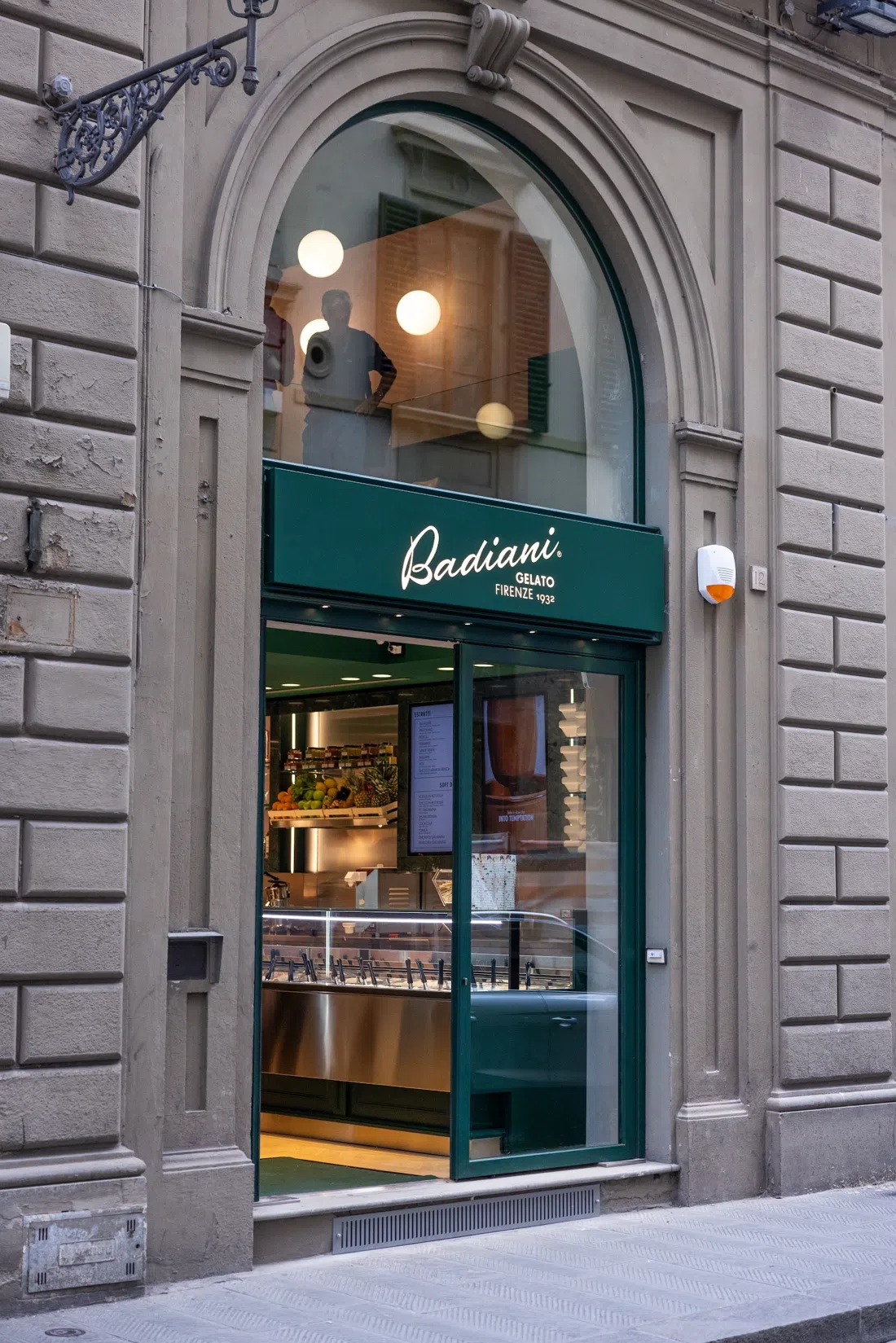
A ten-minute walk away, in the streets between the Duomo and Piazza della Repubblica, Gelateria Badiani 1932 holds a specific claim that Vivoli doesn't: this is the trademarked birthplace of Buontalenti, the boozy, egg-custard-rich cream flavor named for the Renaissance architect and said to have been invented for a Medici banquet. It's a walk-in counter built for steady tourist flow — no group bookings, no fuss — and it handles a queue better than most of the boutique shops on this list, largely because the staff move fast and the flavor case is enormous. Order the Buontalenti straight, without additions, the first time; anything else is a distraction from the point.
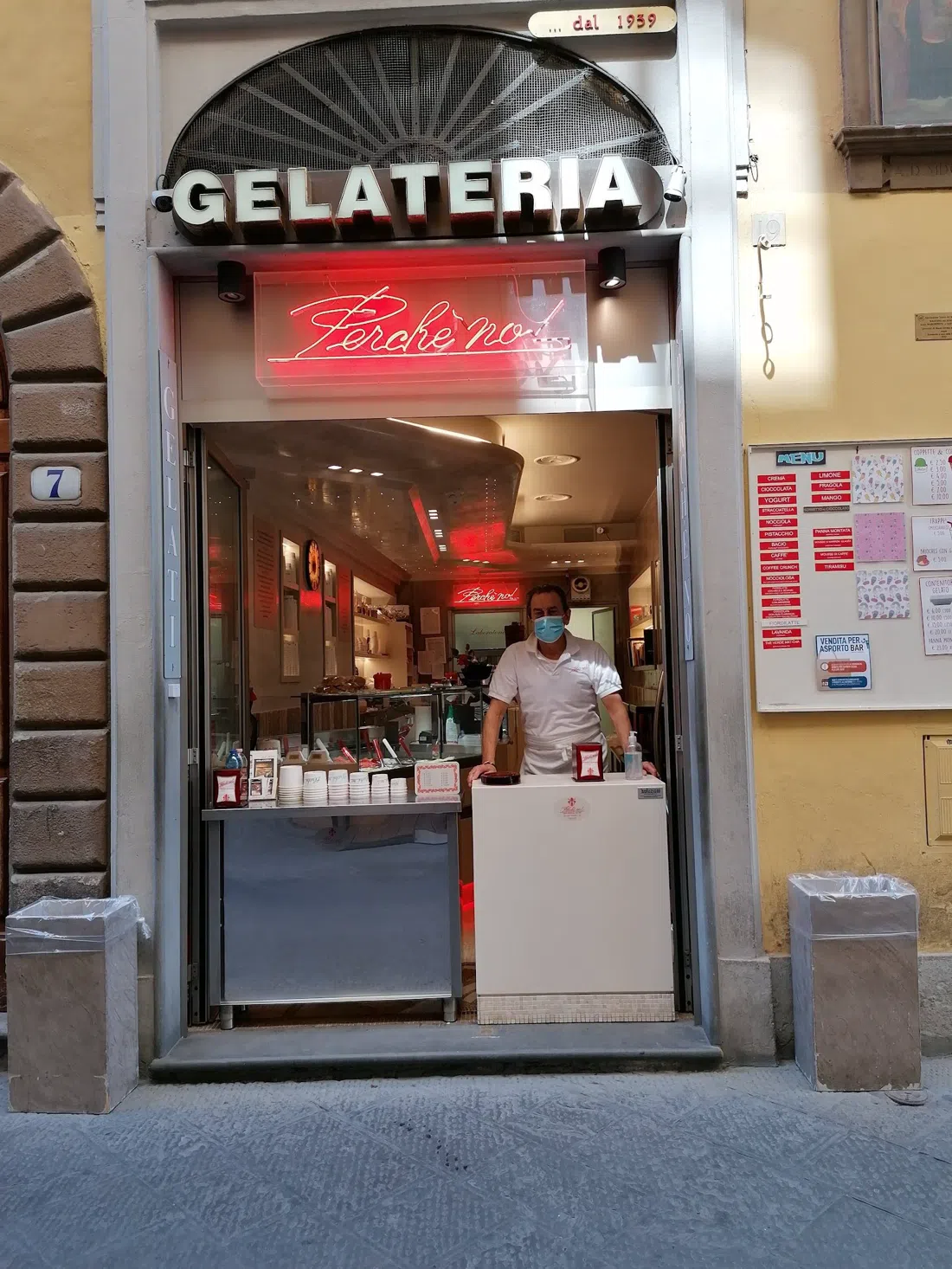
Closer to Piazza della Signoria, Perché No! carries the trail's best piece of living history: it's credited with inventing semifreddo during the shortages of the Second World War, when full cream and full sugar rations weren't guaranteed, and it's still run by the same family that opened it. The shop is small and central, which means it manages small groups reasonably well off-peak — say, a party of four arriving at 3pm on a weekday — but a Saturday evening rush will test everyone's patience. Ask what's semifreddo that week rather than defaulting to the standard tub flavors; it's the closest the trail gets to tasting the shop's original 1939 idea.
The Pistachio Pilgrimage
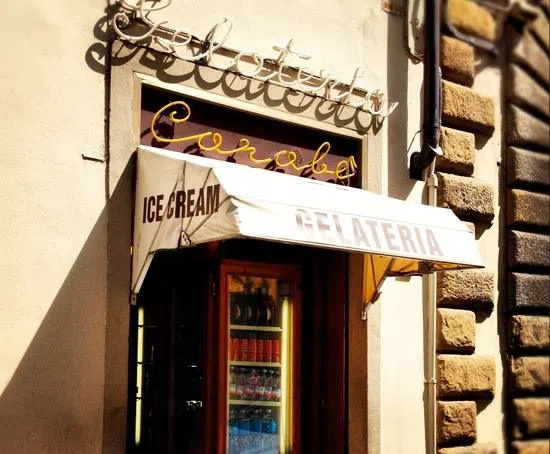
Some ingredients earn a special detour, and in Florence, pistachio is one of them — but only if it comes from the right place. Near the Accademia, on the way to or from the Duomo, Carabè is a Sicilian gelateria and granita bar that flies in stone-milled pistachio from Bronte, the volcanic-soil town on Etna's slopes that produces arguably the most sought-after pistachio in Italy. The difference between Carabè's pistachio and a standard tub elsewhere in the city is not subtle: it's greener, more bitter-edged, less sweet, and it tastes faintly of the soil it grew in. The shop is compact and works best for pairs or small groups of three, and its granita — genuinely different from gelato, icier and more textured — runs seasonally from March through October only, so a winter visit narrows the menu to gelato alone. Go at aperitivo hour, around 6pm, when the granita case is still fully stocked and the after-work crowd hasn't yet arrived.
The New Laboratory
Not every serious gelateria in Florence is decades old. A newer generation has taken the same rigor the historic houses applied to flavor and turned it toward sourcing — treating milk and fruit less like ingredients and more like the subject of the experiment.
Carapina, with a location near Santa Croce, was founded by Simone Bonini, regarded as one of Italy's more exacting gelato makers, and it runs on single-origin milk and fruit sourced with the kind of specificity usually reserved for coffee roasters. The format is deliberately small — no group bookings, best visited in twos or threes — and the flavor list changes with what's actually in season, which means the sorbet you eat in June won't exist in November. This is the stop for readers who want to taste the difference single-source ingredients make, rather than simply confirm that gelato tastes good.
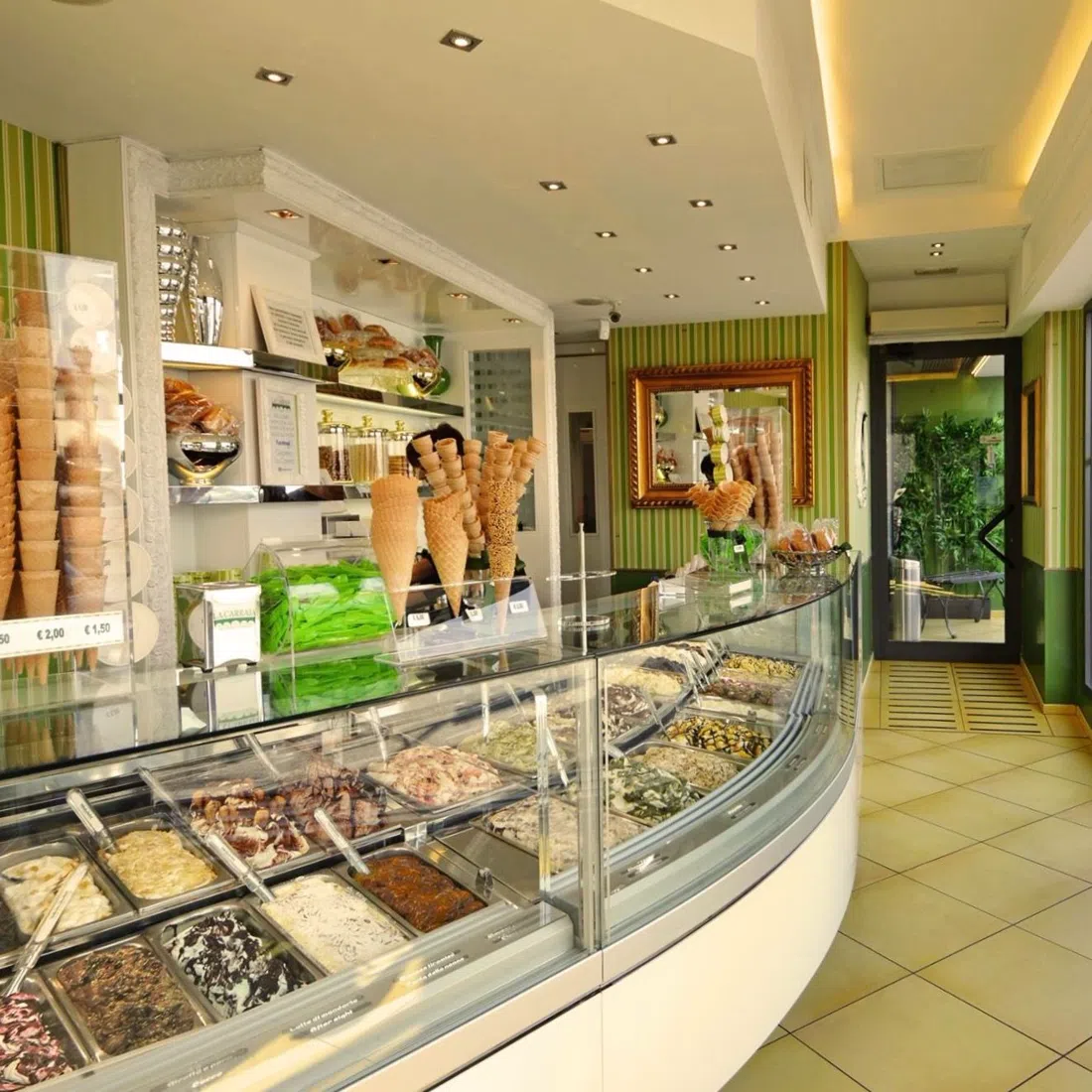
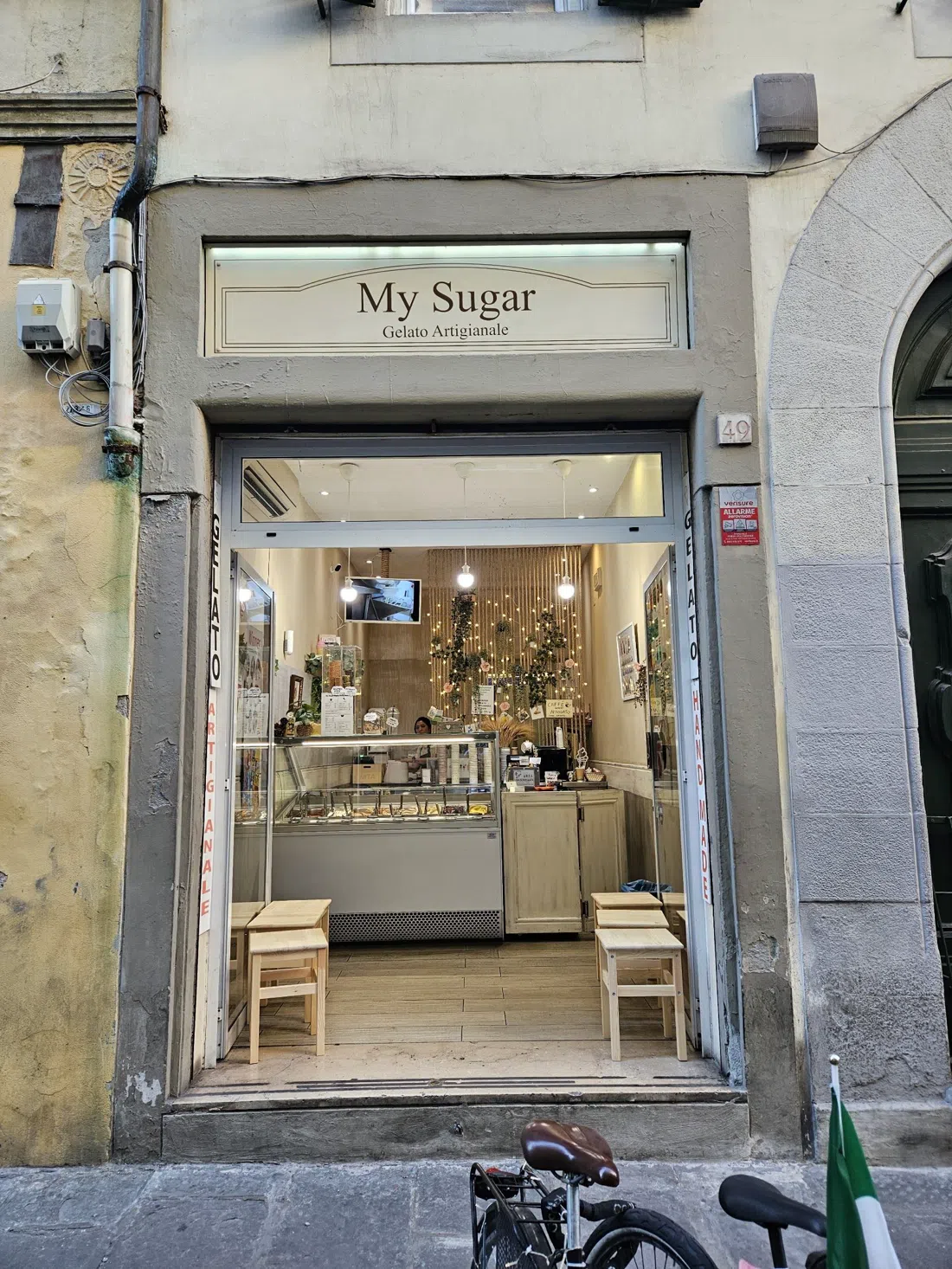
Near the Sant'Ambrogio market, My Sugar Gelato Artigianale offers a younger, market-fed counterpoint to the trail's historic houses — proof that Florence's gelato culture isn't frozen in the 1930s. It's a small counter best suited to individuals or pairs passing through after a morning at the market stalls, and its flavor rotation leans on whatever produce the vendors next door are selling that week. It rewards a slightly improvised visit: ask what came in that morning rather than working from a fixed list.
Where a Group Can Actually Get Served
Some of Florence's gelaterie are built for exactly the kind of party that would overwhelm Vivoli or Carapina — high-throughput counters designed to move a queue fast without cutting corners on the product.
Right in the center, Gelateria dei Neri (Via dei Neri, between Santa Croce and the Uffizi) is the trail's most reliably crowd-pleasing stop: a high-turnover counter that comfortably absorbs a group of ten even with a line out the door, and a flavor range wide and adventurous enough to satisfy an international table without straying from genuine craft. It's the shop to send a mixed group of picky eaters and gelato purists to, because there's enough range that both parties leave satisfied.
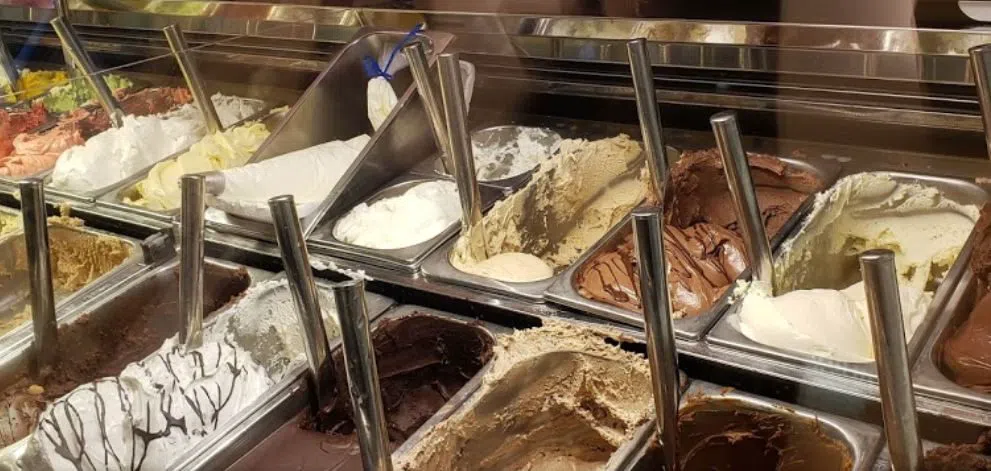
La Carraia runs two central locations — one by the Ponte alla Carraia on the Oltrarno side, another near Santa Croce — and offers the trail's most direct value proposition: generous, honestly-sized scoops at correspondingly gentler prices, without any real drop in quality. The counter service is fast and built for groups, which makes it the sensible choice for a family with children or a larger party watching the budget across a full day of sightseeing.
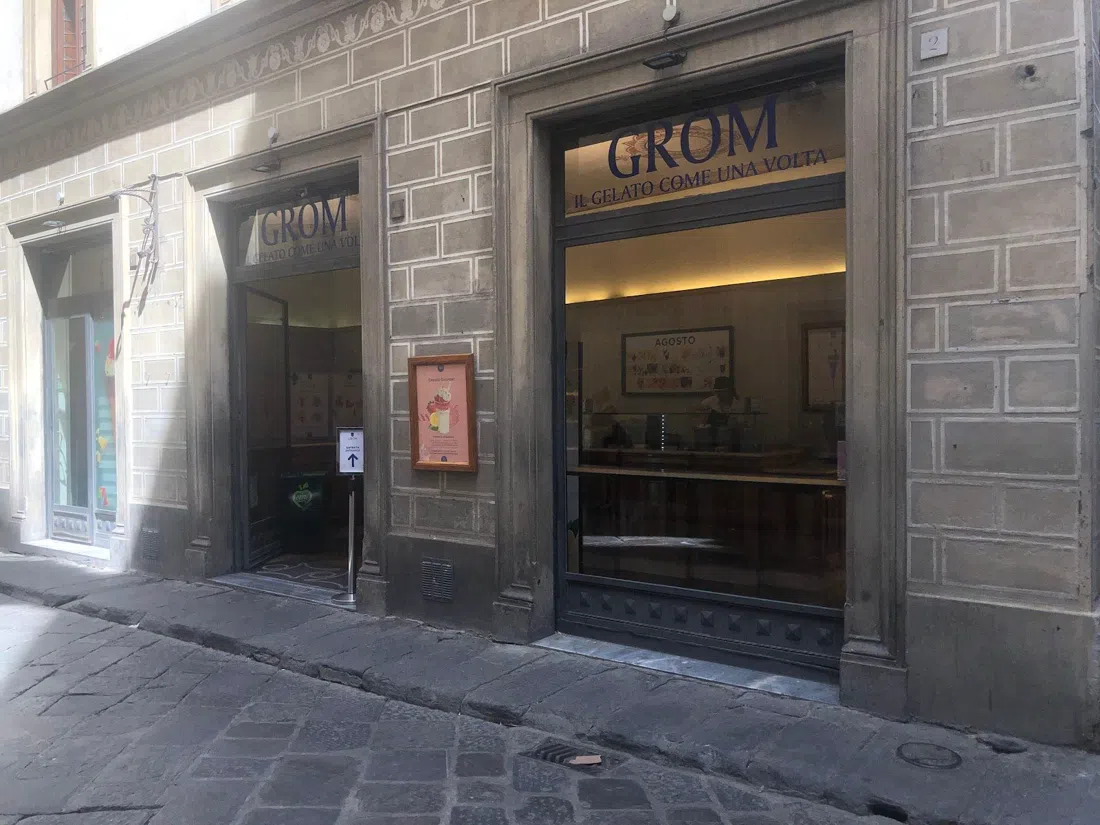
A few minutes from the cathedral, Grom belongs on this list cautiously — it's a quality-controlled chain rather than a single-family shop, and it trades some of the intimacy of the boutique gelaterie for consistency. What it offers in return is real: reliably gluten-free and dietary-safe options, long opening hours, and a counter built to take a queue without buckling, which makes it the trail's fallback stop for a group with mixed dietary needs and limited patience for searching.
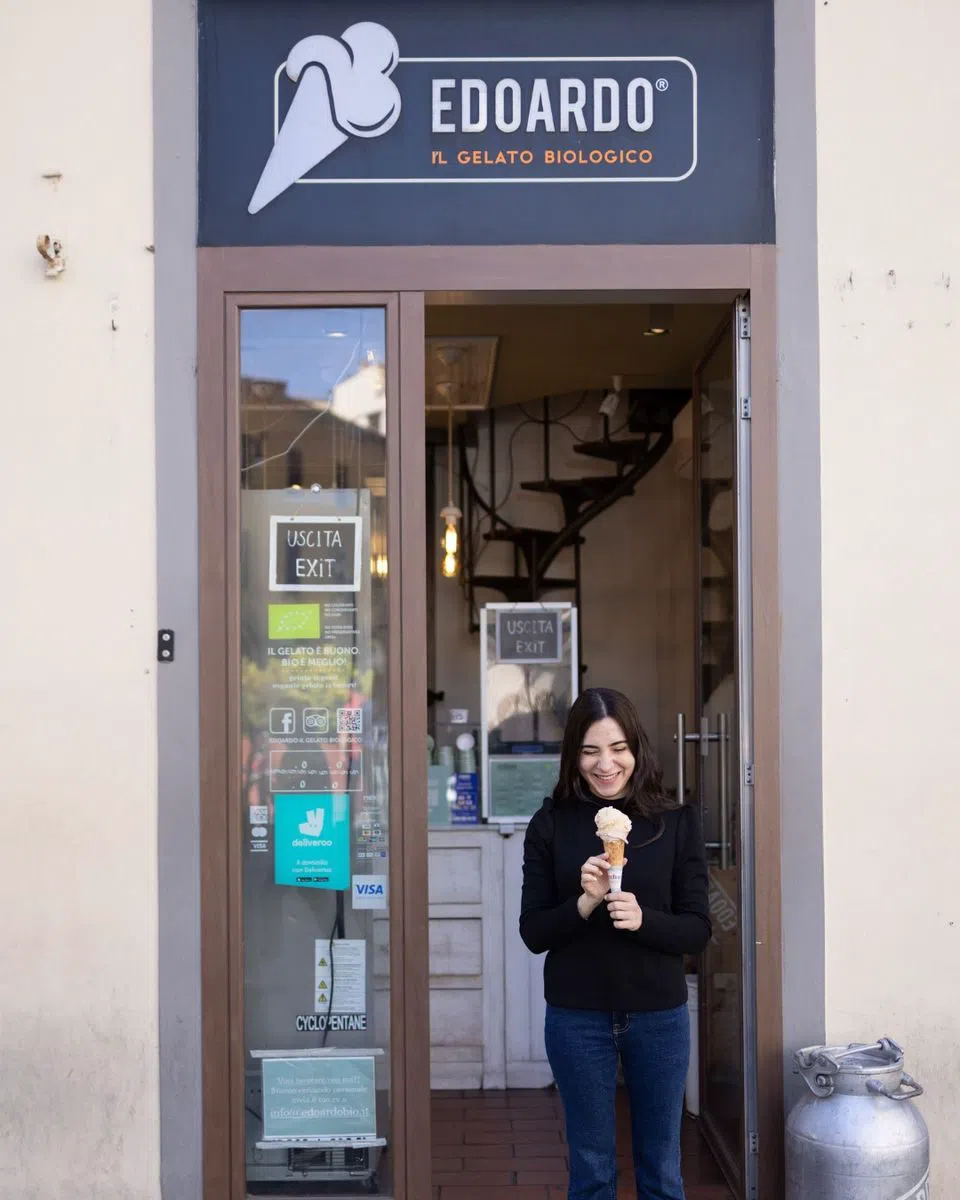
On Piazza del Duomo itself, Edoardo il Gelato Biologico was Tuscany's first organic gelateria and still carries the widest genuine vegan and gluten-free range on this list — not an afterthought flavor or two, but full parallel menus. The location is large enough to handle heavy foot traffic and groups without much strain, which, combined with the dietary range, makes it the sensible stop for a party that includes someone who can't eat dairy, gluten, or both.
The Detour Across the Arno
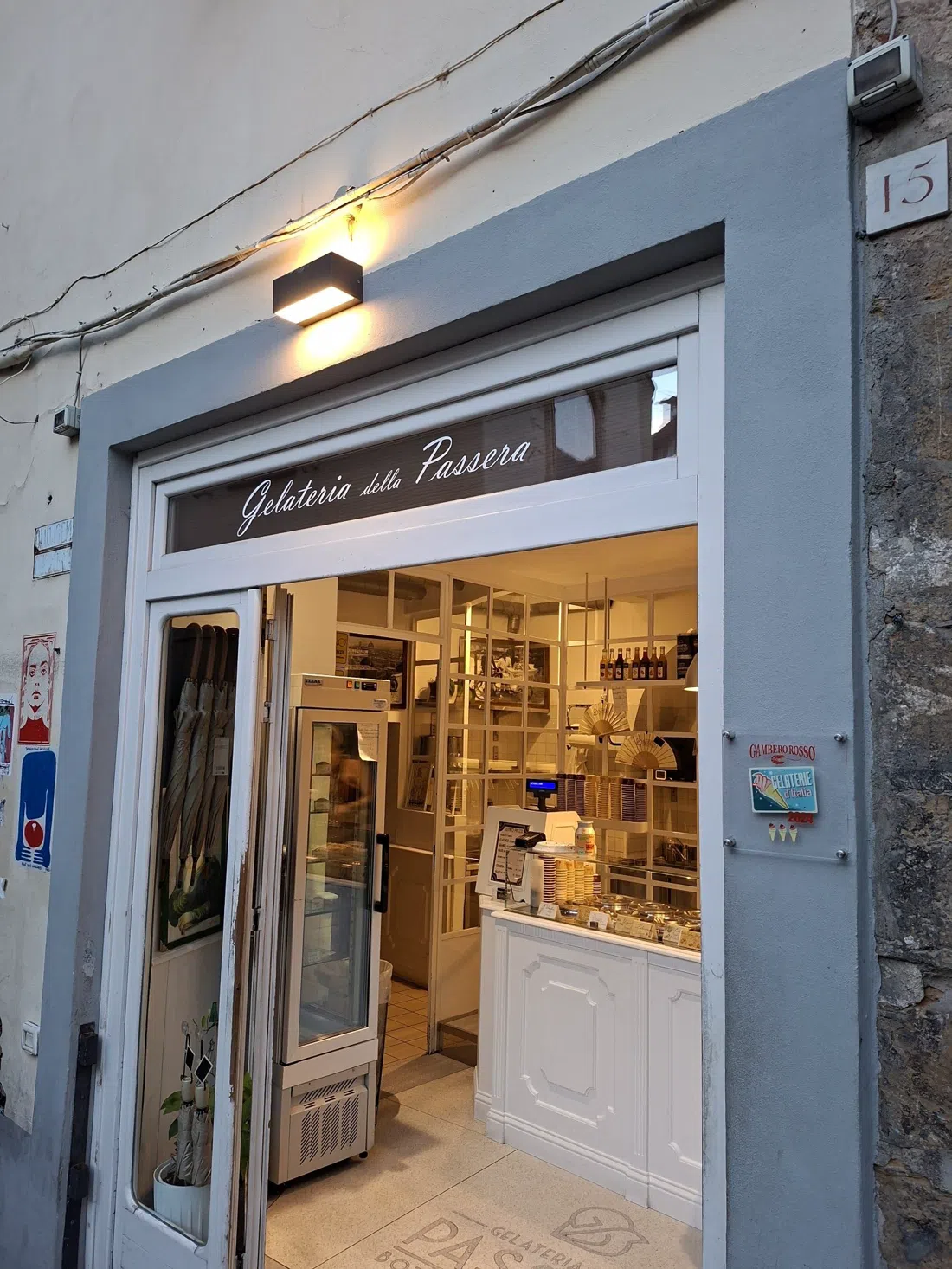
One shop on this trail asks for more effort than the rest, and rewards it accordingly. Across the river in Oltrarno, near Santo Spirito, Gelateria della Passera is a genuinely small, local favorite — the kind of shop that exists for the neighborhood rather than the guidebook trade. It doesn't suit groups at all; this is a pairs-or-solo stop, and turning up with six people will visibly strain a shop built for perhaps eight customers at a time. What it offers instead is a version of Florence's gelato culture that has nothing to do with tourist flow, in a district worth wandering regardless — the walk across Ponte Santa Trinita or Ponte Vecchio at golden hour is, on its own terms, one of the better ways to spend forty minutes in this city.
Planning the Trail
The gelaterie above cluster into two natural loops: a central circuit taking in Badiani, Perché No!, Grom, Edoardo, Vivoli, and Gelateria dei Neri, all within a twenty-minute walk of the Duomo; and an Oltrarno detour for Carapina, Carabè, and della Passera that pairs naturally with an afternoon spent around Palazzo Pitti or the Boboli Gardens. Doing all eleven stops in a single day means one small scoop at each, spaced roughly ninety minutes apart, and a lot of walking between — a more comfortable pace splits the trail across two afternoons.
Cash still moves faster than cards at the smaller counters, particularly Vivoli, Carabè, and della Passera, so carry small notes; the larger shops — Grom, Edoardo, La Carraia — take cards without friction. Expect to pay €3–6 for a standard cup or cone at most stops, with La Carraia running slightly cheaper and Edoardo's larger sizes and specialty flavors pushing toward €7. None of the shops on this list take reservations in the way a restaurant would; the closest thing to booking ahead is knowing which hours to avoid, roughly 1pm to 3pm and again after 8pm in high season, when the central shops back up onto the pavement.
Base yourself centrally if the trail is a priority for the trip — the Florence hotel search turns up options within walking distance of most of these counters, which matters more here than in a city built around taxis, since the whole point is arriving on foot with an appetite. For everything else worth doing between scoops, the Florence guide covers the rest of the city this trail moves through.