
By eight in the evening the queue outside a good bistecca house has already formed, a loose knot of people leaning against stone walls that have not changed shape since the trattoria opened. Somewhere behind them a waiter is carrying a steak the size of a dinner plate on a board built for the purpose, and for a moment the whole room turns to watch it pass. This is Florence's oldest form of theatre: a two-inch-thick T-bone of Chianina beef, seared over embers until the fat crackles, served rare enough that the centre stays cool and red, and eaten with nothing more than salt, olive oil, and the understanding that asking for it well done will earn you a polite but firm no.
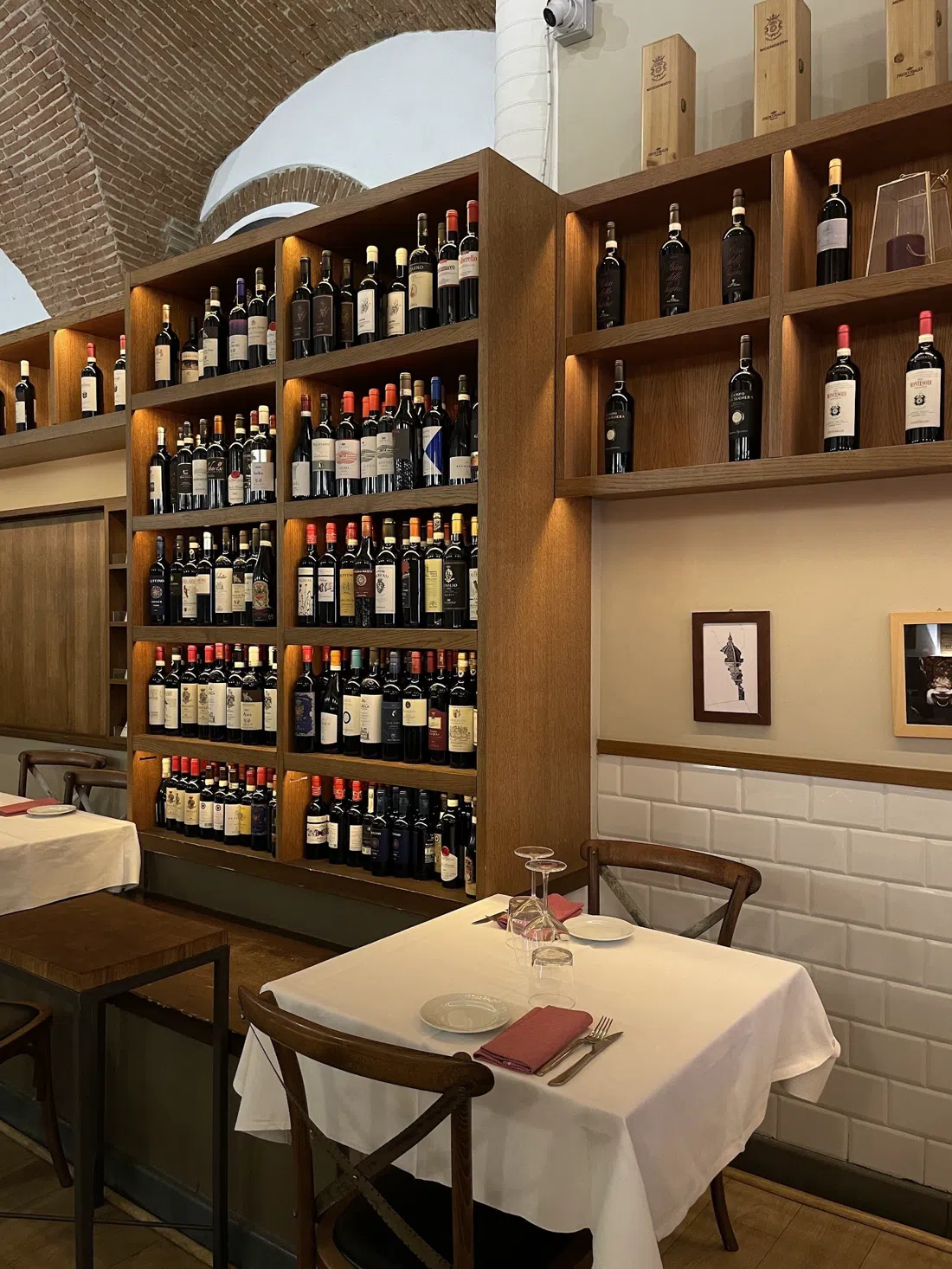
Bistecca alla fiorentina is not a dish so much as a set of rules. The meat comes from Chianina cattle, a white Tuscan breed old enough to appear on Roman friezes, cut into a porterhouse that includes both the fillet and the sirloin either side of the bone. It is sold by weight — by the etto, or hundred grams — grilled over oak or chestnut charcoal, and almost always built for sharing: a single steak for two, three, or a whole table, carved at the table and divided out. Where you eat it changes the ritual as much as what's on the plate. A vaulted sixteenth-century wine cellar makes the theatre feel ancient; a loud communal-table trattoria makes it feel like a party you've been invited to by accident. What follows is a working map of both.
The Old Cellars: Steakhouse Florence at Its Most Theatrical
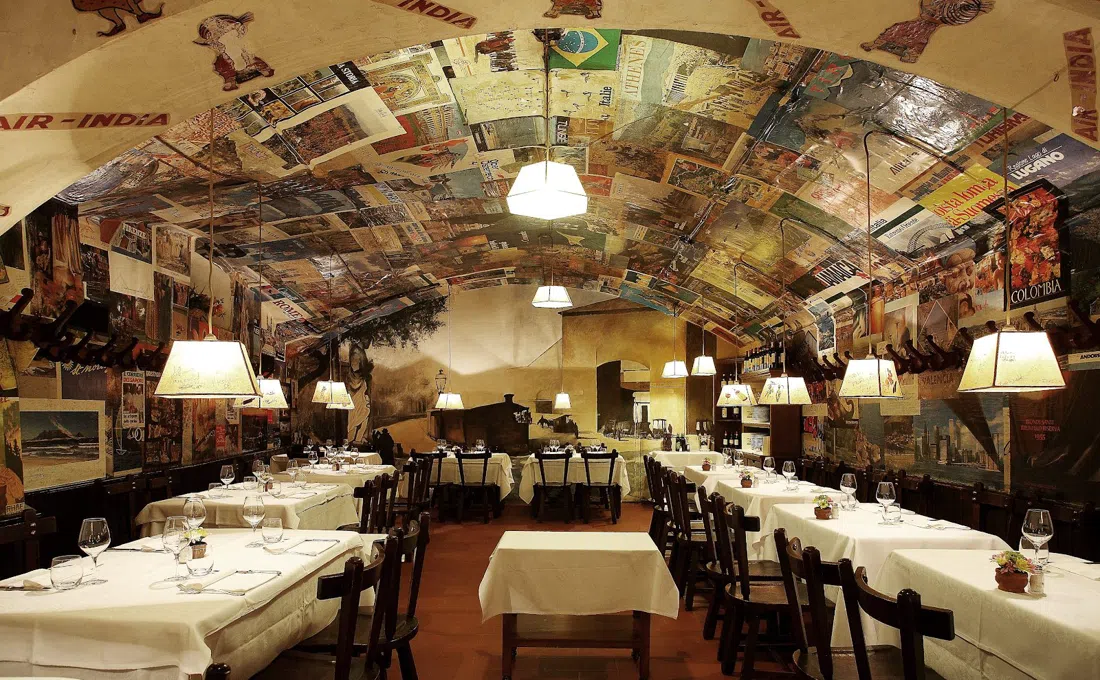
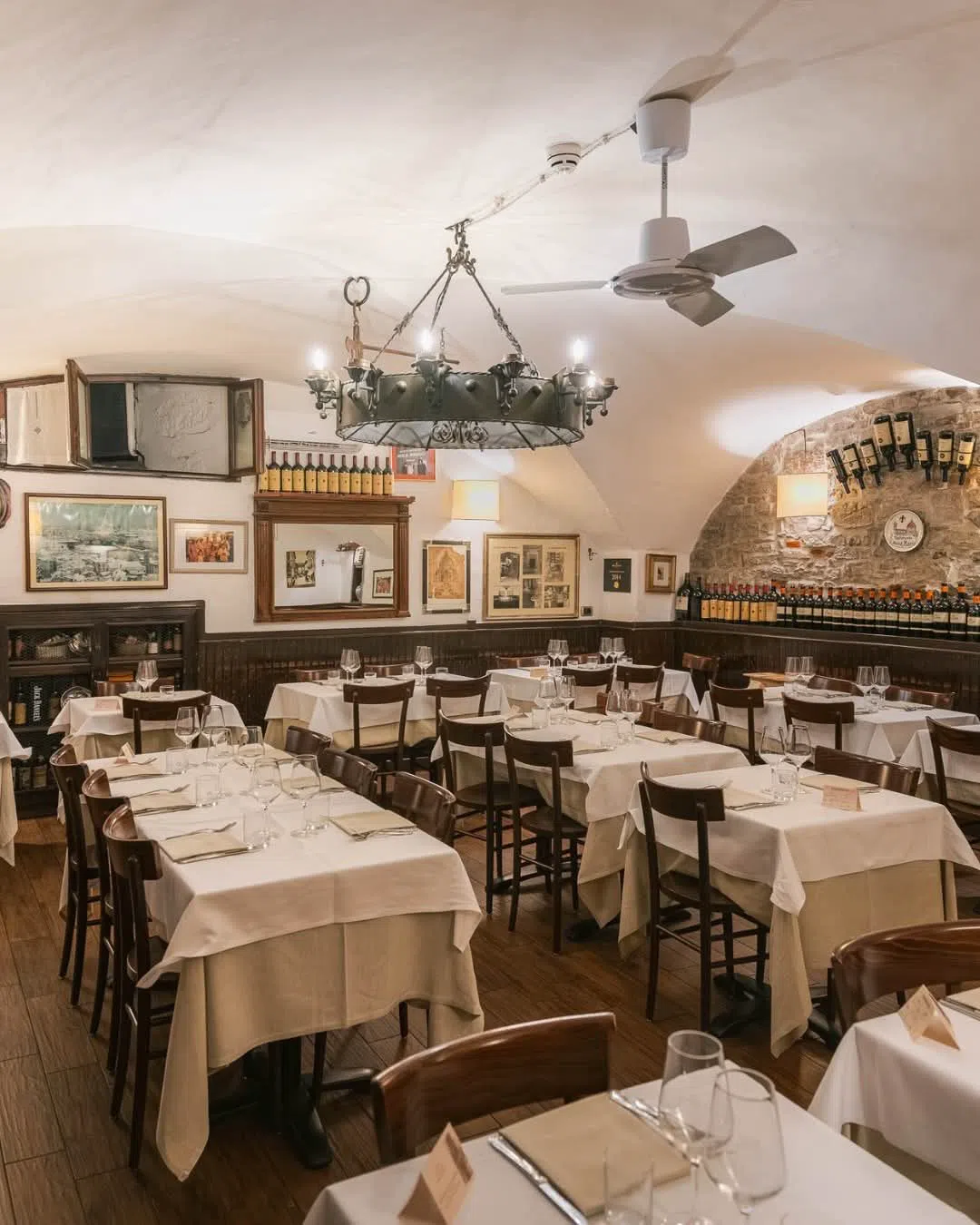
No address in the city carries the ritual with more weight than Buca Lapi (Via del Trebbio, near Palazzo Antinori), which has been grilling bistecca in the same underground wine cellars since 1880 — the same vaults where Palazzo Antinori once aged its grapes, brick-vaulted and hung with old advertising posters that have gone the colour of tea. Several private alcoves make it genuinely workable for small-to-mid-sized groups, but the room is intimate rather than sprawling, so booking ahead isn't optional here; walk-ins are turned away more often than not on a Friday night. Go for the room as much as the steak — this is the most atmospheric address on the list, the kind of place where the low stone ceiling does half the work of making the evening feel like an occasion. Expect €€€€ pricing, cash or card, and a dinner that runs long by design.
A few streets away in another cellar, Buca Mario (Piazza degli Ottaviani) plays a related but glossier version of the same idea. It sources its Chianina from Fattoria di Vaiano, a working farm rather than a wholesale supplier, and the room — also underground, also vaulted — has drawn enough visiting actors and musicians over the decades that the walls carry their photographs. It's well set up for groups and the service moves with practised efficiency, which makes it the pick for readers who want the cellar-steakhouse experience without Buca Lapi's more limited seating. Booking ahead is still essential; this is a celebrity-frequented address in high season, and tables don't sit empty for long. Also €€€€.
The Communal Table: Where Groups Actually Belong
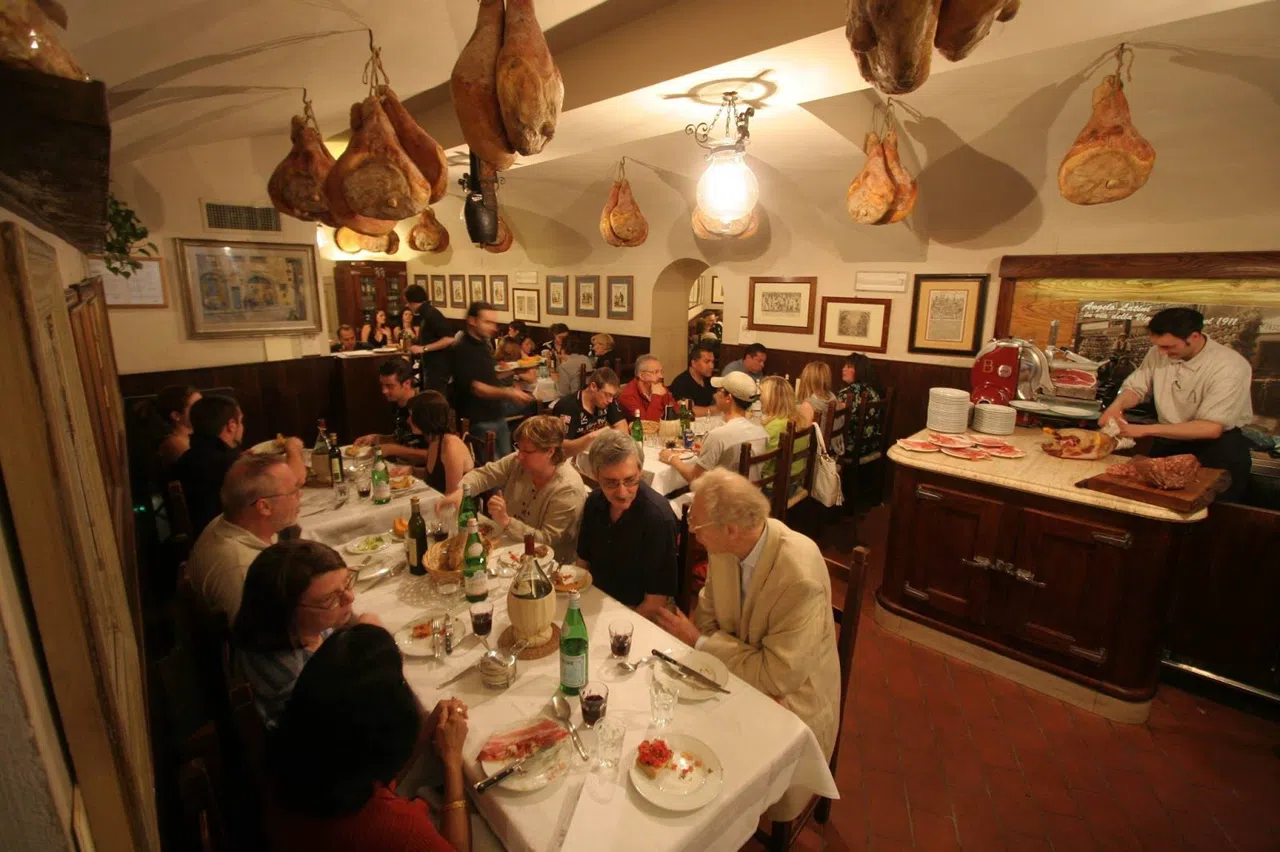
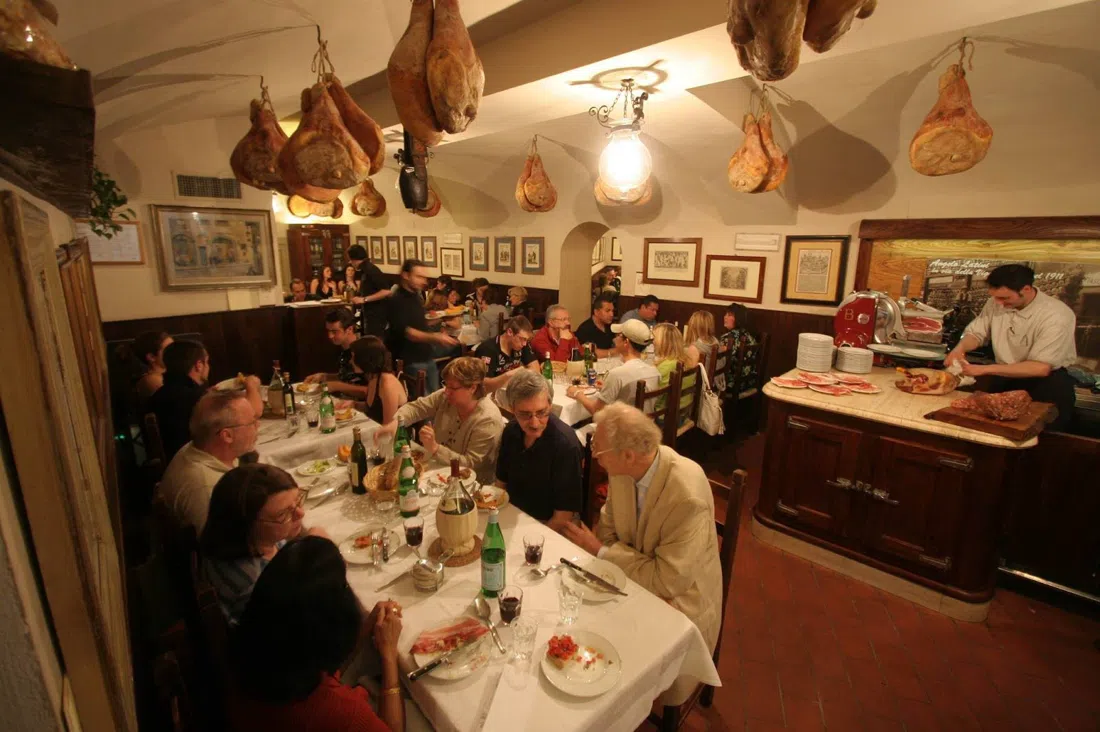
If you're travelling as six, eight, or a birthday party that keeps growing by text message, the cellars aren't really built for you — the trattorias with long shared tables are. Il Latini (Palazzo Rucellai, near Santa Maria Novella) has been running its boisterous, set-menu evenings since 1911, seating strangers elbow to elbow at long communal tables and bringing out the bistecca whole, rare, for the table to carve itself — a genuinely different way of eating the dish, and one that suits a big, loud group better than almost anywhere else on this list. It holds a Michelin Bib Gourmand and a reputation for feeding people until they physically can't manage another course; go hungry, and go with people you don't mind getting friendly with over a shared plate. €€€.
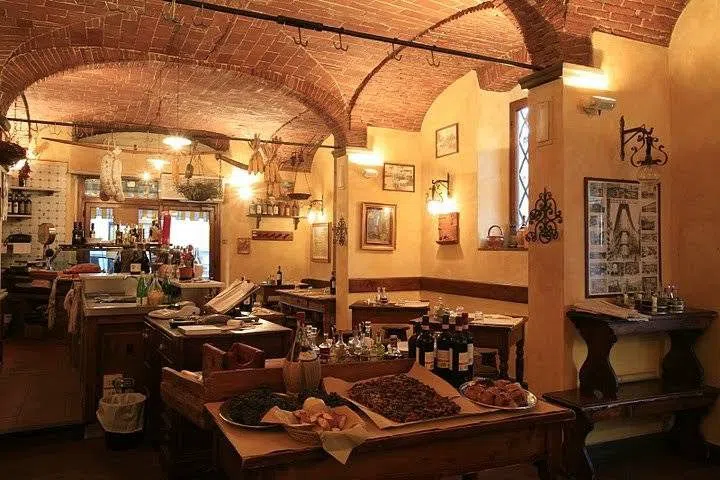
Across the river in the Oltrarno, All'Antico Ristoro di Cambi (Via Sant'Onofrio) takes no reservations and doesn't pretend to be anything but a big, noisy neighbourhood room built to move groups through quickly. The meat here is aged fifteen to twenty days and cut to the traditional four-finger height, displayed on ice near the entrance before it goes on the grill so you can see exactly what you're ordering. It's the best value pairing of atmosphere and seriousness about the meat on this list, at €€, but the trade-off is a genuine wait on weekend evenings — arrive by 7pm or expect to stand.
More central and easier for a first-timer to simply walk into is Trattoria Za-Za (Piazza del Mercato Centrale), a sprawling multi-room trattoria that sits right on the market square. It handles big tables without much fuss, doesn't strictly require a reservation though one is sensible, and delivers a reliably solid rather than transcendent bistecca — the honest, unshowy entry point for a group staying near the Mercato Centrale who don't want to cross town for dinner. €€.
The Neighbourhood Standbys: Fewer Frills, Fewer Surprises
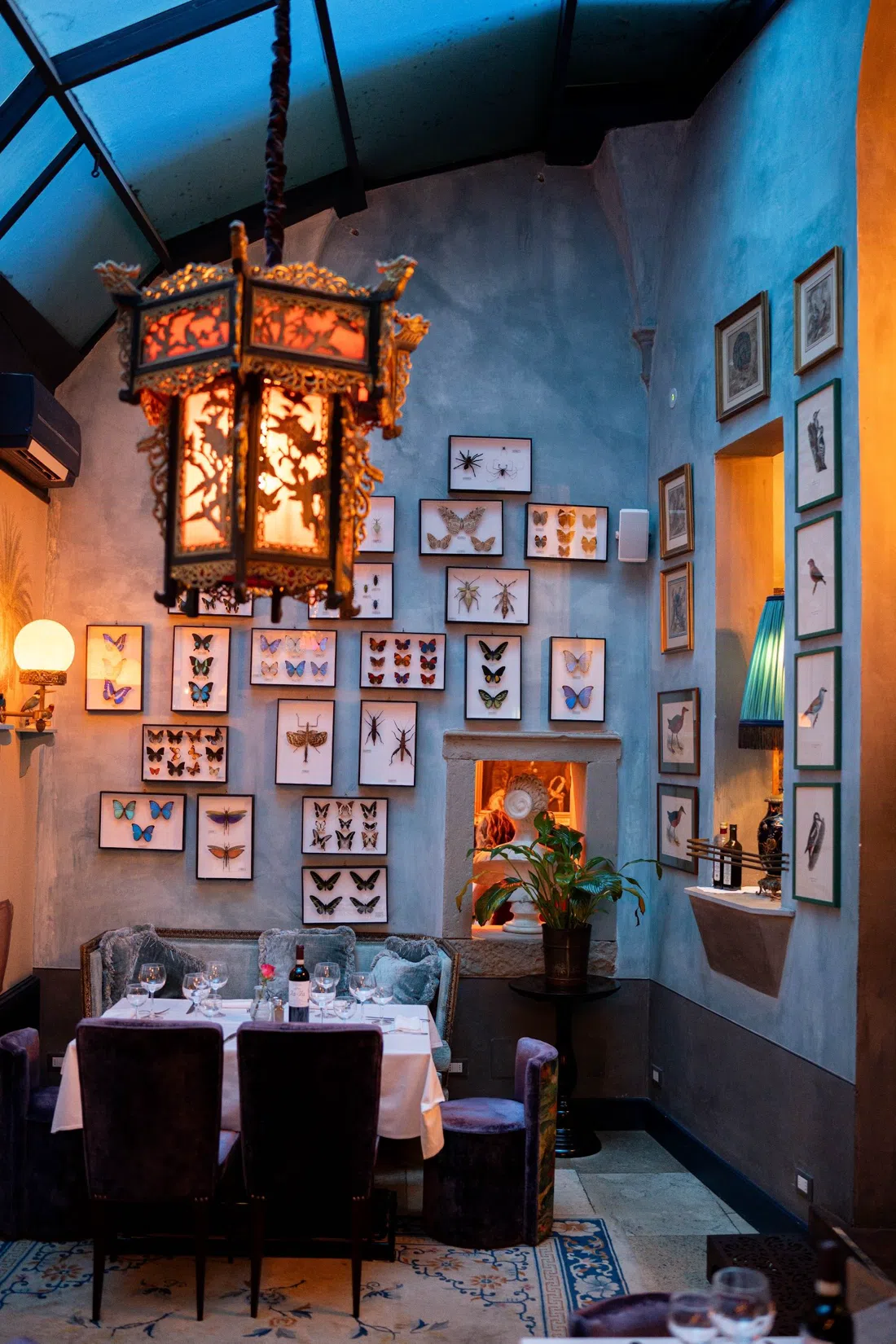
Some of the best bistecca in Florence comes from rooms that never tried to be an occasion in the first place. Trattoria dall'Oste (Via Fiesolana / Sant'Ambrogio area) opens all day, noon to half-ten at night, which makes it unusually easy to slot a group into without fighting over a strict reservation window — most Florentine kitchens close between lunch and dinner, and this one doesn't. It's the most consciously "steakhouse" of the set, ranked among the World's 101 Best Steak Restaurants, and suits readers who want a kitchen that treats the meat itself with real seriousness over old-world atmosphere. €€€.
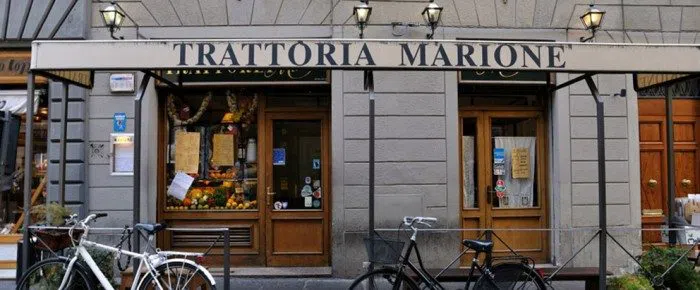
A five-minute walk from the Duomo, Trattoria Marione (Via della Spada) doesn't take reservations at all but moves its queue fast, handing out complimentary wine to anyone waiting at the door — a small, generous touch that takes the sting out of standing outside for twenty minutes. The bistecca here has a 700-gram minimum built for two, and informal groups do fine splitting a table if they're willing to share plates rather than order individually. It's central, unpretentious, and priced at €€ — a reliable backup on a night when Buca Lapi is fully booked.
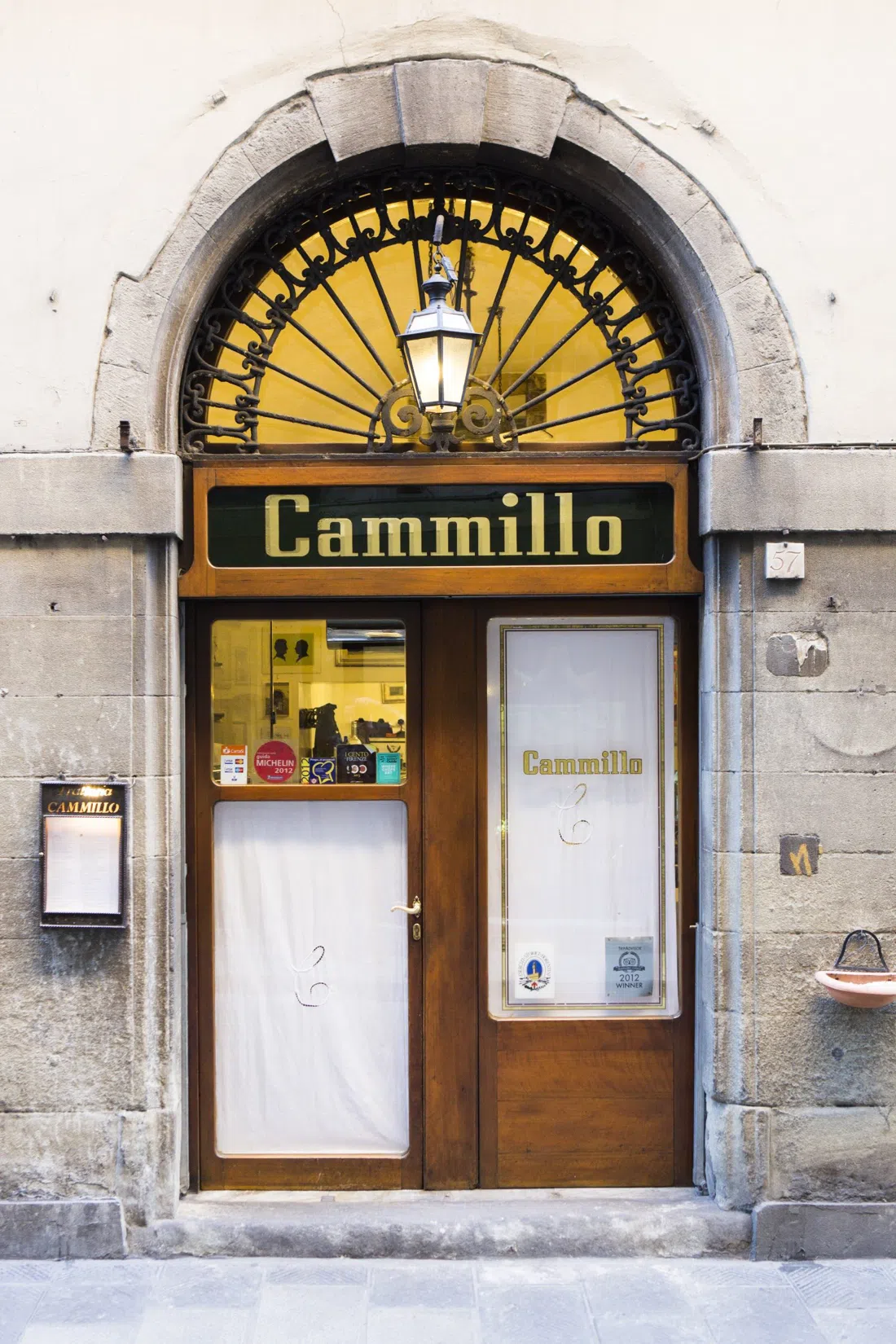
Across the Arno, Trattoria Cammillo (Borgo San Jacopo, Oltrarno) is smaller, more popular with actual Florentines than with passing tourists, and demands planning: book at least two weeks out if you're bringing a group. Michelin Plate-recognised and unmistakably local in feel, it rewards the advance work with a dining room that doesn't feel staged for visitors. €€€.
The Value Ritual: The Same Steak, a Fraction of the Price
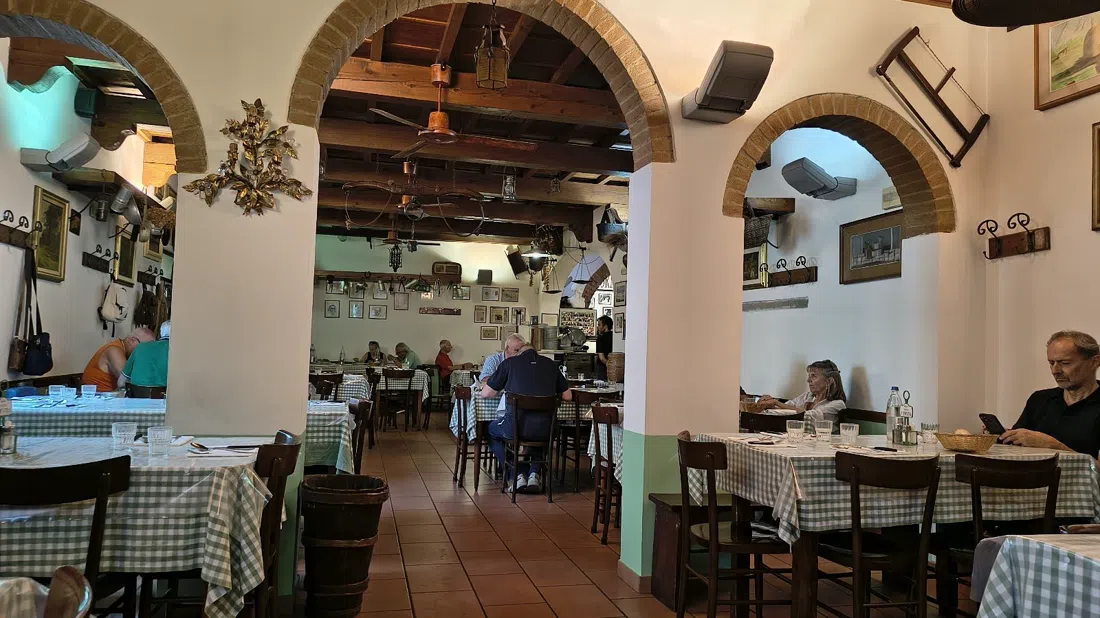
Trattoria Sabatino (near Porta San Frediano, Oltrarno) began life in 1956 as a canteen for factory workers, and the Buccioni family running it today have kept both the big, plain room and the prices that made it a workers' institution in the first place. It's the cheapest bistecca on this entire list — by a wide margin — and the most group-friendly room by simple virtue of scale: long tables, fast turnover, no ceremony. This is the honest counterpoint to the cellar steakhouses a few streets away: the same ritual, the same cut of Chianina, without the vaulted ceiling or the four-figure wine list. €.
The Day Trip: Grilling in the Hills
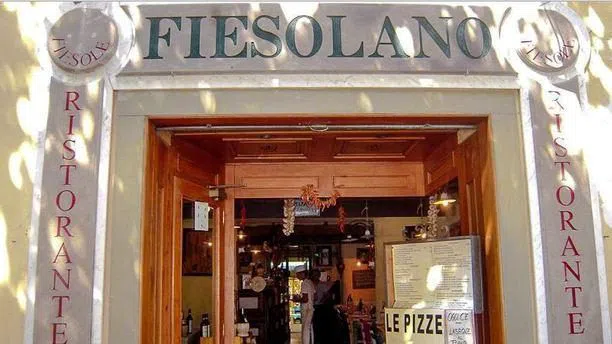
For a change of altitude, Perseus Fiesolano sits up in Fiesole, a twenty-minute bus ride out of the centro storico into the hills above the city. It has a sizeable terrace as well as an indoor room, both well suited to groups, and grills its Chianina over oak with a view down over Florence's rooftops that no cellar in town can match. It works best as a deliberate half-day plan — climb up to Fiesole in the late afternoon, watch the light go gold over the Duomo's dome from above, then eat as the terrace lights come on. €€€, and worth booking if you're set on the terrace seats rather than the indoor room.
Planning the Evening: Transport, Cash, Timing, Budget
Most of these addresses sit within walking distance of each other in the centro storico or a short walk across the Ponte Vecchio into the Oltrarno; Florence rewards arriving on foot rather than by taxi, since the historic centre's narrow streets make driving more trouble than it's worth. Fiesole is the exception — take the ATAF bus from Piazza San Marco or a taxi if you're short on time, and budget for the return trip after dark.
Cash still matters here: several of the older trattorias, particularly Il Latini and Trattoria Marione, run a brisk enough service that card machines can slow things down at busy moments, so carry some euros as a backup even where cards are accepted. Reservations split roughly into two camps — the cellar steakhouses (Buca Lapi, Buca Mario) and the smaller regulars' rooms (Cammillo) require booking, often days or weeks ahead in high season, while the no-reservation trattorias (Cambi, Marione, Za-Za) run on queues instead, so arriving by 7 to 7:30pm avoids the worst of the wait. Expect to pay by weight rather than by the plate at most of these; a bistecca for two typically runs from around €45-50 at the value end to well over €100 at the cellar steakhouses, before wine.
Season matters less than time of day: bistecca is a year-round ritual, but a summer evening on Perseus Fiesolano's terrace or in the doorway queue at Cambi feels different from the same meal on a cold January night in Buca Lapi's cellar, where the low stone ceiling and the wood smoke do most of the atmospheric work. Whichever room you choose, come with an appetite and low expectations of eating quickly — this is a slow meal by design, and the city built an entire dining culture around not rushing it. For a base near the market or the Oltrarno trattorias, start with a Florence hotel search, and for the rest of the city beyond the grill, the full Florence guide covers where to go before and after dinner.