The Florence issue
Buying Florence Leather From the People Who Make It
The workshops, ateliers and stores where Florence leather is cut, stitched and burnished while you watch, with the prices, the door policies and what the stalls are actually selling.
By Lorenzo BenciniThe city read plate by plate
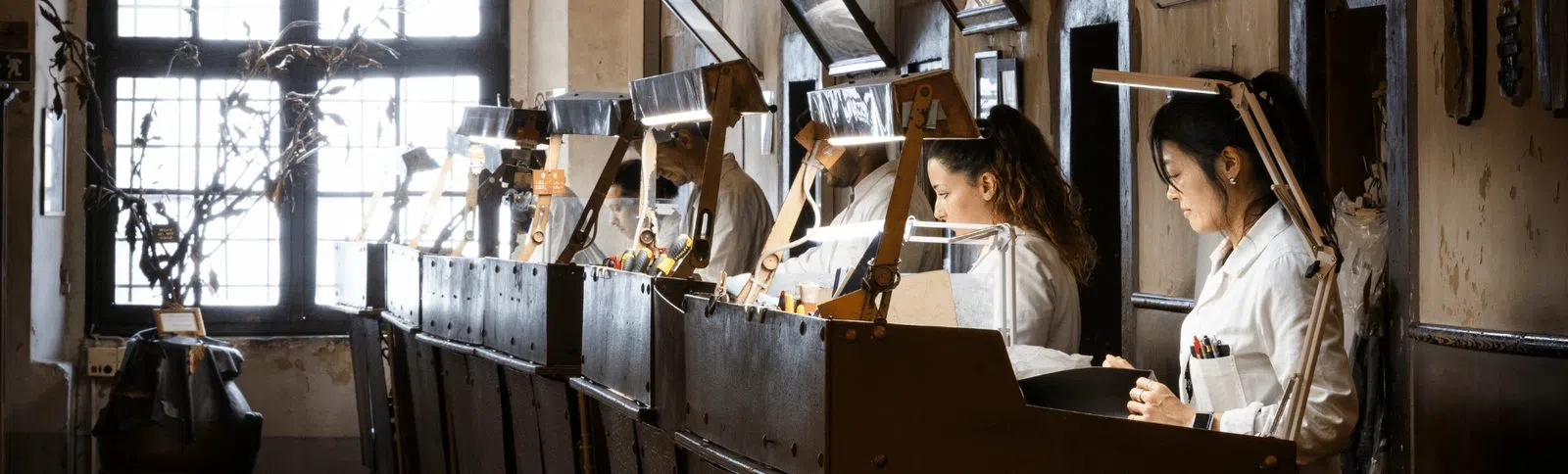
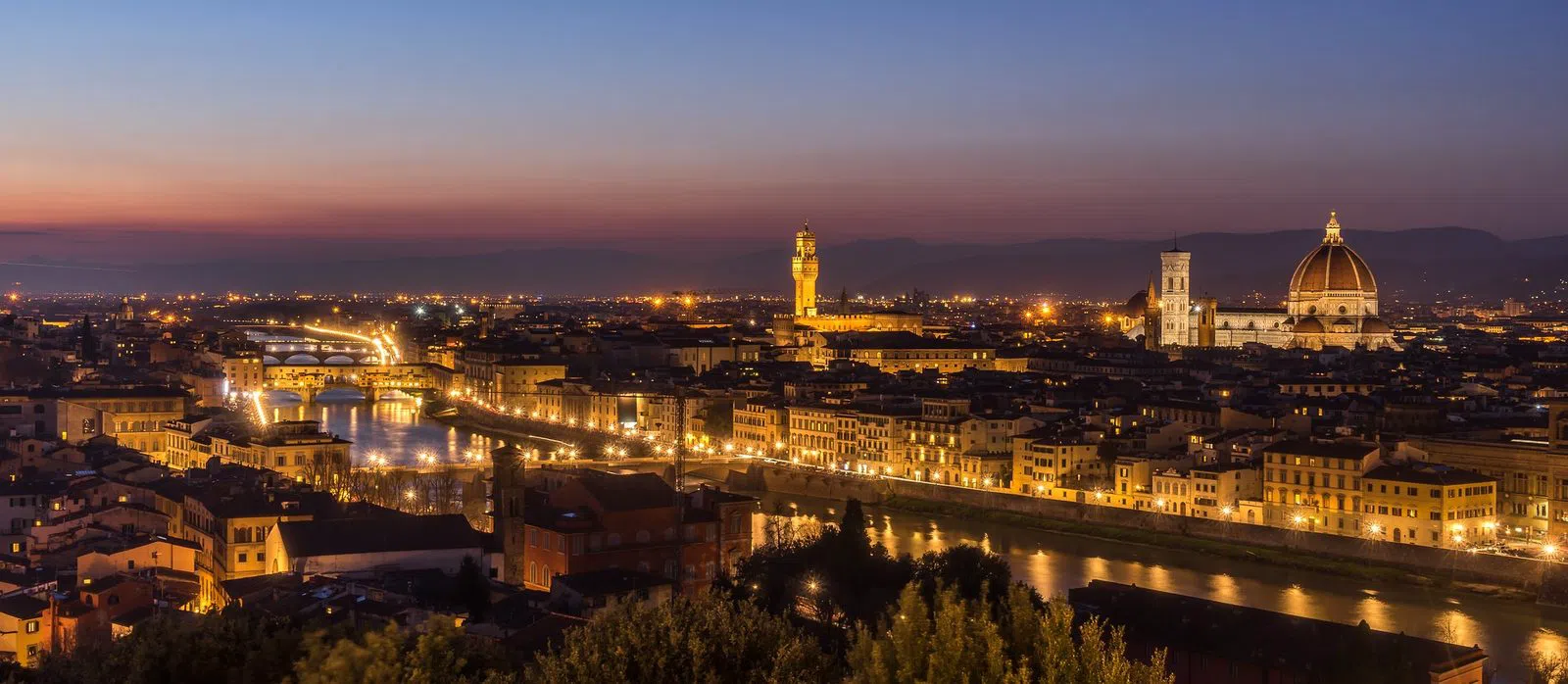
Between the San Lorenzo stalls and the loggia of the Mercato Nuovo, a jacket can be quoted at €450, talked down to €180 before you have taken your hand off the sleeve, and still be a poor buy. Florence has made leather since the tanneries worked the Arno, and the trade that survived is small, addressed and usually standing behind a bench you can see from the till. What follows is where to spend, what it costs, and which doors will take six people.
How to read a piece of leather before you pay for it
The stall trade runs on one move: a price nobody expects you to pay, dropped far enough that the discount becomes the product. What changes hands for €80 after a haggle is often bonded or heavily corrected leather, offcuts ground down and glued into a sheet, sprayed with a pigment coat, then embossed with a grain pattern that no animal ever grew.
You can check this in about ten seconds without being rude. Look at the cut edge of a strap or a flap. A good piece has an edge that has been sanded, waxed and burnished until it is smooth and slightly darker than the face; a coated piece has a painted edge with a hard plastic line where the finish stops. Fold the leather against itself: full-grain hide creases into fine irregular lines, coated stock breaks into a uniform crackle. Scratch it lightly with a thumbnail. Vegetable-tanned hide takes the mark and lets you rub most of it out with body heat, which is also why it darkens on the handle where you carry it. And it smells of tannin and wood rather than solvent.
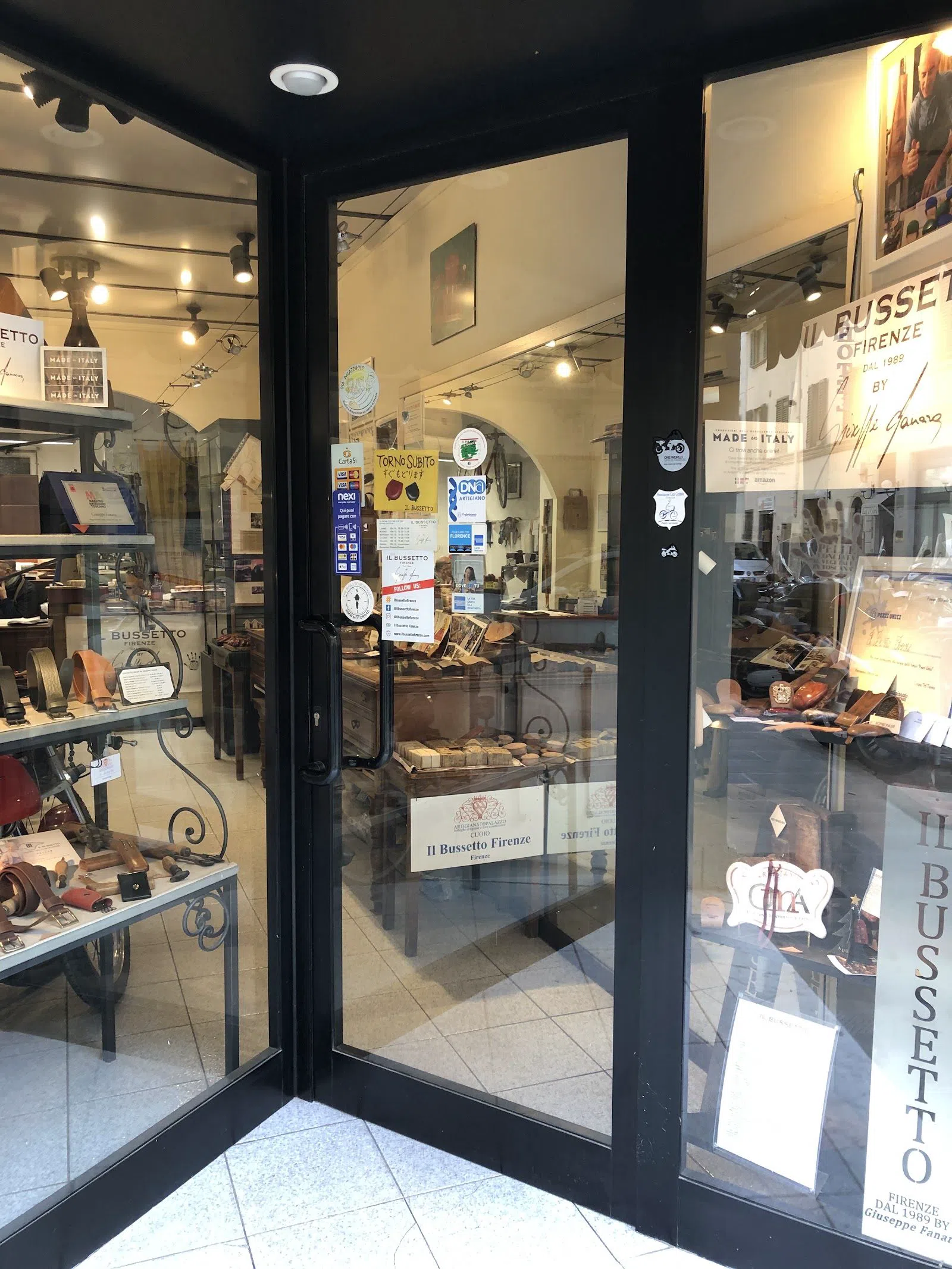
For a price anchor, walk into GF89 — Il Bussetto di Giuseppe Fanara (Via Palazzuolo, a few streets back from Santa Maria Novella), where hand-burnished vegetable-tanned card cases, wallets and belts run €40–150. That is the same money the stalls quote for bonded leather after their discount, which makes it the clearest value comparison in the city. It is a small workshop, so a few visitors at a time is fine, and it closes for a long lunch of roughly 13:00–15:30, so do not plan on a 14:00 arrival.
Plan your Florence trip
Live prices from our booking partners.
Free cancellation on many rooms. We may earn a commission when you book.
The workshop that settles the argument
If you only have time for one address, make it Scuola del Cuoio (inside the Santa Croce monastery complex). The cutting, stitching and gold-tooling happen a few metres from where you pay: this is a leather school with a shop attached, not a shop with a story attached. Small leather goods are €60–150, bags and jackets €250–900 and upward. Walk-in groups are taken free of charge, which makes it the rare Florentine leather address that works for a family of eight or a tour party. Guided visits can be booked, and for anyone who wants to make rather than buy, there are workshops from a few hundred euros up to €3,355 for the multi-day bag course.
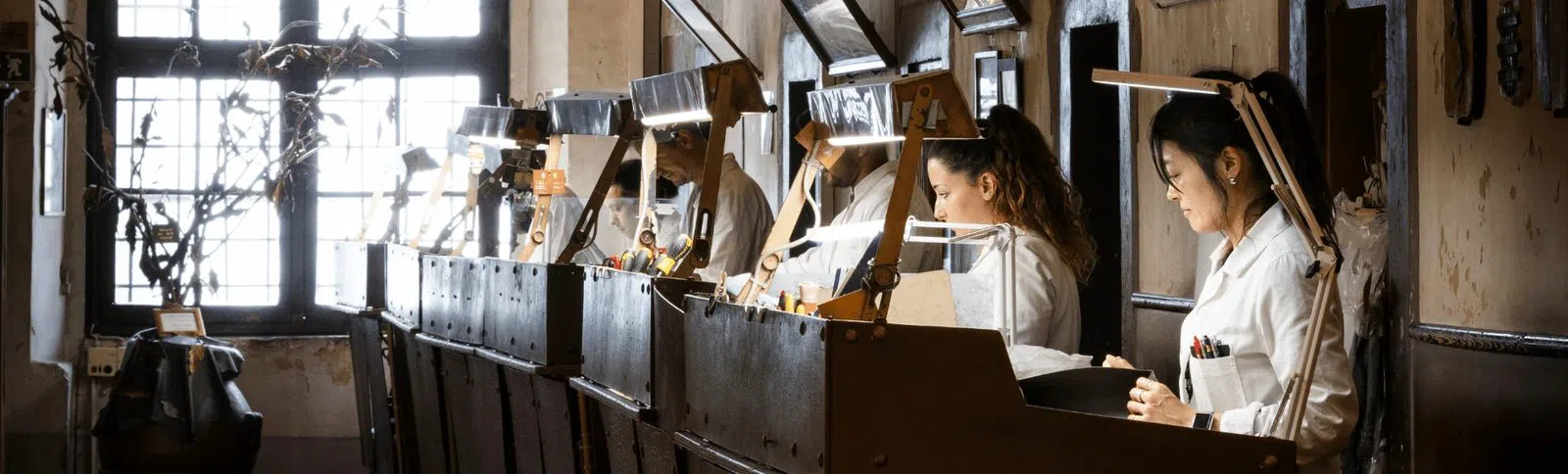
Spend twenty minutes here before you shop anywhere else. Once you have watched a panel being skived down at the edge so the seam lies flat, the difference between a €250 bag and a €90 one on a trestle table stops being a matter of opinion.
Bags you commission rather than carry away
The best bag makers in Florence will mostly not hand you a carrier bag the same afternoon. Treat these as commissions with a wait and a shipping address.
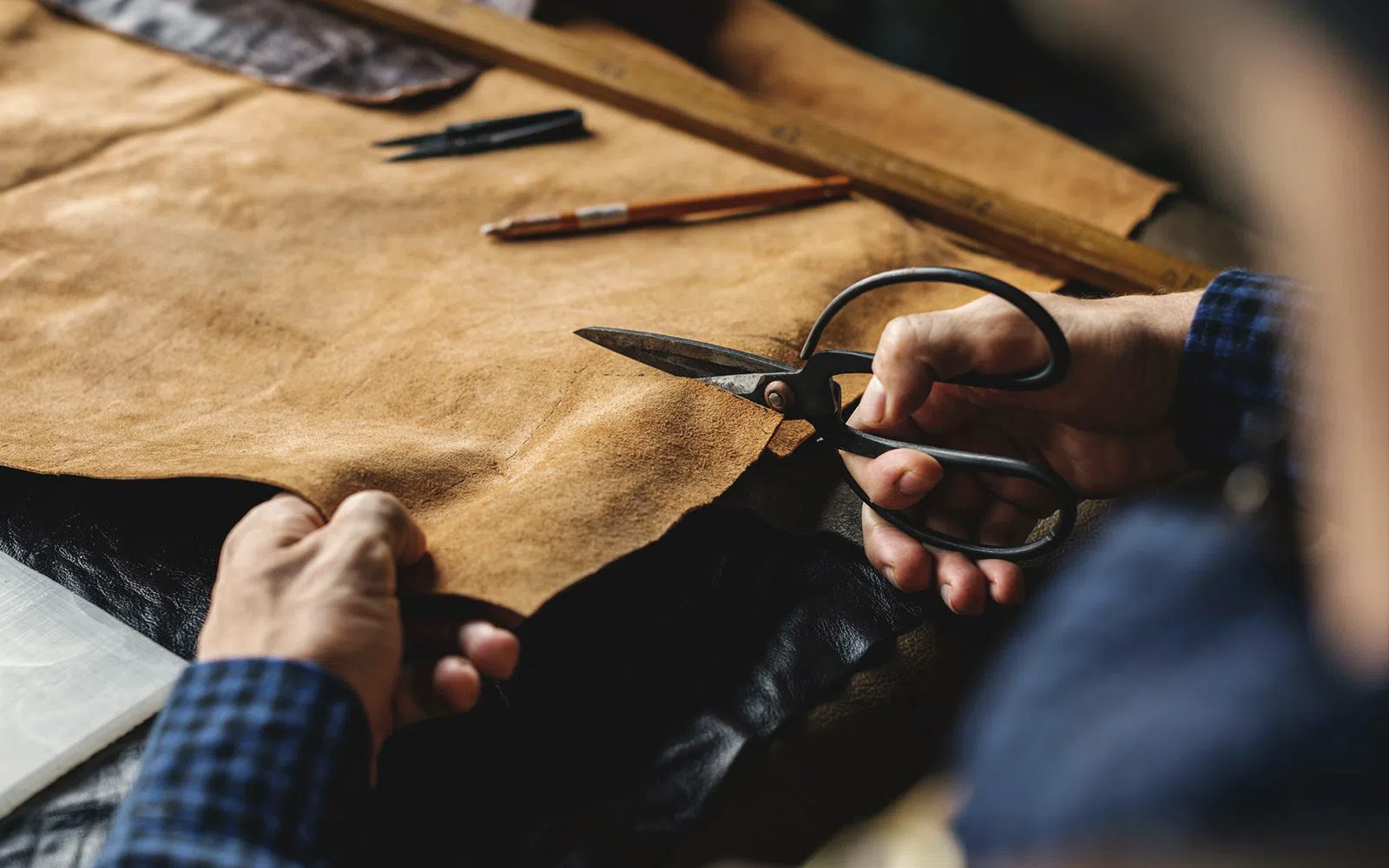
Cellerini (Via del Sole, near Santa Maria Novella) is the house that other Florentine bag makers cite when they are being generous about a competitor. Stock pieces are €300–1,500 and up; made-to-order work is quoted individually. It is a first-floor showroom, so more than three or four people at once is a genuine squeeze. Call ahead if there are more of you than that.
Dimitri Villoresi Bags (Oltrarno) is a working atelier where everything is hand-stitched to order, €300–1,200. Nothing is pulled off a shelf, so arrive with a use in mind (laptop, camera, cabin bag) rather than a colour preference. Small numbers only, and the private lessons need booking well ahead.
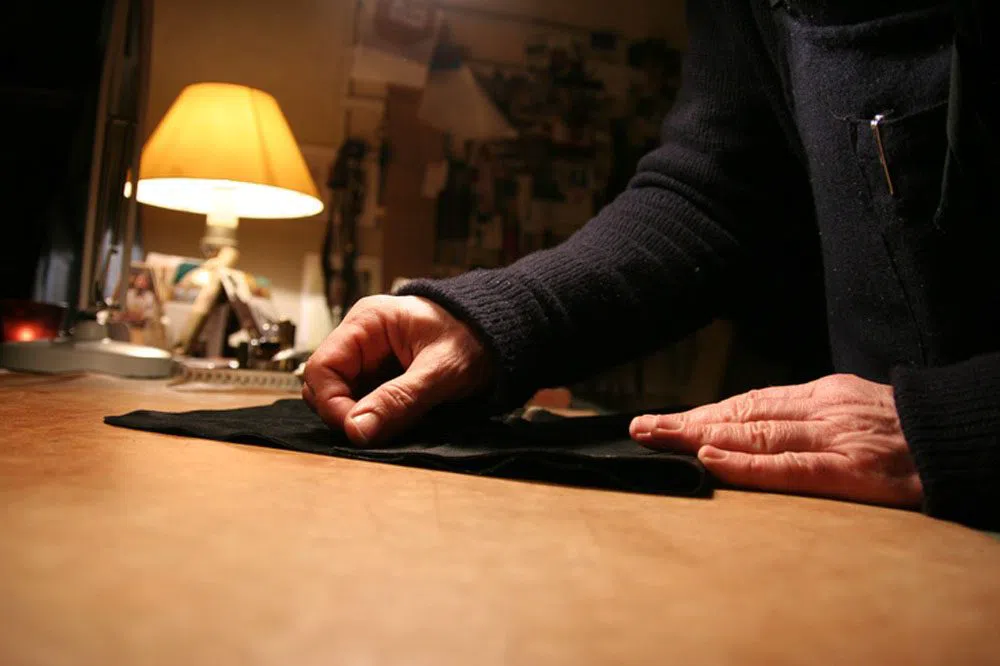
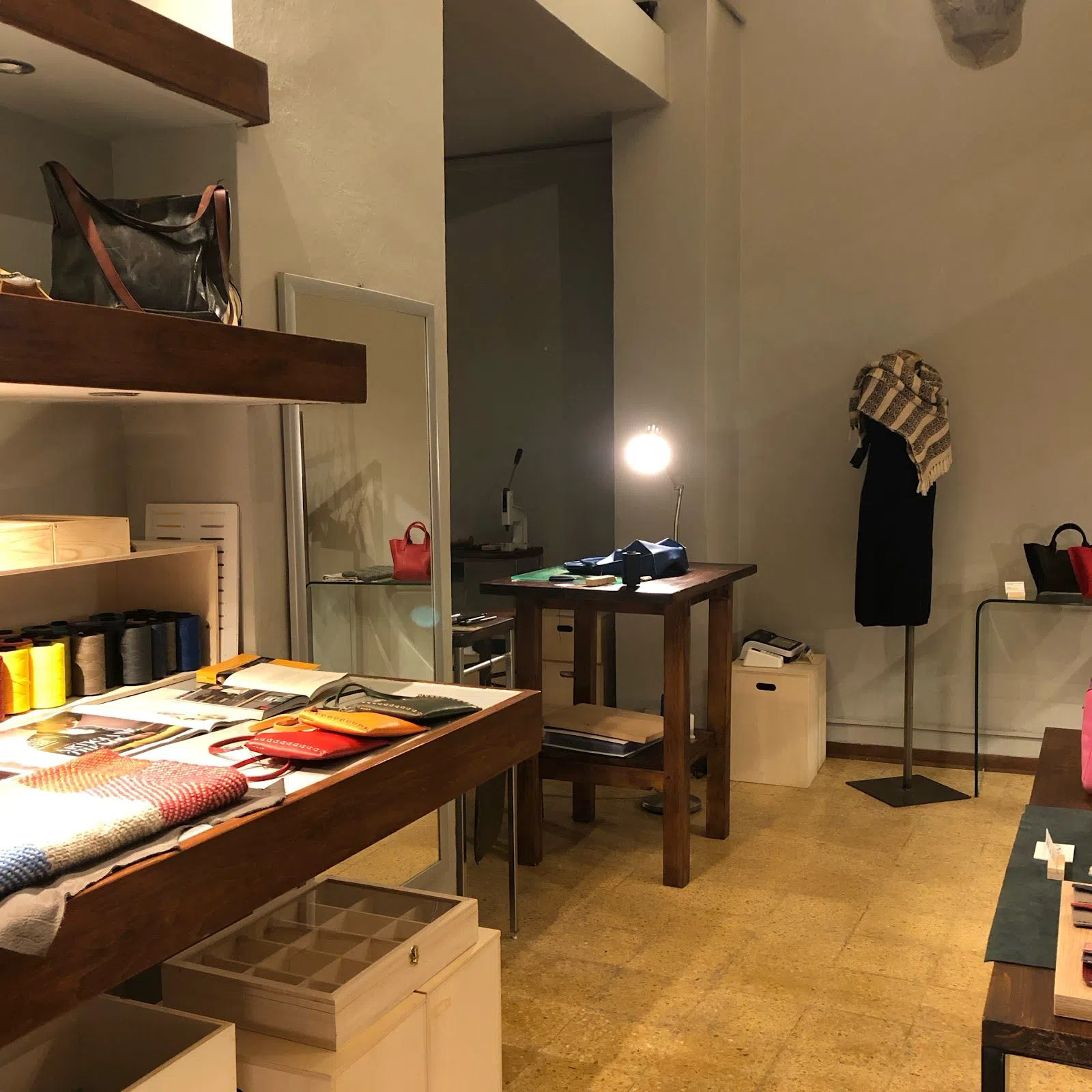
Il Merlo Bags (Oltrarno) opens afternoons only, roughly 14:30–19:00, and by reservation, for individuals and pairs. Kyoko Morita trained at the Scuola del Cuoio and with Villoresi before opening in 2018, and the shapes look nothing like the standard Florentine tote, which is why some people go. Bags are €350–800.
Il Micio (Via dei Federighi, west of the centre) is Hidetaka Fukaya, who trained in Siena and stayed. He is known for bespoke shoes at several thousand euros, but the hand-stitched bags, belts and small goods at €200–600 make the work reachable if the shoes are not. The space is very small and open Monday to Friday only: one or two people, never a group.
Shoes measured to your foot
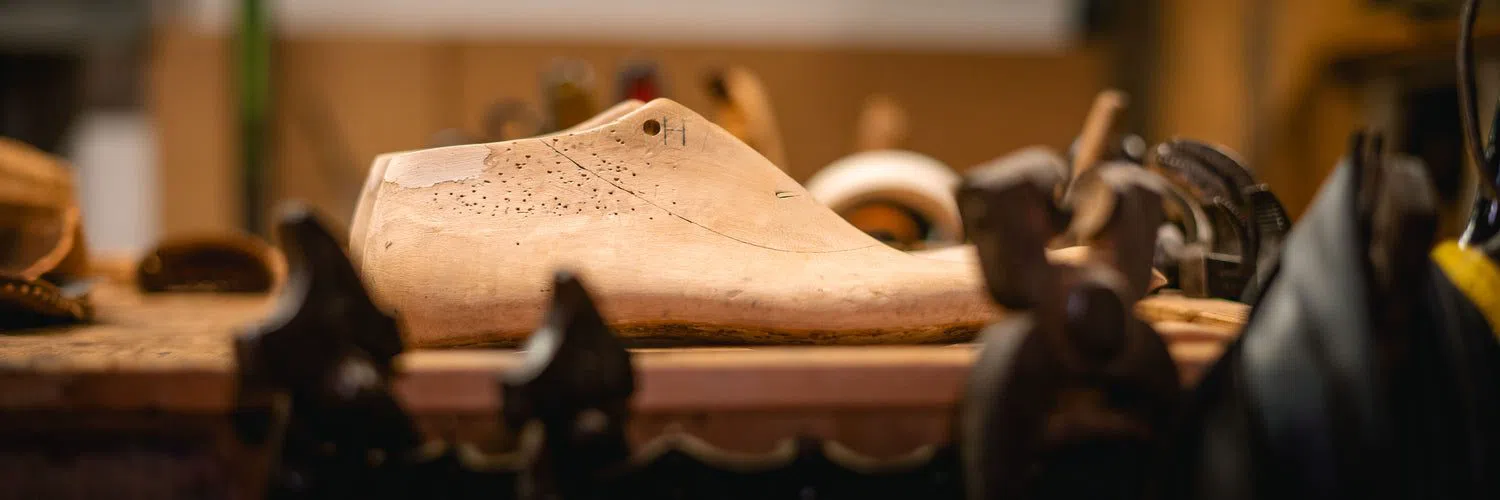
Bespoke shoemaking is the deepest end of the Florence trade and the one where the numbers frighten people. The money buys a wooden last carved to your two feet, which are never the same, a fitting shoe, one or more fittings, and a pair that can be resoled for decades. Reckon on months, not days, and on the finished pair being shipped to you.
Stefano Bemer (San Niccolò, Oltrarno) is the easiest introduction because the workshop is the room rather than a back office. Visitors are welcome to look around the floor, and the staff will explain lasts, welts and why one shoe costs four times another without pushing anything at you. Ready-to-wear is €700–1,500; bespoke starts around €4,000, and fittings and shoemaking courses are by appointment.
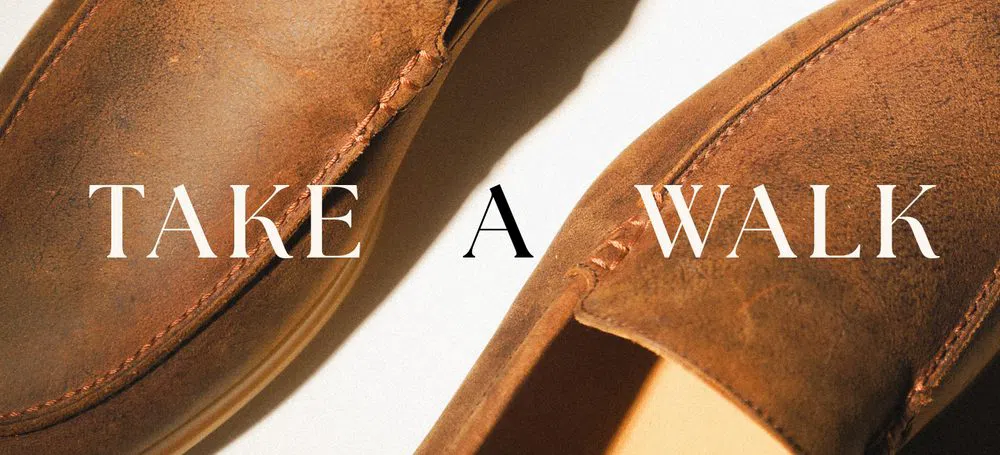
Roberto Ugolini (Santo Spirito, Oltrarno) is a fourth-generation shoemaker who dropped repair work in 1995 to do bespoke only. Bespoke starts at roughly €3,500, with ready-made pieces below that, and the patina work, colour built in layers on the finished shoe, is the reason collectors fly in for a fitting. It is a one-man workshop: visit in ones and twos, and make an appointment.
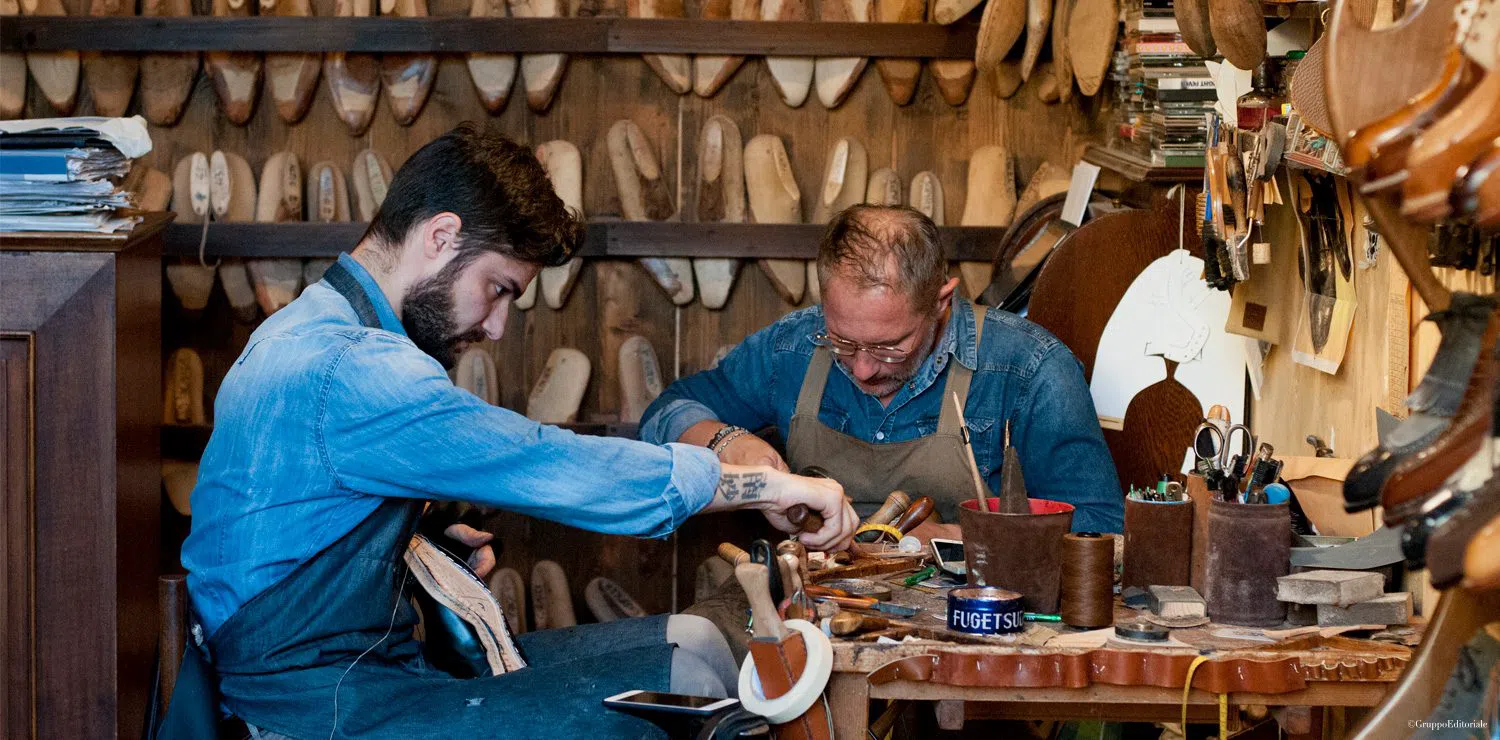
Mannina Firenze (Via de' Barbadori) is the practical middle. Second-generation family shoemaking, ready-to-wear €350–600 and custom-made from about €900, in a one-room workshop two minutes' walk from Ponte Vecchio. Given what sits at the other end of that bridge, the contrast is instructive. A handful of people is fine; ask first if there are more of you.
Small pieces worth a corner of the suitcase
Not everyone wants a €900 commission, and the small end of the Florence trade is where the value hides.
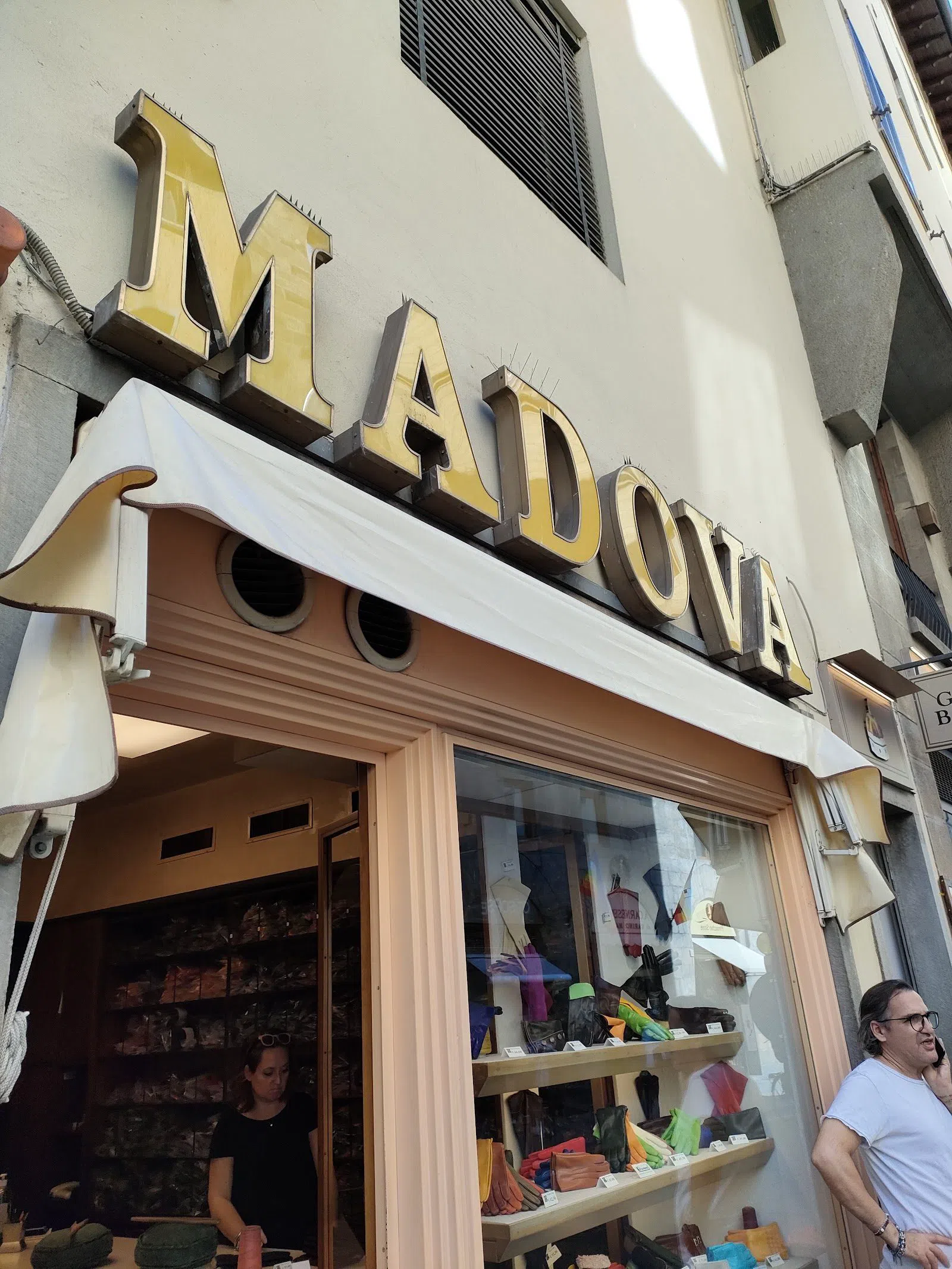
Madova (Via de' Guicciardini, at the Oltrarno foot of Ponte Vecchio) makes gloves and nothing else, in the workshop directly behind the shop, since 1919. Prices are €60–200 depending on lining (silk, cashmere or lambswool), and the fit is measured across the hand rather than guessed from a size chart, which is the entire argument for buying gloves here instead of anywhere else. The room is tiny: twos and threes, and a larger party should filter through rather than pile in.
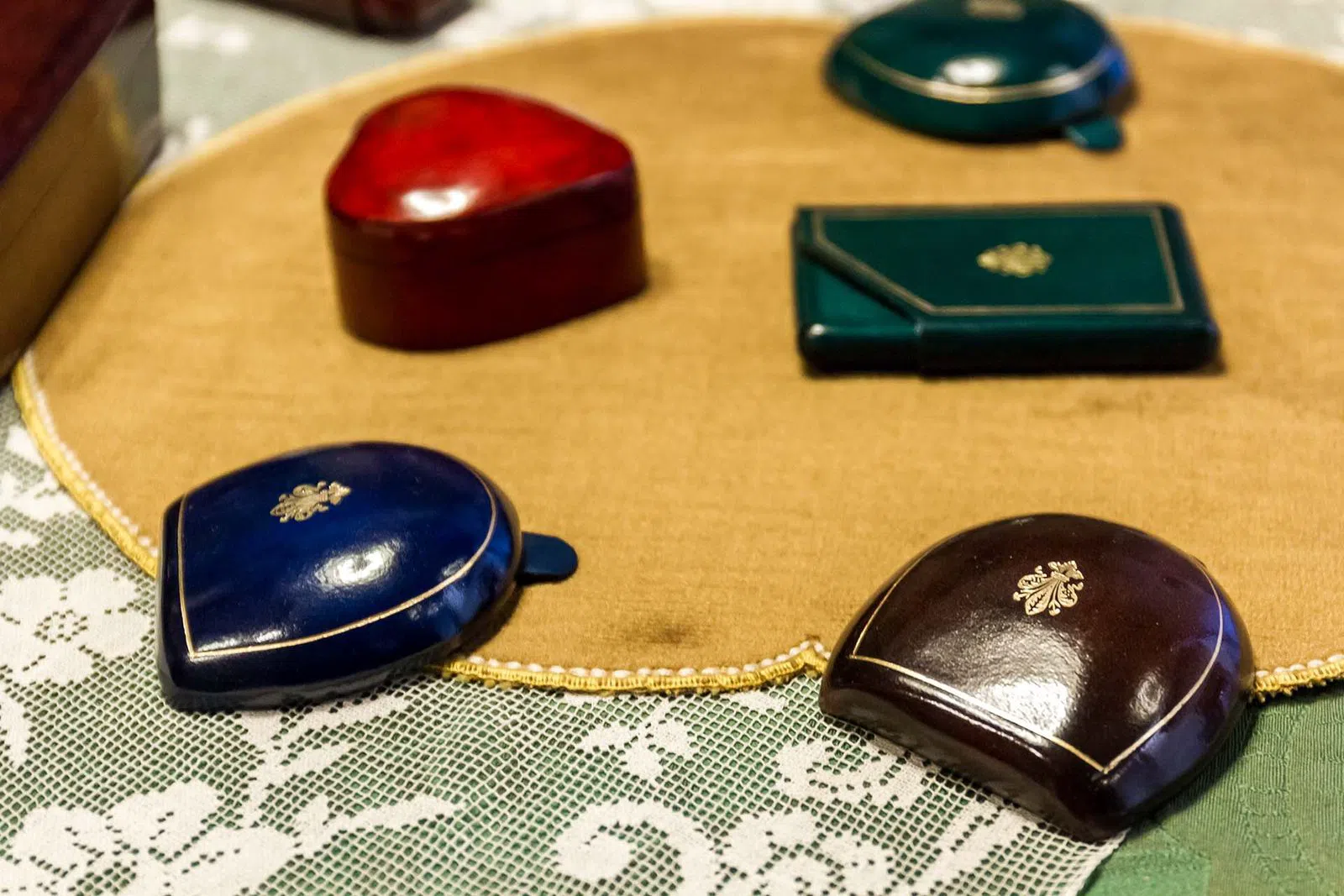
Simone Taddei (Via Santa Margherita, by Casa di Dante) moulds leather over forms into boxes, frames and desk pieces, €60–250, fourth generation at it. This is the best answer in Florence to "something small that isn't a wallet", and the pieces survive a suitcase better than anything soft. The room fits a few people at a time; anyone else waits on the doorstep and swaps in.
Stores where you can try five sizes
Sometimes you want to pull three jackets off a rail, get an honest read from staff who speak your language, and walk out wearing one. That is a legitimate way to buy leather, and there are proper places to do it.
Peruzzi Firenze (Borgo de' Greci, Santa Croce) is the one address here built for groups: a family firm trading since 1948, with room to browse and multilingual staff. Jackets are €200–900, bags €100–400. If you want to try a jacket in several sizes rather than commit blind, start here.
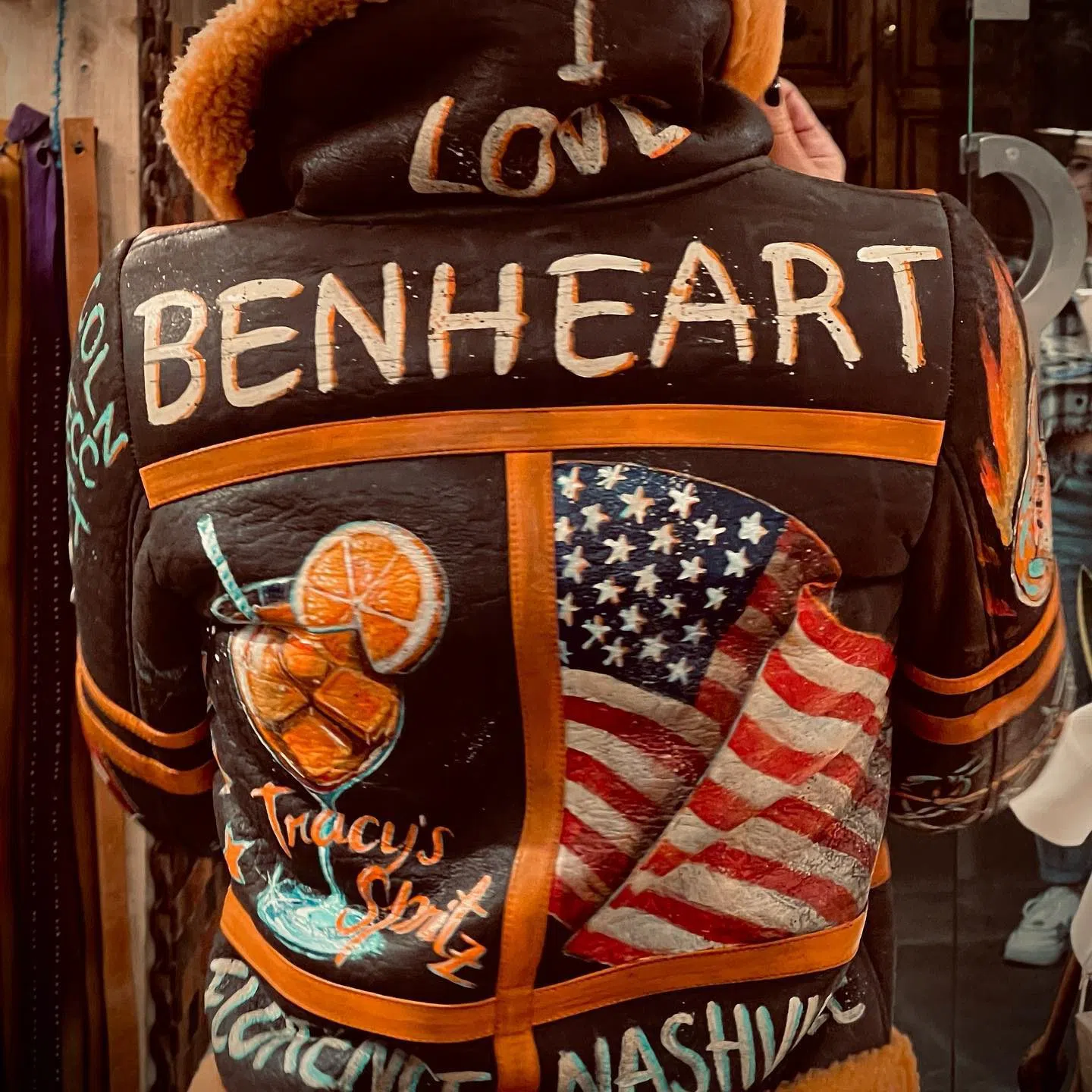
Benheart (central, a short walk from the Tornabuoni streets) is modern rather than heritage: jackets €300–800, shoes and bags €150–300, made by Tuscan makers outside the city, with free monogramming done on the spot and a lifetime guarantee. It is staffed for footfall and comfortable with groups. The old Via dei Cimatori branch has closed, so check the current addresses before you set off.
Il Bisonte Firenze (Via del Parione) works natural vegetable-tanned leather that visibly ages: the piece you buy pale will not stay pale. Prices are €200–700. This is the first store the brand ever opened and it is still on the same street fifty years on. Sizeable, central, staff used to visitors, closed Sundays.
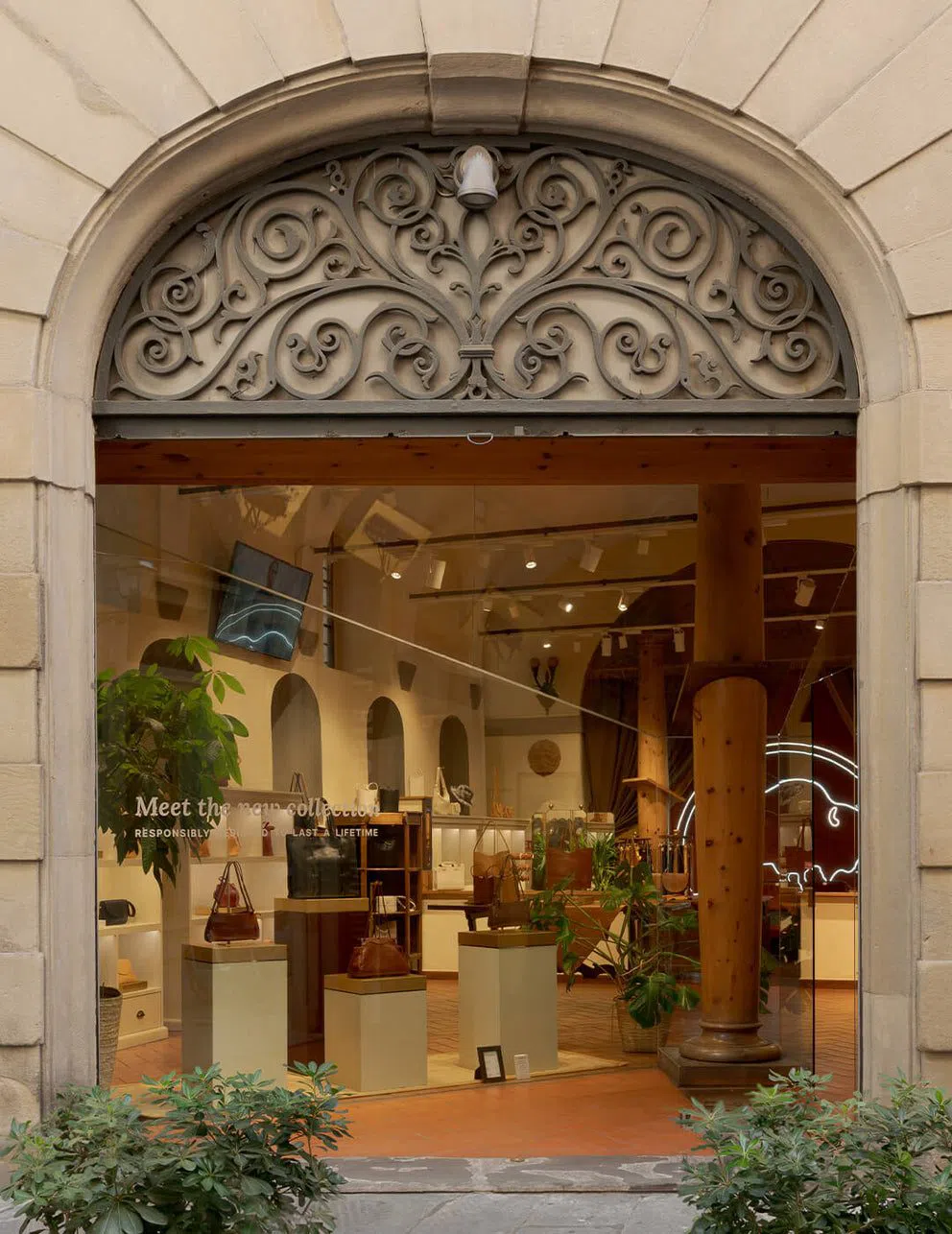
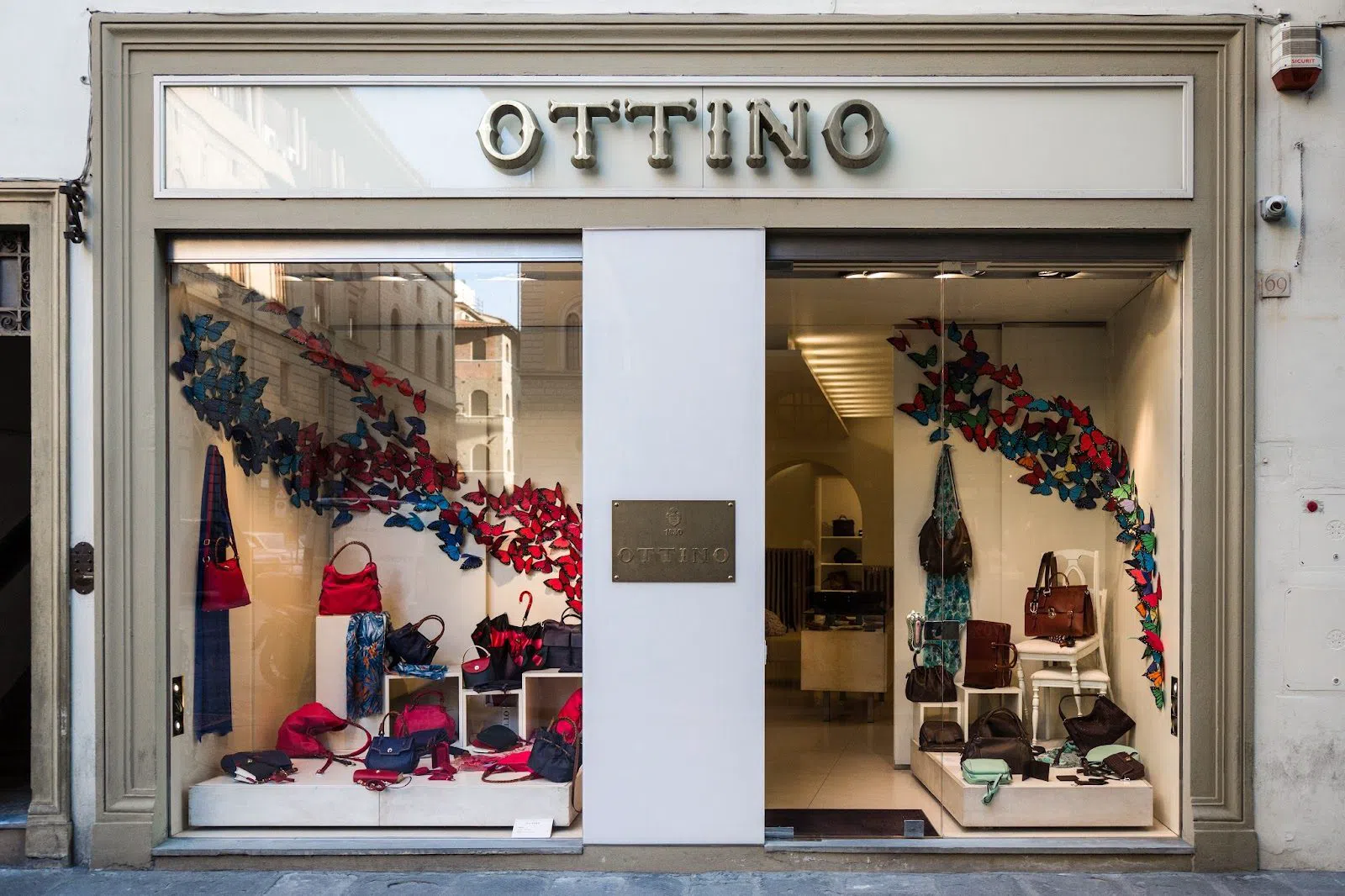
Ottino (centro storico) has been trading since the nineteenth century and is the sensible stop for a classic city bag without a designer mark-up, €150–600. Small shop, easy for a few people, closed Sundays.
One big-brand stop earns its place: Museo Salvatore Ferragamo and the Palazzo Spini Feroni flagship (Via de' Tornabuoni). The museum below the shop is about €9 and explains where Florentine shoemaking technique went in the twentieth century, which reframes every workshop above. It takes booked groups and school parties; the store handles walk-ins and starts around €500.
Which doors take a group and which do not
Be straight with yourself about numbers before you knock. Scuola del Cuoio, Peruzzi, Benheart, Il Bisonte and the Ferragamo museum can absorb a group without anyone getting flustered. Cellerini, Mannina, Simone Taddei and GF89 are fine for a few people at a time. Madova, Il Micio, Il Merlo, Dimitri Villoresi and Roberto Ugolini are one-room operations where two visitors already fill the space, and Ugolini in particular should be an appointment rather than a doorbell.
The etiquette in a working atelier is simple. Ask before you photograph, do not lean on the bench, and if you are not buying, say so pleasantly and take five minutes rather than twenty. Nobody minds a browser; they mind losing an afternoon's stitching to one.
Getting around, paying and timing the day
Everything here is walkable, and the sensible way to plan is by cluster. Santa Croce covers Scuola del Cuoio and Peruzzi. Cross Ponte Vecchio for the Oltrarno run: Madova at the bridge, Mannina just behind it, then Villoresi, Ugolini, Il Merlo and Bemer spread through Santo Spirito and San Niccolò. The Parione and Tornabuoni streets hold Il Bisonte, Ferragamo, Cellerini, Il Micio and Ottino, with GF89 a few minutes further west. Two clusters in a day is comfortable; three is a march.
Timing decides more than anything else. Several workshops close for a long lunch (GF89 roughly 13:00–15:30), Ottino and Il Bisonte close Sundays, Il Micio opens Monday to Friday only, and Il Merlo opens afternoons by reservation. Mondays are thin across the small ateliers. Book any bespoke fitting or workshop before you fly, and if you intend to commission a bag or shoes, do it on your first day so measurements happen while you are still in town.
Cards are accepted almost everywhere, including the small workshops, but carry €100–200 in cash for deposits and small purchases. If you live outside the EU, ask in store about a tax-free form before you pay rather than after. Budget honestly: €40–150 for small leather worth owning, €200–900 for a jacket you try on and take home, €300–1,500 for an atelier bag, and €3,500 upward for bespoke shoes. Anything below that at a stall is not a bargain version of these. It is a different product.
Stay close to your cluster and the day gets easier; Santa Croce and the Oltrarno both put you inside a ten-minute walk of most of this list, and the Florence hotel search will show what sits where. For everything around the shopping (eating, timing the galleries, getting in from the airport), the Florence guide covers it.
Before you go
How can I tell real leather from the bonded stuff sold at the stalls?
Check the cut edge: quality pieces are sanded, waxed and burnished, while coated leather has a painted edge with a hard plastic line. Full-grain hide creases into fine irregular lines, takes a thumbnail scratch that rubs out with body heat, and smells of tannin rather than solvent. For a price benchmark, GF89 sells hand-burnished vegetable-tanned wallets and belts at €40 to €150, the same money the stalls quote after a haggle.
Where can I actually watch Florence leather being made?
Scuola del Cuoio in the Santa Croce monastery complex is the clearest answer: cutting, stitching and gold-tooling happen a few metres from the till, walk-in groups are free, and you can book a guided visit. Stefano Bemer in San Niccolò also lets visitors onto the workshop floor, and GF89, Simone Taddei and Madova all make on the premises.
Can I buy a bag or shoes the same day, or do I have to order?
Both are possible. Peruzzi (jackets €200 to €900, bags €100 to €400), Benheart, Il Bisonte, Ottino and Scuola del Cuoio all sell off the shelf. The ateliers (Cellerini, Dimitri Villoresi, Il Merlo) work made-to-order at €300 to €1,500, so expect a wait and a shipping address. Bespoke shoes at Roberto Ugolini (from about €3,500) or Stefano Bemer (from about €4,000) take months and several fittings.
Which leather shops in Florence work for a group?
Scuola del Cuoio takes walk-in groups free of charge, and Peruzzi, Benheart, Il Bisonte and the Ferragamo museum are all comfortable with numbers. Cellerini, Mannina, Simone Taddei and GF89 suit a few people at a time. Madova, Il Micio, Il Merlo, Dimitri Villoresi and Roberto Ugolini are one-room workshops best visited in ones and twos, by appointment where offered.
What should I budget for a leather jacket or bag in Florence?
Small leather goods worth owning run €40 to €150. A jacket you can try on in several sizes costs €200 to €900 at Peruzzi or €300 to €800 at Benheart. Atelier bags are €300 to €1,500 and up, gloves at Madova €60 to €200 depending on lining, and bespoke shoes €3,500 upward. Cards are widely accepted, but carry €100 to €200 cash for deposits and small purchases.