The Florence issue
Three Days in Florence Without the Scramble
One timed ticket, a four o'clock museum slot and a monastery that shuts at lunch: how to see the essential Florence in three days at a walking pace.

By Élodie FournierFlorence beyond the Uffizi queue
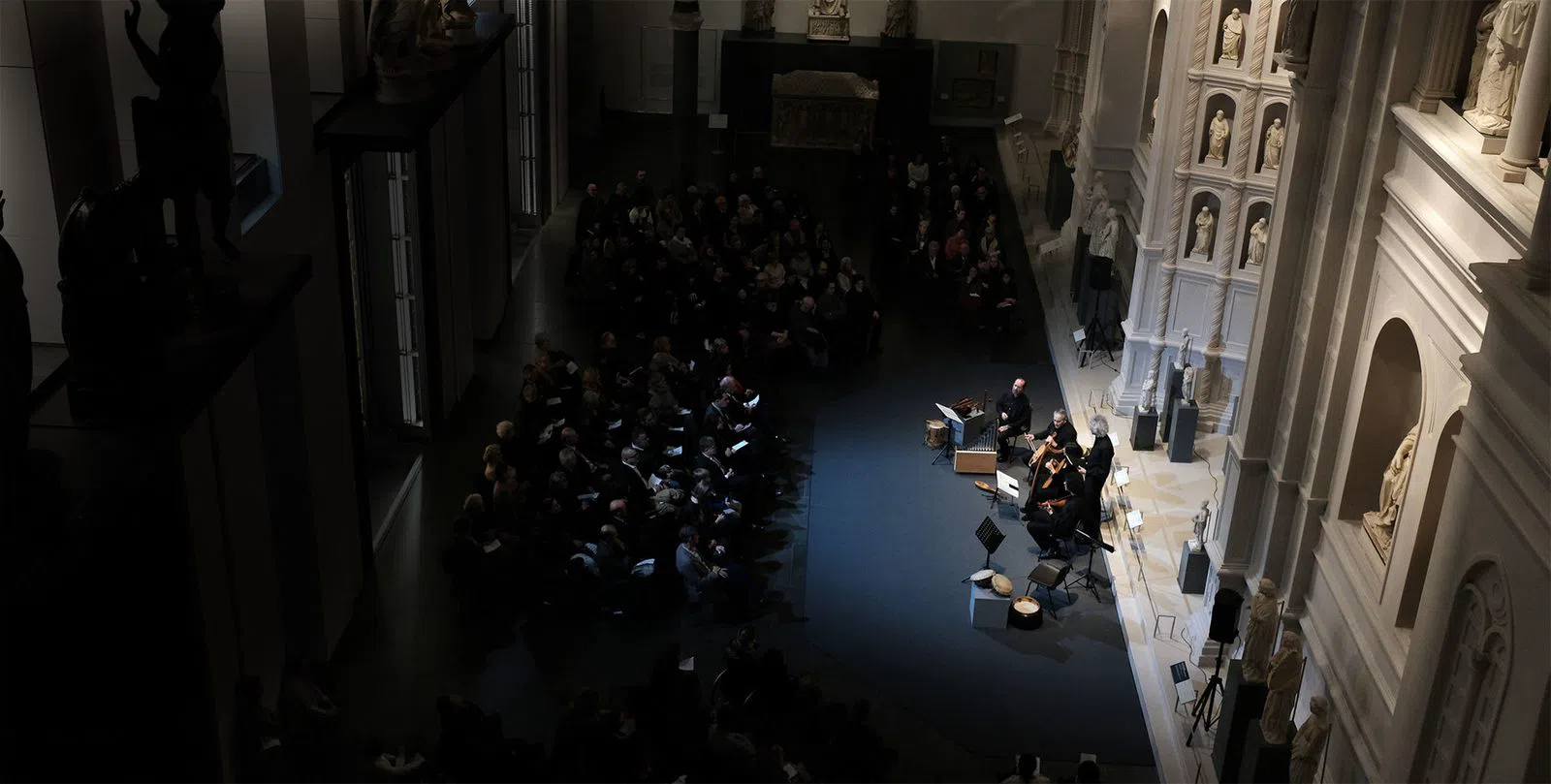
By half past eight the campanile still throws its shadow across most of Piazza del Duomo, and the line for the Baptistery is already forty people deep. Florence is a small city, twenty-five minutes on foot from the station to the far side of the Oltrarno, less if you don't stop for anything, and that compression turns three days here into either a forced march or something much calmer. The difference comes down to which tickets you buy before you leave home, and what hour you turn up.
The one booking that fixes your dates
Only one thing in this city genuinely has to be reserved weeks ahead, and it is the climb inside the dome of the Cattedrale di Santa Maria del Fiore (Piazza del Duomo). The Opera di Santa Maria del Fiore sells three passes, Ghiberti at €15, Giotto at €20, Brunelleschi at €30, and each is valid for three calendar days, which happens to be the exact shape of this trip. Only the Brunelleschi includes the cupola, and only the cupola is timed-slot, capped per slot, and gone early from spring onwards.
Everything else on the passes is walk-in at any point inside that three-day window: the Baptistery, the Opera del Duomo museum, the Santa Reparata crypt under the nave, and Giotto's bell tower on the Giotto Pass. So you pin one hour of one morning and leave the other seventy-one loose.
Buy from duomo.firenze.it or an authorised reseller and nowhere else. Tickets resold through third parties are refused at the door, and the staff checking them have no discretion in the matter. Two more things to settle before you build a trip around the climb: under-eights are not allowed up, and there is no lift.
Plan your Florence trip
Live prices from our booking partners.
Free cancellation on many rooms. We may earn a commission when you book.
Day one around the cathedral, with the Uffizi saved for four o'clock
Take the dome slot early, while the stone is still cool and the stairs are not carrying the day's heat. Come down, cross to the Baptistery, then spend the flat middle of the day in the Opera del Duomo museum, which is air-conditioned, rarely queued and the one room in the complex where you can stand still. If the bell tower is on your pass, save it. It is a better climb in late afternoon light than at noon.
The Galleria degli Uffizi (Piazza della Signoria) charges €25 on site and €29 pre-purchased, but the Afternoon ticket from 4pm is €16, and it is both the cheapest way in and the emptiest. The coach parties have gone by then, and the Botticelli rooms actually breathe. Closing is 6.30pm, Tuesday to Sunday, so two and a half hours, enough if you accept from the outset that you are not going to see all of it. Do not put day one on a Monday; the gallery is shut.
For dinner, walk ten minutes north to Mercato Centrale Firenze (San Lorenzo), which is really two buildings stacked on each other. The working market below runs Monday to Friday 9am to 3pm and Saturday until 5pm, closed Sunday. The food hall above is open daily from 8am to midnight, takes no reservations, and lets everyone order from a different counter and meet at a long communal table. Plates run €8 to €20. Those late hours make it the reliable answer after a museum evening, when kitchens elsewhere in the centre have already closed their books.
Day two belongs to sculpture, and to a monastery that shuts at lunch
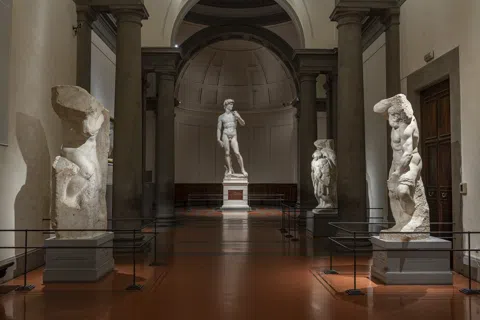
Since 15 March 2026 the Galleria dell'Accademia (Via Ricasoli, near Piazza San Marco) and the Museo Nazionale del Bargello (Via del Proconsolo, between the Duomo and the Signoria) have been a single institution, with a combined ticket at €26 valid 48 hours. Separately they are €20 online for the Accademia (€16 entry plus €4 booking) and €12 for the Bargello with an optional €4 reservation, so the combined ticket pays for itself the moment you plan both.
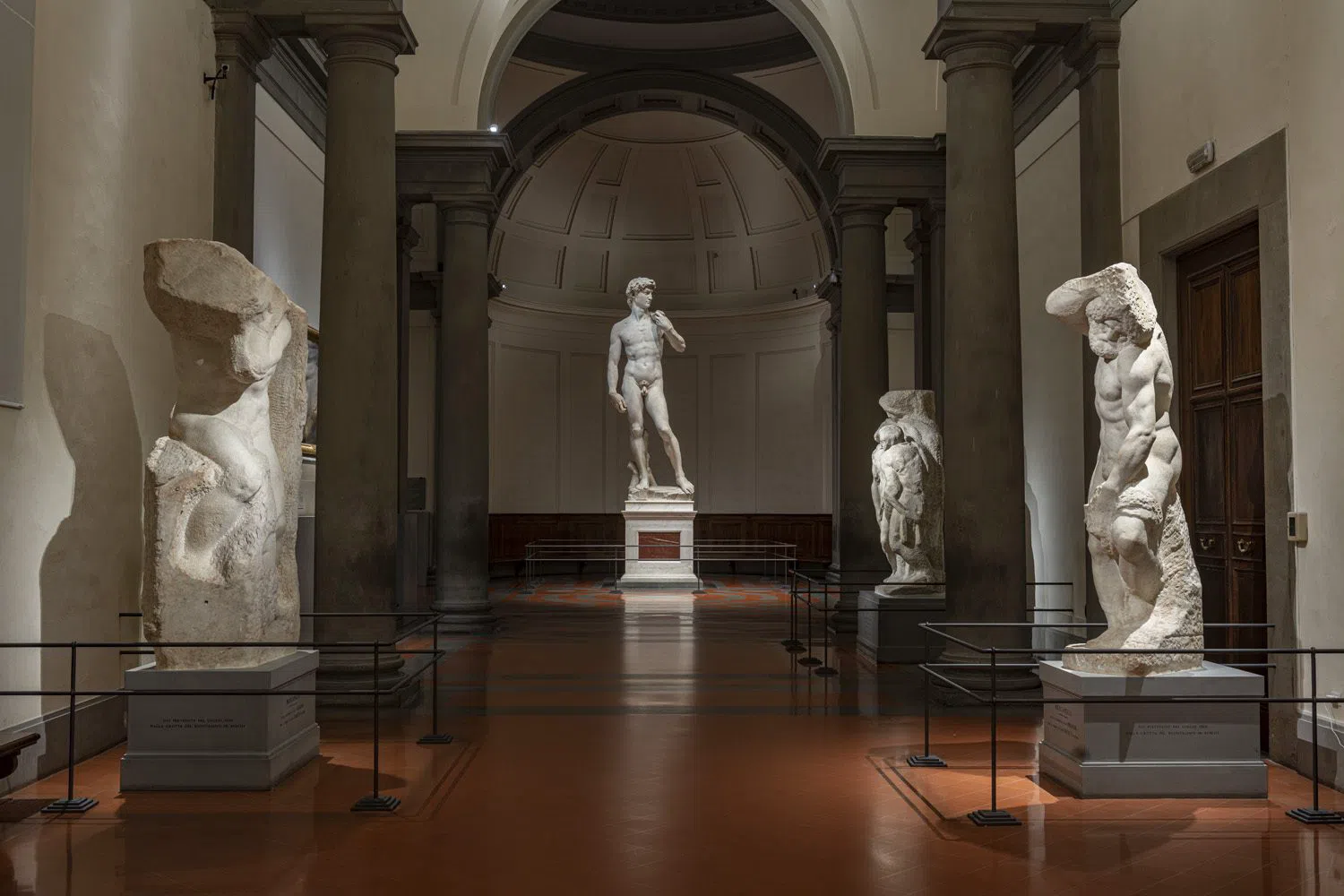
Go to the Accademia at opening. The arrival window is fifteen minutes and it is enforced: a party that drifts loses its slot outright. Book one to two weeks ahead from June to September; under-18s enter free but still need a reservation in their name.
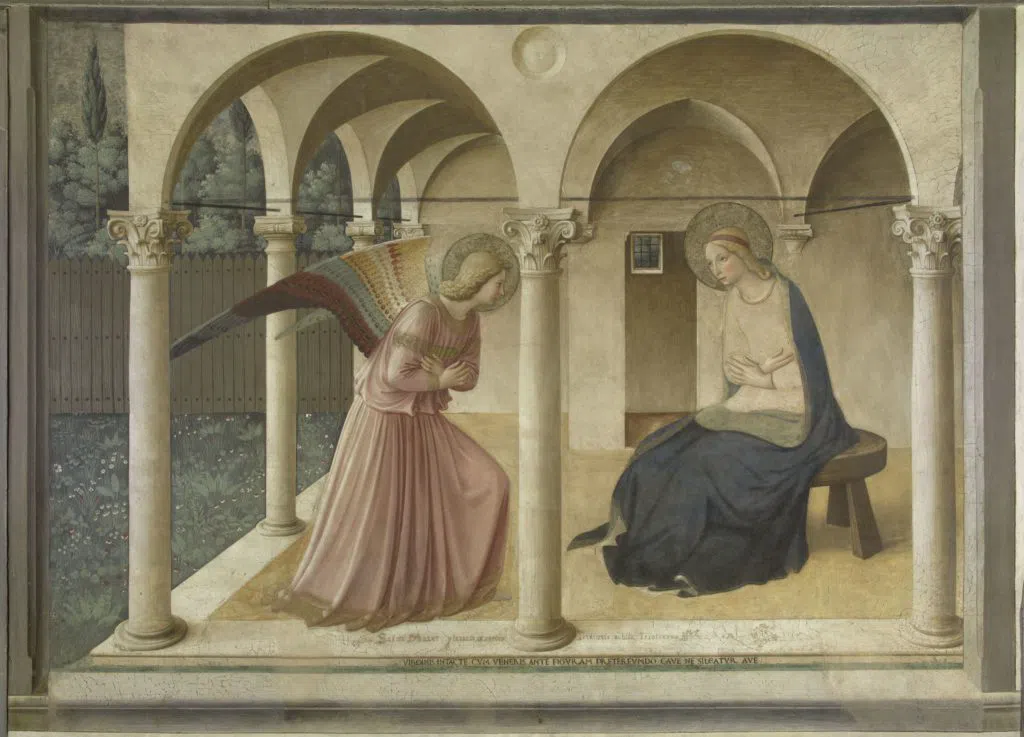
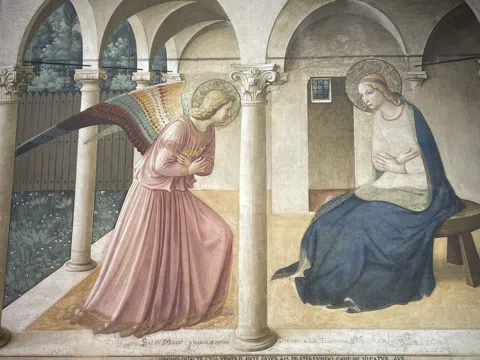
From there it is a two-minute walk to the Museo di San Marco (Piazza San Marco), and the walk has to happen in the morning, because the museum does not run past lunch: Tuesday to Sunday 8.30am to 1.50pm, last entry 12.45pm, closed Mondays and the fifth Sunday of the month. Around €8 to €10, with a new combined entry ticket now in force. Fra Angelico frescoed one painting into each friar's cell and they are still there, in the rooms they were painted for, at the size a single person kneeling was meant to see them. Parts of the route close in rotation for ongoing restoration, so treat any particular cell as a bonus rather than a guarantee.
The Bargello takes the afternoon: Tuesday to Sunday until 6.50pm, the latest closing of anything on this list. Donatello's David, Verrocchio, and the two Ghiberti competition panels, hung in a thirteenth-century palace that spent centuries as a prison. The rooms are large, there is no timed-entry crush, and on most afternoons it is the closest thing to a private view of Renaissance sculpture the city offers.
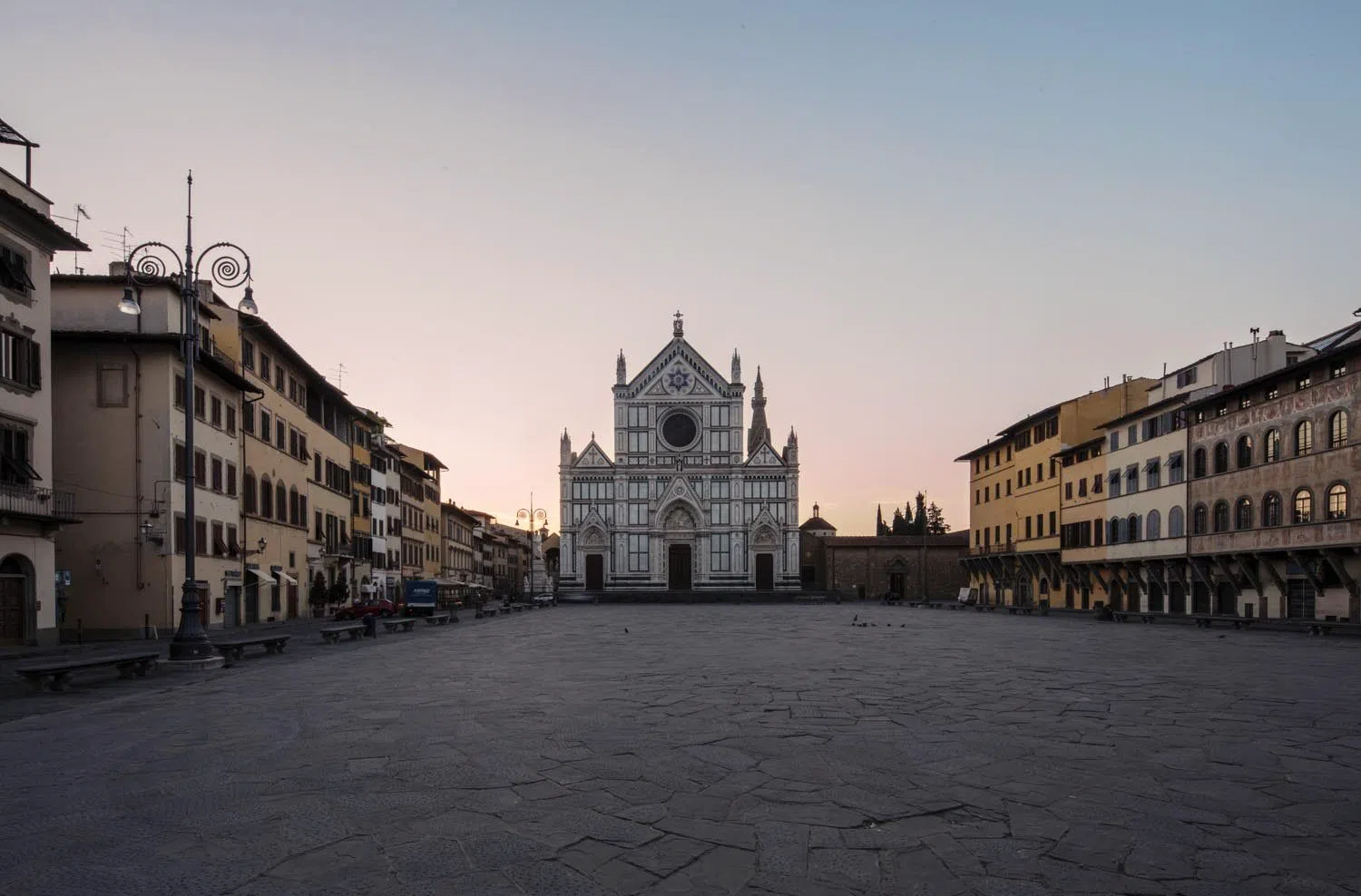
Two more sit naturally in this day, and you should probably choose one. Palazzo Vecchio (Piazza della Signoria) costs €18 for the museum and opens Friday to Wednesday 9am to 7pm, but only 9am to 2pm on Thursday, which catches people out every week. The Arnolfo Tower gives the same rooftop view as the dome climb with a fraction of the booking anxiety (small groups per slot, no under-sixes), and the Medici secret-passages tour is the one guided add-on here worth paying for. Basilica di Santa Croce (Piazza Santa Croce) is €11 full and €8 reduced for the basilica, cloisters, museum and the Pazzi Chapel together, and its open-dated ticket is valid six months, or €1 more for a fixed time slot. It is the least tyrannical ticket in Florence: buy it, carry it, and use it in whatever ninety-minute hole appears. Note that it is Monday to Saturday 9.30am to 5.30pm, Sundays and holy days from 2pm only, and card payment only at the desk.
Day three over the river, ending with chant at half past five
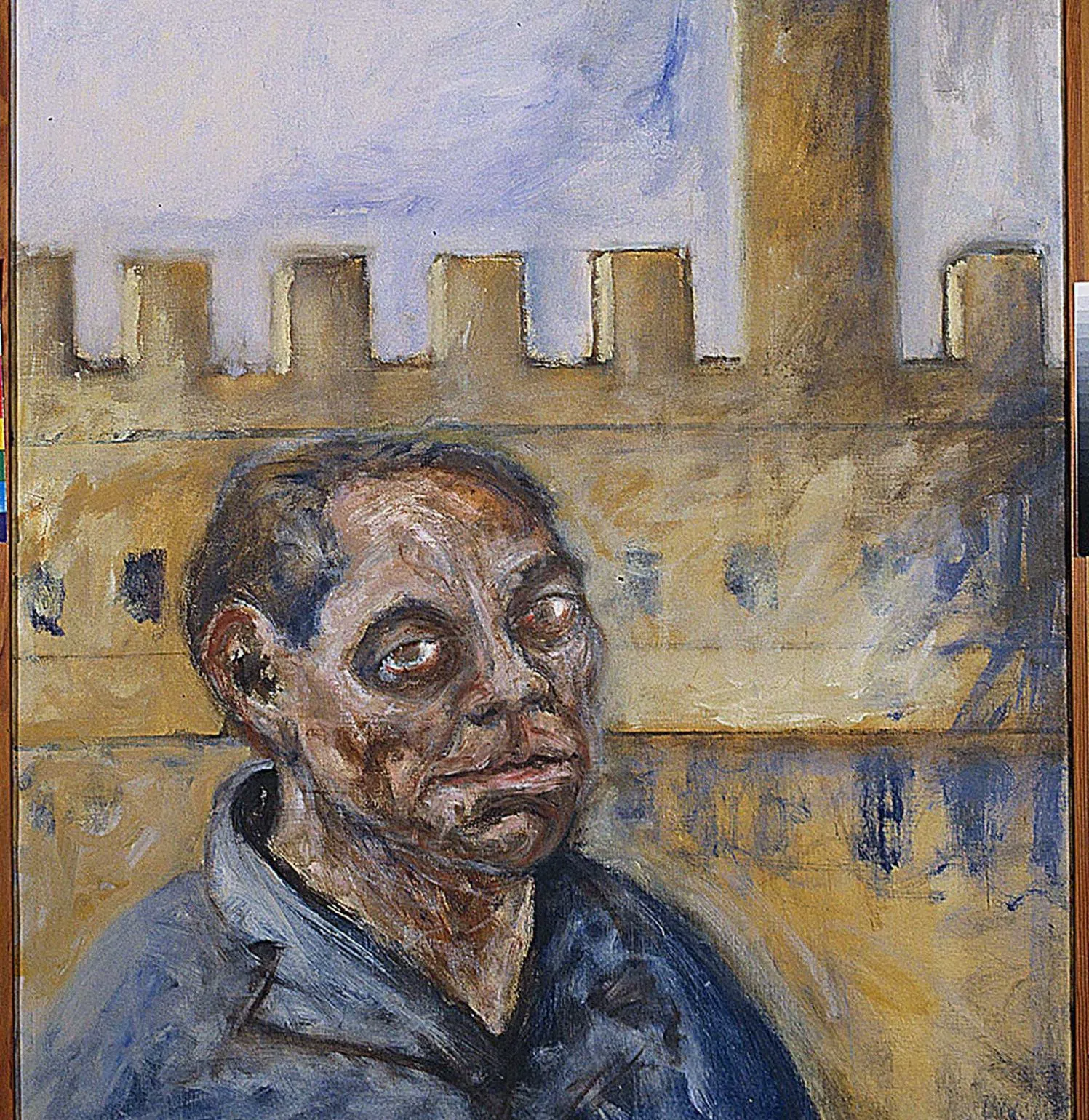
Cross to the Oltrarno early. Cappella Brancacci at Santa Maria del Carmine (San Frediano) admits ten people at a time for thirty minutes, which sounds restrictive until you are standing in front of Masaccio's Expulsion with four other people and no one behind you. Around €10, free for under-18s and Firenze Card holders, open daily except Tuesday 10am to 5pm and Sundays from 1pm, with the ticket desk shutting 45 minutes before close. Book ahead, because the cap means walk-ups fail more often than they succeed.
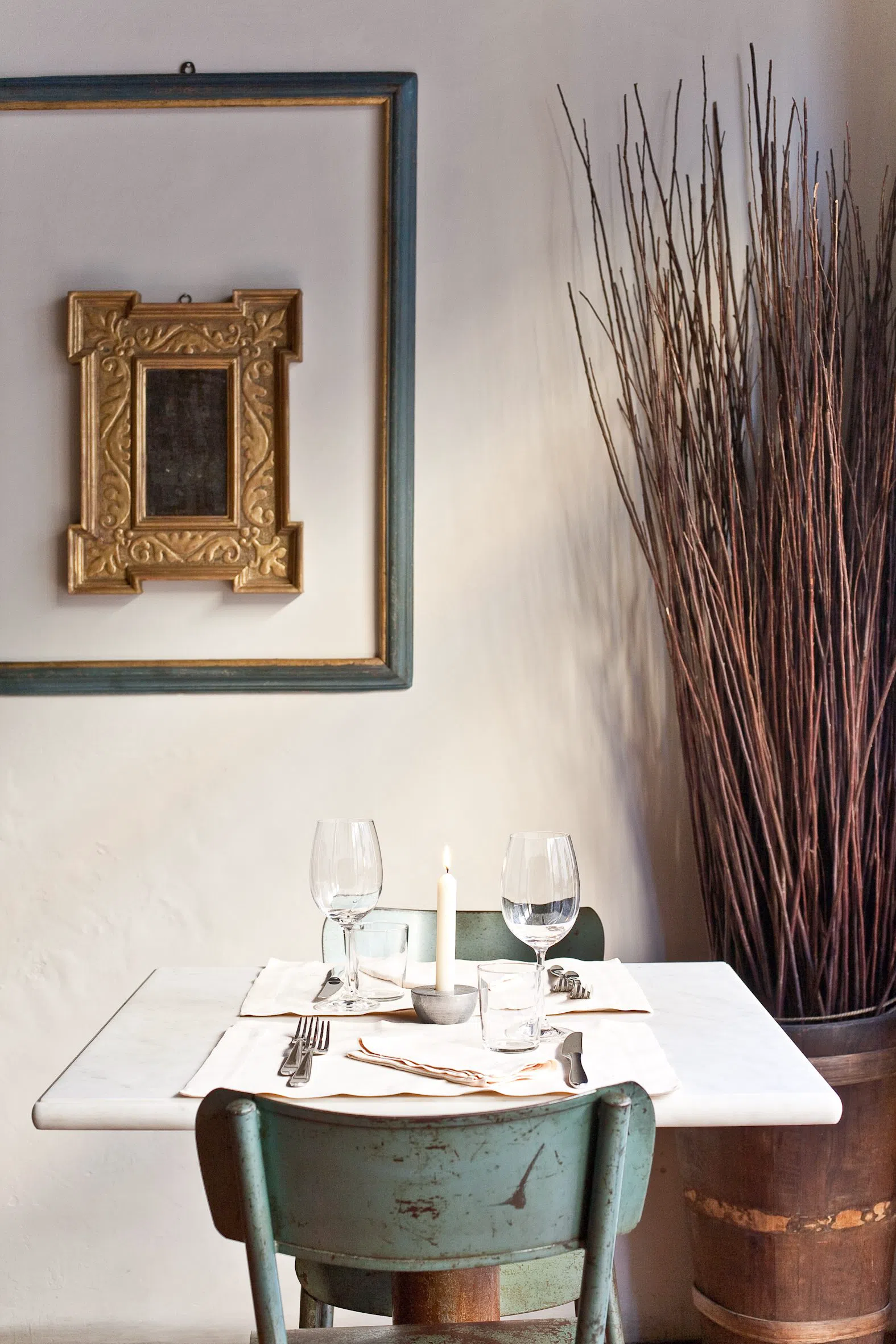
Lunch or dinner at Il Santo Bevitore (Via di Santo Spirito, Oltrarno), which serves 12.30 to 2.30pm and 7.30 to 11.30pm daily at €40 to €60 a head. It is Michelin Guide-listed and it is the Oltrarno bar for a proper dinner without a tasting-menu commitment; the vaulted room takes larger tables better than most kitchens on this side of the river. Reservations are required and should be made several days ahead in season.
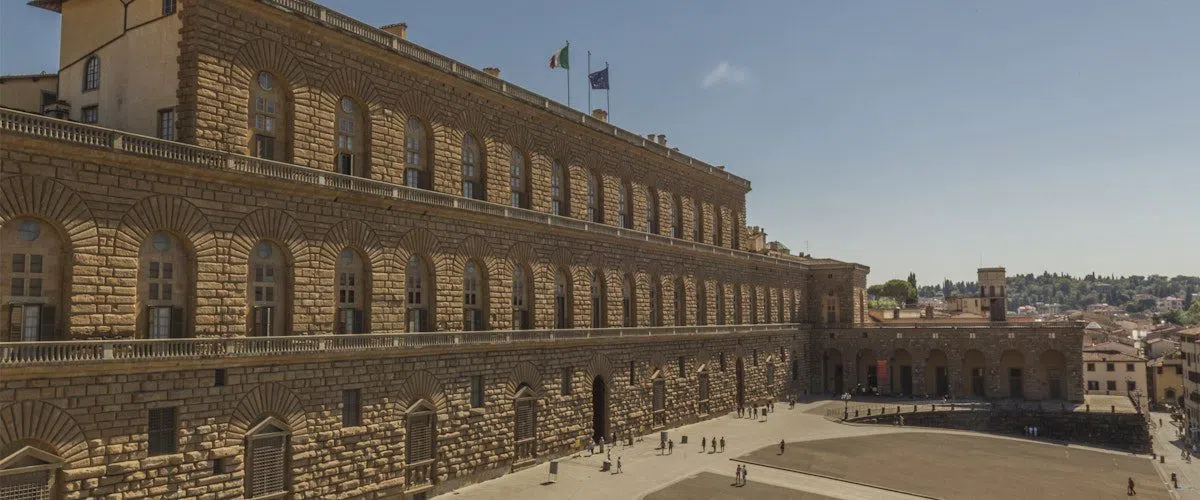
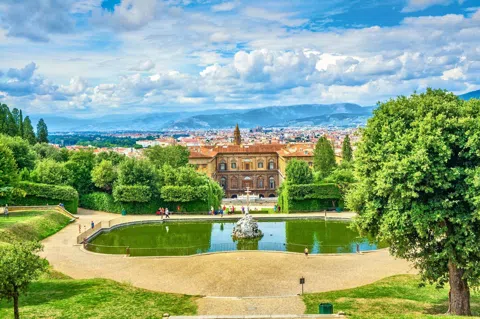
Afternoons over here belong to a garden. Palazzo Pitti & Giardino di Boboli (Piazza Pitti) is the grand option: Boboli €15 in peak season, €5 in low, plus €4 reservation, with the palace ticketed separately and a €40 combined five-day ticket linking Pitti, Boboli and the Uffizi if you want to stagger everything. Open from 8.15am Tuesday to Sunday, closed Mondays and additionally the first and last Monday of the month, which strands anyone who assumes the garden keeps the palace's calendar. The Porcelain Museum remains shut for refurbishment and Royal Apartment rooms rotate closed.
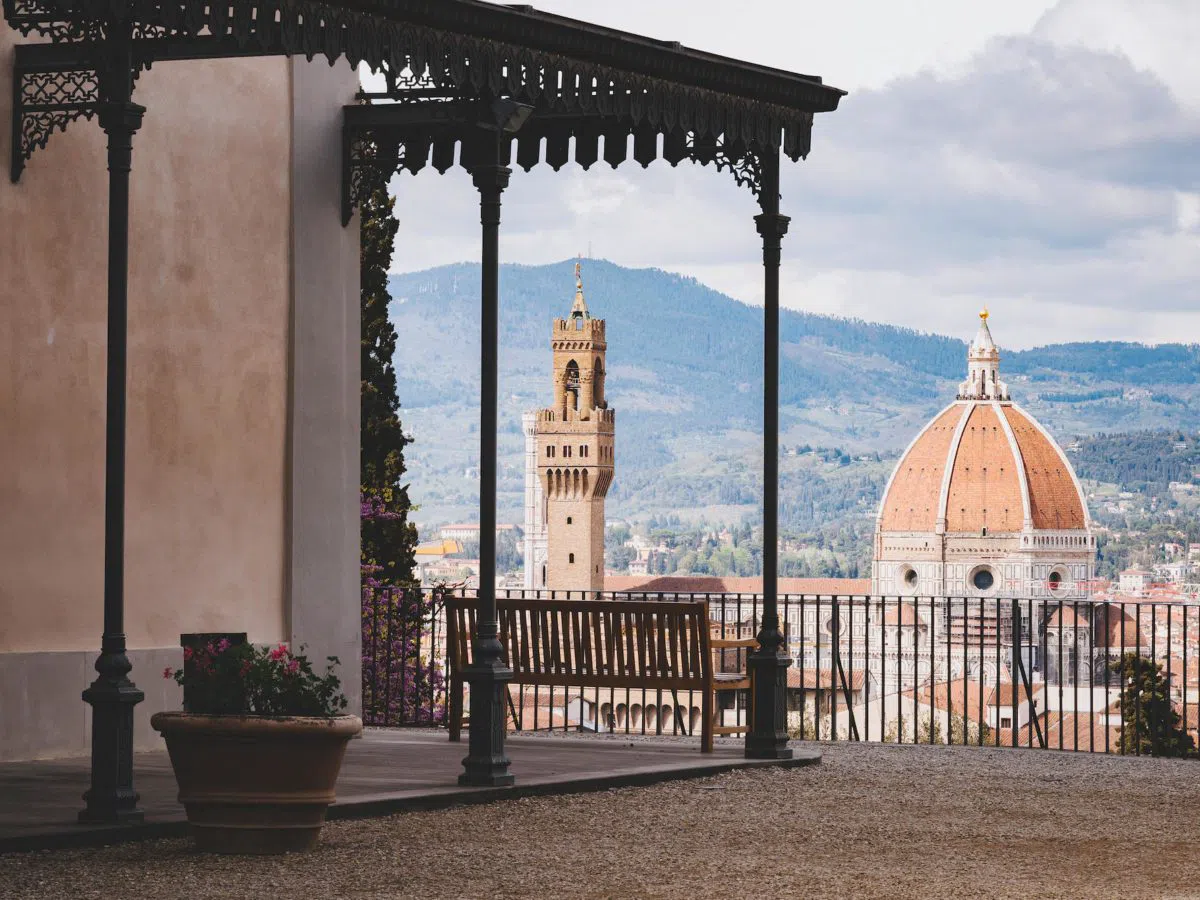
Giardino Bardini (Costa San Giorgio, Oltrarno) is the smaller and, for three days, the better one: €10, or €5 reduced, €15 with the current exhibition, and cumulative with a Boboli ticket. It holds the Duomo view that isn't Piazzale Michelangelo, reached by a garden nobody queues for, and in April the wisteria tunnel goes solid purple for a fortnight. La Loggia terrace café on the upper terrace seats parties from April to October. It closes the first and last Monday of the month.
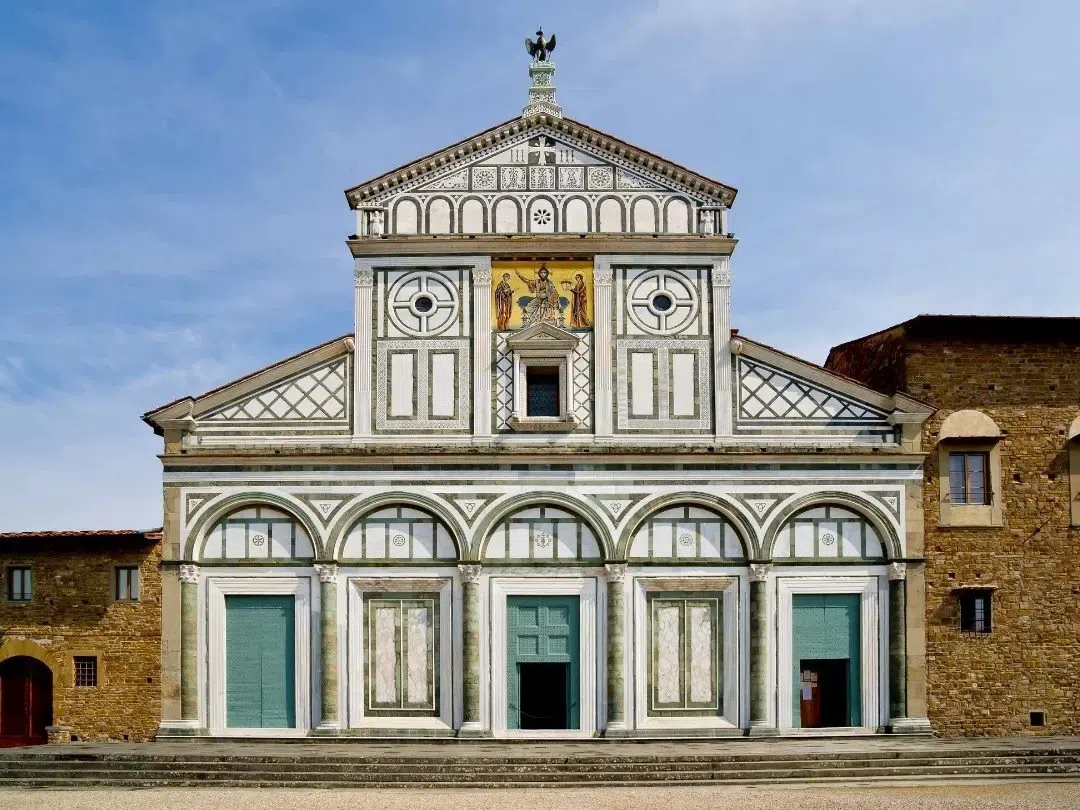
End the day going uphill. Basilica di San Miniato al Monte (Monte alle Croci, ten minutes above Piazzale Michelangelo) is free, unbooked and open to anyone: Monday to Saturday 9.30am to 1pm and 3 to 7pm, Sundays from 8.15am, closing during services. The Benedictine community sings Gregorian chant daily at around 5.30pm, roughly 45 minutes. Silence is expected and there is no photography; it is an office, not a performance. Walking down afterwards in the last of the light, with the river going grey below you, is the part of a Florence trip people remember longest.
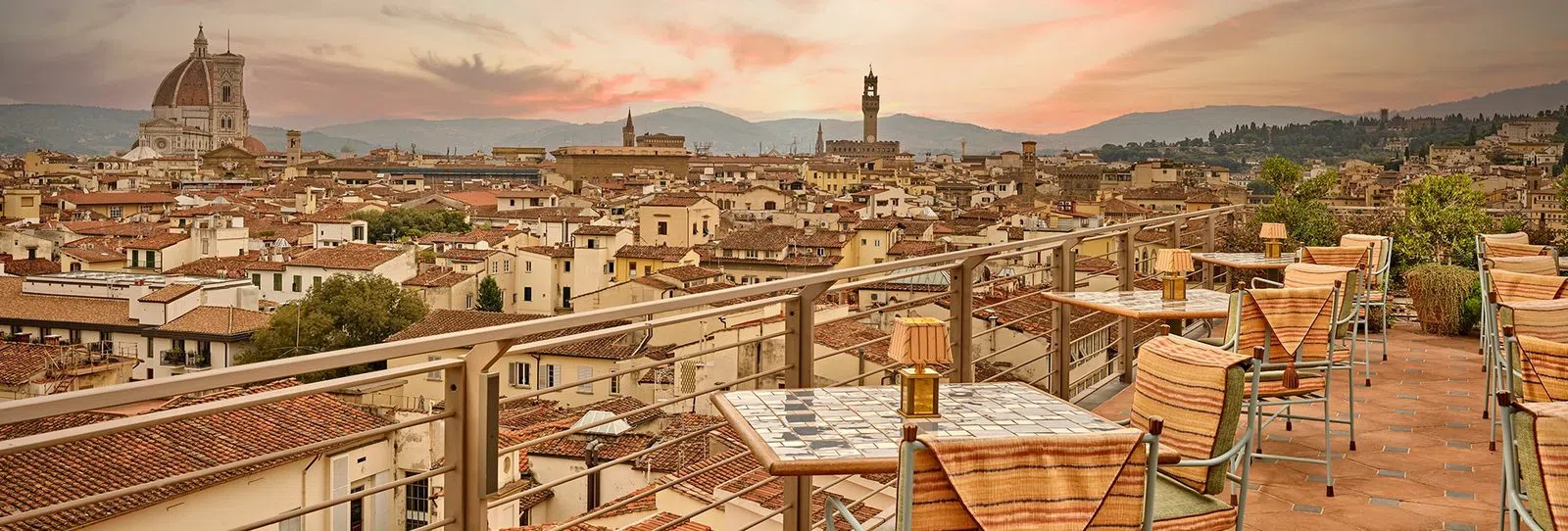
If you want one more view after dark, Cosimo Rooftop Restaurant & Bar (Piazza Ognissanti, on the Arno) has the widest skyline of any terrace in the city. It is the former SE·STO on Arno, fully rebuilt and reopened under the new name in summer 2025 on the top floor of the Excelsior, so book under Cosimo, because the old name gets you nowhere. Non-residents are welcome by reservation; cocktails run €18 to €25 and dinner €70 and up. Several outdoor terraces plus an indoor room make it one of the few rooftops that can actually seat a group. If sleeping where the view is appeals more than visiting it, start with a Florence hotel search and work outward from the river.
Twenty minutes uphill instead of a day on a train
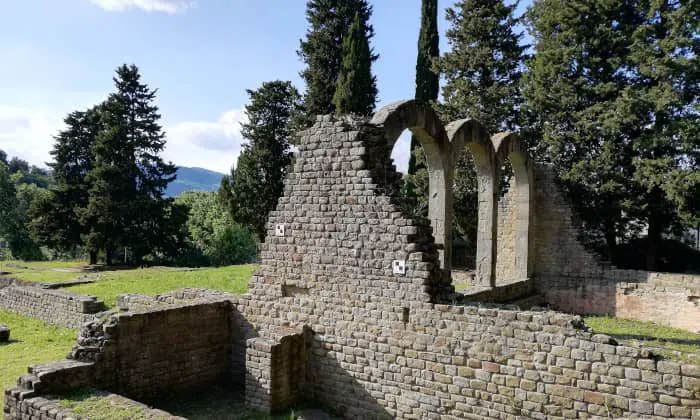
A three-day trip should not surrender a whole day to somewhere else. Go twenty minutes uphill instead. Fiesole — Area Archeologica e Teatro Romano sits above the city, reached by the number 7 bus from Piazza San Marco to the last stop, Fiesole Piazza Mino, for about €1.70 each way. Entry to the site is roughly €7 to €12, and it is open 9am to 7pm April to October, 10am to 5pm November to March. A Roman theatre, an Etruscan wall and the long view back down over the rooftops, all of it open-air and uncapped. A half-day, not a day, which is why it fits.
What changes if you are a group
Florence is not uniformly group-friendly, and the constraints are worth mapping before anyone books flights. The Uffizi takes parties, but eleven or more pay an additional €70 on top of tickets, and headsets plus pre-booked slots are effectively mandatory in season. The dome is capped per slot, so a group needs consecutive slots and someone counting heads. The Accademia's fifteen-minute window is the hardest deadline on this itinerary. The Brancacci chapel's ten-person limit means splitting and staggering, with no way around it, and San Marco's cells are single-file and hushed: small parties work, coach parties do not.
What absorbs numbers easily: the Bargello's big rooms, Santa Croce's nave and cloisters (guides and teachers with school groups enter free), Boboli's sheer scale, the archaeological site above the city, and Mercato Centrale, where nobody reserves and the counters serve independently. For dinner, Il Santo Bevitore and Cosimo both take group bookings; almost nothing else in the Oltrarno does at short notice. Couples and pairs, conversely, get the best of the chapel, the friars' cells and Bardini, the three places where being two people rather than twenty changes what you actually see. There is more on districts and where to base yourself in the Florence guide.
Practical notes
Walk. The centre is compact enough that taxis cost more in waiting than in distance, and much of it is restricted traffic anyway. The only transport you need is the number 7 bus for the trip uphill, about €1.70 each way.
Buy museum tickets online in advance where slots exist. Santa Croce's desk is card-only, and you want a little cash for the bus and the market counters.
Monday is the day that breaks itineraries: the Uffizi, the Accademia, the Bargello, San Marco and the Pitti complex all close, and Boboli additionally shuts on the first and last Monday of the month. Palazzo Vecchio stops at 2pm on Thursdays. Sundays start late at Santa Croce (2pm) and the Brancacci chapel (1pm), and the ground-floor market at Mercato Centrale does not open at all. San Marco is a morning-only proposition, with last entry at 12.45pm.
A three-day run of the core, Brunelleschi Pass €30, the €16 afternoon Uffizi, the €26 Accademia and Bargello combination, the Brancacci chapel at about €10 and Bardini at €10, comes to roughly €92 a head in admissions. Add Santa Croce at €11, Palazzo Vecchio at €18 or Boboli at €15 if you want them. On food, plan €8 to €20 a plate at the market hall, €40 to €60 a head for a booked Oltrarno dinner, and €70 and up if you finish on the rooftop. The chant at San Miniato costs nothing, which is a useful thing to remember on the third evening.
Before you go
How far in advance do I need to book the Duomo dome climb?
Weeks, especially from spring through summer. The climb is included only on the €30 Brunelleschi Pass, is timed-slot and capped per slot, and sells out well before the rest of the complex. Everything else on the Duomo passes (Baptistery, Opera del Duomo museum, Santa Reparata crypt, and the bell tower on the Giotto Pass) is walk-in within the pass's three-calendar-day validity, so the dome slot is the only date you have to commit to.
What is the cheapest way into the Uffizi?
The Afternoon ticket from 4pm at €16, against €25 on site and €29 pre-purchased. It is also the quietest entry of the day: the coach groups have left by then and the gallery closes at 6.30pm. It is closed on Mondays, so build the rest of your itinerary around that.
Should I give up a day of my three to travel elsewhere?
No. Take the number 7 bus from Piazza San Marco up to Fiesole instead: about €1.70 each way, roughly €7 to €12 to enter the archaeological area, and a half-day rather than a whole one. You get the Roman theatre, an Etruscan wall and the long view back over the city without losing a day to travel.
Which museums are closed on Mondays?
The Uffizi, the Accademia, the Bargello, the Museo di San Marco and the Pitti complex including the Boboli garden all close on Mondays. Boboli and Giardino Bardini also close on the first and last Monday of the month. Palazzo Vecchio is the exception, open Friday to Wednesday from 9am to 7pm, though it shuts at 2pm on Thursdays.
Can we visit the Brancacci Chapel as a group?
Only in shifts. Ten people at a time is a hard cap and visits are limited to thirty minutes, so a larger party has to split and book staggered slots before arrival. Entry is around €10, free for under-18s and Firenze Card holders, and it opens daily except Tuesday from 10am to 5pm, from 1pm on Sundays, with the ticket desk closing 45 minutes before the chapel.